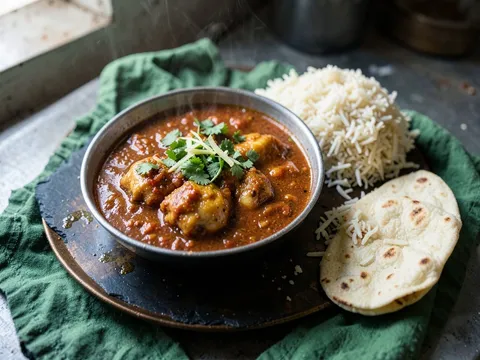
 1 hr 15 minGluten-free
Punjabi Chicken Curry (Dhaba Style)
1 hr 15 min · Medium
By Nomisto Kitchen · Updated
IN SHORT
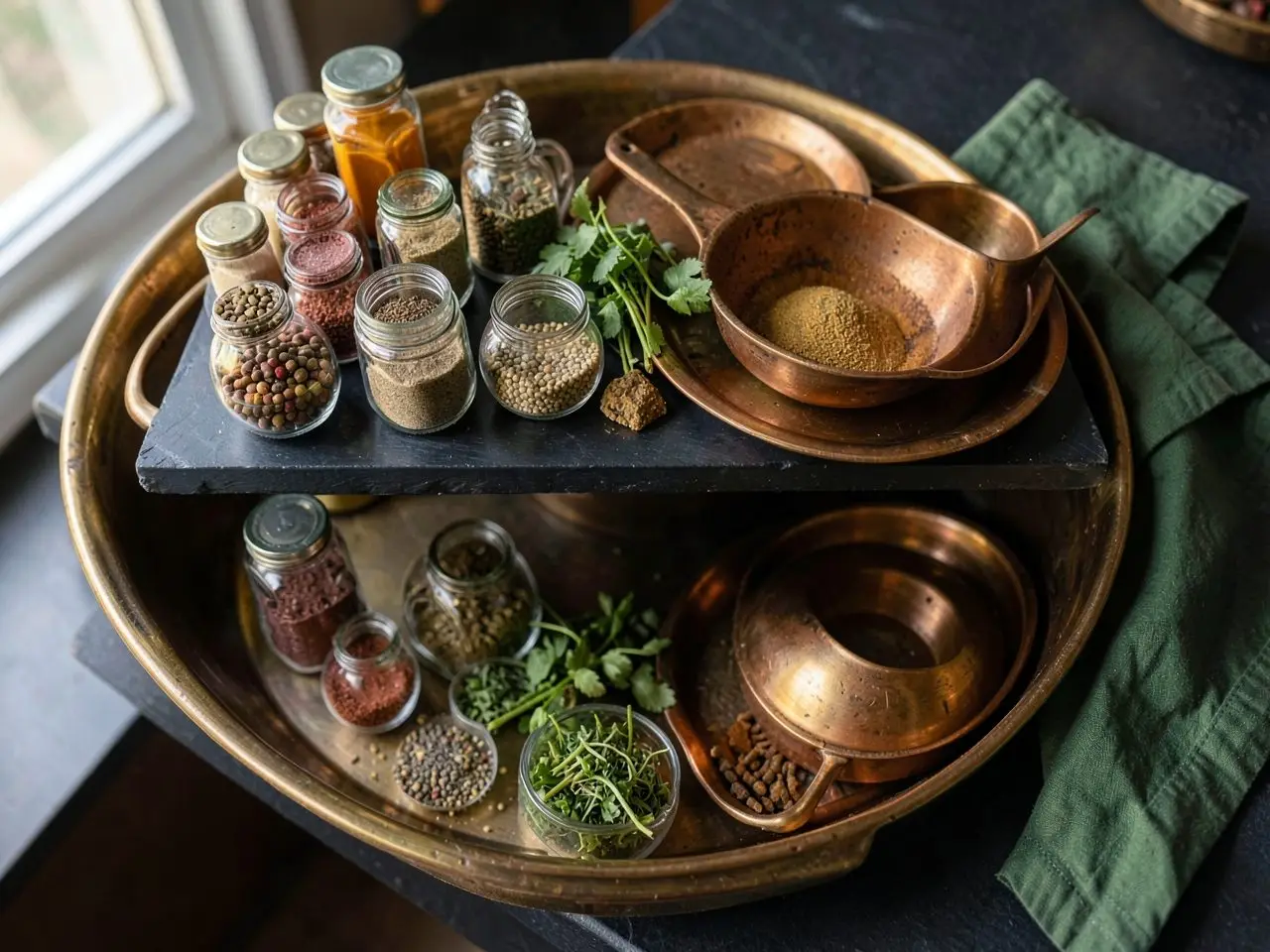
A working Indian pantry fits on two shelves. Stock six spices, seven dals and flours, two rices, two fats, three fresh aromatics, three souring agents, plus paneer and yoghurt, and you can cook everything on this site. Buy small amounts of spices and flours, keep rice and dals airtight, and start with the twelve-item list at the end.
| # | Item | Group | Used for | Unlocks on this site |
|---|---|---|---|---|
| 1 | Cumin seeds | Spice | Tempering, rice, curry bases | Punjabi chicken curry, egg bhurji |
| 2 | Ground coriander | Spice | Thickening and earthiness in masalas | Curry bases |
| 3 | Ground turmeric | Spice | Colour and earthiness | Kanda poha, besan chilla |
| 4 | Kashmiri chilli powder | Spice | Mild heat and deep red colour | Curries, paneer tikka |
| 5 | Garam masala | Spice | Finishing blend | Curries |
| 6 | Mustard seeds | Spice | South Indian tempering | Upma, idli chutney |
| 7 | Toor dal (split pigeon peas) | Dal | Sambar and everyday dal | South Indian meal prep |
| 8 | Chana dal (split chickpeas) | Dal | Tempering crunch, chutneys | Upma, meal prep |
| 9 | Urad dal (split, husked) | Dal | Tempering; idli batter | Idli, upma |
| 10 | Besan (gram flour) | Flour | Batters, chillas, pakoras | Besan chilla, onion pakora |
| 11 | Atta (whole-wheat flour) | Flour | Rotis, parathas | Anda paratha |
| 12 | Rava (fine semolina) | Flour | Upma, uttapam | Upma, rava uttapam |
| 13 | Poha (thick flattened rice) | Rice product | Quick breakfast | Kanda poha |
| 14 | Basmati rice | Rice | Pulao, steamed rice | Mutton yakhni pulao, rice kheer |
| 15 | Idli rice (parboiled) | Rice | Fermented batters | Idli |
| 16 | Ghee | Fat | Cooking and finishing | Punjabi chicken curry, pulao |
| 17 | Neutral oil | Fat | Everyday frying and cooking | Pakoras, poha, upma |
| 18 | Onions | Aromatic | The base of most curries | Almost every savoury recipe |
| 19 | Ginger and garlic (fresh) | Aromatic | Pastes and marinades | Curries, paneer tikka |
| 20 | Green chillies and curry leaves | Aromatic | Heat and fragrance | Poha, upma, meal prep |
| 21 | Tamarind (paste or block) | Sour | Sambar, chutneys | South Indian meal prep |
| 22 | Amchur (dried mango powder) | Sour | Tang in dry dishes | Optional, see below |
| 23 | Lemons | Sour | Brightness at the end | Poha, upma |
| 24 | Paneer | Dairy | Tikka, curries | Oven paneer tikka |
| 25 | Plain yoghurt | Dairy | Marinades, lassi, raita | Paneer tikka, mango lassi |
Tomatoes, coriander leaves and a stock of salt are assumed. A few useful extras fall outside the 25: asafoetida (hing), sambar powder, black pepper, green cardamom, cinnamon and cloves, kasuri methi, and canned tomatoes or passata. The spices guide covers those in detail.
Six jars do most of the work: cumin seeds, ground coriander, ground turmeric, Kashmiri chilli powder, garam masala and mustard seeds. The first four go into the base of most curries (see the bhuna masala guide). Garam masala goes in at the end. Mustard seeds start the South Indian dishes.
Buy small packs from a shop with fast turnover, and replace ground spices within about a year. Kashmiri chilli powder is chosen for colour and mild heat. Ordinary red chilli powder is hotter, so use about a quarter as much if you substitute it.
A dal is a split pulse, and also the dish made from it. Three do the most work in this kitchen:
All three keep for a year or more in airtight jars. Dals sold as “split and skinned” cook fastest; the whole, unhusked versions take longer and are a different ingredient.
Four staples go beyond rice:
Two kinds cover most of this site. Basmati is a long-grain, aromatic rice for pulao and plain steamed rice, and for rice kheer. Rinse it until the water runs mostly clear, and soak it if the recipe says so. Idli rice, a parboiled short-grain rice, is for fermented batters, as in idli. For everyday South Indian rice, as in the meal prep plan, use sona masoori (a raw medium-grain rice) or basmati.
Stored dry and airtight, both keep for a year or more. Aged basmati is prized, so there is no rush to use it up.
Keep two: ghee and a neutral oil such as sunflower or rapeseed.
Ghee is clarified butter. It has a high smoke point, a nutty flavour, and keeps in a cupboard for months if you use a clean, dry spoon. It is a dairy product, so it is not suitable for anyone with a milk allergy. Neutral oil is the everyday choice for frying and for dishes where ghee would be too rich, such as kanda poha.
Mustard oil is an optional third. It has a sharp, pungent flavour that many cooks in North and East India, especially Bengal, like, and it is usually heated until it just begins to smoke and then cooled slightly to mellow the raw edge. A word about labelling: in some countries, including the US and UK, mustard oil is sold labelled “for external use only”, usually because of its high erucic acid content. If you cannot find a food-labelled bottle, or you are unsure about the rules where you live, use neutral oil instead. Every recipe here that mentions mustard oil works without it.
Sourness lifts rich and earthy dishes.
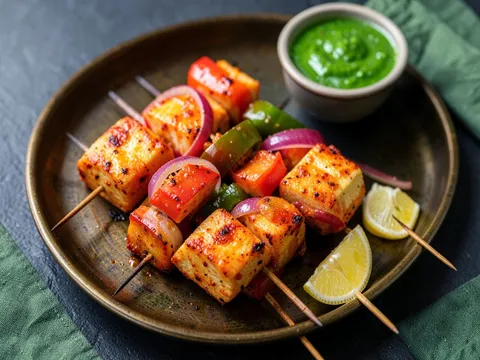
Paneer is a fresh, unaged cheese made by curdling milk. It is firm enough to grill, as in oven paneer tikka. Buy firm paneer for tikka, and check the packet for a date. It keeps a few days in the fridge once opened, in water or a sealed box, and freezes reasonably well, though the texture turns crumblier.
Plain yoghurt is used in marinades, lassis and raita. Whole-milk or Greek-style yoghurt is thicker and less likely to split when heated gently. Both paneer and yoghurt are dairy, and a milk allergy rules them out.
| Item | Where | Approximate life |
|---|---|---|
| Whole spices | Airtight jar, dark cupboard | About 2 years |
| Ground spices | Airtight jar, dark cupboard | 6 to 12 months |
| Dals, rice, poha | Airtight container, cool and dry | A year or more |
| Besan, atta, rava | Airtight container; fridge if warm climate | 3 to 6 months |
| Ghee | Cupboard, clean dry spoon | Several months, check smell |
| Oils | Cool, dark cupboard | 6 to 12 months |
| Tamarind paste | Fridge after opening | Several months, check the pack |
| Fresh chillies, curry leaves | Fridge | About a week |
| Paneer (opened) | Fridge, sealed | A few days |
These are rules of thumb. Smell and look: a rancid, musty or insect-affected pack goes in the bin. Whole-grain flours turn rancid sooner than refined ones, so buy small quantities. For anything with a printed date or opening instruction, follow the pack.
Week one: twelve items. Enough for curry, bhurji, pakoras and rice.
Week two: South and West Indian breakfasts. Mustard seeds, rava, poha, curry leaves, urad dal, chana dal and lemons.
Later, as you need them: atta, idli rice, toor dal, tamarind, paneer and amchur.
| If you buy | You can make |
|---|---|
| The week-one list | Punjabi chicken curry, egg bhurji, besan chilla (add ajwain) |
| The week-one list, plus ajwain and rice flour | Onion pakora |
| Mustard seeds, poha, curry leaves | Kanda poha |
| Mustard seeds, rava, chana dal, urad dal | Rava upma |
| Rava (plus yoghurt) | Rava uttapam |
| Atta | Anda paratha |
| Idli rice, urad dal | Idli |
| Toor dal, tamarind, sambar powder | South Indian meal prep |
| Paneer, yoghurt | Oven paneer tikka |
Once the shelves are stocked, the next skill is technique. Read the spices guide for tempering and the bhuna masala guide for curry bases.
1 hr 15 minGluten-free1 hr 15 min · Medium
 27 minVegetarian
27 min · Easy
 30 minVegetarian
30 min · Easy
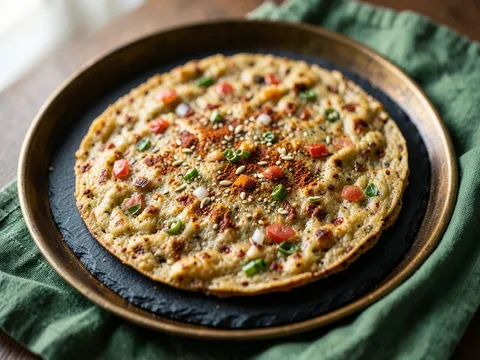 29 minVegetarian
29 min · Easy
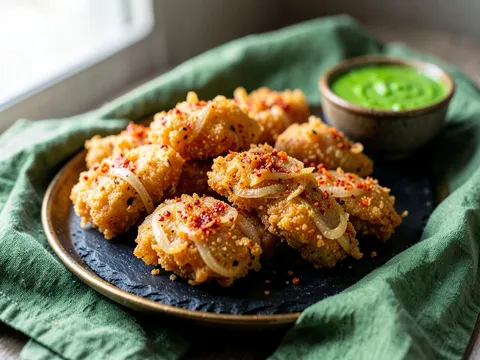 35 minVegetarian
35 min · Easy
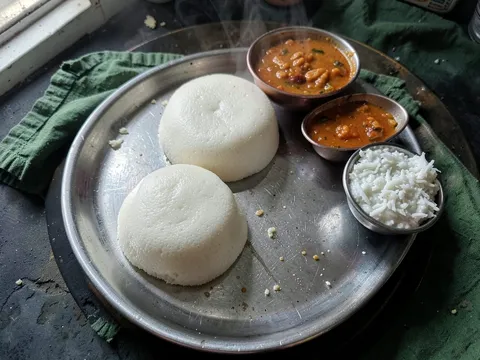 16 hr 5 minVegetarian
16 hr 5 min · Medium
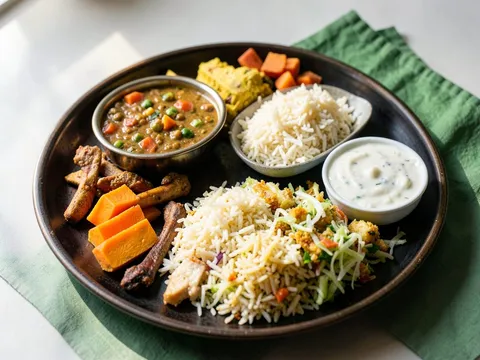 1 hr 45 minVegetarian
1 hr 45 min · Medium
 1 hr 5 minVegetarian
1 hr 5 min · Easy
Start with cumin seeds, ground coriander, turmeric, Kashmiri chilli powder, garam masala, ghee or neutral oil, basmati rice and besan, plus fresh onions, ginger, garlic and green chillies. That covers curries, bhurji and pakoras. Add mustard seeds, rava, poha and dals when you want breakfasts such as upma and poha.
Besan is flour milled from split chana dal (small brown chickpeas), used for batters, chillas and pakoras. Chickpea (garbanzo) flour is a close substitute, though besan is finer and slightly earthier. Wheat flour is not a substitute, because it makes a different, chewier batter.
Atta is fine-milled whole-wheat flour made for rotis and parathas, so it keeps the bran and germ. Plain (all-purpose) flour is white and refined. Ordinary wholemeal flour works in a pinch, but it is usually coarser and gives a slightly drier dough.
Rules differ by country. In India it is a common cooking oil, but in some places, including the US and UK, it is sold labelled for external use only because of its high erucic acid content. Check the label and your local regulations. Every recipe here works with neutral oil instead.
In airtight containers in a cool, dry cupboard. Atta and besan go stale faster than white flour, so buy small bags or keep extras in the fridge or freezer. Dals and rice keep for a year or more if they stay dry.
Ghee is very low in lactose but is still a dairy product, so it is not safe for anyone with a milk allergy.