 PunjabiAI illustration
Dal Tadka Without a Pressure Cooker (Dhaba Style)
1 hr 40 min · Easy
Restaurant-style dal makhani in a pot: whole urad boiled for about an hour, a thick tomato gravy in ghee, then butter and cream. Serves 4.
By Nomisto KitchenPublished Last tested
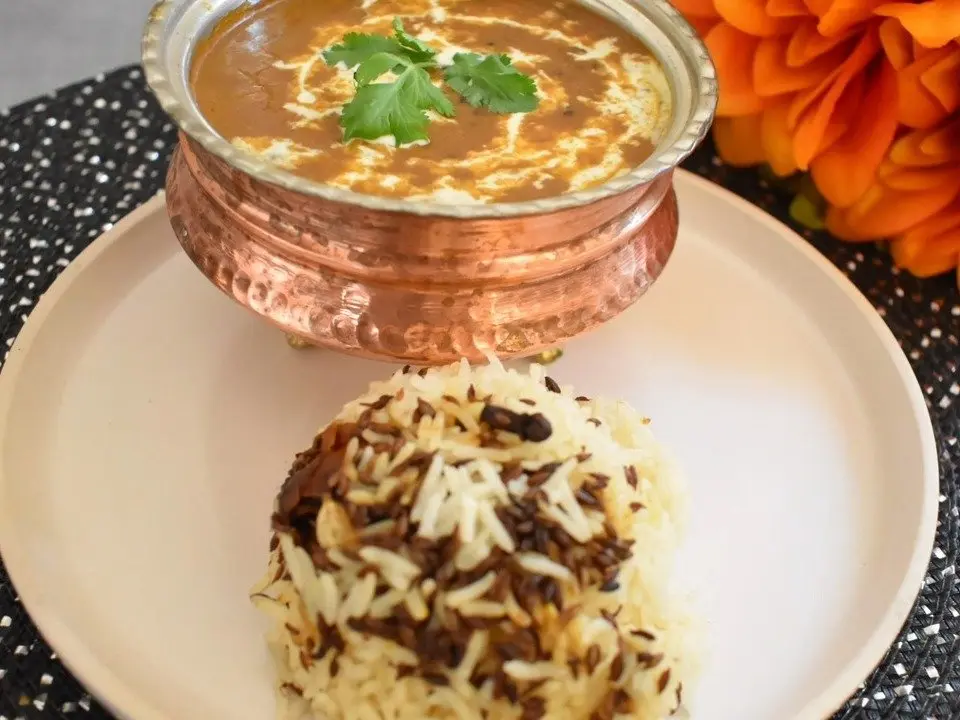
Dal makhani without a pressure cooker: soak whole urad dal for 4 to 5 hours, then boil it in a pot for about 1 hour, skimming the foam, until soft but whole. Cook ginger-garlic paste, Kashmiri chilli and tomato purée in ghee to a thick gravy, stir it into the dal, mash a little and simmer. Finish with butter and, if you like, cream. Serves 4 in about 1 hour 35 minutes, plus soaking.
Dal makhani is whole black urad dal boiled slowly until soft, then simmered in a thick tomato and ghee gravy and finished with butter, the “makhan” in its name. You do not need a pressure cooker: an hour’s boil in an ordinary pot does the job. It is the recipe from our own kitchen, and you can watch us make it in the video below the method.
Allow about 1 hour 35 minutes once the dal has soaked for 4 to 5 hours or overnight: 10 minutes to get ready, about 1 hour to boil the dal, and 25 minutes or so for the gravy and the final simmer.
Our video boils the dal in a pot. The pressure-cooker column shows typical timings, not tested by us.
| Whole urad, soaked | Pot (as in our video) | Pressure cooker (typical) |
|---|---|---|
| Water | About 1 litre, topped up with hot water | About 750 ml |
| How it cooks | At a boil, stirred now and then, white foam skimmed off | High heat to the first whistle, then low |
| Time | About 1 hour | 25 to 30 minutes, plus the pressure dropping naturally |
| Ready when | Soft but whole; a grain crushes easily | The same test; boil a little longer if still firm |
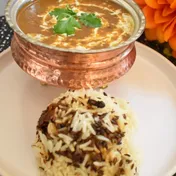
1 hr 35 min · Serves 4 · Easy · Vegetarian · Gluten-free
Rinse the whole urad dal, cover it with plenty of water and soak it for 4 to 5 hours or overnight. Drain and rinse it again.
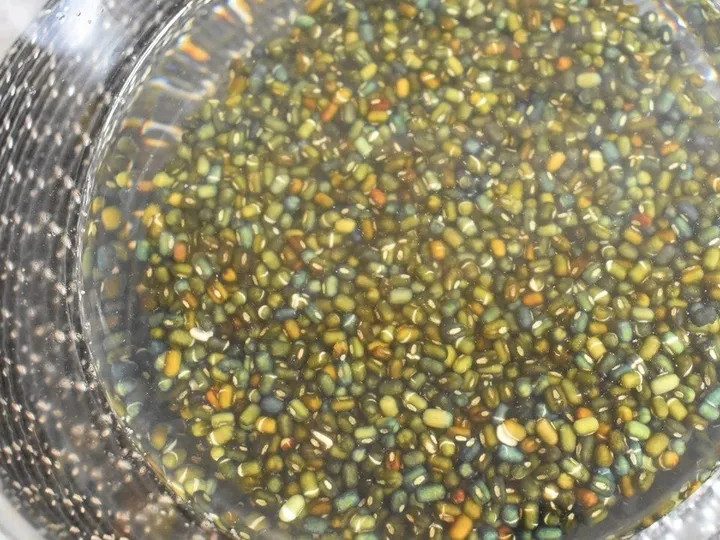
Put the dal in a large pot with about 1 litre of water and bring it to the boil. Keep it boiling for about 1 hour, stirring now and then, skimming off the white foam that rises and topping up with hot water whenever the level drops below the dal. At about 1 hour the dal is almost cooked, soft but still whole.
Tip: Press a grain between your finger and thumb. It should crush easily with no hard centre. If it does not, keep boiling and check every 10 minutes.
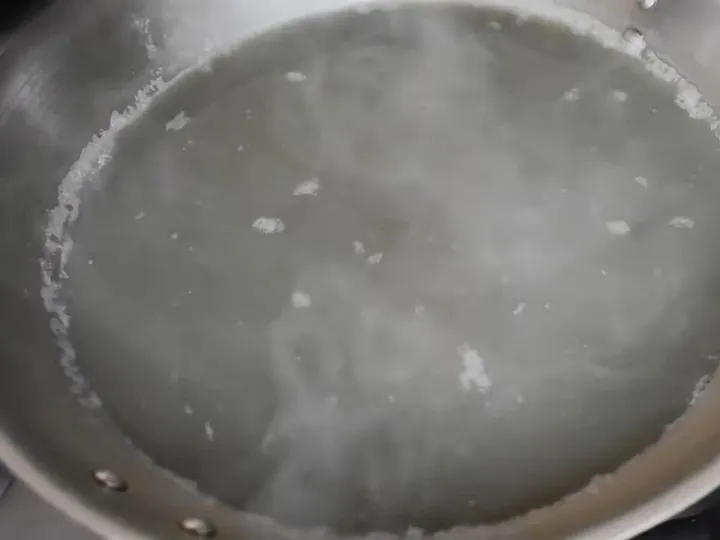
For the gravy, heat the ghee in a pan over medium heat. Add the ginger-garlic paste and sauté it for about a minute, until it stops smelling raw.
✓ Ready when it stops smelling raw
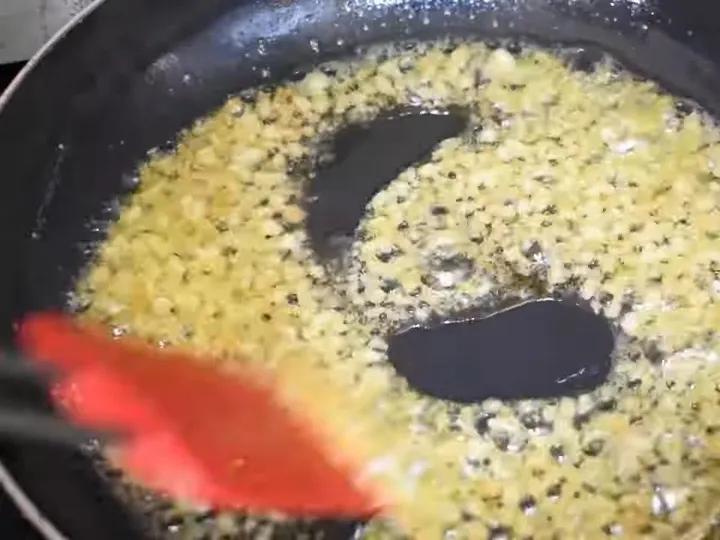
Add the Kashmiri chilli powder and stir for a few seconds, then pour in the tomato purée.
Cook, stirring often, until the purée becomes thick. Add salt to taste and keep cooking until it is a nice, thick gravy with the ghee showing at the edges.
✓ Ready when it is a nice, thick gravy with the ghee showing at the edges
Tip: The gravy is ready when it no longer tastes sharp and the ghee starts to separate around the edges of the pan.
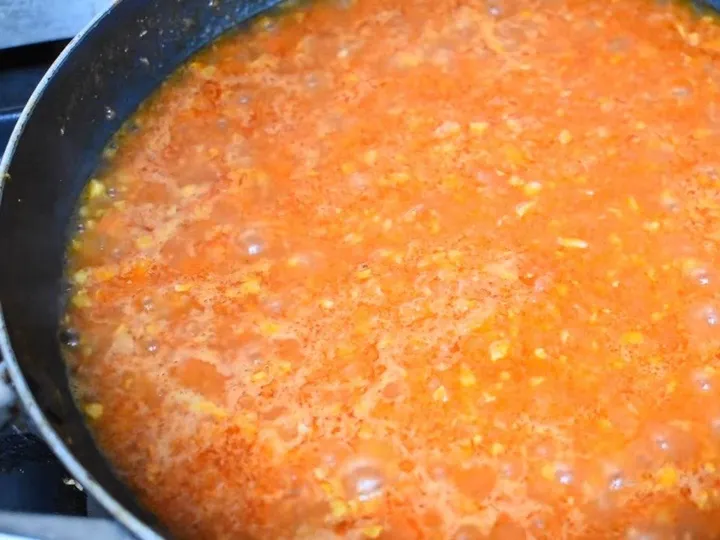
Add the gravy to the boiled dal and mix well.
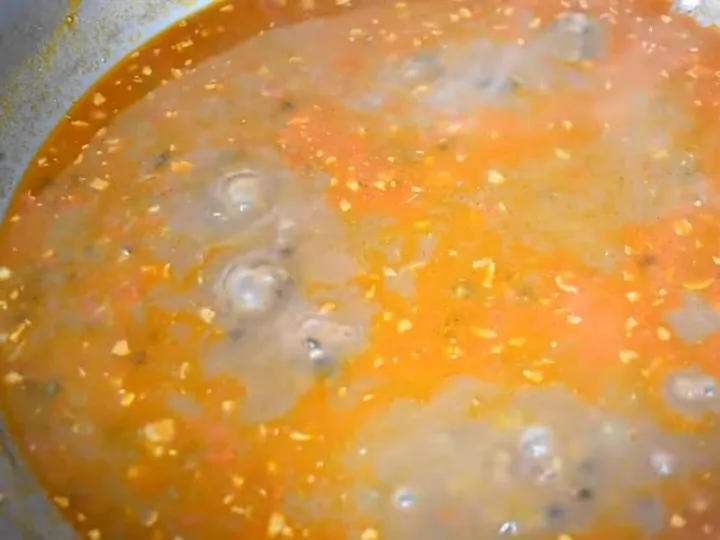
Mash the dal a little with a masher, just enough to break some of the grains and make it creamy. Most of the grains should stay whole.
Cover and simmer on low heat for 10 to 15 minutes, stirring now and then so it does not catch. Taste, and add more salt if needed.
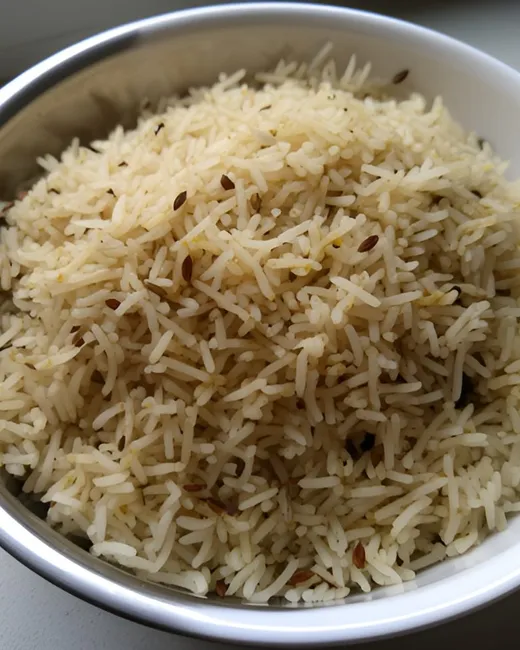
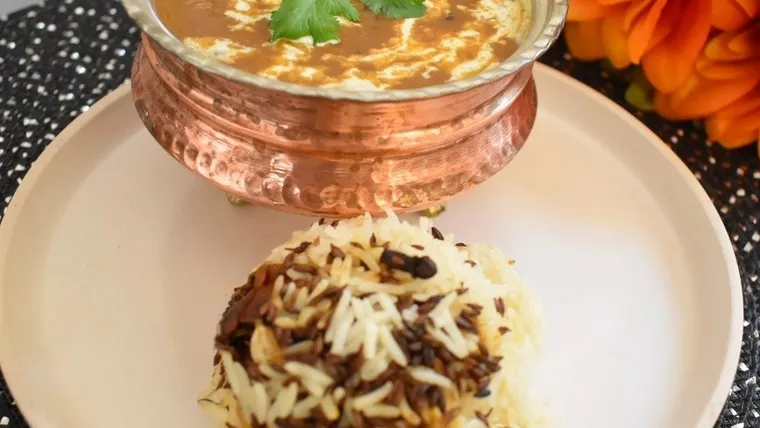
Stir in the butter, swirl the fresh cream over the top if you are using it and scatter over the coriander. Serve hot with jeera rice.
Boiling in a pot → Pressure cooker
Typical timings, not tested by us: cook the soaked dal with about 750 ml water on high heat to the first whistle, then for 25 to 30 minutes on low, and let the pressure drop naturally. Check it is soft, then carry on from step 3.
Fresh cream → Leave it out
The cream is completely optional. The butter and the lightly mashed dal already make it rich and creamy.
Whole urad dal (200 g) → Whole urad dal (150 g) and rajma (50 g)
Adding kidney beans is a common variation. Soak them overnight with the urad, and boil hard for at least 10 minutes at the start: undercooked kidney beans are unsafe to eat.
Cool the dal within 2 hours and refrigerate it in a covered container for up to 3 days. It thickens a lot as it cools, so loosen it with a splash of hot water and reheat until steaming hot all the way through. It freezes for up to 3 months; add the cream after reheating.
Yes, this recipe does. Boil the soaked whole urad in a large pot for about 1 hour, skimming the foam and topping up with hot water, until the grains are soft but whole. Then add the gravy, mash a little and simmer.
Yes. The cream is completely optional. The butter and lightly mashed dal make it creamy on their own; just finish with the butter and coriander.
Usually the dal was not boiled long enough. Whole urad needs about an hour, until a grain crushes easily. Then mash it a little so some grains break and thicken the liquid, and simmer covered for 10 to 15 minutes.
We make it the way we show in our video: ghee, ginger-garlic paste, chilli and tomato, finished with butter. Many other versions add garam masala, kasuri methi (dried fenugreek leaves) or rajma; add a pinch of garam masala or crushed kasuri methi with the butter if you like them.
This recipe is: there is no asafoetida (hing), which is often blended with wheat flour. If you use a ready-made ginger-garlic paste or chilli powder, check the label. It contains milk (ghee, butter and cream).
| Calories | 302 kcal |
|---|---|
| Protein | 14 g |
| Carbohydrates | 35 g |
| Fat | 13 g |
| Fibre | 11 g |
| Sodium | 631 mg |
More in Punjabi Recipes and Indian Curry Recipes. Learn the technique: How to Make a Curry Base (Bhuna Masala).