 PunjabiAI illustration
Dal Tadka Without a Pressure Cooker (Dhaba Style)
1 hr 40 min · Easy
Punjabi kadhi pakora: a curd and besan gravy boiled for an hour, soft besan pakodas and a red chilli tadka. Serves 6 with rice.
By Nomisto KitchenPublished Last tested
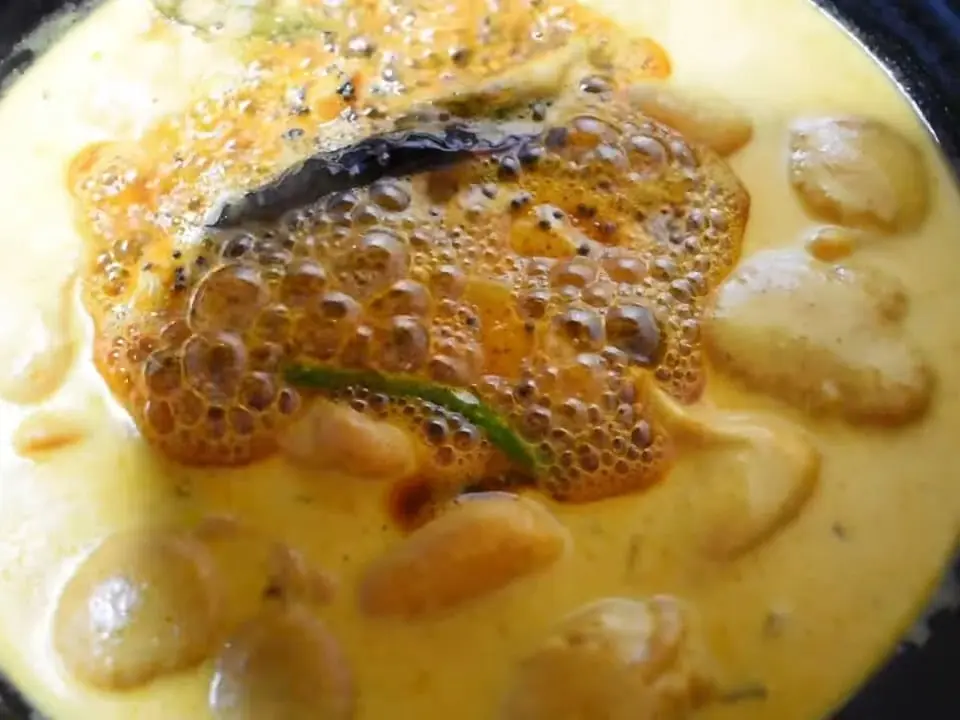
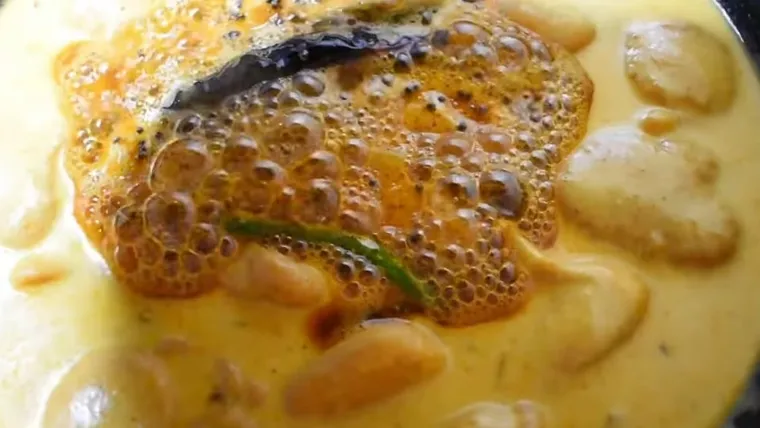
Kadhi pakora is soft besan pakodas simmered in a tangy curd and gram flour gravy. Blend 1 kg curd with 2 tbsp besan, temper mustard oil with hing, turmeric, fenugreek seeds and chillies, sauté potatoes, beans and onion, then add the curd mixture and the same amount of water. Boil for about 1 hour, stirring, fry the pakodas, simmer them in the kadhi for 10 minutes and finish with a chilli tadka. Serves 6 in about 1 hour 35 minutes.
Kadhi pakora is soft besan pakodas in a thick, tangy gravy of curd and gram flour, boiled slowly with a mustard oil tempering and finished with a red chilli tadka. Kadhi is said to have started in Rajasthan and is now made all over India, a little differently in every region; this is our Punjabi-style version with potatoes and onion. It is the recipe from our own kitchen, shown in the video below the method.
Allow about 1 hour 35 minutes: 15 minutes to get ready, about 1 hour for the kadhi to boil, and 20 minutes or so for the pakodas and the final simmer. Serve it with plain rice as kadhi chawal.
Our video makes the Punjabi style. The Gujarati column is general, not tested by us.
| Kadhi | Punjabi (as in our video) | Gujarati (typical) |
|---|---|---|
| Texture | Thick | Thin and smooth |
| Taste | Tangy and spicy | Mild, gently sweet and sour |
| Pakodas | Besan pakodas simmered in it | Usually none |
| Served with | Rice (kadhi chawal) | Rice, khichdi or as part of a thali |

1 hr 35 min · Serves 6 · Easy · Vegetarian
For the pakoda batter, put 1 cup of besan in a bowl with the turmeric, red chilli powder and 1 teaspoon of salt. Add the water slowly, mixing as you go, until you have a thick batter that drops from your hand in soft blobs.
✓ Ready when you have a thick batter that drops from your hand in soft blobs
Mix very well: beat the batter by hand in one direction for a few minutes, until it turns pale, light and fluffy. Set it aside.
Tip: Drop a little batter into a cup of water. If it floats, it has enough air in it; if it sinks, beat it a little longer.
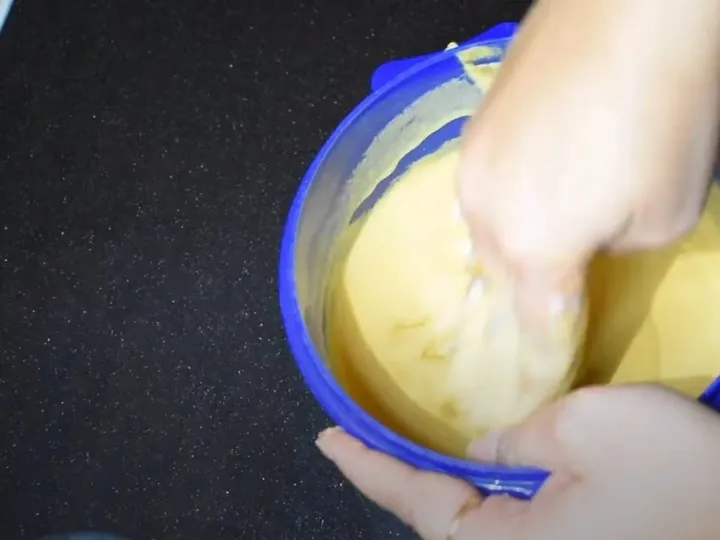
For the kadhi base, put the curd and 2 tablespoons of besan in a blender jar and grind them to a smooth, pouring paste with no lumps. Keep it aside.
Heat the mustard oil in a deep, heavy pan. Add a pinch of hing, then the turmeric and fenugreek seeds, and the red and green chillies if you are using them. Stir for a few seconds, until the seeds darken slightly.
✓ Ready when the seeds darken slightly
Tip: Do not let the fenugreek seeds turn black, or the kadhi will taste bitter.
Add the potatoes and beans if you are using them, and the onion. Sauté them for a few minutes, until the onion softens. If you don't want vegetables, skip them completely.
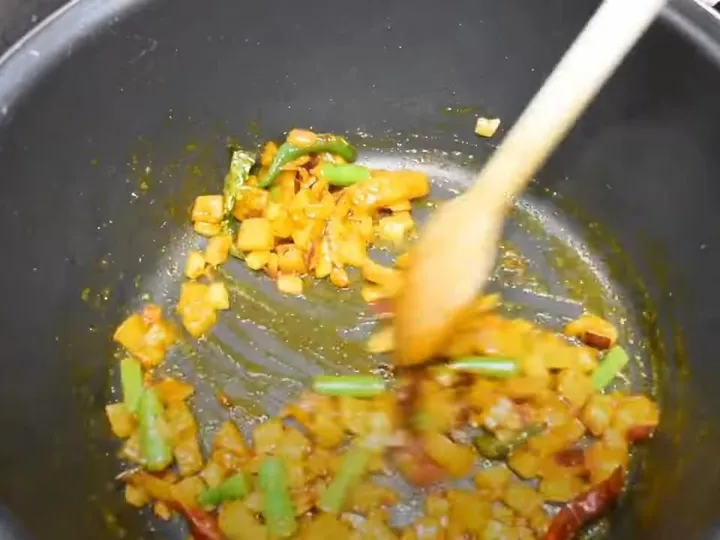
Pour in the curd and besan mixture, then add the same quantity of water, about 1 litre. Stir in the roasted cumin powder and 2 teaspoons of salt.
Bring the kadhi to the boil over medium heat, stirring constantly until it boils. Then let it bubble gently for about 1 hour, stirring now and then, until it thickens, the raw besan taste has gone and the potatoes are soft. Taste and adjust the salt.
Tip: If it gets too thick before the hour is up, add a splash of hot water.
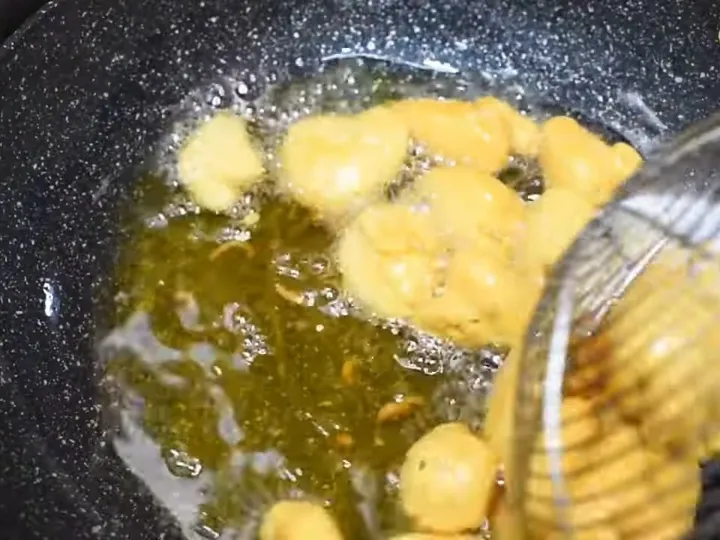
Meanwhile, heat the oil for frying over medium heat. Drop in the pakoda batter in small spoonfuls, one by one, and fry them, turning, until golden brown. Lift them out onto kitchen paper.
Tip: Medium-hot oil cooks the pakodas through. If the oil is too hot, they brown outside while staying raw inside.
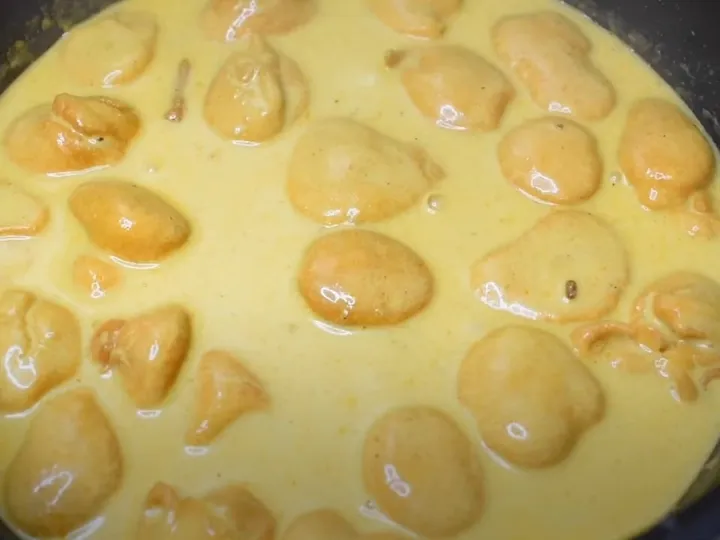
Turn the heat under the kadhi to low and add the pakodas. Cover and let it cook for 10 more minutes on a slow flame, so the pakodas soak up the kadhi.
For the final tadka, heat the ghee or oil in a small pan. Add the dried red chillies and green chilli, take it off the heat, stir in the Kashmiri chilli powder and pour it straight over the kadhi. Serve hot with rice, as kadhi chawal.
Potatoes, beans and onion → Leave them out
As we say in our video, the vegetables are optional. Skip them completely for a plain kadhi with just the pakodas.
Mustard oil (1/2 cup) → Mustard oil (2 to 3 tbsp)
Our video uses 1/2 cup for the tempering. Less oil works and gives a lighter kadhi; the flavour of the tempering is a little milder.
Oil in the final tadka → Ghee
Ghee gives the tadka a richer, nutty flavour. Use 1 tbsp in the same way.
Cool within 2 hours and refrigerate in a covered container for up to 3 days. The kadhi thickens and the pakodas soften as it stands, so loosen it with a splash of hot water and reheat gently, stirring, until steaming hot all the way through. If you can, store the fried pakodas separately and add them when you reheat.
Curd splits when it heats too fast without stirring. Blending it smoothly with besan first helps hold it together. Then stir constantly until the kadhi boils, and only after that let it bubble on its own, stirring now and then.
Yes. The kadhi on its own, with or without the potatoes and beans, is good with rice. Skip the batter and frying, boil the kadhi as usual and finish with the tadka.
Punjabi kadhi is thick, tangy and spicy, usually served with besan pakodas and rice. Gujarati kadhi is thinner, smoother and gently sweet, usually made without pakodas and often tempered with ghee, cumin, cloves and curry leaves. Both are made from curd and gram flour.
The long boil cooks the raw taste out of the besan and thickens the kadhi. Our video boils it for about 1 hour, until it is thick and the potatoes are soft.
Not as written. Besan is made from chickpeas, but asafoetida (hing) is often blended with wheat flour. Use a gluten-free hing, or leave it out, and check the labels on your spice powders. It contains milk (curd and ghee).
| Calories | 456 kcal |
|---|---|
| Protein | 12 g |
| Carbohydrates | 27 g |
| Fat | 34 g |
| Fibre | 4 g |
| Sodium | 1256 mg |
More in Punjabi Recipes and Indian Curry Recipes. Learn the technique: Indian Spices: A Practical Guide.