
Thinking about what to eat first thing in the morning when you’re trying to shed some pounds? It’s a common question, and honestly, there’s no single magic answer. But the good news is, you don’t have to go hungry or eat bland food. Figuring out what is a healthy breakfast to lose weight is all about making smart choices that keep you full and energized without packing in too many calories. Let’s break down how to build a breakfast that works for your body and your goals.
Key Takeaways
- A good breakfast for weight loss includes protein and fiber to help you feel full longer and manage cravings.
- Focus on whole grains and healthy fats, rather than refined carbs and sugary items, to fuel your day.
- There isn’t one perfect breakfast; the best approach is finding a balanced, satisfying meal that fits your calorie needs and helps you stick to your weight loss plan.
What Is a Healthy Breakfast to Lose Weight?
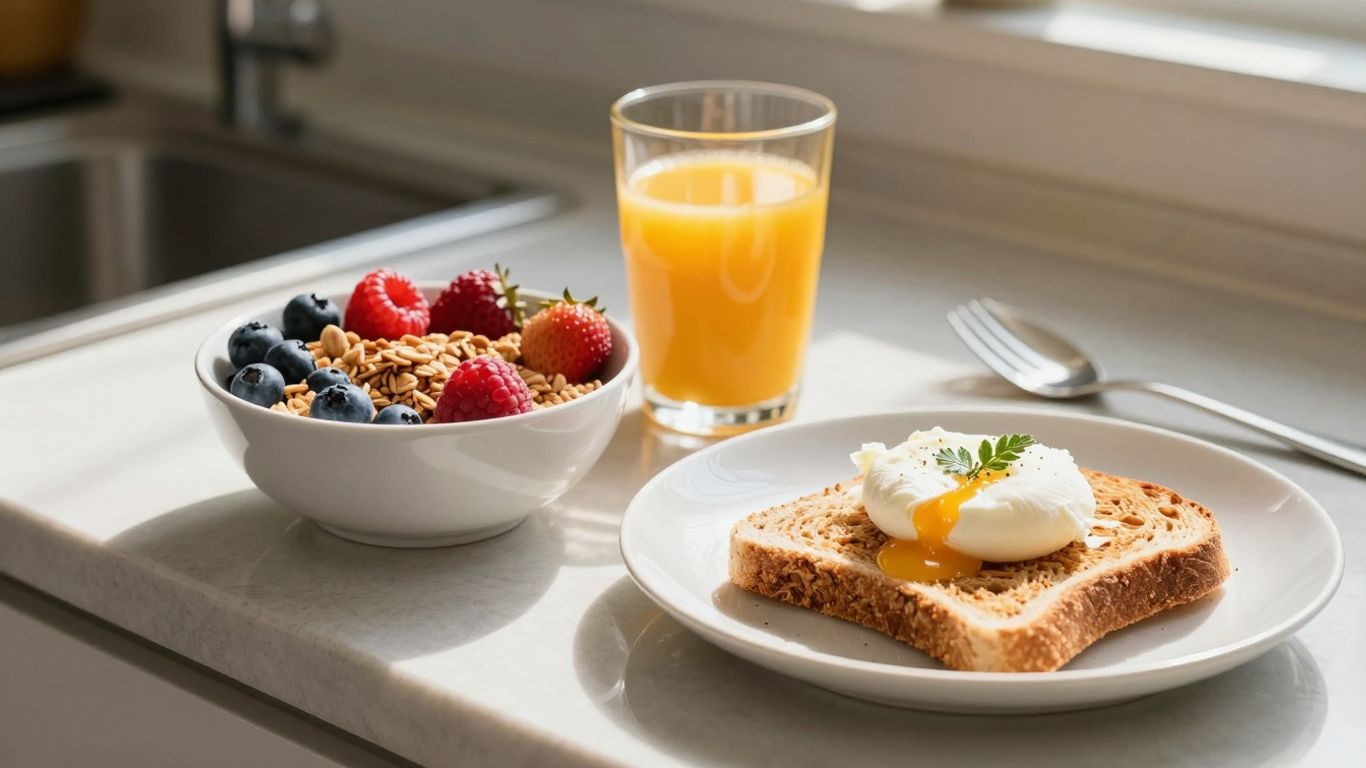
Understanding the Role of Breakfast in Weight Management
So, you’re trying to shed a few pounds and wondering about breakfast. It’s a bit of a confusing topic, honestly. For years, everyone said it was the most important meal, the key to kicking off your metabolism and keeping cravings away. But then, other studies popped up saying skipping breakfast might actually help some people eat less overall. It’s enough to make your head spin, right?
Here’s the thing: there’s no magic breakfast that works for everyone trying to lose weight. Your body is unique, and what works for your neighbor might not work for you. The real goal is to eat fewer calories than you burn, and breakfast can play a part in that. It’s not about starving yourself, though. It’s about giving your body good fuel that keeps you satisfied.
Think about it like this: if you skip breakfast and then feel like a ravenous wolf by lunchtime, you’re probably going to overeat. But if you have a solid breakfast, you might feel more in control. It really comes down to listening to your body. If you wake up hungry, eat. If you’re not really feeling it until later, that’s okay too. Just don’t force it.
What you eat for breakfast can set the tone for the rest of your day. Starting with sugary pastries or drinks might just lead to more sugar cravings later on. It’s like opening the door to a whole day of wanting sweets.
Key Components of a Weight-Loss Friendly Breakfast
When you do decide to eat breakfast, especially if weight loss is on your mind, you want to make it count. Forget those dry pieces of toast or just a plain piece of fruit. We’re talking about a meal that actually fills you up and keeps you going.
Here are the main things to aim for:
- Protein: This is a big one. Protein helps you feel full for longer, which means you’re less likely to reach for snacks between meals. Think eggs, Greek yogurt, cottage cheese, or even plant-based options like tofu or protein powder.
- Fiber: Just like protein, fiber is a champion at keeping hunger at bay. It also helps slow down digestion and can keep your blood sugar more steady. Good sources include fruits, vegetables, whole grains, nuts, and seeds.
- Whole Grains: These provide sustained energy. Instead of refined white bread, go for things like oatmeal, whole-wheat toast, or quinoa. They have more fiber and nutrients.
- Healthy Fats: A little bit of healthy fat can also contribute to feeling satisfied. Avocado, nuts, and seeds are great choices.
Aiming for a breakfast that includes a good mix of these components can make a real difference in how you feel and how well you stick to your eating plan throughout the day. It’s about building a balanced meal, not just grabbing something quick.
Fueling Your Fat Loss Goals with Smart Breakfast Choices
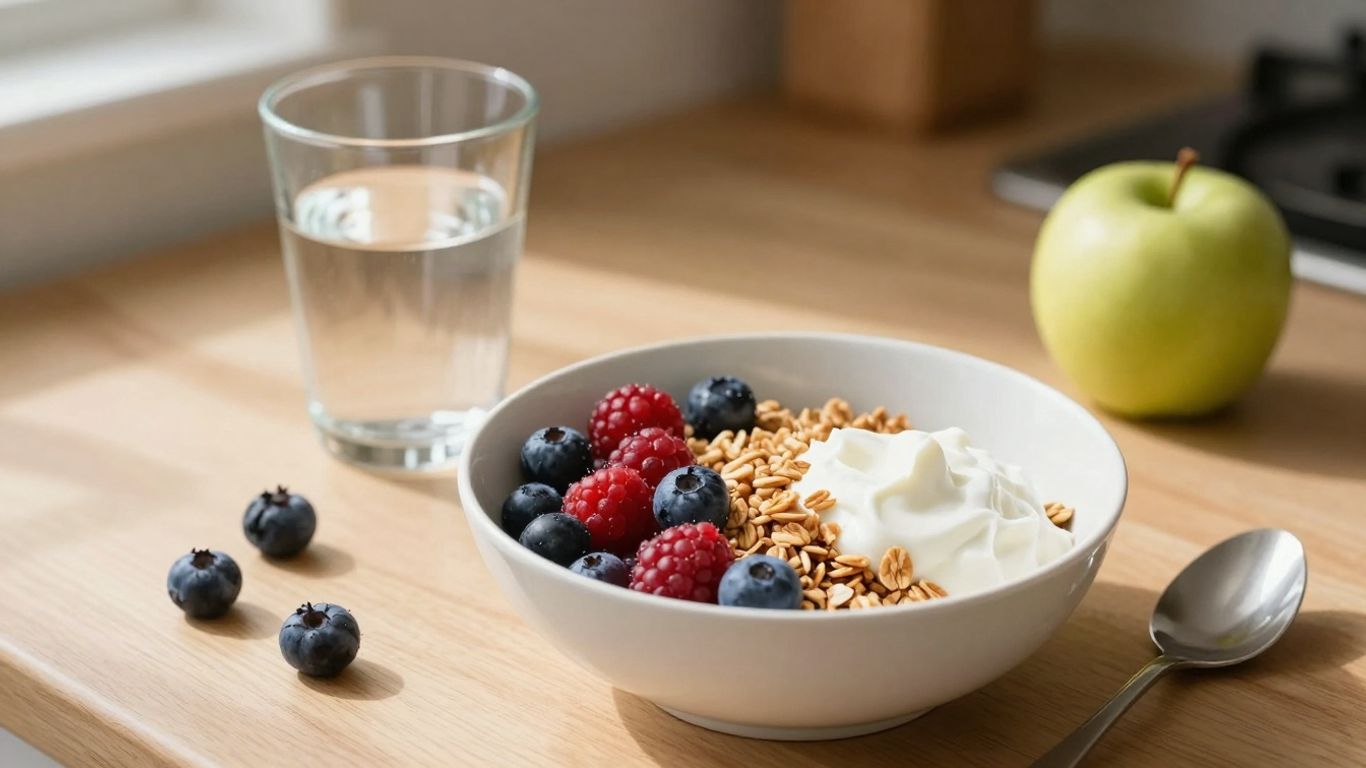
Okay, so we know breakfast is important, but what exactly makes it a good choice when you’re trying to shed some pounds? It’s not about some magic food, but more about picking things that keep you feeling full and satisfied, so you’re not eyeing up snacks an hour later. The goal is to set yourself up for a day of good choices, not to feel deprived.
Prioritizing Protein and Fiber for Sustained Fullness
Think of protein and fiber as your breakfast’s best friends when it comes to weight loss. Protein takes a while to digest, which helps keep hunger pangs at bay. Fiber does something similar, and it also plays a role in how your body handles blood sugar. When your blood sugar stays steady, you’re less likely to get those energy crashes that lead to cravings.
Here’s a breakdown of why they’re so good:
- Protein: Keeps you feeling full longer, helps maintain muscle mass (which is good for metabolism), and can even improve your mood and focus.
- Fiber: Slows down digestion, helps manage blood sugar levels, and feeds the good bacteria in your gut, which might also help with appetite control.
So, what does this look like on your plate? It means looking for options like:
- Eggs (scrambled, boiled, however you like them)
- Greek yogurt or cottage cheese
- Lean meats or fish
- Tofu or tempeh
- Beans or lentils
- Whole grains like oats or whole-wheat bread
- Fruits and vegetables (they’re packed with fiber!)
Starting your day with a good dose of protein and fiber can really make a difference in how you feel and what you eat for the rest of the day. It’s about building a solid foundation.
Incorporating Whole Grains and Healthy Fats
Beyond protein and fiber, don’t forget about whole grains and healthy fats. Whole grains provide sustained energy, unlike the quick spike and crash you get from refined carbs. They also contribute more fiber. Healthy fats, while calorie-dense, are super important for keeping you satisfied and can help with nutrient absorption. They also contribute to that feeling of fullness.
Here are some ideas for adding these in:
- Whole Grains: Opt for things like oatmeal, quinoa, or 100% whole-wheat toast instead of white bread or sugary cereals. They give you energy that lasts.
- Healthy Fats: Think avocado, nuts, seeds (like chia or flax), and olive oil. A little bit goes a long way in making your meal more satisfying.
Putting it all together might look like:
- Oatmeal made with water or unsweetened milk, topped with berries, a sprinkle of nuts, and a dash of cinnamon.
- Whole-wheat toast with mashed avocado and a sprinkle of red pepper flakes.
- A smoothie made with spinach, protein powder, a bit of fruit, and a spoonful of almond butter.
Remember, variety is key. Eating the same thing every single day can get boring, and you might miss out on different nutrients. Mixing up your protein sources, fruits, and veggies will keep things interesting and ensure you’re getting a wider range of goodness. It’s about finding a balance that works for you and keeps you on track with your goals.
Wrapping Up Your Fat Loss Breakfast
So, there you have it. Figuring out the ‘perfect’ breakfast for weight loss can feel like a puzzle, but it doesn’t have to be complicated. The main takeaway is that focusing on protein and fiber is a solid strategy to keep you feeling full and satisfied, which helps manage those pesky cravings. Don’t stress too much about exact timings or ditching breakfast if you’re not hungry. Instead, listen to your body and build a breakfast that works for you, packed with good stuff like whole grains, fruits, and healthy fats. Mixing things up keeps it interesting and ensures you get a good range of nutrients. Ultimately, a balanced breakfast sets a positive tone for your day and supports your overall journey to reaching your weight goals.
Frequently Asked Questions
Does skipping breakfast help with weight loss?
While some people think skipping breakfast saves calories, it’s not always the best strategy. For many, skipping breakfast can lead to feeling hungrier later, causing them to overeat or choose less healthy snacks. Eating a balanced breakfast can actually help manage your appetite throughout the day and set a better tone for your eating habits.
What are the most important things to include in a weight-loss breakfast?
To feel full and satisfied, focus on including protein and fiber in your breakfast. Protein helps you feel full longer, and fiber aids digestion and also helps keep hunger at bay. Think about adding things like eggs, Greek yogurt, or beans for protein, and fruits, vegetables, or whole grains for fiber.
Can I eat carbs for breakfast if I’m trying to lose weight?
Yes, you can! The key is to choose the right kinds of carbs. Instead of sugary cereals or white bread, opt for whole grains like oatmeal, whole-wheat toast, or quinoa. These ‘complex’ carbs take longer to digest, provide sustained energy, and are packed with fiber, which is great for keeping you full.