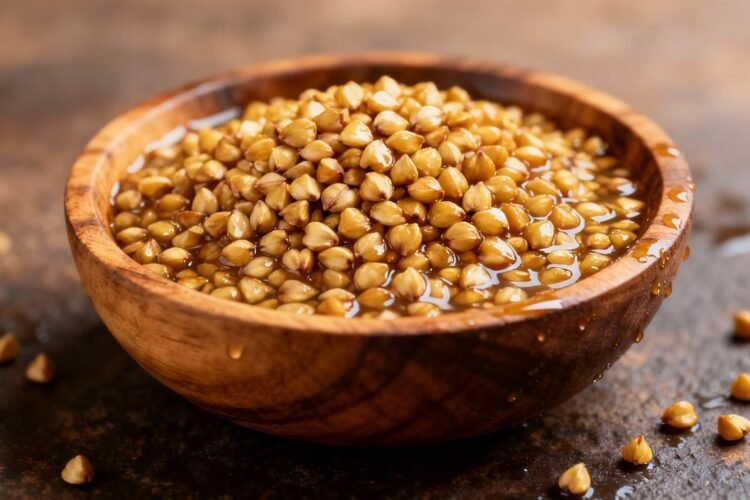
So, I’ve been hearing a lot about buckwheat lately. It seems like everyone’s talking about how good it is for you and how you can use it in so many different dishes. I was a bit skeptical at first, thinking it might be complicated or taste weird, but honestly, it’s surprisingly easy to work with. Especially when you soak it! Soaked buckwheat, or activated buckwheat as some call it, seems to be the real star. It’s supposed to be easier to digest and unlocks even more of its goodness. Let’s figure out how to make this stuff and what to do with it.
Key Takeaways
- Soaked buckwheat, also known as activated buckwheat, is a nutritious seed that’s naturally gluten-free and packed with fiber, protein, vitamins, and minerals.
- Preparing soaked buckwheat involves soaking the groats for several hours or overnight, then rinsing them well. This process can make them easier to digest.
- Soaked buckwheat can be used in various ways, from crunchy toppings for yogurt and salads to being incorporated into breakfast bowls, smoothies, or even baked goods.
Understanding Soaked Buckwheat
What is Buckwheat?
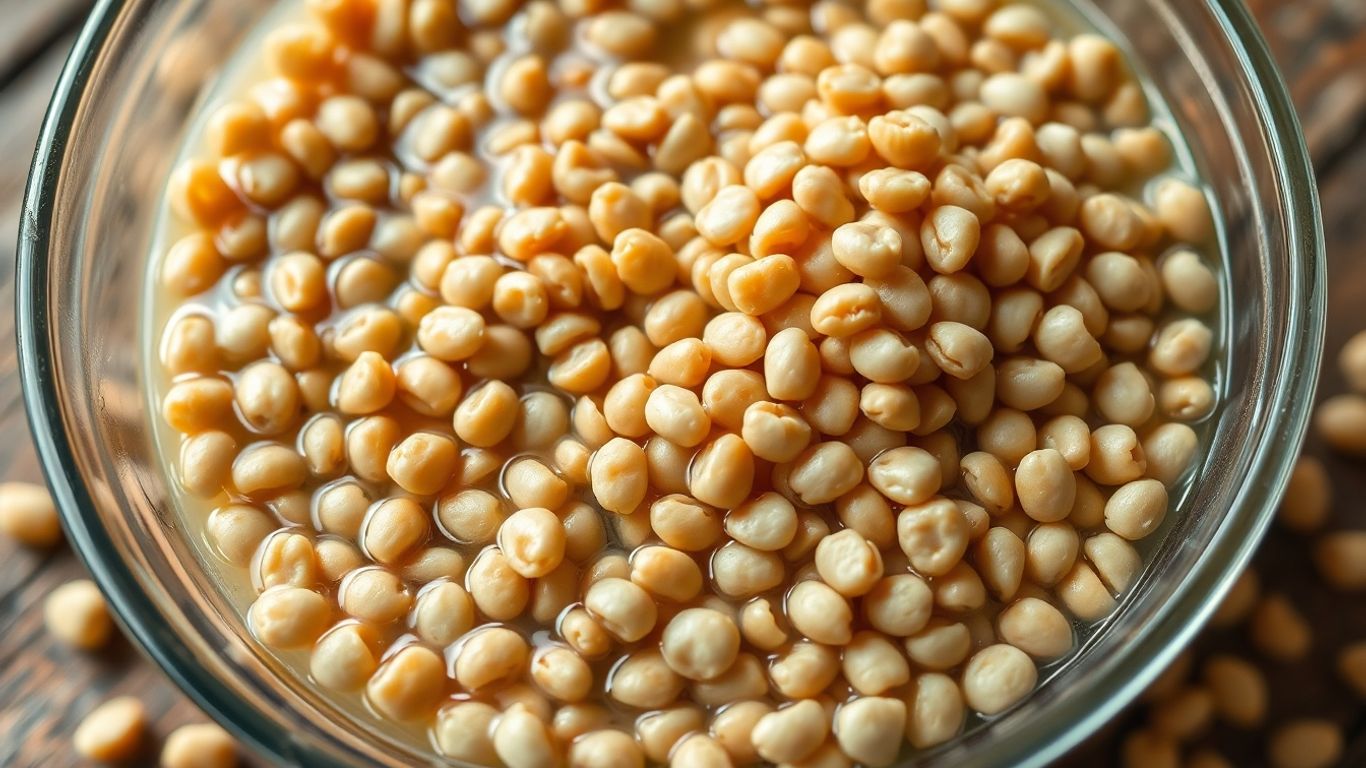
Buckwheat might sound like it’s related to wheat, but it’s actually not a grain at all. It’s more like a cousin to rhubarb! These little triangular seeds are often called "pseudocereals" because we use them like grains in cooking. They’re naturally gluten-free, which is a big win for a lot of people. You can find them as whole groats, which are the seeds after the outer hull is removed, or ground into flour. Buckwheat has this earthy, nutty flavor that gets even better when you toast it, turning it into something called kasha.
Nutritional Powerhouse: Benefits of Soaked Buckwheat
Soaking buckwheat, often called "activating" it, does more than just make it easier to digest. It actually wakes up the nutrients inside, making them more available for your body to use. Think of it like giving the seeds a little nudge to get ready for action.
Here’s a look at why buckwheat is so good for you:
- Packed with Good Stuff: Buckwheat is loaded with fiber, protein, and important vitamins like B vitamins. It also brings minerals to the table, such as magnesium and manganese.
- Heart Friendly: The fiber in buckwheat can help keep your cholesterol in check, which is good news for your heart.
- Blood Sugar Balance: It has a low glycemic index, meaning it doesn’t cause your blood sugar to spike and drop suddenly. This is helpful for keeping energy levels steady.
- Digestive Aid: All that fiber is great for keeping your digestive system running smoothly.
- Antioxidant Boost: Buckwheat contains compounds that act as antioxidants, helping to protect your body from damage.
Soaking buckwheat isn’t just a cooking step; it’s a way to make this already nutritious seed even better. It softens them up, reduces phytic acid (which can block nutrient absorption), and makes them easier on your stomach. Plus, it can lead to a slightly different texture and flavor profile that’s really pleasant.
Preparing and Cooking Soaked Buckwheat
Soaking buckwheat is a pretty simple process, but getting it just right for cooking takes a little know-how. It’s not complicated, but paying attention to a few details makes a big difference in the final dish. You’ll want to start with raw buckwheat groats, not the pre-toasted kind if you’re aiming for that activated texture.
The Soaking and Activation Process
This is where the magic really begins. Soaking, or ‘activating’ as some call it, helps make the buckwheat easier to digest and can even improve its texture. It’s not a super long process, but it does require a bit of planning.
Here’s a basic rundown:
- Rinse Thoroughly: Start by giving your buckwheat groats a good rinse under cold running water. Use a fine-mesh sieve for this. You want to get rid of any dust or debris.
- Soak: Place the rinsed groats in a bowl and cover them with plenty of fresh water. A good rule of thumb is to use at least twice as much water as buckwheat. Let them soak for anywhere from 4 to 12 hours. Overnight is usually perfect.
- Drain and Rinse Again: After soaking, drain the water and rinse the groats one more time. They’ll look a bit softer and maybe even a little plump.
Some folks like to dehydrate the soaked buckwheat until it’s crispy. This "activated" buckwheat is fantastic for adding crunch to things like yogurt bowls or salads, or just for snacking straight from the bag. It’s a game-changer for texture!
Cooking Buckwheat to Perfection
Once your buckwheat is soaked (and maybe activated, if you went that route), it’s time to cook it. It’s pretty similar to cooking rice, honestly. The goal is to get it tender but not mushy.
Here’s a simple method:
- Ratio is Key: For every 1 cup of soaked buckwheat, you’ll want about 1 ¾ to 2 cups of liquid. Water works fine, but broth adds extra flavor.
- Simmer Down: Combine the soaked buckwheat and your chosen liquid in a saucepan. Add a pinch of salt if you like. Bring it to a boil, then immediately reduce the heat to low, cover the pot, and let it simmer. This usually takes about 15-20 minutes.
- Rest and Fluff: Once the liquid is absorbed and the buckwheat is tender, take it off the heat. Let it sit, covered, for another 5 minutes. Then, gently fluff it with a fork. Avoid stirring too much, as this can make it gummy.
| Cooking Method | Liquid Ratio (Buckwheat:Liquid) | Approximate Cook Time | Texture Goal |
|---|---|---|---|
| Stovetop Simmer | 1:1.75 to 1:2 | 15-20 minutes | Tender, fluffy |
| Steaming | N/A (uses steam) | 8-10 minutes | Slightly firm |
Cooked buckwheat is super versatile. You can serve it warm as a side dish, let it cool for salads, or even mix it into breakfast bowls. Just remember to store any leftovers in an airtight container in the fridge and try to reheat only what you plan to eat to keep it tasting its best.
Delicious Ways to Enjoy Soaked Buckwheat
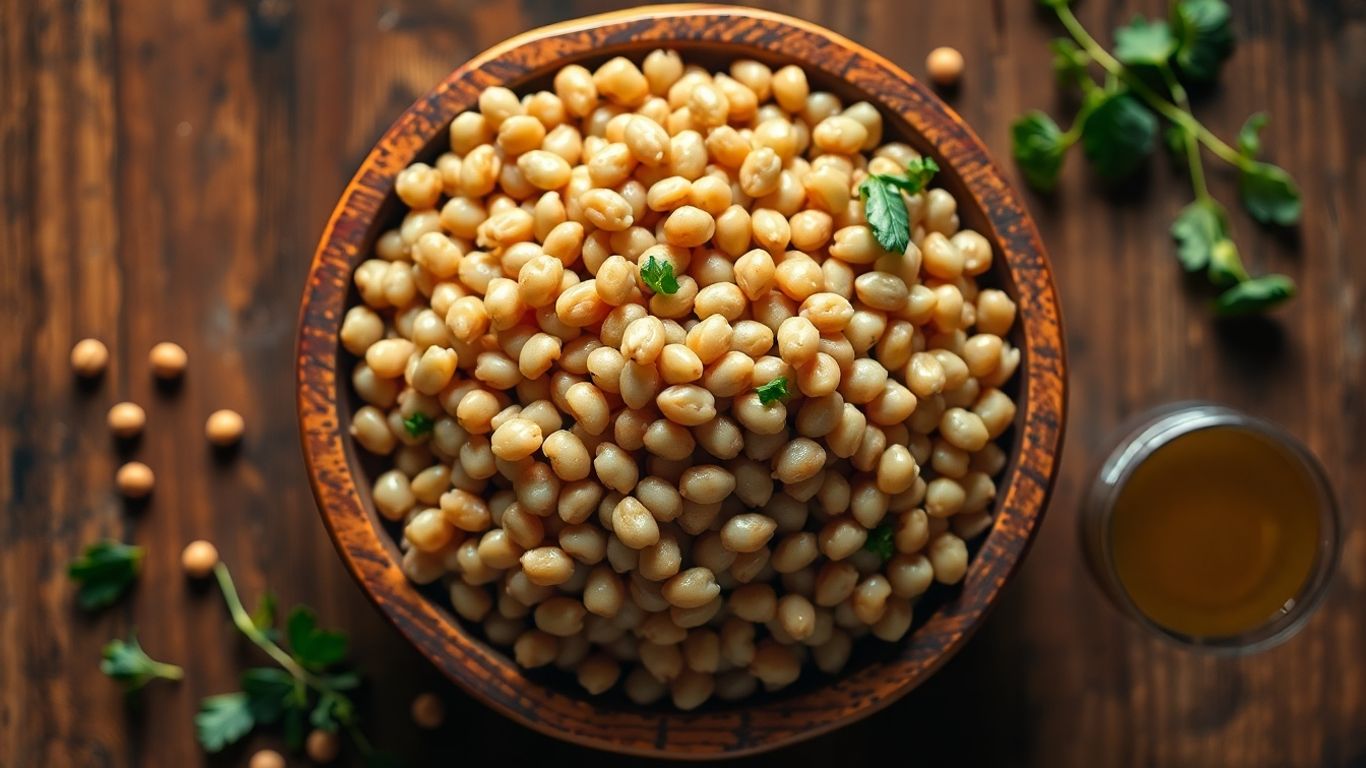
Soaked buckwheat isn’t just a health food fad; it’s a genuinely versatile ingredient that can jazz up your meals in so many ways. Once you’ve gone through the soaking and rinsing process, you’ve got this fantastic base that’s ready for anything. It’s got a mild, nutty flavor that doesn’t overpower other ingredients, which is a big plus in my book.
Activated Buckwheat Snacks and Toppings
This is where soaked buckwheat really shines for me. After soaking, you can dehydrate or bake it until it’s nice and crispy. This "activated" buckwheat is amazing. Think of it like a super-powered granola or a crunchy addition to just about anything.
- Yogurt Parfaits: Sprinkle a tablespoon or two over your morning yogurt and fruit. It adds a satisfying crunch that plain granola sometimes lacks.
- Salad Booster: Toss a handful into your salads for extra texture and a nutty bite. It holds up well and doesn’t get soggy.
- Trail Mix Component: Mix it with nuts, seeds, and dried fruit for a homemade trail mix that’s perfect for on-the-go energy.
- Smoothie Topping: A little sprinkle on top of your smoothie bowl gives it that extra something.
Dehydrating soaked buckwheat until it’s crisp transforms it into a delightful snack. It’s a simple way to add texture and a wholesome crunch to your day without a lot of fuss.
Incorporating Soaked Buckwheat into Meals
Beyond snacks, cooked soaked buckwheat is a fantastic addition to main dishes and sides. It cooks up similarly to rice, becoming fluffy and tender. The key is not to overcook it, so it retains a pleasant bite.
Here’s a basic guide for cooking it for meals:
- Rinse: Always rinse your soaked buckwheat well under cold water.
- Ratio: Use about 1 part buckwheat to 1.75 or 2 parts liquid (water or broth).
- Simmer: Bring to a boil, then reduce heat, cover, and simmer for about 15-20 minutes until the liquid is absorbed and the grains are tender.
- Rest & Fluff: Let it sit, covered, off the heat for a few minutes, then fluff gently with a fork.
Once cooked, the possibilities are pretty wide open:
- Grain Bowls: Use it as the base for a hearty grain bowl, topped with roasted vegetables, beans, and your favorite sauce.
- Side Dish: Serve it simply seasoned with a little salt, pepper, and maybe a pat of butter or a drizzle of olive oil. It’s a great alternative to rice or quinoa.
- Soups and Stews: Stir it into soups or stews during the last 10 minutes of cooking to add body and nutrients.
- Breakfast Porridge: Mix it with oats or cook it on its own with milk (dairy or non-dairy) and your favorite sweeteners and fruits for a warm breakfast.
The subtle, earthy flavor of buckwheat makes it a surprisingly adaptable grain that can be enjoyed in both sweet and savory dishes. It’s a simple swap that can make your meals more nutritious and interesting.
Ready to Get Cooking?
So, there you have it. Buckwheat, especially when soaked, is pretty amazing. It’s not just some trendy health food; it’s a genuinely useful ingredient that can make your meals better and healthier. Whether you’re tossing it into a salad, making a warm breakfast bowl, or even trying out those crunchy activated bits, it’s a solid choice. Don’t be afraid to experiment in the kitchen with it. You might be surprised at how easy it is to work with and how good it tastes. Give it a shot, and see what delicious things you can whip up!
Frequently Asked Questions
What exactly is buckwheat, and is it a type of wheat?
Even though it has ‘wheat’ in its name, buckwheat isn’t actually wheat at all! It’s more like a cousin to rhubarb and is technically a seed. This makes it naturally gluten-free, which is great news for people who can’t eat gluten.
Why should I soak buckwheat before cooking or eating it?
Soaking buckwheat, often called ‘activating’ it, helps make it easier for your body to digest. It also can make it a bit crunchier, which is perfect for snacks or adding texture to your meals.
How can I store cooked buckwheat?
Once your buckwheat is cooked and has cooled down, you can store it in an airtight container in the refrigerator. It’s best to only reheat the amount you plan to eat to keep it tasting great and having the best texture.