
Ever wonder why that butter chicken from your favorite restaurant just hits different? You know, that super tender chicken and the rich, smooth sauce that’s just… perfect. Well, it turns out, it’s not some secret magic. It’s more about a few smart steps and a bit of patience. We’re going to break down how to get that restaurant-style butter chicken recipe right in your own kitchen. Get ready, because your homemade version is about to get a serious upgrade.
Key Takeaways
- Marinating the chicken properly, ideally overnight, is key for tenderness and flavor. Using a little raw papaya paste or full-cream yogurt can really help break down the proteins.
- The sauce’s richness comes from a slow-cooked tomato and onion base, aiming for a 2:1 ratio of tomatoes to onions and cooking until the oil separates, which concentrates the flavors.
- Achieving that restaurant taste involves specific techniques like slow-cooking the gravy until the oil glistens on top, using kasuri methi for its unique aroma, and adding cream at the very end, off the heat.
Mastering The Marination For Authentic Butter Chicken
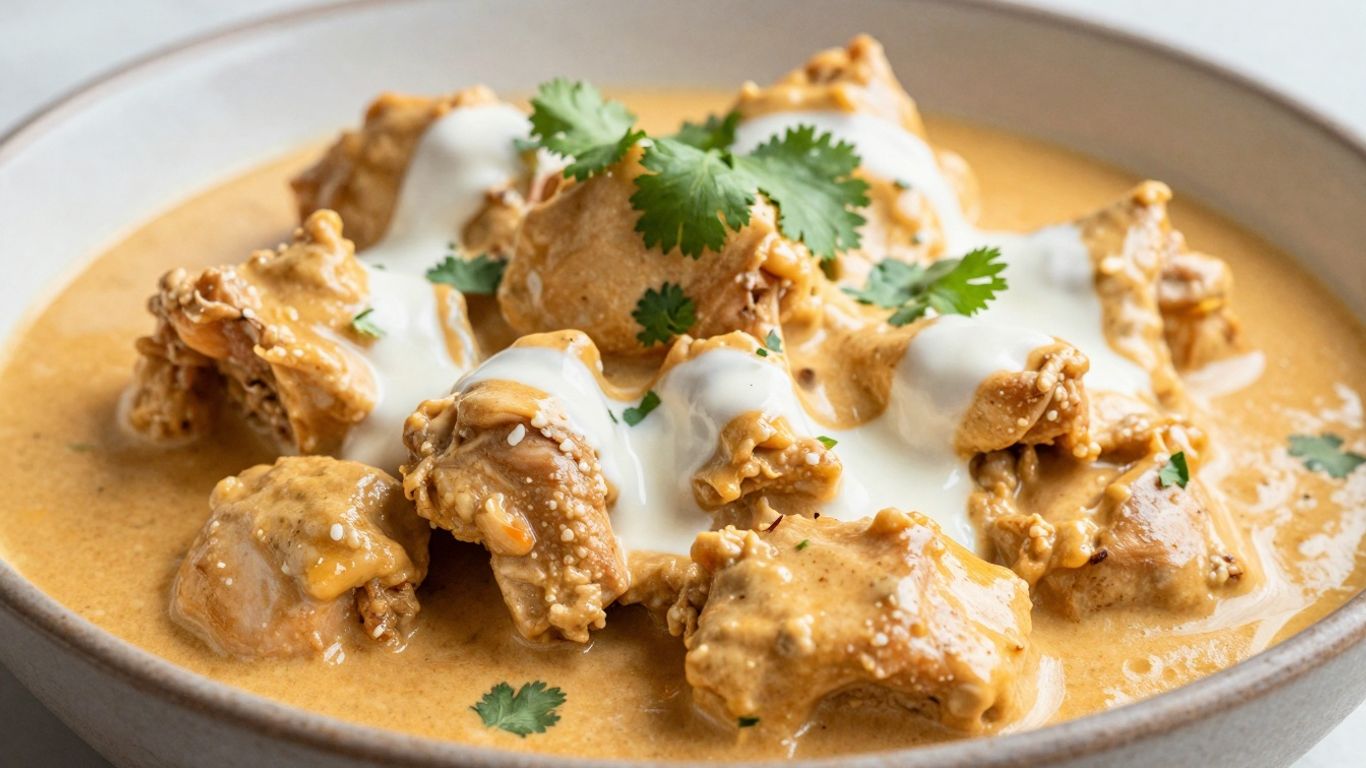
Alright, let’s talk about the chicken. This is where the magic really starts, long before anything hits the pan. Getting the chicken right is half the battle for that restaurant-style taste we’re all chasing. It’s not just about throwing some spices on it; there’s a bit of a science to it, and honestly, it makes a huge difference.
The Science Behind Tender Chicken
So, why yogurt? It’s not just for flavor. Yogurt is acidic, and that acidity works wonders on meat. It starts to break down the tough protein fibers in the chicken, making it incredibly tender. Think of it like a gentle marinade that tenderizes without making the chicken mushy. Plus, the spices and aromatics in the marinade get a chance to really soak in, giving you a much deeper flavor in every bite. We’re talking about chicken that’s not just cooked, but infused with taste.
Overnight Marination: A Flavor Game-Changer
Now, about the time. You can marinate chicken for 30 minutes and get decent results, but if you want that truly authentic, melt-in-your-mouth texture and flavor, you need to let it sit. Leaving the chicken to marinate overnight in the fridge is the secret weapon. This gives the yogurt and spices ample time to work their magic. The longer it sits, the more tender and flavorful the chicken becomes. It’s a simple step, but it’s the one that separates good butter chicken from great butter chicken.
Here’s a basic breakdown of what goes into a good marinade:
- Yogurt: Full-fat plain yogurt is best. It’s creamy and has the right acidity.
- Ginger-Garlic Paste: Freshly made is always superior for that punchy flavor.
- Lemon Juice: Adds a bit of brightness and helps with tenderizing.
- Spices: This is where you build the base flavor. Think Kashmiri red chili powder for color (not too much heat!), a touch of garam masala, maybe some turmeric, and salt.
Don’t be afraid to get your hands in there and really massage the marinade into the chicken pieces. Make sure every single bit is coated. This ensures even cooking and maximum flavor distribution. It might seem a little messy, but it’s worth it.
Here’s a simple marinade recipe to get you started:
| Ingredient | Quantity |
|---|---|
| Boneless Chicken Thighs | 1.5 lbs |
| Plain Yogurt | 1 cup |
| Ginger-Garlic Paste | 2 tbsp |
| Lemon Juice | 1 tbsp |
| Kashmiri Red Chili Powder | 1.5 tsp |
| Garam Masala | 1 tsp |
| Turmeric Powder | 1/2 tsp |
| Salt | 1 tsp (or to taste) |
Mix everything together really well in a bowl, add your chicken pieces, and give it a good toss. Then, cover it up and pop it in the fridge. The longer it rests, the better. Seriously, try to go for at least 8 hours, or even a full 24 if you can. Your taste buds will thank you later.
Crafting The Silky Smooth Makhni Gravy
The sauce is really the heart of butter chicken, isn’t it? Getting that rich, velvety texture and deep flavor takes a little patience, but it’s totally worth it. Forget those jarred sauces; we’re making the real deal.
Achieving The Perfect Tomato-Onion Ratio
This is where a lot of the magic happens. You want a balance – not too sweet from the tomatoes, not too sharp from the onions. A good starting point is usually more tomatoes than onions, but it can depend on how ripe your tomatoes are. We’re going to cook them down until they’re super soft, almost like a paste, before we even think about blending.
Here’s a basic ratio to get you going:
| Ingredient | Quantity (approx.) |
|---|---|
| Ripe Tomatoes | 4 large |
| Onions | 2 medium |
| Cashews | 10-12 |
Don’t skip the cashews! They add a subtle creaminess and body to the sauce that’s hard to get otherwise. Just make sure they’re soaked or cooked well so they blend in smoothly.
The Art Of Slow-Cooking The Gravy Base
Once you’ve got your tomato and onion mixture cooked down and blended into a super smooth paste, the real work begins. You’ll want to cook this paste down again, this time in butter and a little oil. This step is key for developing that deep, rich color and flavor.
- Start by heating butter and a bit of oil in a pan. Add your ginger-garlic paste and cook for just about 30 seconds until fragrant. Be careful not to burn it!
- Carefully add your blended tomato-onion mixture. It might splatter, so stand back a bit.
- Now, add your spices – Kashmiri red chili powder for color (not heat!), salt, and a touch of sugar or honey to balance everything.
- This is the most important part: cook this mixture on low to medium heat. You’re looking for the butter or oil to start separating from the sauce, and the color to deepen to a rich, dark red. This can take anywhere from 10 to 15 minutes, maybe longer. Stir often so it doesn’t stick.
This slow cooking process allows the flavors to meld and concentrate, transforming a simple tomato-onion base into something truly special. It’s this patient simmering that gives the makhani gravy its signature depth and luxurious texture.
After that, you’ll stir in your kasuri methi (crushed between your palms for maximum aroma), garam masala, and finally, the cream. Let it simmer for just a few more minutes to let everything come together. That’s it – your silky smooth makhani gravy is ready for the chicken!
Elevating Your Butter Chicken With Chef’s Secrets
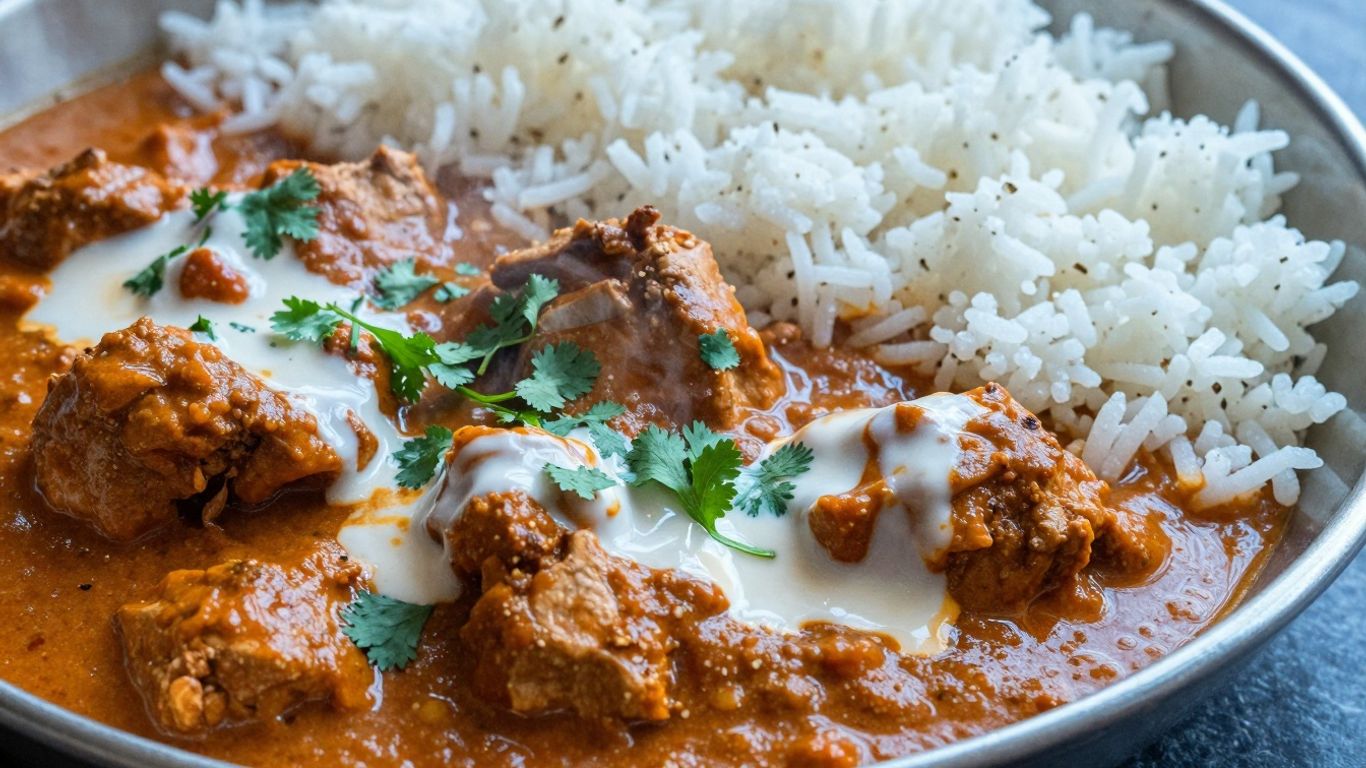
So, you’ve got the chicken marinated and the gravy simmering. Now, how do we get that restaurant-quality magic into your home kitchen? It’s all about a few key techniques that make a big difference.
The Smoky Aroma Without A Tandoor
That distinct smoky flavor in restaurant butter chicken often comes from a tandoor, but you can get pretty close without one. A simple trick is to use a piece of charcoal. Heat a small piece of charcoal over a direct flame until it’s glowing red. Then, place it in a small heatproof bowl right in the center of your pot of butter chicken. Drizzle a tiny bit of ghee or oil over the hot charcoal, and immediately cover the pot tightly with a lid. Let it sit for about five minutes. This traps the smoke, infusing your dish with that desirable aroma.
Another way to get a hint of that char is by searing your chicken pieces really well. Don’t be afraid to get a nice brown crust on them when you cook them after marinating. This high-heat searing mimics some of the effects of a tandoor, adding depth.
Balancing Flavors: Butter, Cream, and Kasuri Methi
This is where the real art comes in. Getting the balance right between the richness of butter, the creaminess of the dairy, and that unique herbal note is what makes butter chicken sing.
- Butter and Cream: You need both. Butter brings a rich, savory depth, while heavy cream (or malai) adds that signature silky smoothness. Always add the cream at the very end, after you’ve turned off the heat. Boiling cream can make it curdle, and nobody wants that.
- Kasuri Methi: These dried fenugreek leaves are non-negotiable. They have a slightly bitter, earthy aroma that’s a hallmark of authentic butter chicken. Rub them between your palms before adding them to the gravy. This releases their fragrance.
- Sweetness: A little bit of sugar can help balance the acidity from the tomatoes. Start with a small amount and adjust to your taste.
The final touch often involves a small knob of butter stirred in just before serving, adding one last layer of richness and gloss. It’s a simple step, but it really makes the dish pop.
Here’s a quick rundown of how to finish your dish:
- Add your cooked chicken pieces to the simmering makhni gravy.
- Let it simmer gently for about 5-7 minutes, allowing the chicken to soak up the flavors.
- Turn off the heat. Stir in the cream and crushed kasuri methi.
- Do not let it boil after adding the cream.
- Serve hot, perhaps with an extra little swirl of butter on top.
So, You’ve Mastered Butter Chicken!
And there you have it! Making butter chicken that tastes like it came straight from your favorite restaurant isn’t some big secret. It’s really about taking your time with each step, from letting that chicken marinate properly to cooking the gravy until it’s just right. Don’t rush it. Remember those tips about the gravy separating and using kasuri methi? Those little things make a huge difference. Now you can enjoy that rich, creamy, flavorful dish anytime you want, right in your own kitchen. Go ahead, give it a try and impress yourself (and anyone lucky enough to share it with you!).
Frequently Asked Questions
Why doesn’t my homemade butter chicken taste like the kind from restaurants?
Restaurants often use special tricks to get that amazing flavor. They might marinate the chicken for a really long time, sometimes overnight, which makes it super tender. They also cook the sauce slowly until the oil separates, which makes the flavors really deep and rich. Sometimes, they even use a secret ingredient like raw papaya paste in the marinade to make the chicken extra soft!
How can I make my butter chicken sauce thick and creamy like in restaurants?
To get a super smooth and thick sauce, it’s all about cooking it down properly. After blending your tomatoes and onions into a paste, you need to cook that paste in butter for about 10-15 minutes on low heat. You’ll know it’s ready when you see the butter or oil floating on top. This process concentrates the flavors and makes the sauce nice and thick. Also, adding cream at the very end, after you turn off the heat, helps keep it smooth.
Can I get that smoky flavor in butter chicken without a tandoor oven?
Yes, you totally can! Restaurants use a technique called ‘dhoonaar’. You heat up a small piece of charcoal until it’s red hot. Then, you put it in a tiny bowl in the middle of your butter chicken pot. Pour a little ghee (clarified butter) over the hot charcoal, and immediately cover the pot tightly. Let it sit for about 5 minutes. The smoke trapped inside will give your butter chicken that delicious smoky taste without needing a special oven.