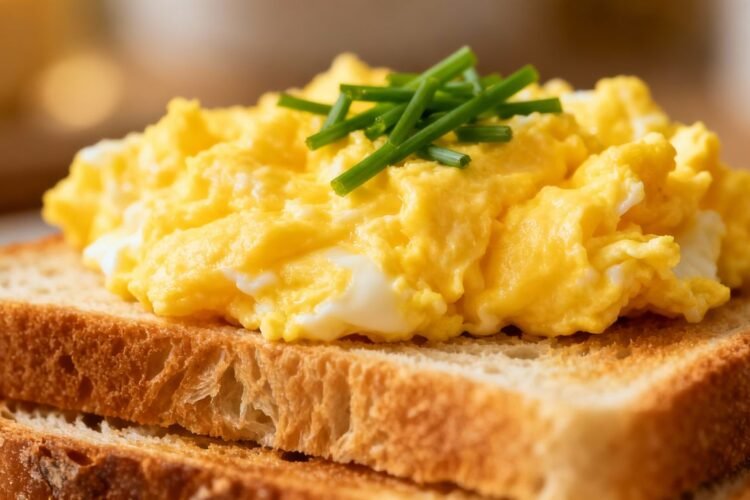
So, you’re curious about how many calories are actually in your favorite scrambled egg on toast? It’s a pretty common breakfast, right? But figuring out the exact scrambled egg on toast calories can be a bit tricky. It’s not just about the eggs and the bread; all sorts of little things can add up. This article will break down what goes into those calories, so you know exactly what you’re eating.
Key Takeaways
- Scrambled eggs offer good protein and nutrients, fitting well into many eating plans.
- The calorie count for scrambled eggs changes a lot depending on how you cook them and what you add, like butter, milk, or cheese. Plain eggs have fewer calories.
- To keep scrambled egg on toast calories lower, use less cooking fat, add veggies, and watch portion sizes. Restaurant versions often have more calories than homemade ones.
Understanding Scrambled Egg on Toast Calories
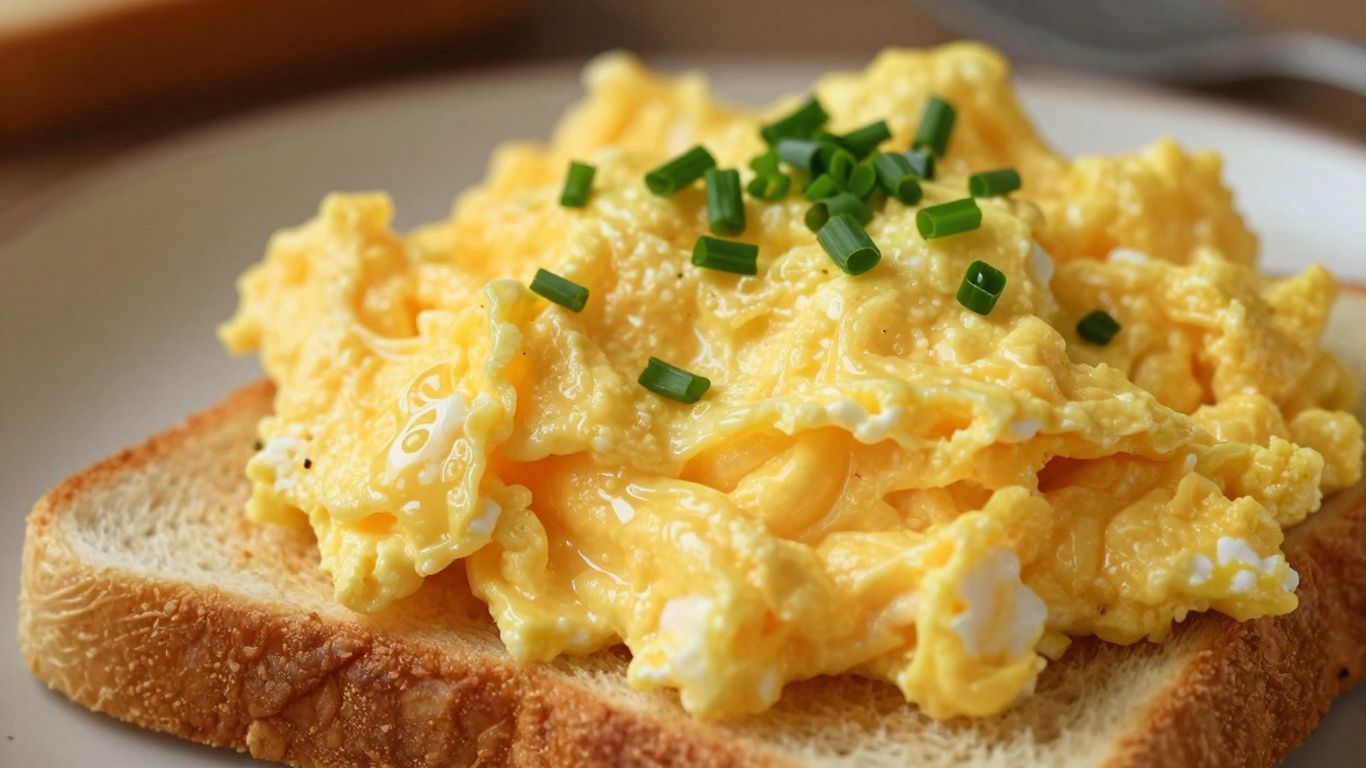
So, you’re curious about the calorie count in your favorite scrambled eggs on toast? It’s a pretty common breakfast, right? But figuring out the exact number can be a bit tricky because it’s not just about the eggs and the bread. Lots of little things can change the total.
The Basic Calorie Count Of Scrambled Eggs
Let’s start with the eggs themselves. A single large egg usually clocks in around 70-80 calories. It’s got a good mix of protein and fat. When you scramble them, you’re typically using a couple of eggs, so that’s already around 140-160 calories just from the eggs. Then you’ve got the toast. A couple of slices of standard white or whole wheat bread can add another 80-120 calories, depending on the thickness and type of bread.
So, a very basic, plain scrambled egg on toast, cooked with minimal or no added fat, might land somewhere in the 220-280 calorie range. But honestly, who eats them completely plain?
Factors Influencing Scrambled Egg On Toast Calories
This is where things get interesting and the calorie count can really jump. Think about how you make them:
- Added Fats: This is a big one. Are you using butter, oil, or cooking spray? A teaspoon of butter or oil can add about 35-40 calories, and most people use more than a teaspoon, especially if they’re not measuring. Using cream or milk to make the eggs fluffier also adds calories and fat.
- Cheese: Adding cheese is delicious, but it also adds calories and fat quickly. Even a small amount, like an ounce of cheddar, can add over 100 calories.
- Other Add-ins: Things like bacon, sausage, or even just a bit of salt and pepper can contribute. While salt and pepper are negligible, processed meats add significant calories and fat.
- Type of Bread: While we touched on this, using a denser, richer bread like a sourdough or a seeded loaf can sometimes mean more calories per slice compared to a basic white or whole wheat.
- Portion Size: How many eggs are you using? How big are the slices of toast? It seems obvious, but it’s easy to underestimate how much you’re actually eating.
Here’s a quick look at how common additions can change things:
| Addition | Amount | Approx. Calories Added | Notes |
|---|---|---|---|
| Butter | 1 tsp | 35-40 | Adds saturated fat |
| Olive Oil | 1 tsp | 35-40 | Adds healthy unsaturated fats |
| Milk (2%) | 2 tbsp | ~20 | Makes eggs softer |
| Cheddar Cheese | 1 oz (28g) | 110-120 | Boosts protein and fat |
| Bacon | 2 slices | 80-100 | Adds significant fat and sodium |
It’s really easy for a simple breakfast to become a calorie bomb if you’re not paying attention to the extras. Restaurants, in particular, often use a lot more butter and cream than you might at home, so those "healthy" scrambled eggs can end up being surprisingly high in calories.
Optimizing Your Scrambled Egg On Toast For Health
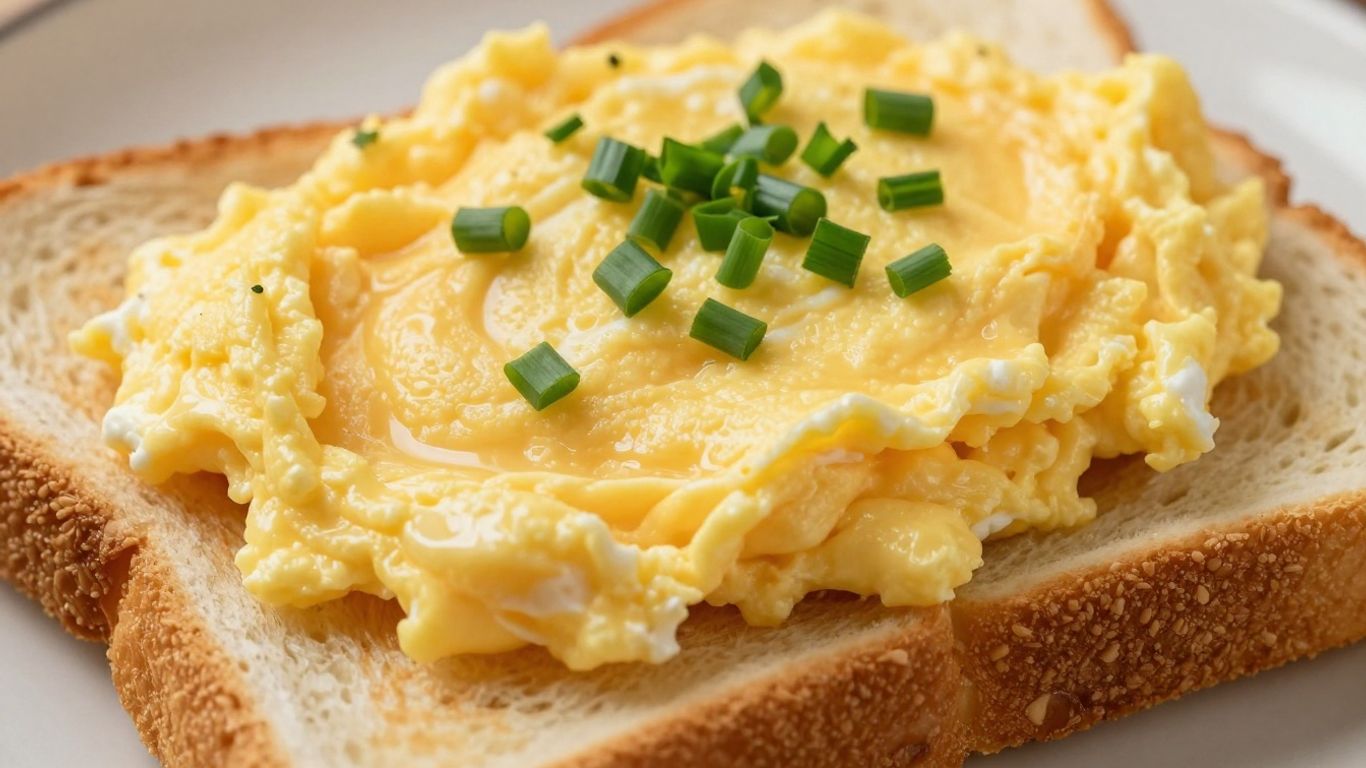
So, you’ve got your basic scrambled egg on toast, and you’re wondering how to make it a bit healthier without sacrificing that comforting breakfast vibe. It’s totally doable! The key is in how you prepare it and what you add (or don’t add).
Smart Preparation For Lower Calories
Making scrambled eggs healthier is mostly about being mindful of what goes into the pan and how much. It’s not complicated, but a few small changes can make a difference.
- Watch the fat: Instead of slathering butter in the pan, try using a cooking spray or just a tiny bit of olive oil. A little goes a long way, and you still get a non-stick surface.
- Milk or no milk? Adding milk or cream makes eggs creamier, sure, but it also adds calories and fat. If you’re trying to keep things light, try whisking in a tablespoon of water instead. It can actually make them fluffier!
- Cheese and meat caution: These are delicious, no doubt, but they pack a calorie punch. If you love cheese, stick to a small sprinkle of a strong-flavored one rather than a big pile of mild cheddar.
- Don’t overcook: Cooking eggs on too high a heat can actually make them lose some of their good stuff and get a rubbery texture. Low to medium heat is your friend here.
The biggest calorie culprits often aren’t the eggs themselves, but the extras. Think generous amounts of butter, cream, cheese, or even processed meats mixed in. Being aware of these additions is the first step to a lighter meal.
Nutritional Additions To Scrambled Egg On Toast
Once you’ve got the basic preparation down, you can really boost the nutritional value of your scrambled egg on toast. It’s all about adding good stuff that complements the eggs and toast.
Here are some ideas to make your breakfast more filling and packed with nutrients:
- Veggies are your best friend: Seriously, throw in whatever you have! Spinach wilts down easily, mushrooms add a nice texture, and chopped bell peppers or onions add flavor and color. They add volume, fiber, and vitamins without adding many calories.
- Healthy fats: A few slices of avocado on the side or mixed in can add healthy fats and fiber, making your meal more satisfying and helping you stay full longer.
- Whole grains for the toast: If you’re using toast, switch to a whole-grain or whole-wheat option. It has more fiber than white bread, which is better for digestion and keeps your energy levels more stable.
- Spice it up: Don’t forget herbs and spices! A sprinkle of black pepper, a dash of paprika, or some fresh chives can add a lot of flavor without any extra calories.
Ultimately, a well-prepared scrambled egg on toast can be a fantastic, balanced meal.
Wrapping It Up
So, when it comes down to it, scrambled eggs on toast can be a pretty decent meal. They pack a good amount of protein, which is great for keeping you full. But, as we’ve seen, how you make them really changes the calorie count. Throwing in a bunch of butter, cheese, or cream? Yeah, that adds up fast. It’s easy to go from a simple breakfast to something much heavier without even realizing it. The key is really paying attention to what you add and how much. Making them at home gives you the most control, letting you load up on veggies and use just a little bit of healthy fat. Just remember, restaurant versions are often loaded with extra stuff, so don’t expect those to be the same as what you whip up yourself. Keep it simple, watch the extras, and your scrambled eggs can definitely fit into a healthy eating plan.
Frequently Asked Questions
Are scrambled eggs a good choice if I’m trying to lose weight?
Yes, scrambled eggs can definitely help with weight loss! They’re packed with protein, which makes you feel full for longer, so you might eat less overall. If you make them with just a little oil or cooking spray and add some veggies, they’re a great, low-calorie meal.
How can I make my scrambled eggs healthier and lower in calories?
To make them healthier, try using a non-stick pan with a little cooking spray instead of butter or oil. You can also swap out one whole egg for two egg whites. Adding lots of colorful vegetables like spinach, mushrooms, or bell peppers boosts nutrients and fiber without adding many calories.
Can I eat scrambled eggs every day?
For most people, eating scrambled eggs every day is perfectly fine as part of a balanced diet. They’re a good source of protein and other nutrients. Just be mindful of how you prepare them and what you add, to keep your overall intake of fats and cholesterol within healthy limits.