
Starting your day with a warm bowl of something nourishing can make all the difference, right? If you’re tired of the usual oatmeal or looking for a gluten-free option that’s still super satisfying, you’ve landed in the right spot. We’re talking about buckwheat groats porridge, a simple yet hearty breakfast that’s easy to whip up and tastes fantastic. It’s packed with good stuff and can be customized with all your favorite toppings. Let’s get cooking!
Key Takeaways
- Buckwheat groats porridge is a naturally gluten-free breakfast option that cooks up in about 20 minutes.
- Unlike oat porridge, buckwheat groats offer a less sticky, slightly chewy texture that many find more appealing.
- This simple buckwheat groats porridge can be made with just groats and milk, but adding spices and a touch of sweetener makes it even better.
Understanding Buckwheat Groats Porridge
What Makes This Buckwheat Porridge Recipe Special
So, why choose buckwheat porridge for your morning meal? Well, it’s a bit of a nutritional powerhouse, and honestly, it’s just plain tasty. Unlike oatmeal, which can sometimes feel a bit one-note, buckwheat offers a slightly nutty flavor and a satisfying texture that really holds up. It’s naturally gluten-free, which is a big win for a lot of people, and it’s packed with fiber and protein to keep you feeling full and energized. Plus, it cooks up surprisingly fast, making it a great option for busy mornings.
What Exactly Are Buckwheat Groats?
Let’s clear up any confusion right away: despite the name, buckwheat isn’t actually wheat. It’s not even related to wheat! It’s technically a seed from a flowering plant, and it’s often grouped with grains because of how we use it in cooking. Think of it more like a cousin to rhubarb or sorrel. The groats are the whole, hulled seeds. You might also see them called ‘kasha’ if they’ve been toasted, which gives them a deeper, earthier flavor. They have a distinct, pleasant nutty taste and a shape that’s a bit like a tiny pyramid or a grain of quinoa. They’re super versatile, used in everything from pancakes to noodles, but for porridge, we’re talking about the whole groats for that best texture.
Here’s a quick rundown:
- Not Wheat: Despite the name, it’s completely gluten-free.
- Seed, Not Grain: It comes from a flowering plant.
- Nutty Flavor: Offers a distinct, pleasant taste.
- Versatile: Can be used in many dishes.
Buckwheat groats are a fantastic alternative to traditional grains, offering a unique flavor profile and a good dose of nutrients without any gluten. They cook up to a lovely texture that’s perfect for a hearty breakfast.
Crafting Your Perfect Buckwheat Groats Porridge

Making a fantastic bowl of buckwheat porridge is simpler than you might think. It’s all about getting the right balance of ingredients and a little patience during the cooking process. Forget those complicated recipes; we’re going for straightforward deliciousness here.
Essential Ingredients for Delicious Buckwheat Porridge
To get started, you’ll need just a few things. The star, of course, is the buckwheat groats themselves. Make sure you’re grabbing the whole groats, not flour or flakes, as they’re usually found in the grains aisle of your supermarket. For the liquid, whole milk makes for a really creamy porridge, but feel free to use a dairy-free alternative like coconut milk if that’s your preference. A little bit of spice, like cinnamon or a chai blend, adds a nice warmth, and a touch of sweetener, like sugar or maple syrup, can be added to your taste.
Here’s a quick rundown:
- Buckwheat Groats: About 1 cup (160g).
- Liquid: 2 ½ cups (625ml) of milk (dairy or non-dairy).
- Spice: ½ teaspoon of chai spice, or a mix of cinnamon and nutmeg.
- Sweetener: 2 teaspoons of sugar (optional, adjust to taste).
Step-By-Step Cooking Instructions
Getting this porridge ready is pretty easy. You’ll want a medium saucepan for this.
- Combine the buckwheat groats, your chosen spice, and sweetener (if using) in the saucepan. Pour in the milk.
- Place the pan over medium heat. Bring it up to a gentle simmer, stirring every few minutes to stop anything from sticking to the bottom. Let it simmer for about 10 minutes.
- Once it’s simmered, turn off the heat. Cover the pan tightly with a lid and let it stand undisturbed for another 10 minutes. This is where the magic happens, allowing the groats to finish cooking and absorb the liquid.
Don’t rush the standing time. It’s just as important as the simmering for getting that perfect, creamy texture. Think of it like letting a good stew rest before serving.
After the standing time, give it a stir. If it seems a bit thick for your liking, you can add a splash more milk to loosen it up. And that’s it! Your wholesome buckwheat porridge is ready to be served.
Elevating Your Buckwheat Groats Porridge Experience
Creative Serving Suggestions and Toppings
So, you’ve made a batch of perfectly cooked buckwheat porridge. Awesome! Now comes the fun part: making it your own. While it’s tasty on its own, a few additions can really make it sing. Think of it like a blank canvas for your breakfast masterpiece.
Here are some ideas to get you started:
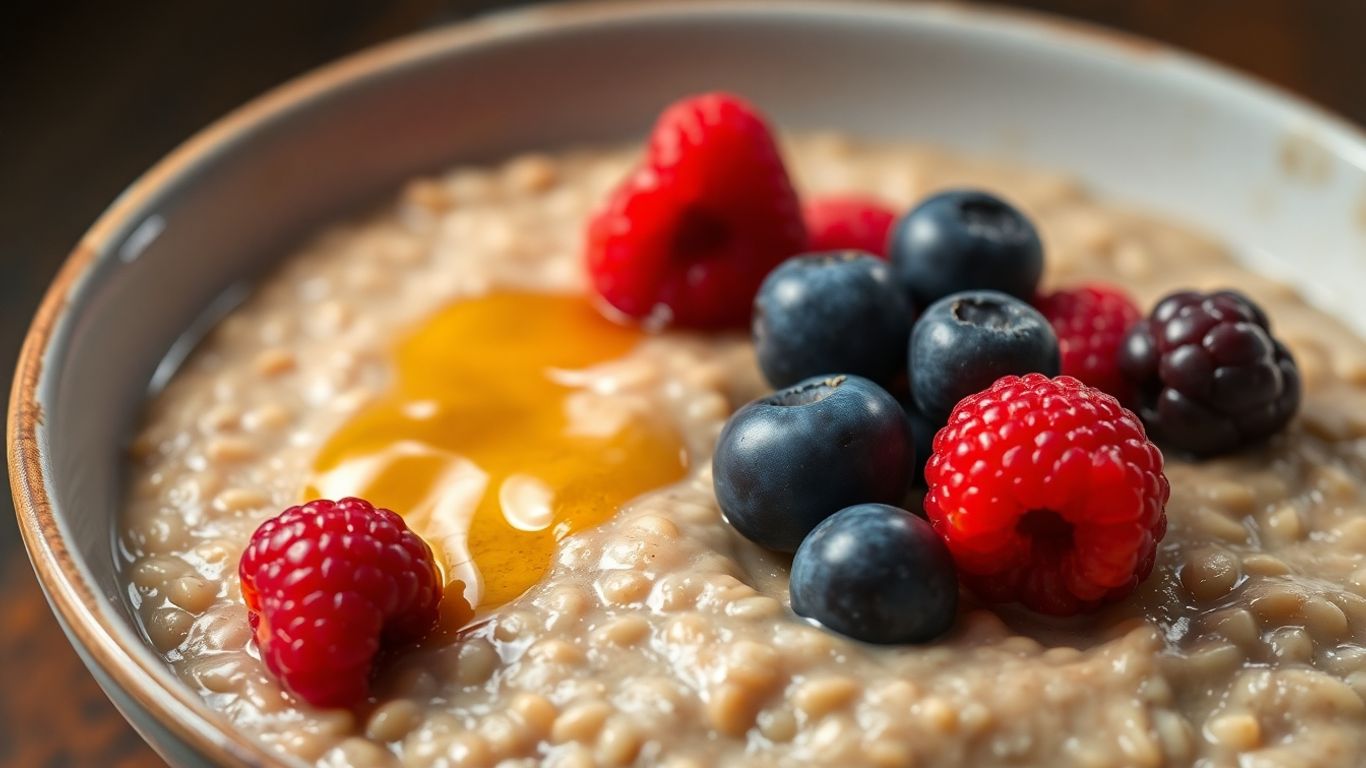
- Fruity Fun: Fresh berries are always a winner. Raspberries, blueberries, strawberries – they add a pop of color and natural sweetness. Sliced bananas or diced apples also work great, especially if you give them a quick sauté with a little cinnamon first.
- Nutty & Crunchy: A sprinkle of chopped nuts like almonds, walnuts, or pecans adds a satisfying crunch and healthy fats. Seeds like chia, flax, or pumpkin seeds are also good choices.
- Sweet Touches: A drizzle of honey, maple syrup, or a spoonful of fruit jam can add extra sweetness. Just be mindful of how much you add, especially if your fruit toppings are already sweet.
- Spiced Up: A dash of cinnamon, nutmeg, or even a pinch of cardamom can bring a warm, cozy flavor to your bowl.
- Creamy Additions: A dollop of yogurt (dairy or non-dairy) or a splash of extra milk can make it even creamier.
Expert Tips for Optimal Texture and Flavor
Getting the texture just right is key to enjoying your buckwheat porridge. It’s not complicated, but a few pointers can make a big difference.
- Don’t Rush the Simmer: While buckwheat cooks relatively quickly, letting it simmer gently for the recommended time helps the groats soften properly without getting mushy. Stirring it occasionally, much like you would risotto, prevents sticking and helps it cook evenly.
- The Resting Period: After cooking, letting the porridge sit, covered, off the heat for about 10 minutes is important. This allows the groats to finish absorbing any remaining liquid and achieve that perfect, slightly chewy texture. This resting step is often overlooked but makes a noticeable difference.
- Adjusting Consistency: If you find your porridge is a bit too thick after resting, don’t worry. Just stir in a splash more milk or water until it reaches your preferred consistency. The same goes if you’re making a big batch and reheating – buckwheat continues to absorb liquid, so you’ll likely need to thin it out a bit.
- Toasting (Optional): Some folks like to toast the dry buckwheat groats in a dry pan for a few minutes before cooking. This can add a slightly nuttier flavor, but it’s totally optional. If you do toast them, be careful not to burn them!
When it comes to sweetness, it’s best to go easy on added sugar in the base porridge. Fruits naturally contain sugars, and your chosen toppings can add plenty of sweetness too. It’s easier to add more sweetness at the end than to take it away if you’ve added too much initially. Taste as you go!
A Wholesome Start to Your Day
So there you have it – a simple, hearty bowl of buckwheat porridge that’s good for you and tastes great. It’s a fantastic alternative to your usual breakfast routine, offering a different texture and a good dose of nutrients to get you going. Whether you whip it up on a busy morning or have it ready for a lazy weekend, this porridge is a winner. Don’t be afraid to play around with toppings; that’s where the real fun begins. Give it a try and see if it doesn’t become a new favorite way to start your day.
Frequently Asked Questions
Is buckwheat porridge good for you?
Yes, buckwheat porridge is a healthy choice! It’s naturally free of gluten and packed with good stuff like fiber and protein. It also has important vitamins and minerals that your body needs. Plus, it’s very low in fat, making it a great option for a healthy start to your day.
Can I use water instead of milk in my buckwheat porridge?
You sure can! If you want a lighter breakfast, swapping milk for water works just fine. Just make sure to keep the same amount of liquid to groats. It won’t be as creamy, and might taste a bit plain, but it’s a good option if you prefer. Using non-dairy milk is also a great choice for a vegan version.
Can I make buckwheat porridge ahead of time?
While it’s best when freshly made for the perfect texture, you can definitely make it ahead. Store it in the fridge for up to three days in a covered container. When you’re ready to eat it, just warm it up gently on the stove. You might need to add a little extra milk or water to make it the right consistency again.