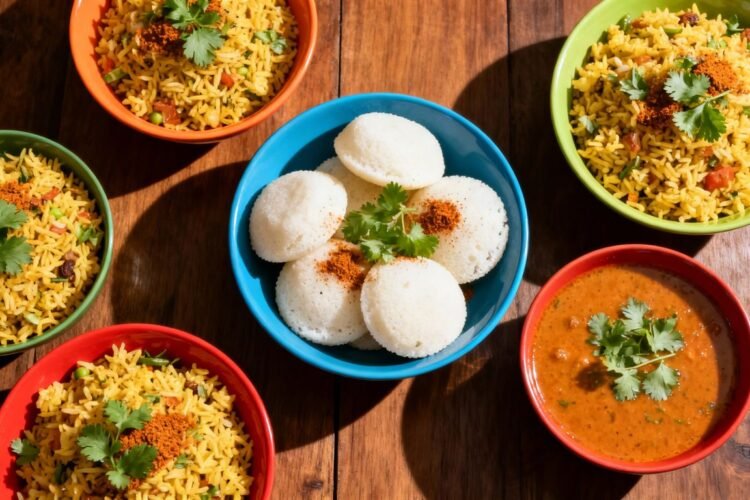
Feeling stuck in a breakfast rut? It’s easy to fall into the trap of the same old cereal or toast, but what if your first meal could be both exciting and good for you? Indian food has a treasure trove of quick and healthy breakfast ideas that are packed with flavor and nutrients. These options are perfect for busy mornings, giving you the energy you need without a lot of fuss. We’ll explore some simple recipes and smart ways to make your mornings smoother, all while focusing on delicious, indian breakfast healthy choices.
Key Takeaways
- Indian breakfasts offer a fantastic way to start your day with wholesome, flavorful, and quick meals, proving that healthy eating doesn’t have to be complicated.
- Incorporating ingredients like whole grains (oats, millet), lentils, pulses, and beneficial spices (turmeric, cumin) provides sustained energy, protein, and fiber.
- Streamlining your mornings with Indian breakfast ideas is achievable through quick preparation techniques like overnight soaking and meal planning, ensuring a nourishing start every day.
Quick & Healthy Indian Breakfast Ideas
Wholesome & Mouthwatering Breakfast Options
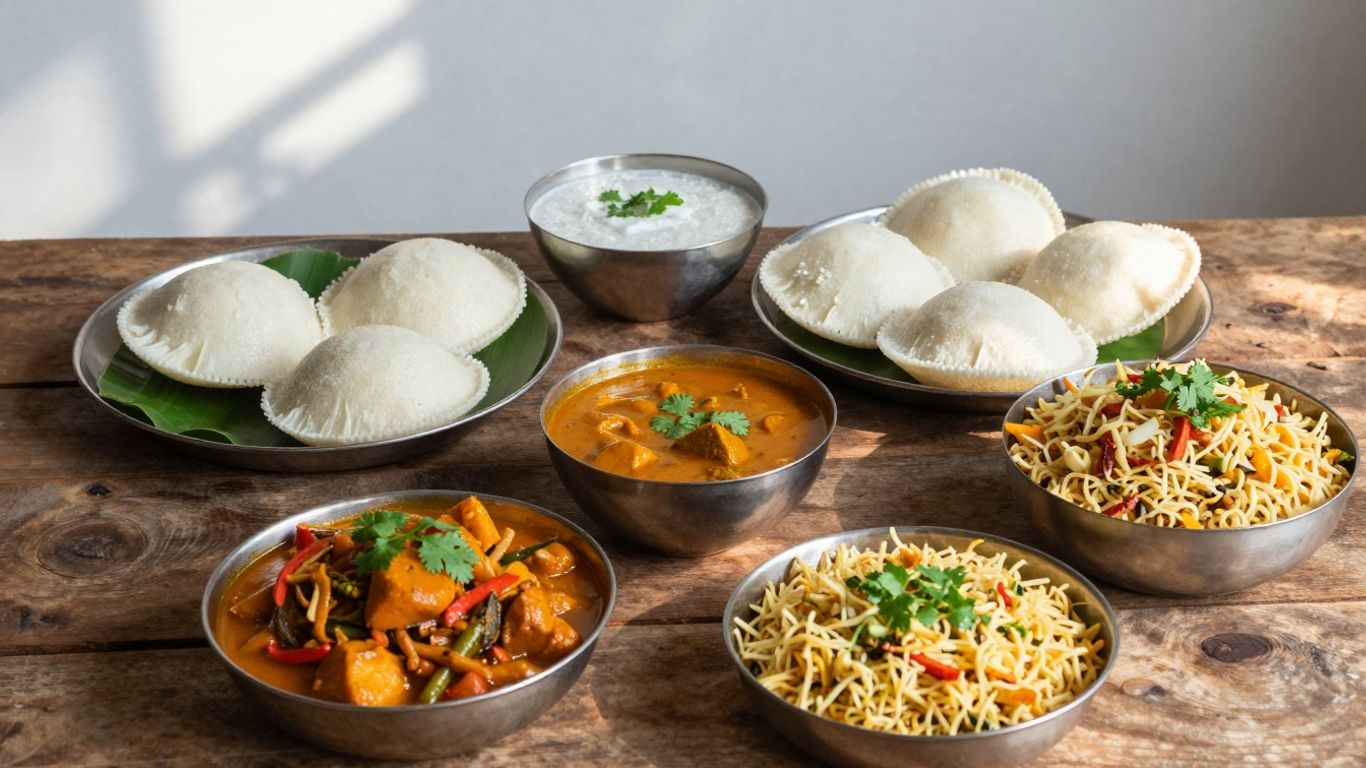
Starting your day with a good meal doesn’t have to be a struggle, even when you’re short on time. Indian cuisine is packed with breakfast dishes that are not only good for you but also taste amazing. Forget boring cereal; think vibrant flavors and satisfying textures that will make you actually look forward to waking up.
Many of these dishes use simple ingredients you probably already have. We’re talking about things like oats, flattened rice (poha), and various lentils. These aren’t just fillers; they’re packed with energy and nutrients to keep you going. The beauty of Indian breakfasts lies in their ability to be both incredibly healthy and deeply flavorful.
Here are a few ideas to get you started:
- Masala Oats: A savory twist on a breakfast staple. It’s oats cooked with spices, vegetables, and sometimes even a touch of tempering. Think of it as a warm, comforting hug in a bowl.
- Poha: Made from flattened rice, this dish is light yet filling. It’s typically seasoned with turmeric, mustard seeds, curry leaves, and often includes peas or potatoes for extra substance.
- Upma: A porridge-like dish made from semolina (rava). It’s usually cooked with vegetables and a mix of spices, offering a savory and hearty start.
- Moong Dal Cheela: These are thin crepes made from ground moong lentils. They’re a fantastic source of protein and can be filled with vegetables or cheese.
These options are designed to be quick to prepare, often taking less than 20 minutes from start to finish. They prove that you don’t need to spend hours in the kitchen to enjoy a nutritious and delicious breakfast.
Simple Recipes for Every Cook
Don’t worry if you’re new to cooking or just not a morning person. The recipes for these Indian breakfasts are straightforward and forgiving. You don’t need fancy equipment or advanced culinary skills to make something truly delicious.
Many recipes rely on simple cooking methods like sautéing, boiling, or steaming. The key is often in the spice blends, which add a lot of flavor without much effort. You can even prepare some components the night before to make your morning even smoother.
Here’s a look at how simple they can be:
- Minimal Prep: Often, the most time-consuming part is chopping a few vegetables. Many recipes can be made with just onions, tomatoes, and maybe some peas or carrots.
- One-Pan Wonders: Dishes like Masala Oats or Upma are typically cooked in a single pan, which means less washing up afterward. That’s a win in my book!
- Quick Cooking Times: Using ingredients like poha or instant rava means your breakfast is ready in minutes. Lentil-based dishes might take a bit longer, but soaking them overnight drastically cuts down cooking time.
It’s all about making healthy eating accessible. You can easily adjust spice levels or add your favorite vegetables to make these recipes your own. The goal is to have a tasty, energizing meal on the table without the stress.
Nutrient-Rich Ingredients for a Nourishing Start
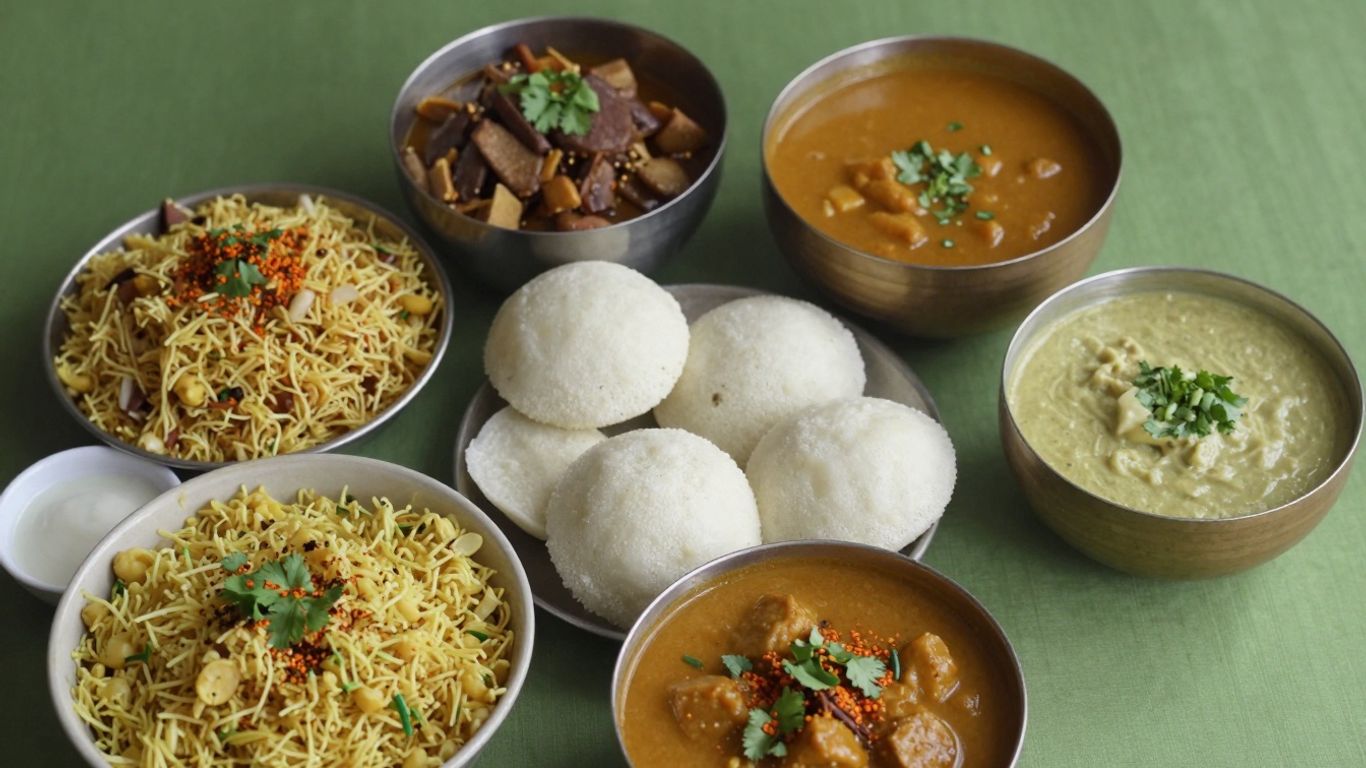
When you’re thinking about starting your day off right, what you put into your body first really matters. Indian cuisine is packed with ingredients that aren’t just tasty, but also super good for you. Let’s look at some of these powerhouses.
The Benefits of Whole Grains Like Oats and Millet
Whole grains are like the backbone of a healthy breakfast. Oats, for example, are famous for their soluble fiber, which is great for keeping your cholesterol in check and your blood sugar steady. Then there’s millet, which maybe doesn’t get as much attention, but it’s loaded with magnesium, important for your muscles and nerves. Eating these grains means you’ll feel fuller for longer and have energy that lasts.
Lentils and Pulses as Sources of Protein and Fiber
Lentils and other pulses are a big deal in Indian cooking, and for good reason. They’re not just a good source of plant-based protein, which helps build and repair your body, but they’re also full of fiber. This fiber is key for keeping your digestive system happy and running smoothly. Including them in your breakfast can really help curb those mid-morning snack cravings.
Spices with Health Benefits
Indian food wouldn’t be the same without its spices, and many of them come with their own health perks. Turmeric, with its active compound curcumin, is known for its anti-inflammatory properties. Cumin is often used to help with digestion and make sure your body can absorb nutrients better. Even small amounts of these spices can add up to a lot of good for your overall health.
Starting your day with these ingredients means you’re giving your body the fuel it needs to handle whatever comes your way. It’s about more than just eating; it’s about setting yourself up for a day of energy and well-being.
Streamline Your Mornings with Indian Breakfasts
Quick Preparation Techniques for Indian Breakfasts
Getting a healthy Indian breakfast on the table during a busy morning might seem like a challenge, but it’s totally doable with a few smart tricks. It’s all about working smarter, not harder, in the kitchen. These methods help you get a nutritious meal without the morning rush.
Here are some ways to speed things up:
- Overnight Soaking: Many Indian breakfast staples, like lentils for dosas or idlis, need soaking. Doing this the night before drastically cuts down cooking time in the morning. Just rinse and blend!
- Pressure Cooker Power: For things like poha or khichdi, a pressure cooker is a lifesaver. It cooks grains and lentils way faster than a regular pot, turning a 30-minute job into just a few minutes.
- Prep Ahead: Chop veggies, grind spices, or even make batters the evening before. This turns your morning cooking into a simple assembly process. Imagine waking up and just needing to sauté pre-cut onions and tomatoes for your upma.
Doing a little prep work the night before can make a huge difference. It’s like having a head start on your day before you even get out of bed. You’ll be surprised how much time you save.
Meal Planning for Indian Breakfasts
Planning your breakfasts for the week can really change your morning game. Instead of staring blankly into the fridge, you’ll know exactly what you’re making. This not only saves time but also makes sure you’re eating balanced meals.
Here’s a simple way to plan:
- Choose Your Meals: Pick a few different Indian breakfast recipes you want to try for the week. Aim for variety – maybe some lentil-based dishes one day, and a grain-based one the next.
- Make a Shopping List: Once you know what you’re making, check your pantry and make a list of what you need to buy. This avoids last-minute grocery runs.
- Weekend Prep: Dedicate an hour or two on the weekend to do some of the prep work. This could include soaking lentils, chopping vegetables, or making a batch of chutney. Store everything properly in airtight containers.
Don’t forget to rotate your ingredients to keep things interesting and ensure you’re getting a wide range of nutrients. For example, try different types of millets or lentils throughout the week. Having pre-made chutneys or spice mixes ready to go can also add a lot of flavor without extra effort in the morning. It’s all about setting yourself up for success so you can enjoy delicious and healthy Indian breakfasts every day.
Start Your Day the Delicious Indian Way
So there you have it – a whole bunch of tasty and healthy Indian breakfast ideas that are totally doable, even on a busy morning. We’ve seen how simple ingredients and a little bit of planning can turn your first meal of the day into something you actually look forward to. Forget boring toast or cereal; these dishes pack a punch of flavor and good stuff to keep you going. Give them a try, mix and match, and find your new favorite way to kickstart your day. Your taste buds and your body will thank you!
Frequently Asked Questions
What makes Indian breakfasts healthy?
Indian breakfasts are often healthy because they use ingredients like whole grains (oats, millet), lentils, and lots of spices. These foods give you energy, fiber, and important nutrients to start your day right. Plus, many Indian breakfast dishes are naturally vegetarian or vegan!
How can I make Indian breakfasts even faster in the morning?
You can save time by doing some prep the night before. This could mean chopping veggies, soaking lentils, or even making a batter. Using a pressure cooker can also speed up cooking. Having ingredients ready makes putting together a tasty meal super quick!
Are there Indian breakfast options that are good for people who don’t eat gluten?
Yes, absolutely! Many Indian breakfast foods are naturally gluten-free. Things like poha (made from flattened rice), idli and dosa (often made with rice and lentils), and sabudana (tapioca pearls) are great choices that don’t contain gluten.