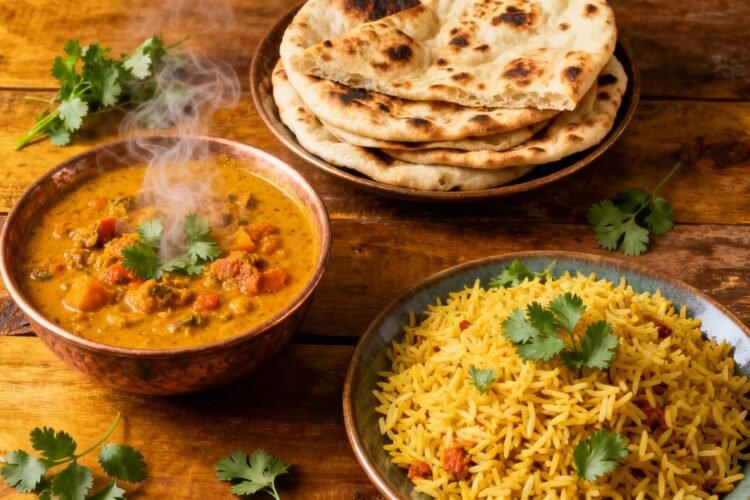
Thinking about what to make for dinner tonight? If you’re craving something flavorful but don’t have a lot of time, you’ve come to the right place. Indian food can seem a bit intimidating to cook at home, with all those spices and techniques. But honestly, it doesn’t have to be complicated. We’re going to show you some really simple Indian vegetarian recipes for dinner that are quick, use ingredients you can actually find, and taste amazing. Forget spending hours in the kitchen; these meals are perfect for busy weeknights and will have your family asking for seconds. Let’s get cooking!
Key Takeaways
- You can make delicious and authentic Indian vegetarian dishes quickly, even on a weeknight, by focusing on simple recipes and common ingredients.
- A small selection of basic Indian spices like turmeric, cumin, coriander, and garam masala can form the foundation for a wide variety of flavorful meals.
- Simple cooking methods, like one-pot meals and basic sautéing, along with a little meal prep, can significantly cut down cooking time, making Indian food accessible for any busy schedule.
Quick And Flavorful Indian Vegetarian Dinners
Effortless Weeknight Meals
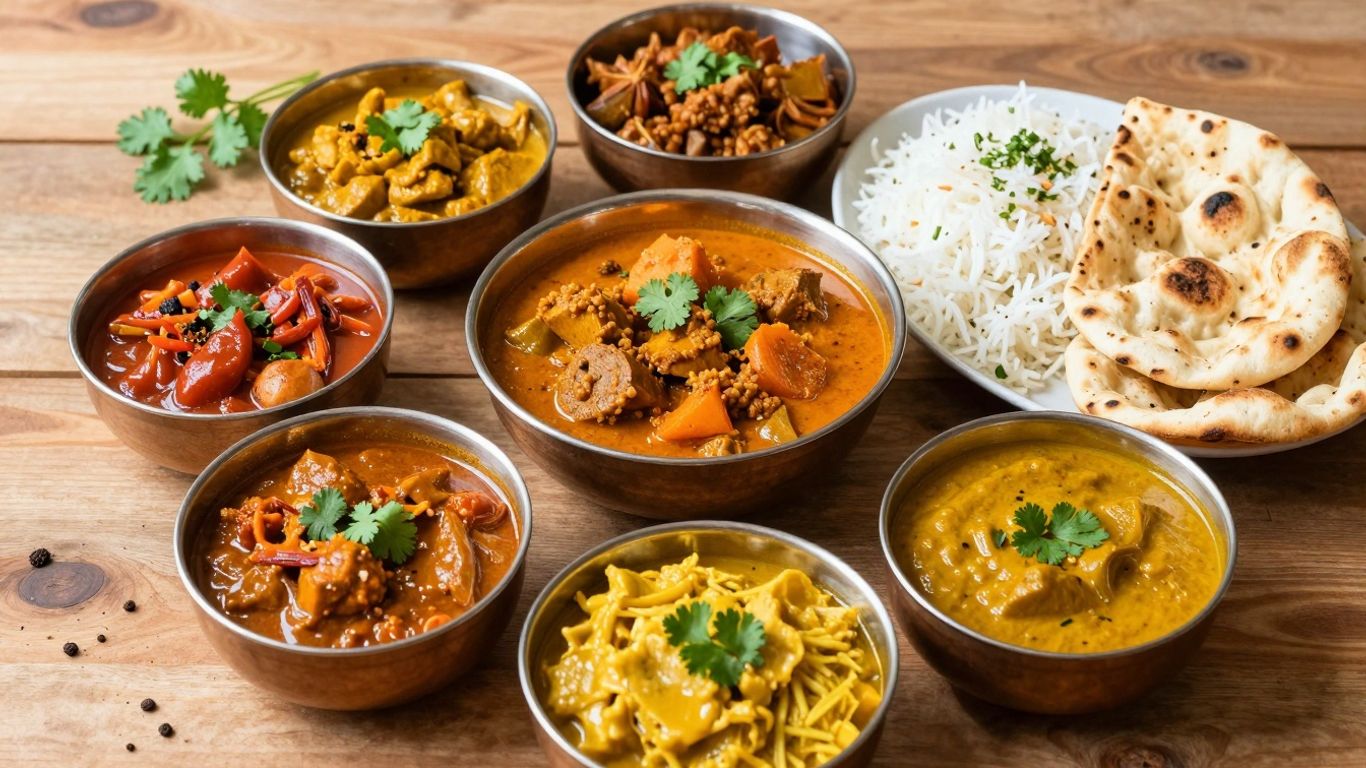
Indian food often gets a reputation for being complicated, with long ingredient lists and tricky techniques. But honestly, that’s not always the case! Many traditional dishes are surprisingly simple and come together quite fast, especially when you focus on fresh, readily available ingredients. You can bring authentic Indian flavors to your dinner table tonight without spending hours in the kitchen. Think about it: a hearty lentil dal, a quick chickpea curry, or a simple vegetable stir-fry with Indian spices. These meals are not only delicious but also packed with nutrients and can often be made in under 30 minutes. It’s all about smart spice choices and a few basic cooking methods.
Simple Ingredients, Big Taste
Don’t let the spice names intimidate you. Building a basic Indian spice pantry is easier than you think, and a few key players can transform everyday ingredients into something special. Things like cumin, coriander, turmeric, and a touch of chili powder are your best friends. They add warmth, depth, and that unmistakable Indian aroma. When you combine these with fresh aromatics like ginger and garlic, and maybe some tomatoes or onions, you’ve got the foundation for countless amazing dishes. It’s amazing how a few pantry staples can create such vibrant and satisfying meals.
Here’s a quick look at some common spices and their roles:
- Cumin (Jeera): Earthy and warm, often used whole or ground. Great in tempering (tadka) and spice blends.
- Coriander (Dhania): Citrusy and slightly sweet, usually used in ground form. Pairs well with cumin.
- Turmeric (Haldi): Adds a beautiful golden color and a mild, peppery flavor. Known for its health benefits.
- Garam Masala: A warming blend of ground spices, added towards the end of cooking for aroma.
- Red Chili Powder (Lal Mirch): For heat. Adjust the amount based on your preference.
The beauty of Indian vegetarian cooking lies in its ability to make simple vegetables and legumes sing. It’s about coaxing out maximum flavor with minimal fuss, proving that delicious, home-cooked meals don’t need to be complicated or time-consuming.
Essential Spices For Easy Indian Cooking
Building Your Spice Pantry
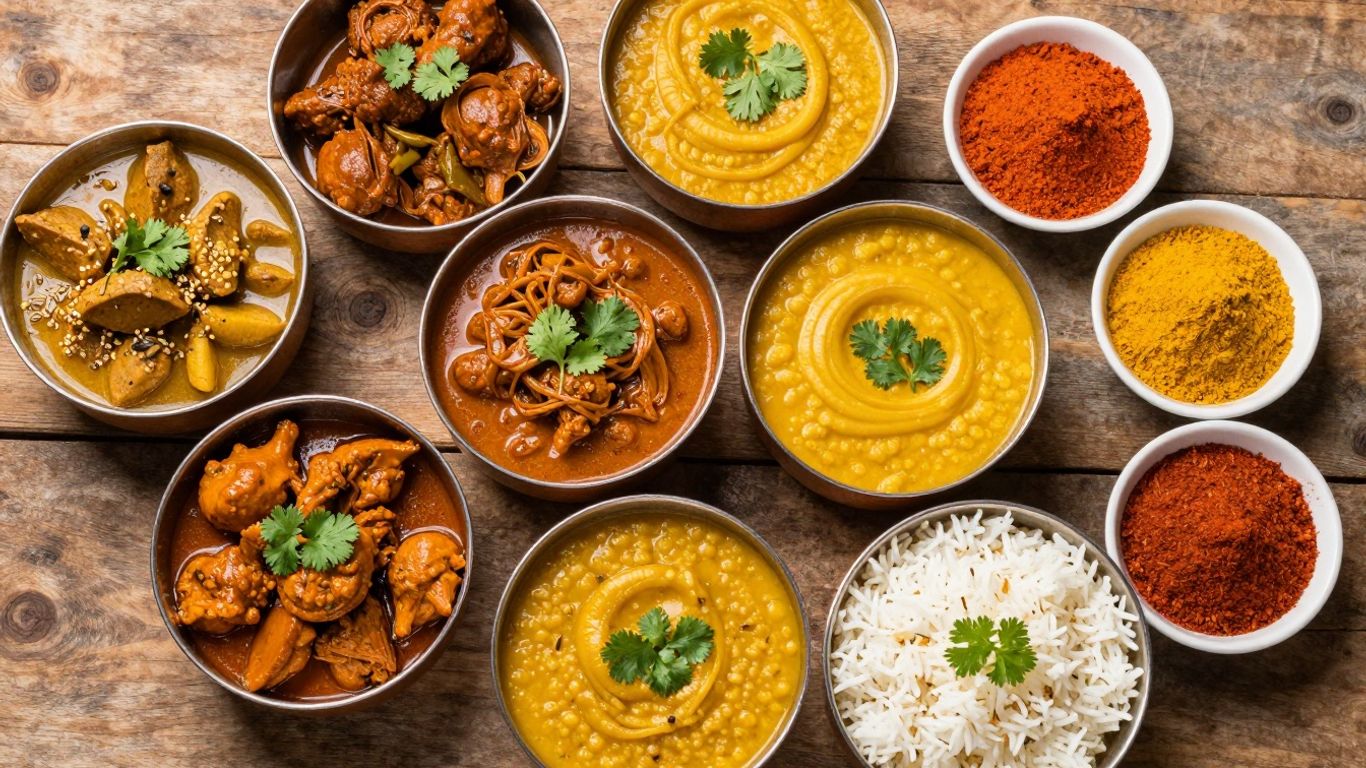
Getting started with Indian cooking doesn’t mean you need a cabinet overflowing with exotic ingredients. A few key spices can go a long way in creating authentic flavors. Think of these as your foundational building blocks. With just a handful of common spices, you can unlock a world of delicious possibilities. You’ll find most of these at your local grocery store, making it super easy to stock up.
Here are some must-haves to get you started:
- Cumin: Available as whole seeds or ground powder. Seeds are often toasted first for a deeper flavor, while powder is convenient for quick dishes.
- Coriander: Usually found as ground powder or whole seeds. It has a mild, citrusy, and slightly sweet taste that pairs well with many other spices.
- Turmeric: This vibrant yellow powder is known for its earthy flavor and beautiful color. It’s also used for its health properties.
- Garam Masala: This is a blend of warming spices, often including cinnamon, cardamom, cloves, and black pepper. It’s usually added towards the end of cooking to preserve its aroma.
- Mustard Seeds: Small, round seeds that pop when heated, adding a pungent kick. Black or brown mustard seeds are most common.
Building a spice pantry is like collecting colors for a painter. Each spice adds its own hue and depth to the final dish. Start with the basics, and as you cook more, you’ll naturally discover other spices you enjoy and want to incorporate.
Controlling The Heat
Indian food is often associated with being spicy, but it doesn’t have to be! The heat primarily comes from chilies, and you have complete control over how much you use. Whether you prefer a gentle warmth or a fiery kick, you can easily adjust the spice level to suit your taste buds.
- Red Chili Powder: This is a common source of heat. Start with a small amount, like 1/4 teaspoon, and add more if you like it hotter. Different types of red chili powder have varying heat levels.
- Green Chilies: Fresh green chilies can be finely chopped or slit and added to dishes. Remove the seeds and membranes for less heat.
- Cayenne Pepper: A potent powder that adds significant heat with just a pinch.
If a dish turns out spicier than you intended, don’t worry! A dollop of plain yogurt, a splash of coconut milk, or even a bit of sugar can help to mellow out the heat. It’s all about finding that perfect balance.
Delicious Simple Indian Vegetarian Recipes For Dinner
Speedy Chickpea Curry
This chickpea curry, also known as Chana Masala, is a weeknight lifesaver. It’s packed with protein and flavor, and you can whip it up in under 30 minutes. The base is usually tomatoes and onions, simmered with a blend of spices that make it taste like it took hours. It’s great served with rice or some warm naan bread.
The key is to have your spices ready to go.
Here’s a quick rundown of what you might need:
- Cumin seeds
- Turmeric powder
- Coriander powder
- Garam masala
- Ginger and garlic paste
- Tomatoes (canned or fresh)
- Chickpeas (canned for speed)
You can adjust the heat level by adding more or less chili powder. It’s a forgiving dish, so don’t stress too much about exact measurements.
Tangy Lemon Rice With Vegetables
Lemon rice is a South Indian staple that’s incredibly refreshing and quick to make. It’s basically cooked rice tossed with a tempering of mustard seeds, curry leaves, and spices, then brightened up with fresh lemon juice. Adding some mixed vegetables like peas, carrots, and beans makes it a complete meal.
- Prep: Cook your rice ahead of time or use leftover rice. Chop your veggies.
- Sauté: Heat oil in a pan, add mustard seeds, curry leaves, and a pinch of asafoetida (hing) if you have it. Add chopped onions and sauté until soft.
- Combine: Stir in your chosen vegetables and cook until tender-crisp. Add turmeric, salt, and cooked rice. Squeeze in fresh lemon juice and mix well.
It’s a fantastic way to use up leftover rice and is perfect for lunchboxes too.
Creamy Lentil Dishes
Lentils, or ‘dal’, are a cornerstone of Indian vegetarian cooking. They are nutritious, filling, and incredibly versatile. For a quick dinner, red lentils (masoor dal) are your best friend because they cook very fast.
- Masoor Dal Tadka: This is a simple, everyday dal. You boil the red lentils until soft, then prepare a ‘tadka’ – a tempering of ghee or oil with cumin seeds, mustard seeds, dried red chilies, and garlic. Pour this over the cooked lentils and serve. It’s comfort food in a bowl.
- Dal Makhani (Quick Version): While traditional Dal Makhani takes hours, you can make a quicker version using canned black beans or kidney beans along with some red lentils. Simmer them with tomatoes, ginger, garlic, and a touch of cream or coconut milk for richness.
These lentil dishes are usually served with roti, chapati, or rice. They are hearty and satisfying, making them a great choice for dinner.
Bringing Indian Flavors Home
So there you have it! Indian cooking doesn’t have to be complicated or take all night. We’ve shown you that with just a few common spices and some simple steps, you can whip up delicious, healthy Indian meals right in your own kitchen. These recipes are perfect for busy weeknights when you want something tasty but don’t have a lot of time. Give one of these easy dishes a try tonight, and you might just discover a new favorite way to eat. Happy cooking!
Frequently Asked Questions
What should I make for dinner if I want Indian food but don’t have much time?
If you’re short on time, the quick recipes in this article are perfect! Dishes like Paneer Bhurji and Tadka Dal can be made in about 30 minutes. Keeping pantry staples like canned tomatoes and chickpeas handy also helps you whip up fast meals.
What are the most important spices for simple Indian cooking?
To start, try to have turmeric powder, cumin seeds (or ground cumin), coriander powder, and garam masala. Red chili powder is great for adding some heat. With these basic spices, you can create a wide variety of tasty Indian dishes.
How can I make Indian food less spicy for my family?
You can easily control how spicy your Indian food is! The heat usually comes from chilies. Try using less or no green chili or red chili powder in the recipe. Adding a bit of yogurt or coconut milk at the end can also help make the dish milder and creamier.