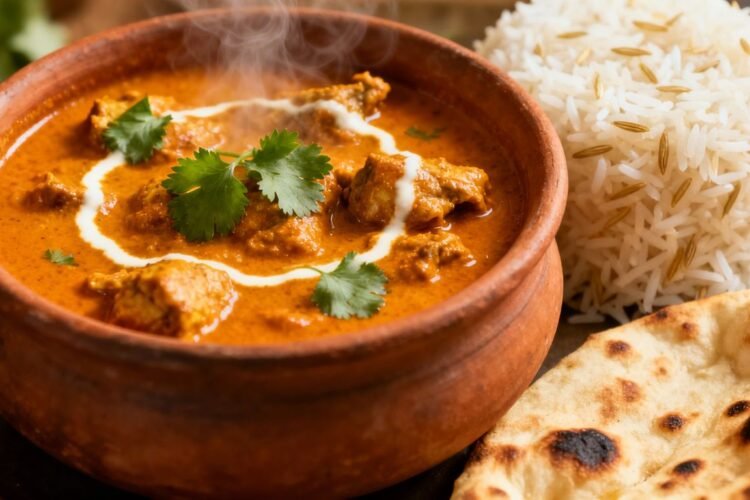
Welcome to the wonderful world of Punjabi chicken curry recipes! If you’ve ever wanted to bring the rich, comforting flavors of authentic Punjabi cuisine into your own kitchen, you’ve come to the right place. We’re going to break down how to make a truly delicious chicken curry, perfect for home cooks. It’s not as complicated as you might think, and the results are so worth it. Get ready to impress yourself and anyone lucky enough to share your meal.
Key Takeaways
- Punjabi cuisine is known for its rich and aromatic dishes, with chicken curry being a popular favorite.
- Key ingredients for authentic flavor include a good blend of spices, fresh aromatics like ginger and garlic, and often yogurt or coconut milk for richness.
- Mastering the masala base and ensuring tender, flavorful chicken are the two main steps to a successful Punjabi chicken curry.
Understanding Punjabi Chicken Curry Recipes
The Heart Of Punjabi Cuisine
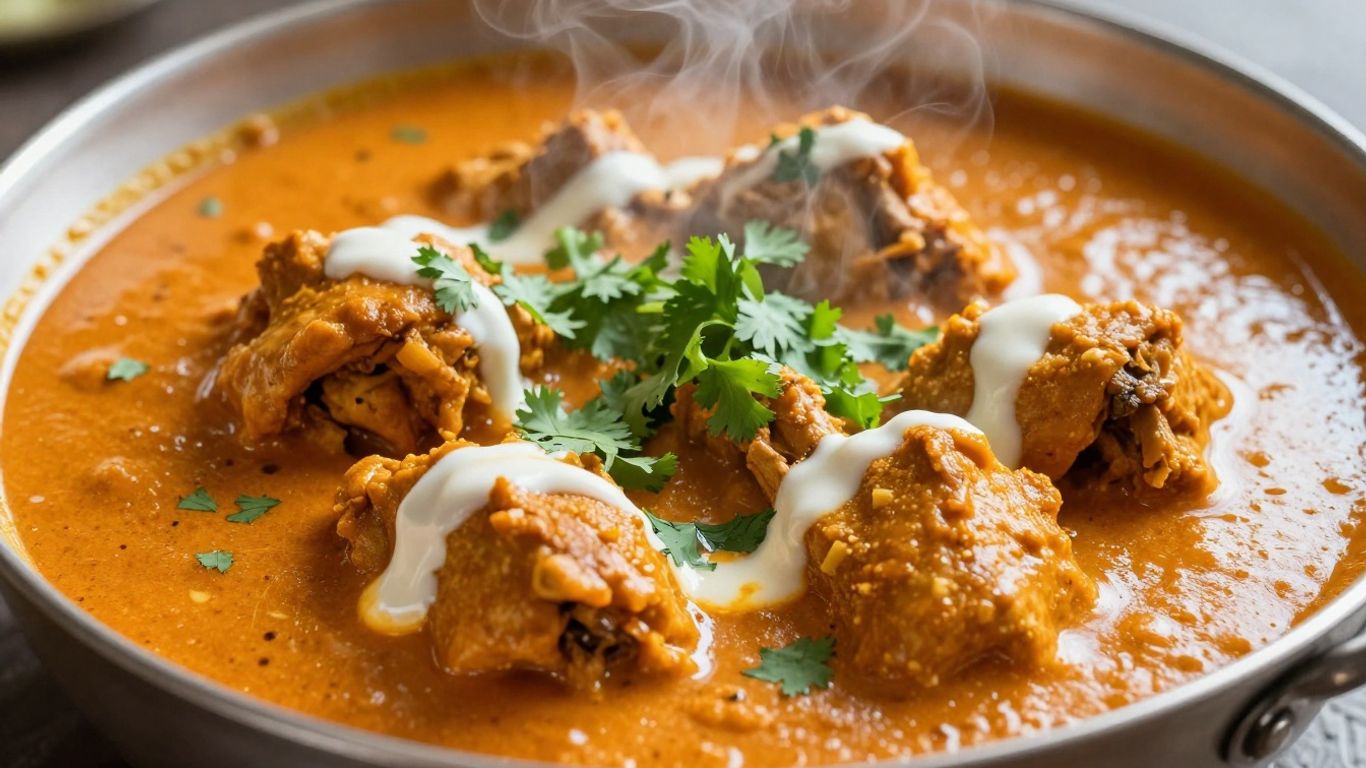
Punjabi cuisine is known for its robust flavors and hearty dishes, and chicken curry is a shining example. It’s a dish that speaks of warmth, family gatherings, and generous hospitality. Unlike some lighter curries, Punjabi versions often lean towards a richer, more complex gravy, built on a foundation of onions, tomatoes, and a symphony of spices. The goal is a deeply flavorful, satisfying meal that feels both comforting and celebratory. It’s less about delicate nuances and more about bold, aromatic tastes that linger pleasantly.
Key Ingredients For Authentic Flavor
Getting that true Punjabi taste at home really comes down to a few key players. You’ll want to make sure you have good quality spices, as they are the backbone of the dish. Fresh ginger and garlic are non-negotiable; they form the aromatic base that everything else builds upon. Tomatoes are usually cooked down to create a thick, luscious sauce, and yogurt often makes an appearance, adding a subtle tang and helping to tenderize the chicken.
Here’s a quick rundown of what you’ll typically find:
- Aromatics: Onions, garlic, ginger
- Tomatoes: Fresh, pureed, or paste
- Spices: Turmeric, red chili powder, coriander powder, cumin powder, garam masala are common. Whole spices like cardamom, cloves, and bay leaves are often used to bloom in oil at the start.
- Fat: Ghee or cooking oil for sautéing.
- Liquid: Water or sometimes a bit of broth for the gravy.
- Finishing Touches: Fresh cilantro and sometimes dried fenugreek leaves (kasoori methi).
While recipes can vary, the combination of these elements creates that signature Punjabi depth. Don’t be afraid to adjust the spice levels to your liking, but remember, a good Punjabi curry has a noticeable, but balanced, spice profile.
Crafting Your Perfect Punjabi Chicken Curry
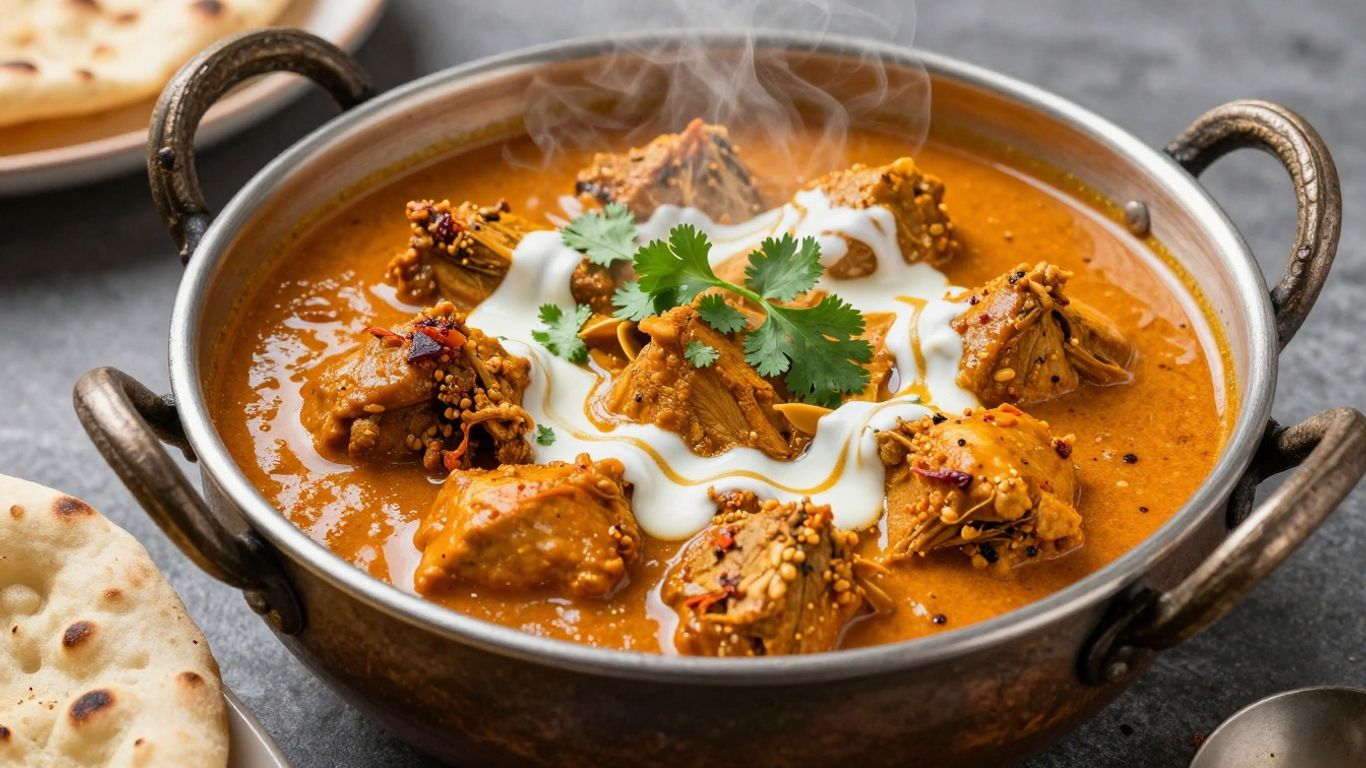
Now that we’ve got a handle on the basics, let’s get down to actually making that delicious Punjabi chicken curry. It’s not as complicated as it might seem, honestly. The key is to take your time with the steps, especially when building that flavor base.
Mastering The Masala Base
The foundation of any great curry is its masala, or spice paste. This is where all the magic happens, and getting it right makes a huge difference. Don’t rush this part!
Here’s a general idea of how to build that rich masala:
- Sauté Aromatics: Start by gently cooking finely chopped onions in oil until they’re soft and maybe a little golden. Then, toss in minced garlic and grated ginger. Cook them for just a minute until they smell good – you don’t want them to burn.
- Bloom the Spices: Add your ground spices like turmeric, cumin, coriander, and garam masala. Stir them around in the hot oil and onion mixture for about 30 seconds to a minute. This step, called tempering, really wakes up their flavors.
- Add Tomatoes: Next, add pureed or finely chopped tomatoes. Cook this mixture down until the oil starts to separate from the sides of the pan. This tells you the tomatoes have cooked down nicely and their raw taste is gone.
Remember, the goal here is to cook out the raw flavors of the spices and tomatoes, creating a deep, rich base that the chicken will cook in. Patience is your best friend.
Achieving Tender, Flavorful Chicken
Once your masala base is ready, it’s time to introduce the star of the show: the chicken. How you cook it will determine if it’s dry and tough or wonderfully tender and juicy.
Here are a few ways to make sure your chicken turns out just right:
- Marination: If you have time, marinating the chicken pieces (even just for 30 minutes) in yogurt and a bit of lemon juice can make a big difference in tenderness. It also helps the flavors soak in.
- Cooking Method: Add your chicken pieces to the masala. Stir them around to coat them well. Then, you can either simmer them gently in the masala with a little water or broth until cooked through, or if you’re in a hurry, a pressure cooker works wonders for tenderizing chicken quickly.
- Don’t Overcook: Chicken breast cooks faster than thighs. Keep an eye on it. Once the chicken is cooked through and no longer pink inside, it’s done. Overcooking is the quickest way to dry, tough chicken.
After the chicken is cooked, give your curry a taste. Does it need more salt? A little more garam masala for warmth? Adjust it until it tastes just right to you. Finally, a sprinkle of dried fenugreek leaves (kasoori methi) and some fresh cilantro right at the end really brightens everything up.
Elevating Your Punjabi Chicken Curry Experience
Tips For Success And Customization
Making a truly great Punjabi chicken curry is more than just following a recipe; it’s about understanding how to tweak things to your liking. Don’t be afraid to play with the spice levels. If you like it hot, add a bit more cayenne or a fresh green chili when you sauté your onions. If you prefer it milder, cut back on the heat. The yogurt in the marinade is your friend here – it helps tenderize the chicken and also mellows out the spices a bit, so don’t skip it.
Here are a few things to keep in mind:
- Chicken Choice: While boneless, skinless chicken cooks fast and is easy to eat, using bone-in pieces with the skin on can add a richer flavor to your curry. Just remember it will take a little longer to cook.
- Spice Freshness: Using fresh, good-quality spices makes a noticeable difference. If your spices have been sitting in the cupboard for ages, they might have lost some of their punch.
- Marination Time: Giving the chicken at least 30 minutes to marinate in yogurt and spices really helps it soak up all those delicious flavors and become more tender.
- Simmering: Low and slow is the way to go for tender chicken. Let it simmer gently after bringing it to a boil, rather than boiling it rapidly.
You can also experiment with adding other vegetables to your curry. Peas, potatoes, or even bell peppers can be a nice addition, just make sure to add them at the right time so they don’t get too mushy.
Serving Suggestions For A Complete Meal
So, you’ve made this amazing Punjabi chicken curry. Now what? Serving it right makes the whole meal feel special. Of course, plain basmati rice is a classic for a reason – it’s perfect for soaking up all that flavorful sauce. But don’t stop there!
Consider these pairings:
- Bread: Warm naan or roti are fantastic for scooping up the curry. If you can get them fresh, even better.
- Sides: A simple side of cooling cucumber raita (yogurt with cucumber and spices) can be a great contrast to the richness of the curry. A fresh, crisp salad also works well.
- Garnishes: A final sprinkle of fresh cilantro leaves adds a pop of color and freshness. A squeeze of lemon or lime juice right before serving can brighten up all the flavors.
Your Curry Adventure Awaits
So there you have it! Making a truly delicious Punjabi chicken curry at home isn’t some big mystery. It’s really about getting comfortable with the spices and not being afraid to try. We’ve walked through the basics, talked about how to get that chicken nice and tender, and even touched on some ways to switch things up if you want. Remember, the best curry is the one you love to eat, so don’t be afraid to play around with the heat or add your favorite veggies. Keep practicing, and soon you’ll be whipping up amazing curries that’ll have everyone asking for seconds. Happy cooking!
Frequently Asked Questions
What makes Punjabi chicken curry special compared to other types?
Punjabi chicken curry is known for its rich, bold flavors. It often uses a base of onions, tomatoes, and a mix of aromatic spices like cumin, coriander, and turmeric. Sometimes, yogurt or cream is added for a creamy texture, making it super satisfying and a favorite in North India.
What are the most important spices for an authentic Punjabi chicken curry?
For that true Punjabi taste, you’ll want to have key spices like turmeric for color and earthiness, cumin and coriander for warmth, garam masala for a sweet and spicy kick, and often ginger and garlic for a fresh, pungent flavor. Red chili powder adds heat, but you can adjust it to your liking.
How can I make sure my chicken curry is tender and not dry?
To get tender chicken, you can marinate it beforehand, often in yogurt, which helps break down the meat and makes it soft. Also, don’t overcook the chicken! Simmering it gently after adding it to the sauce for about 20-25 minutes usually does the trick. Cooking it slowly on low heat is a great way to keep it juicy.