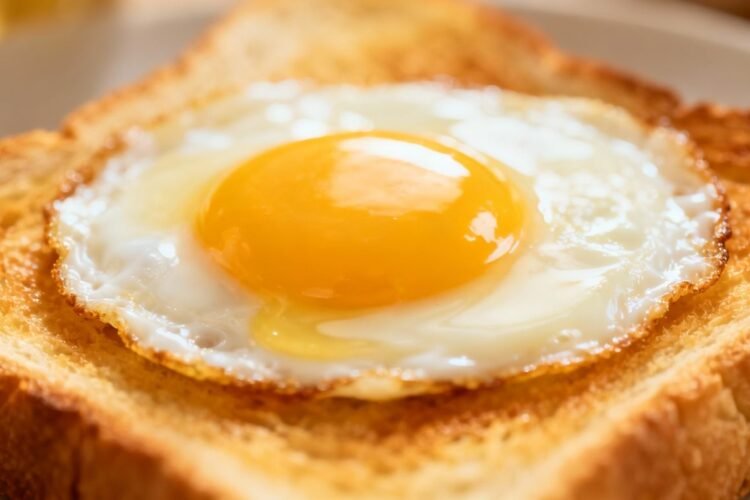
Making a great fried egg on toast doesn’t need to be complicated. It’s one of those simple meals that can really hit the spot, whether it’s breakfast, lunch, or a late-night snack. We’ll walk through how to get that perfect fried egg, from picking the right ingredients to using the correct heat, so you can enjoy it on toast every single time. Forget those fancy gadgets, this is all about simple kitchen skills.
Key Takeaways
- Using fresh eggs and the right kind of fat, like butter or oil, makes a big difference in how your fried egg on toast turns out.
- Controlling the heat is super important; too high and it burns, too low and it doesn’t cook right. Medium-low is usually the sweet spot.
- Whether you like a runny yolk or a fully cooked one, simple techniques can help you achieve your ideal fried egg on toast.
Achieving the Perfect Fried Egg on Toast
Essential Ingredients for Flawless Fried Eggs
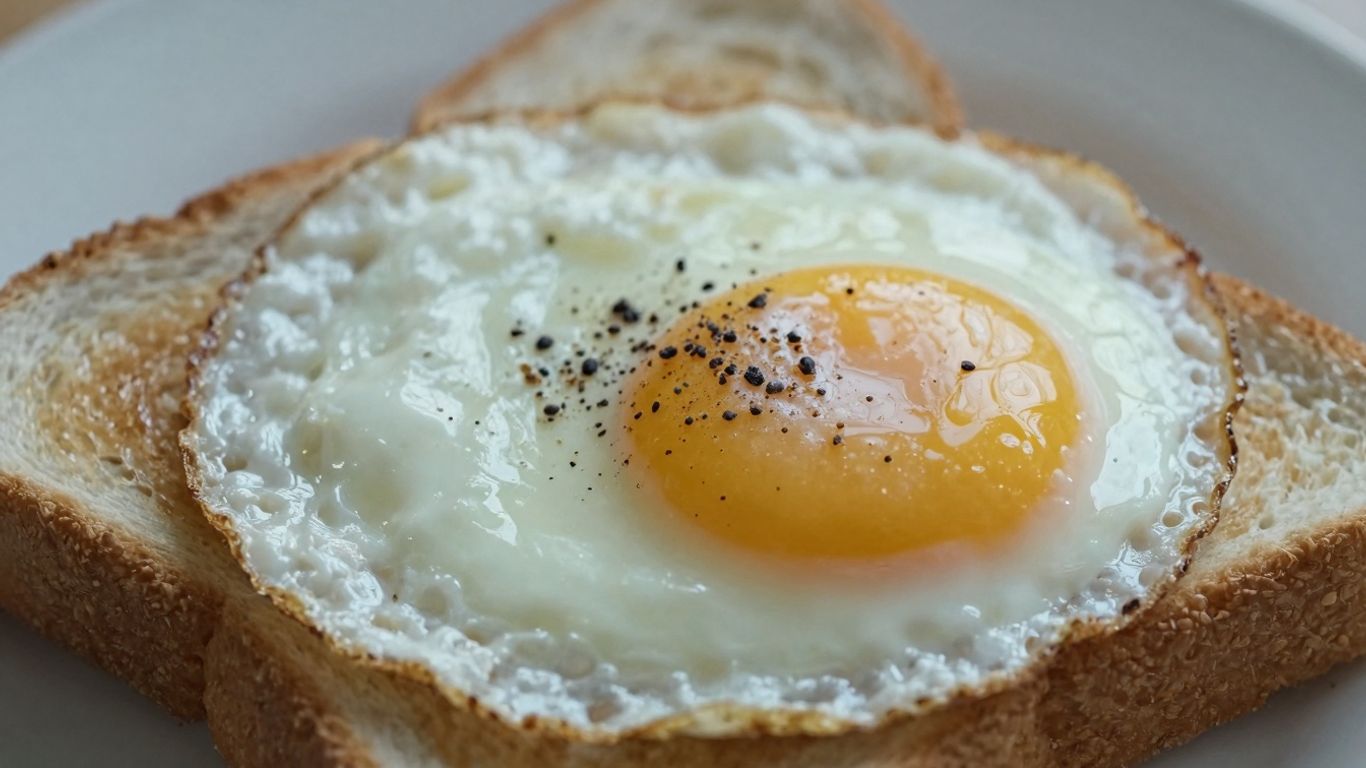
Making a truly great fried egg on toast isn’t complicated, but it does start with a few key things. You don’t need much, but what you do need should be good quality.
- Fresh Eggs: This is number one. The fresher the egg, the better it will hold its shape. You’ll get a tighter white and a yolk that sits up nicely. Aim for eggs that are within their sell-by date, but really, the fresher the better.
- The Right Fat: Whether you go for butter, olive oil, or a mix, the fat is important for flavor and preventing sticking. Butter gives a nice richness, while oil can help achieve crispier edges.
- Salt and Pepper: Simple, but don’t skip it. A good pinch of salt and a grind of fresh pepper at the right time makes all the difference.
- Good Bread: Of course, you need something to put that perfect egg on! A sturdy slice of toast that can hold up to the runny yolk is a must.
The magic really happens when the yolk bursts and mixes with the toast. It’s a simple pleasure, but one that requires a little attention to detail to get just right. Don’t rush it; enjoy the process.
Choosing the Right Fat and Heat for Your Fried Egg
Getting the heat and fat right is probably the most important part of frying an egg. It dictates the texture of the white and how the yolk cooks.
Here’s a quick guide:
| Desired Texture | Recommended Fat | Pan Heat | Notes |
|---|---|---|---|
| Soft, Tender Edges | Butter | Medium-Low | Melt butter slowly, don’t let it brown too much. |
| Crispy, Golden Edges | Olive Oil or Sunflower Oil | Medium-High | Use enough oil to coat the pan. Watch for spitting. |
| Rich & Slightly Crispy | Ghee or Butter/Oil Mix | Medium | Offers a good balance of flavor and texture. |
The key is to control the heat. If the pan is too hot, the whites can burn before the yolk is cooked. If it’s too low, the egg can take ages and might end up rubbery. Finding that sweet spot is what separates a good fried egg from a great one. For most people, a medium heat is a good starting point, and you can adjust from there based on your pan and your preference.
Mastering Different Fried Egg Styles
Alright, so you’ve got your ingredients sorted and your heat game on point. Now, let’s talk about how you actually want your egg to turn out. Because, believe it or not, there’s more than one way to fry an egg, and each one has its own little charm.
Sunny-Side Up Perfection
This is the classic, the one most of us probably learned first. The goal here is a fully cooked white, no slimy bits, and a yolk that’s still liquid gold, just waiting to ooze out. You want to keep the heat pretty low to medium-low. Let the egg cook gently until the whites are set but the yolk is still jiggly. Don’t you dare flip it! You can even spoon a little of the hot fat over the whites to help them cook through without overdoing the yolk.
- Low and Slow: Patience is key. Keep the heat gentle.
- Basting: Spooning hot fat over the whites helps them set.
- Visual Check: Watch for the whites to turn opaque, but the yolk should still be bright and wobbly.
Crispy Edges and Runny Yolks
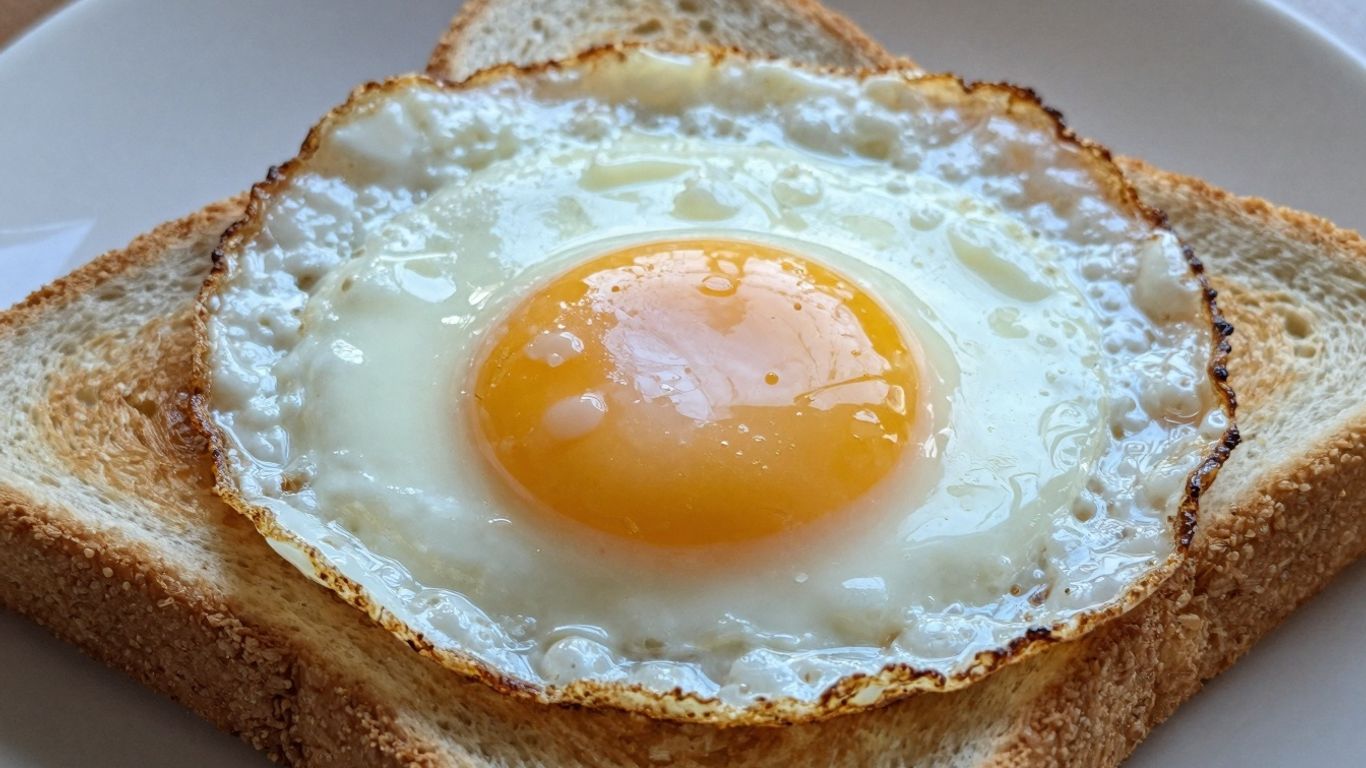
Now, if you’re like me and love that little bit of crunch, this is your jam. For this style, you’ll want a bit more heat and a bit more fat, usually oil or bacon grease works best. Get that pan nice and hot, but not smoking. Carefully slide your egg in. The edges will start to bubble and crisp up almost immediately. You can still aim for a runny yolk, but you’ll get those delightful crispy bits around the edges of the white. Some people even give it a quick flip, but you can achieve this without flipping too, just by letting the hot fat work its magic.
- Higher Heat: Medium-high heat is your friend here.
- Plenty of Fat: Use oil or bacon fat for that crispy texture.
- Watch Closely: This method cooks fast, so keep an eye on it to avoid burning.
Some folks swear by covering the pan for a minute or two, especially for sunny-side up. It traps steam and helps cook the top of the white without needing to baste or flip. It’s a neat trick if you’re struggling to get those whites fully set.
Here’s a quick rundown of what you might aim for:
| Style | White Texture | Yolk Consistency | Heat Level | Notes |
|---|---|---|---|---|
| Sunny-Side Up | Tender, fully set | Liquid | Low-Medium | No flipping, gentle cooking |
| Crispy Edges | Crispy, browned | Liquid to Medium | Medium-High | Hot fat is key, watch for burning |
| Over-Easy | Tender | Very Runny | Medium | Quick flip, yolk stays very liquid |
| Over-Medium | Tender | Jammy | Medium | Flip longer, yolk thickens but still soft |
| Over-Hard | Tender | Firm | Medium | Flip and cook until yolk is solid |
So, pick your fighter and go for it! Each style has its place, and mastering them means you’re ready for any egg craving that comes your way.
Enjoy Your Perfect Fried Egg!
So there you have it. Frying an egg perfectly might seem like a small thing, but it really makes a difference, doesn’t it? Whether you like your yolk runny or firm, your whites just set or a little crispy, you’ve got the know-how now. It’s not complicated, just takes a little attention. Now you can make that perfect fried egg on toast whenever the craving hits. Go ahead, give it a try. You’ve earned it!
Frequently Asked Questions
What’s the best way to get crispy edges on my fried egg?
To get those delicious crispy edges, use a good amount of oil, like olive or canola oil, in your pan. Heat the oil until it’s nice and hot, but not smoking. When you crack the egg into the hot oil, the edges will sizzle and turn golden brown and crispy. You can even spoon some of the hot oil over the top of the egg white as it cooks to help it crisp up.
How do I avoid chewy egg whites when frying an egg?
Chewy egg whites often happen when the heat is too high or too low for too long. Try cooking your egg over medium-low heat. If the white isn’t setting nicely, you can gently spoon some of the hot fat from the pan over the whites. Another trick is to cover the pan for a minute or two after cracking the egg; this traps steam and helps cook the whites gently without overcooking them.
Can I use butter or oil for frying eggs?
Absolutely! Both butter and oil work great, and they give different flavors and textures. Butter will give you a richer, slightly nutty taste and softer edges. Oil, like canola or olive oil, tends to create crispier edges and has a higher smoke point, meaning it can get hotter without burning. Some people even like to use bacon fat for extra flavor!