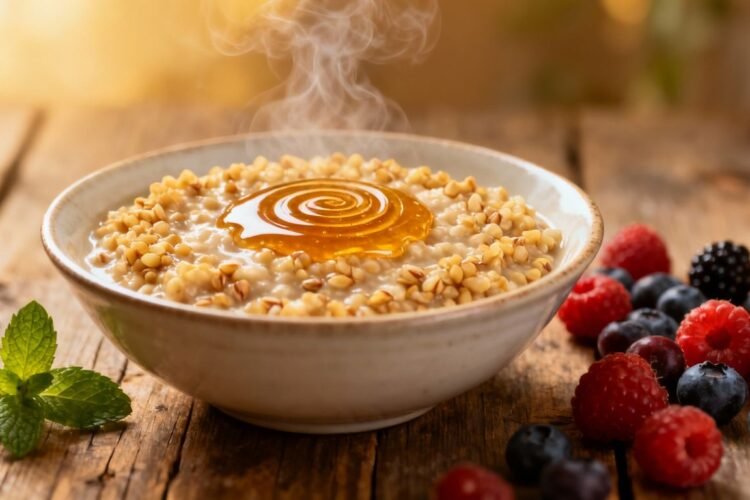
Buckwheat might sound fancy, but making a warm bowl of buckwheat porridge is actually super easy. Forget complicated steps or hard-to-find ingredients. This guide is all about showing you how to make buckwheat porridge simply and effectively. Whether you’re new to cooking or just looking for a quick breakfast idea, we’ll walk you through it.
Key Takeaways
- Buckwheat is a gluten-free seed, not a grain, and offers good nutrients.
- Making buckwheat porridge involves simple steps like rinsing groats and cooking them with liquid.
- You can add various ingredients to your porridge for extra flavor and texture.
Understanding Buckwheat and Its Benefits
Exploring The World Of Buckwheat
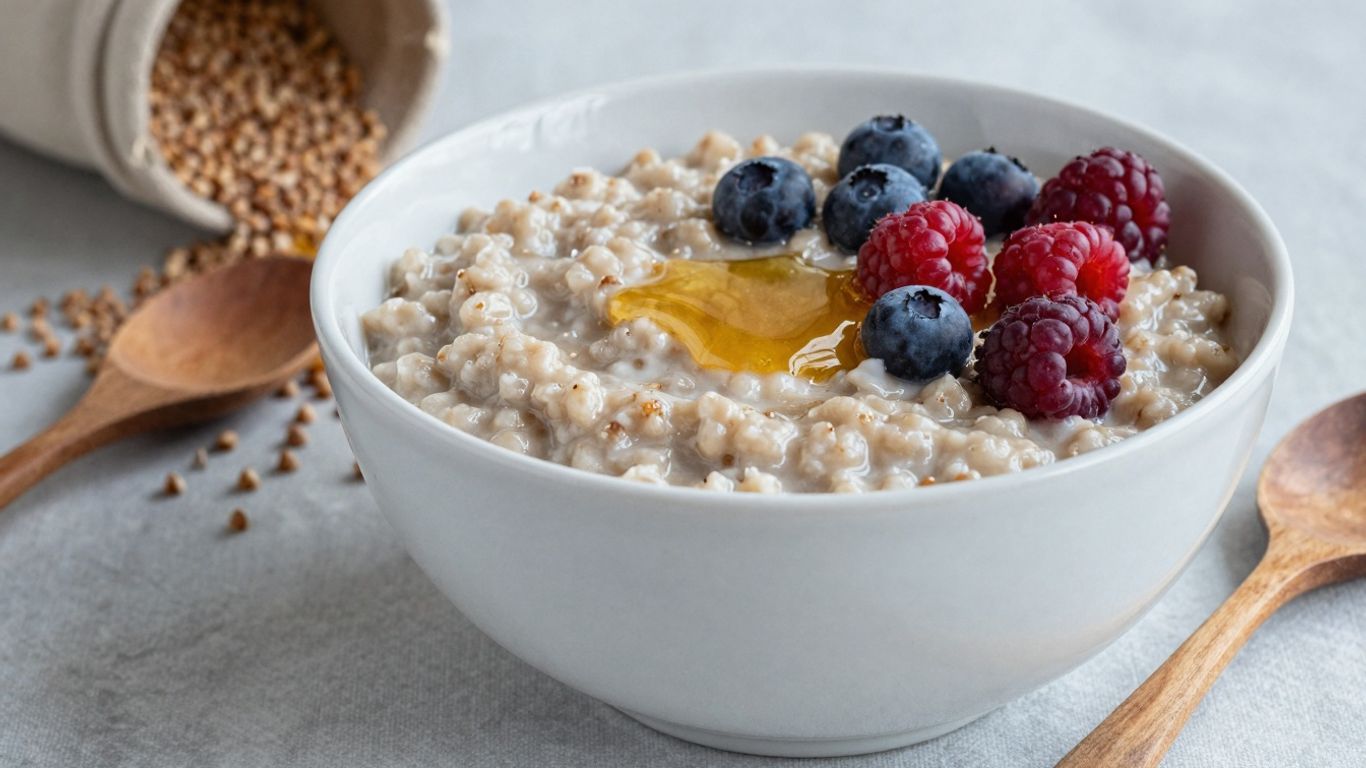
So, what exactly is buckwheat? It’s a bit of a trickster, really. Despite the name, it’s not actually a type of wheat at all. Think of it more like a cousin to rhubarb, botanically speaking. Buckwheat comes from a flowering plant and its seeds are small, triangular, and kind of look like tiny tricorne hats. You’ll most often find them as groats, which are basically the whole, hulled seeds. It’s been a staple food in places like Eastern Europe for ages, often showing up in traditional dishes and during fasting periods because it’s filling and good for you. Lately, it’s been getting a lot of attention as a "superfood," especially with more people looking for gluten-free and plant-based options. It’s pretty versatile too; you can cook it like a grain, use its flour in baking, or even find it in soba noodles.
Nutritional Powerhouse Of Buckwheat
Buckwheat really shines when it comes to what’s inside. It’s packed with good stuff that your body will thank you for. For starters, it’s a great source of complex carbohydrates that release energy slowly, which means no crazy sugar spikes after you eat it. This is a big win for keeping your energy levels steady throughout the day.
Here’s a quick look at some of the key nutrients you get:
- Complete Protein: This is pretty rare for plant-based foods, making buckwheat a fantastic option if you’re not eating meat.
- Fiber: Good for your gut and helps you feel full longer.
- Minerals: You’ll find important ones like magnesium, manganese, copper, and phosphorus.
- Iron: Especially helpful for folks who don’t eat meat or for people who need extra iron.
- Antioxidants: Compounds like rutin and quercetin are present, which are thought to help with inflammation and keeping your blood vessels strong.
And, of course, the big one for many people: it’s naturally gluten-free. Just be mindful that sometimes it can get mixed with wheat during processing, so if you have celiac disease, always check the packaging.
Buckwheat’s unique nutritional profile makes it a standout ingredient. It offers a good balance of macronutrients and a rich array of micronutrients, supporting overall health without the gluten found in traditional grains.
How To Make Buckwheat Porridge
Making buckwheat porridge is pretty straightforward, honestly. It’s not one of those fancy recipes that requires a million ingredients or a culinary degree. You can whip up a basic pot of this nutty grain without much fuss.
Preparing Your Buckwheat Groats
Before you even think about cooking, you need to get your buckwheat groats ready. Most people use what’s called ‘kasha,’ which are toasted buckwheat groats. They have a deeper, nuttier flavor and hold their shape better. If you happen to have the raw, green kind, they can turn a bit mushy, so toasting them yourself in a dry pan until they turn golden brown is a good idea. Or, just buy the toasted ones – easier!
- Rinse the groats: Give them a good rinse under cold water. This gets rid of any dust or debris.
- Soaking (Optional but Recommended): For a creamier texture and easier digestion, you can soak the groats overnight in water. Just cover them with water and let them sit on the counter.
- Drain: If you soaked them, drain all the water before cooking.
Cooking Your Buckwheat Porridge
Once your groats are prepped, it’s time to cook. The basic ratio is usually 1 part buckwheat to 2 parts liquid. You can use water, milk, or a mix of both. The key is to get the liquid-to-grain ratio right for the texture you want.
Here’s a simple stovetop method:
- Combine your rinsed (and drained, if soaked) buckwheat groats with your chosen liquid (water, milk, or a blend) in a saucepan. Add a pinch of salt.
- Bring the mixture to a boil over medium-high heat.
- Once boiling, reduce the heat to low, cover the pot tightly, and let it simmer.
- Cook for about 15-20 minutes, or until the liquid is absorbed and the groats are tender.
- Turn off the heat and let the porridge sit, covered, for another 5-10 minutes. This lets it steam and thicken up nicely.
- Fluff with a fork before serving.
Cooking buckwheat can sometimes be a bit tricky. If it’s too watery, you might have used too much liquid or not cooked it long enough. If it’s too dry and sticking, you might need a bit more liquid next time, or perhaps a lower heat. Don’t be afraid to adjust as you go!
For a quicker method, especially if you have an Instant Pot, you can cook it under high pressure for about 5-8 minutes, followed by a natural pressure release. Just make sure to check your specific cooker’s instructions.
Elevating Your Buckwheat Porridge
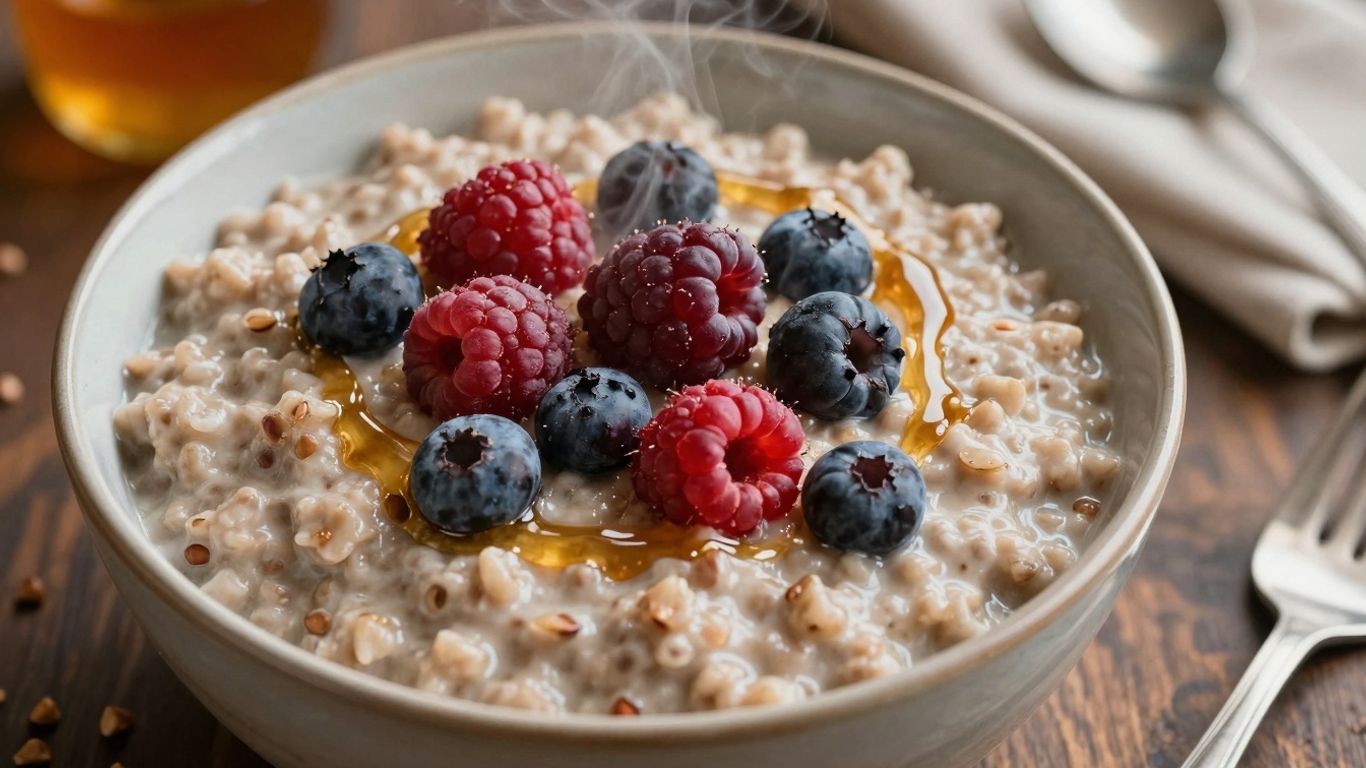
So, you’ve mastered the basic buckwheat porridge. Nice! But honestly, eating it plain every day can get a little… well, plain. The good news is, buckwheat is a super versatile grain, and there are tons of ways to jazz it up. It’s got this nice, nutty flavor that plays well with a lot of different things, so don’t be afraid to experiment.
Flavorful Additions For Your Porridge
Think of your porridge as a blank canvas. You can go sweet, savory, or somewhere in between. Here are some ideas to get you started:
- Sweet & Fruity: Mix in some fresh berries, sliced banana, chopped apples, or a handful of raisins. A drizzle of honey, maple syrup, or a spoonful of fruit preserves works wonders too. For a bit of spice, try a pinch of cinnamon or nutmeg.
- Nutty & Crunchy: Toasted nuts like almonds, walnuts, or pecans add a great texture and depth of flavor. Seeds like chia, flax, or sunflower seeds are also good choices. A dollop of your favorite nut butter (peanut, almond, cashew) makes it extra creamy and satisfying.
- Savory Twists: Don’t shy away from savory! Sautéed mushrooms and onions are fantastic stirred in. A splash of soy sauce or a bit of miso paste can add a nice umami kick. Some people even like to add a bit of cheese or a drizzle of truffle oil for a more gourmet feel.
- Spices & Extracts: Beyond cinnamon, consider cardamom, ginger, or even a touch of vanilla extract. These little additions can make a big difference.
Troubleshooting Common Issues
Sometimes, things don’t go exactly as planned. Here are a couple of common hiccups and how to fix them:
- Too Thick or Gummy: If your porridge ends up too thick, just stir in a little more liquid (water, milk, or plant-based milk) until you reach your desired consistency. Cook for another minute or two.
- Too Watery: If it’s too thin, you can try simmering it uncovered for a few extra minutes to let some of the liquid evaporate. Alternatively, stir in a tablespoon of chia seeds or a bit of rolled oats and let it sit for a few minutes to thicken.
- Burn Notice (if using a pressure cooker): This usually means not enough liquid or the groats settled at the bottom. Make sure you have enough liquid and give everything a good stir before cooking. Deglazing the pot after sautéing any ingredients also helps.
Remember, the goal is to make a meal you genuinely enjoy. Don’t be afraid to try new combinations. What works for one person might not be your favorite, and that’s perfectly okay. The best porridge is the one that tastes good to you.
Your Buckwheat Journey Begins
So there you have it! Making buckwheat porridge isn’t some complicated culinary feat. It’s actually pretty straightforward, and now you’ve got the steps down. Whether you like it plain and simple or loaded up with toppings, this versatile grain is a great addition to your meals. Don’t be afraid to experiment a little – maybe try adding some spices or different fruits next time. Enjoy exploring all the tasty ways you can make buckwheat a regular part of your diet.
Frequently Asked Questions
How do I prepare buckwheat groats before cooking?
Before you start cooking your buckwheat groats, it’s a good idea to rinse them well under cool water. This helps get rid of any dust or tiny bits that might be on them. Just put them in a fine-mesh sieve and give them a good rinse.
Can I make buckwheat porridge ahead of time?
Yes, you absolutely can! You can cook a larger batch of buckwheat porridge and store it in the fridge for a few days. When you want some, just reheat it on the stove or in the microwave. You might need to add a splash of milk or water to get the right creamy texture again.
What are some healthy additions to buckwheat porridge?
Buckwheat porridge is great on its own, but you can jazz it up with lots of healthy things! Try adding fresh fruits like berries or sliced bananas, a sprinkle of nuts or seeds for crunch, a drizzle of honey or maple syrup for sweetness, or even a spoonful of nut butter for extra flavor and protein.