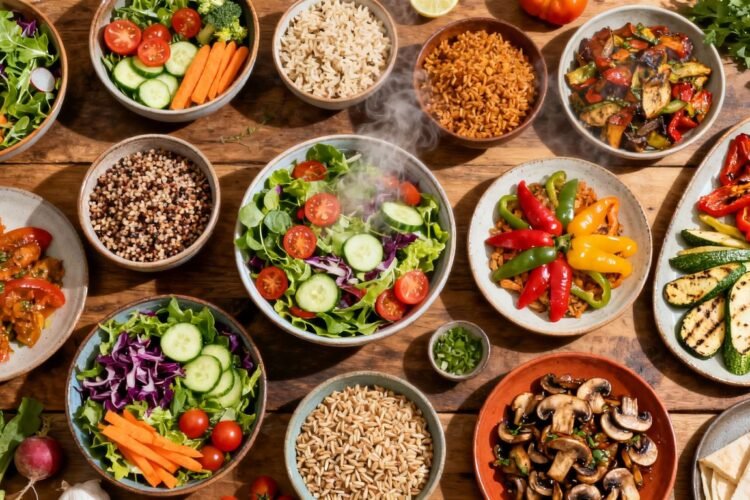
Hey everyone! Today, we’re diving into the amazing world of vegetarian food, especially all the incredible Indian dishes out there. It’s more than just salads and tofu, trust me. Indian food has this incredible way of using spices and fresh ingredients to make vegetables the absolute stars of the plate. We’ll be exploring everything from quick street snacks to fancy desserts, and even some cool new takes on old favorites. Get ready to have your taste buds tickled!
Key Takeaways
- Vegetarian Indian cuisine offers a wide range of flavors, from spicy curries to sweet desserts and refreshing drinks.
- Exploring regional specialties and modern fusion dishes reveals the diverse and evolving nature of vegetarian Indian food.
- From appetizers to main courses and beverages, vegetarian Indian dining provides a rich and satisfying culinary experience for everyone.
Exploring the Rich Tapestry of Vegetarian Indian Cuisine
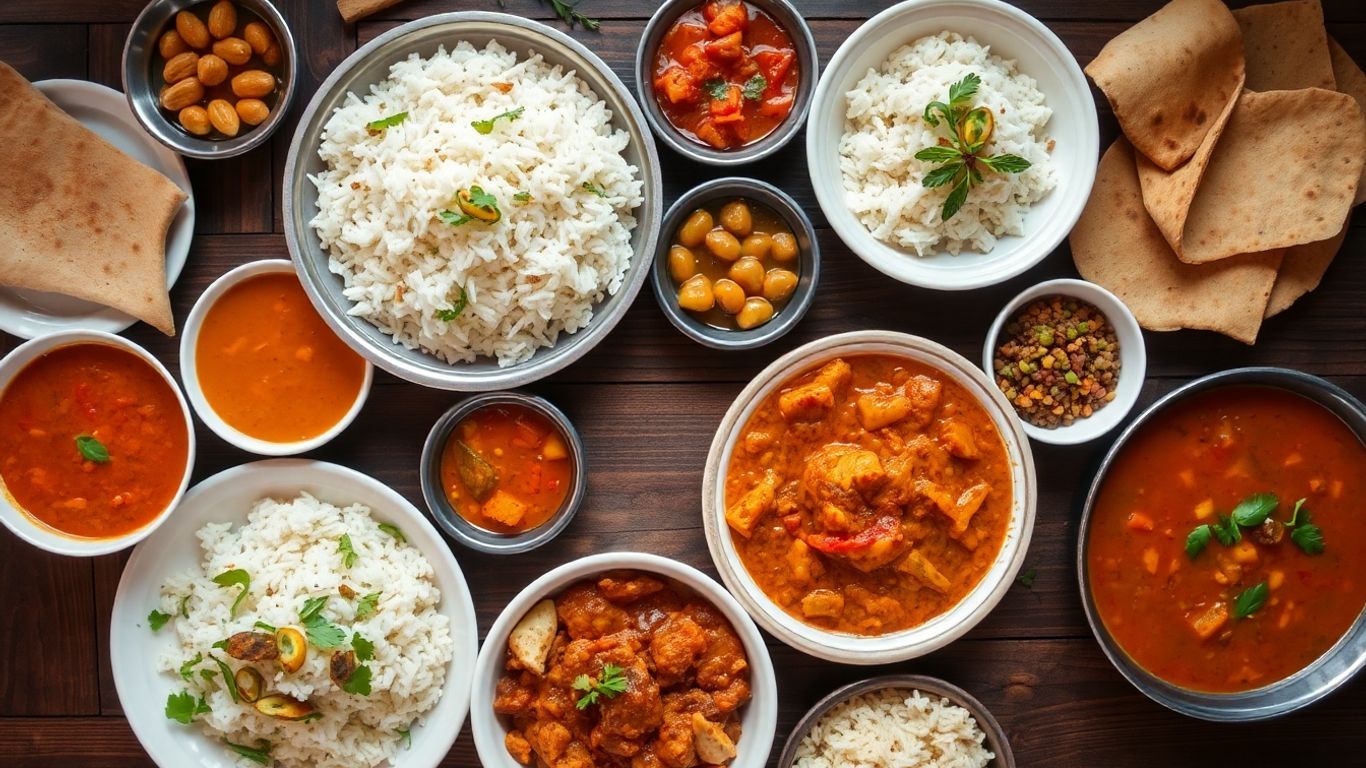
Indian cuisine is a world unto itself when it comes to vegetarian food. It’s not just an afterthought; it’s a core part of the culinary tradition, with centuries of history and regional variations. From the north to the south, east to west, you’ll find an incredible diversity of dishes that celebrate vegetables, grains, and legumes in ways that are both comforting and exciting.
Flavorful Beginnings: Exploring Vegetarian Indian Appetizers
Starting a vegetarian Indian meal is an experience in itself. Forget bland starters; Indian appetizers are packed with flavor and texture. Think about crispy, golden samosas, usually filled with spiced potatoes and peas, or the delightful paneer tikka, where cubes of soft cheese are marinated in yogurt and spices before being grilled. These aren’t just snacks; they’re an introduction to the complex spice profiles that define Indian cooking. They often come with vibrant chutneys – mint, tamarind, or mango – that add a burst of freshness or a tangy kick.
- Samosas: Deep-fried pastries with savory fillings.
- Pakoras: Vegetable fritters, often made with onions, potatoes, or spinach.
- Paneer Tikka: Marinated and grilled cubes of Indian cottage cheese.
- Aloo Tikki: Spiced potato patties, pan-fried until crisp.
The art of Indian appetizers lies in their ability to awaken the palate. They are designed to be flavorful without being overwhelming, setting the stage for the main course with a delightful mix of spices and textures.
Spice Sensations: A Dive into Vegetarian Indian Curries
Curries are the heart and soul of Indian cuisine, and the vegetarian versions are truly spectacular. These aren’t just simple vegetable stews; they are complex dishes where spices are masterfully blended to create deep, rich flavors. You have creamy, tomato-based curries like Paneer Butter Masala, where soft paneer cheese swims in a luxurious sauce. Then there are heartier options like Chana Masala, made with chickpeas in a spicy, tangy gravy, or Dal Makhani, a slow-cooked lentil dish that’s incredibly rich and satisfying. Each region has its own take, using different spice combinations and local ingredients. These curries are often served with fluffy basmati rice or warm, soft breads like naan or roti, making for a complete and deeply satisfying meal.
| Curry Type | Main Ingredient | Flavor Profile |
|---|---|---|
| Paneer Butter Masala | Paneer Cheese | Creamy, Rich, Mildly Sweet |
| Chana Masala | Chickpeas | Tangy, Spicy, Tomato-based |
| Dal Makhani | Black Lentils | Creamy, Earthy, Rich |
| Aloo Gobi | Potatoes & Cauliflower | Savory, Spiced, Dry |
| Malai Kofta | Vegetable/Paneer Dumplings | Creamy, Rich, Mildly Sweet |
Global Flavors and Modern Delights in Vegetarian Cuisine
Regional Specialties: Unique Vegetarian Dishes from Across India
India’s food scene is as varied as its geography, and the vegetarian dishes are no exception. Each area has its own special way of cooking, using local ingredients and traditions. For example, down south in Kerala, you’ll find lots of dishes made with coconut, which grows everywhere there. Think creamy curries and flavorful vegetable stews. Then, head west to Rajasthan, and you’ll discover hearty meals like Dal Baati Churma. This dish uses lentils and wheat, perfect for a drier climate. It’s more than just food; these recipes are passed down through families, telling stories of the region’s history and culture.
Here’s a quick look at some regional vegetarian highlights:
- North India: Rich, creamy dishes often featuring paneer (Indian cheese), like Palak Paneer or Paneer Butter Masala. Lots of flatbreads like naan and roti are common.
- South India: Lighter fare, often rice-based. Think dosas (thin crepes), idlis (steamed rice cakes), and sambar (a lentil and vegetable stew). Coconut is a frequent ingredient.
- West India: Influenced by coastal and arid regions. Gujarati cuisine is known for its sweet and savory combinations, while Maharashtrian food can be quite spicy.
- East India: Rice and fish are staples, but vegetarian options include lentil dishes and vegetable preparations often flavored with mustard oil.
Fusion Feasts: Modern Twists on Traditional Vegetarian Indian Fare
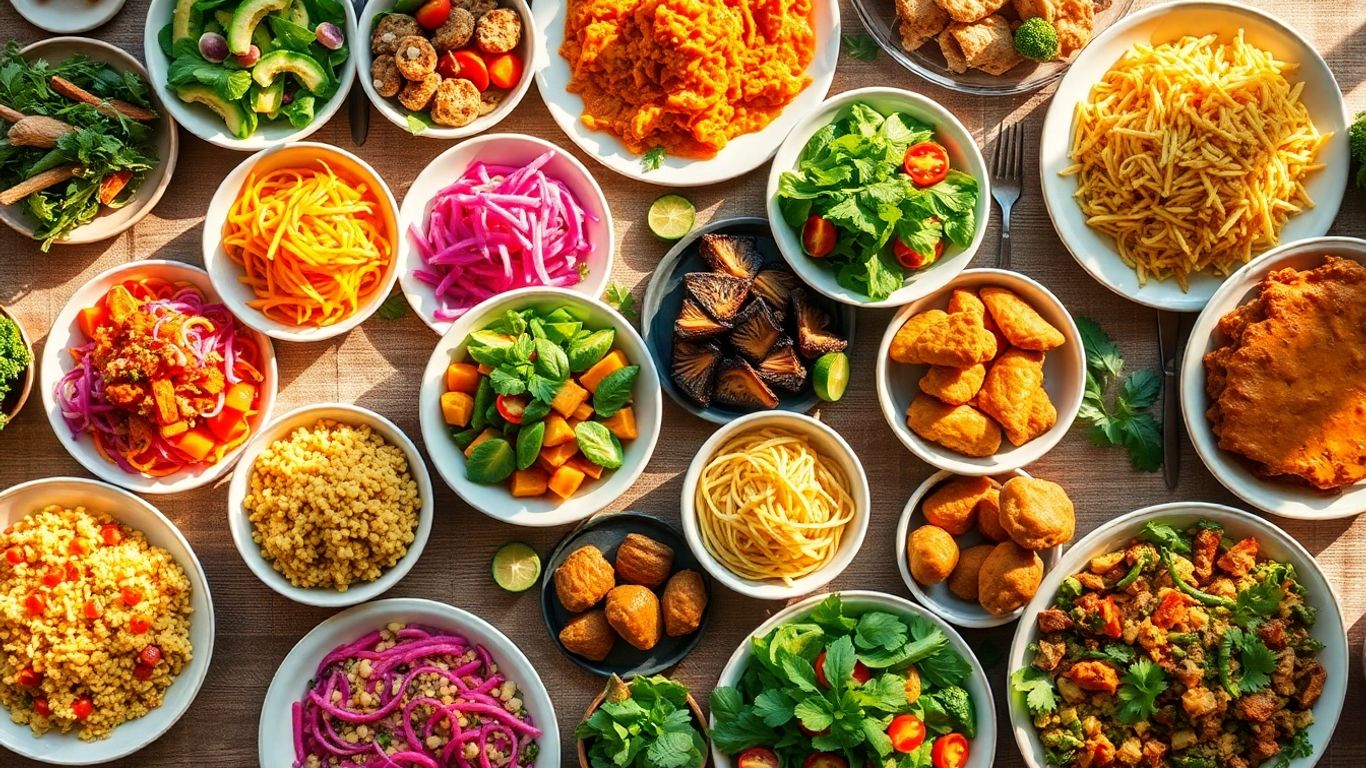
Vegetarian Indian food isn’t just about sticking to old recipes. Chefs these days are getting creative, mixing Indian flavors with tastes from all over the world. You might find things like Vegetable Manchurian, which is basically Indian-style fried vegetables in a Chinese-inspired sauce. Or maybe a Paneer Tikka Pizza, where the popular marinated cheese gets a new home on a pizza crust. These new dishes are popping up everywhere, from casual cafes to fancier restaurants. They show how Indian food can change and still be delicious and exciting.
It’s fascinating to see how familiar spices and ingredients are being used in completely new ways. This blending of culinary traditions keeps the food scene fresh and offers something for everyone, whether you’re a longtime fan of Indian food or just starting to explore it.
The Art of Vegetarian Indian Dining
Street Food Delights: Vegetarian Indian Snacks on the Go
When you’re out and about in India, or even at a good Indian restaurant, the street food is where it’s at. It’s not just about quick bites; it’s a whole experience. Think about biting into a crispy, golden samosa, stuffed with spiced potatoes and peas. Or maybe a plate of colorful chaat, a mix of fried dough, potatoes, chickpeas, and tangy chutneys. These snacks are usually made fresh right in front of you, and they’re perfect for grabbing a bite while you’re exploring.
- Pakoras: Deep-fried fritters made with vegetables like onions, potatoes, or spinach, coated in a spiced chickpea flour batter.
- Vada Pav: A spicy potato patty served in a soft bread roll, often with chutneys.
- Dahi Vada: Soft lentil fritters soaked in creamy yogurt and topped with spices and chutneys.
These street snacks are more than just food; they’re a taste of everyday life and a quick way to sample a lot of different flavors.
Sweet Endings: Dessert Delicacies in Vegetarian Indian Cuisine
No Indian meal is truly complete without a sweet finish, and thankfully, vegetarian desserts are plentiful and delicious. These sweets often use milk, sugar, and aromatic spices like cardamom. They can range from rich and creamy to light and refreshing.
Here are a few popular choices:
- Gulab Jamun: Soft, deep-fried dough balls soaked in a rose-scented sugar syrup. They’re incredibly sweet and melt in your mouth.
- Kheer: A creamy rice pudding, slow-cooked with milk, sugar, and flavored with cardamom, saffron, and nuts like almonds or pistachios.
- Rasmalai: Spongy cottage cheese dumplings soaked in sweetened, thickened milk, often flavored with cardamom and garnished with pistachios.
Herbal Infusions: Beverages that Complement Vegetarian Indian Meals
To wash it all down, there are some fantastic drinks that go perfectly with vegetarian Indian food. They help balance the spices and cleanse the palate.
- Lassi: A popular yogurt-based drink, it can be sweet or salty. The sweet version is often flavored with rosewater or mango.
- Masala Chai: This isn’t just tea; it’s a spiced black tea brewed with milk and a blend of aromatic spices like ginger, cardamom, cloves, and cinnamon. It’s a comforting and invigorating drink that’s a staple in Indian households.
- Nimbu Pani: A refreshing drink made from fresh lime or lemon juice, water, sugar, and sometimes a pinch of salt or cumin. It’s simple but incredibly effective at quenching thirst.
A World of Flavor Awaits
So, we’ve taken a pretty big bite out of the amazing world of vegetarian food, right? From the spicy streets of India to all sorts of modern twists, it’s clear that eating without meat is anything but boring. It’s a whole universe of tastes and textures, showing us just how creative and satisfying plant-based eating can be. Whether you’re a seasoned veggie lover or just curious, there’s always something new and delicious to try. So go ahead, explore those menus, try that new recipe, and discover your own favorite vegetarian delights. The adventure is definitely worth it.
Frequently Asked Questions
What makes Indian vegetarian food so special?
Indian vegetarian food is amazing because it uses so many different spices and fresh ingredients. It’s not just about avoiding meat; it’s about creating super tasty dishes with things like lentils, vegetables, and creamy yogurt. Plus, there are tons of regional dishes, so you can always try something new and exciting!
Are Indian vegetarian appetizers usually spicy?
Many Indian vegetarian appetizers have spices, but they aren’t always super hot. Things like samosas (fried pastries with potato filling) or paneer tikka (marinated cheese cubes) are seasoned with yummy spices that give them great flavor without being too spicy. They often come with cool dips like mint or yogurt sauce to balance the taste.
What are some popular Indian vegetarian desserts?
Indian desserts are a sweet treat! You’ll find yummy things like Kheer, which is a creamy rice pudding, and Gulab Jamun, which are soft, fried dough balls soaked in sweet syrup. They often have flavors like cardamom or rose, making them a perfect sweet ending to a meal.