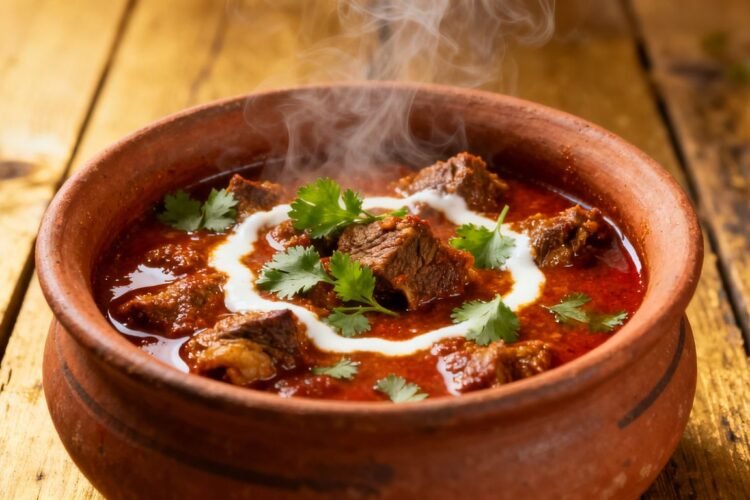
Welcome to our exploration of authentic Indian recipes for mutton! If you’re looking to bring some truly delicious and traditional flavors to your table, you’ve come to the right place. We’re going on a culinary journey through the rich spices and slow-cooked wonders that make Indian mutton dishes so special. Get ready to discover some amazing meals.
Key Takeaways
- Indian recipes for mutton often feature a complex blend of spices, creating deep and aromatic flavors.
- Slow-cooking methods are common for mutton dishes like Nihari, allowing the meat to become incredibly tender and flavorful.
- Exploring regional variations in Indian mutton preparations can introduce you to a wide array of unique tastes and cooking styles.
Exploring Authentic Indian Mutton Recipes
A Culinary Journey Through Rich Spices
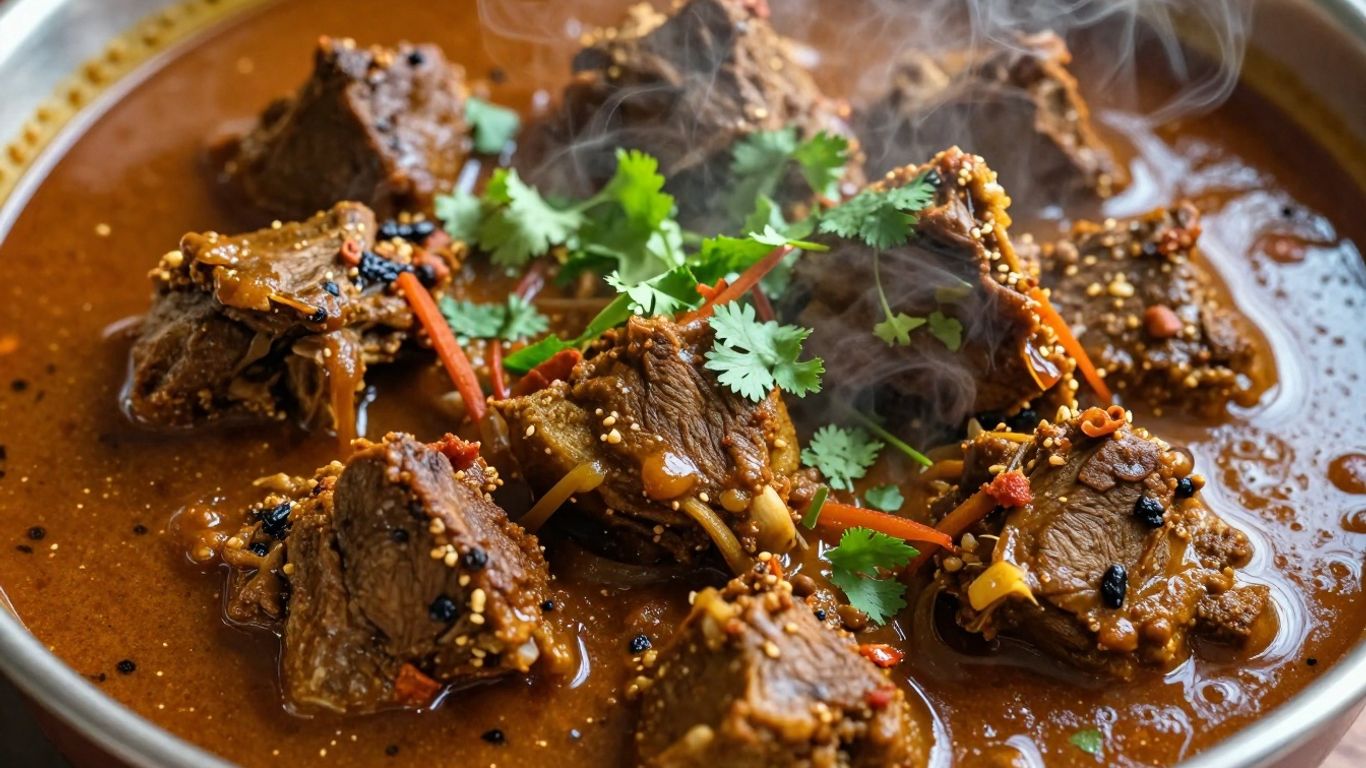
Indian cuisine is a vibrant tapestry woven with threads of history, culture, and an incredible array of spices. When it comes to mutton, or lamb and goat meat, this richness is particularly evident. Forget bland and boring; Indian mutton dishes are all about bold flavors, aromatic spices, and cooking techniques that have been perfected over centuries. It’s a journey that starts with understanding the heart of Indian cooking: the spice box.
Think about the sheer variety. You’ve got your foundational spices like cumin, coriander, turmeric, and chili powder, but then it gets more interesting. Whole spices like cardamom, cloves, cinnamon, and bay leaves add depth during the initial cooking, while ground spice blends, often unique to each region or even family, create the complex flavor profiles we love. Mastering these spice combinations is key to unlocking the true essence of authentic Indian mutton.
Here’s a peek at some common spice players:
- Cumin Seeds (Jeera): Earthy and warm, often tempered in hot oil.
- Coriander Powder (Dhania): Citrusy and slightly sweet, a common base for masalas.
- Turmeric Powder (Haldi): Adds a golden hue and a subtle peppery note.
- Red Chili Powder (Lal Mirch): Provides heat, with varieties ranging from mild to fiery.
- Garam Masala: A warming blend of ground spices, often added towards the end of cooking.
The art of Indian cooking isn’t just about throwing spices together; it’s about understanding how they interact, when to add them, and how to coax out their best flavors. It’s a slow dance of heat, aroma, and taste that transforms simple ingredients into something extraordinary.
Mastering Traditional Mutton Curry
When most people think of Indian mutton, a hearty curry often comes to mind. But there’s a world of difference between a generic curry and a truly authentic one. It’s about more than just simmering meat in a sauce; it’s a process that involves careful marination, building layers of flavor, and patient cooking.
Let’s break down the typical steps involved in creating a classic mutton curry:
- Marination: This is where the magic begins. Mutton is often marinated in yogurt, ginger-garlic paste, and a blend of ground spices. The yogurt tenderizes the meat, while the spices start to infuse their flavors deep within.
- Aromatics and Base: Onions are usually sautéed until golden brown, forming the sweet base of the gravy. Ginger and garlic paste are then added, followed by tomatoes or other thickening agents.
- Spice Infusion: Ground spices are added and cooked carefully to prevent burning, allowing their raw aroma to mellow and integrate.
- Slow Cooking: The marinated mutton is added, and the mixture is cooked, often for an extended period, allowing the meat to become incredibly tender and absorb all the complex flavors of the masala.
| Component | Typical Timeframe | Purpose |
|---|---|---|
| Marination | 30 mins – Overnight | Tenderizes meat, infuses initial flavors |
| Sautéing Aromatics | 10-15 minutes | Builds the sweet and savory base |
| Simmering Curry | 1-3 hours | Tenderizes mutton, melds all flavors |
It might sound like a lot of effort, but the result is a deeply satisfying dish that’s worlds away from anything you’d find in a hurry. Each spoonful is a testament to the time and care put into its creation.
Slow-Cooked Mutton Delicacies
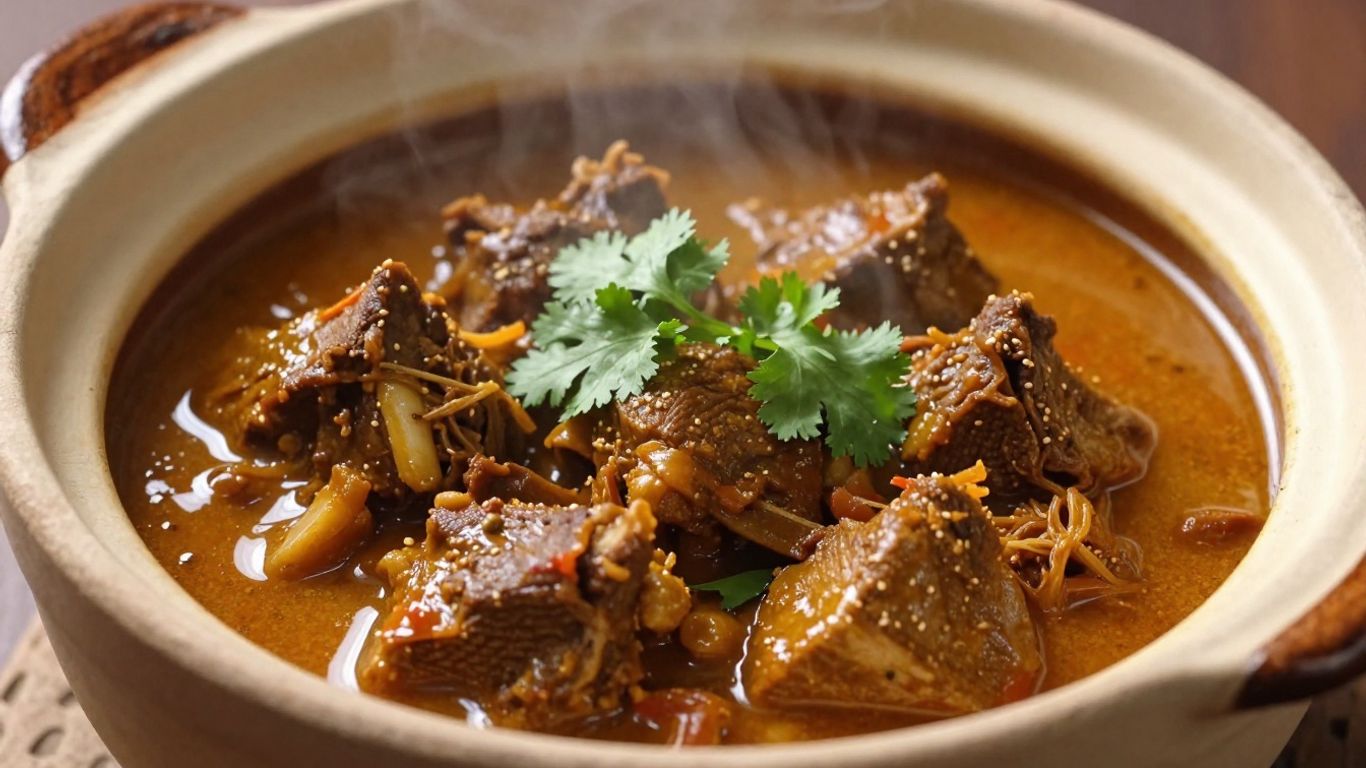
When it comes to mutton, some dishes truly shine when given the time and patience they deserve. Slow cooking isn’t just a method; it’s an art form that transforms tough cuts into melt-in-your-mouth masterpieces, infusing them with deep, complex flavors. This approach allows the spices to really penetrate the meat, creating a richness that’s hard to achieve any other way.
The Art of Mutton Nihari
Mutton Nihari is a classic example of slow-cooked perfection. Originally a dish for royalty, it’s a hearty stew that takes hours to prepare, often cooked overnight in traditional kitchens. The magic lies in the long, slow simmer, which breaks down the meat until it’s incredibly tender, usually from the shank portion for that extra gelatinous richness. The base is typically thickened with wheat flour, creating a velvety texture that coats every piece of meat. Making your own nihari masala from scratch, with a blend of roasted whole spices like cardamom, cloves, cinnamon, and fennel, adds another layer of authentic flavor.
Here’s a general idea of the process:
- Prepare the Nihari Masala: Dry roast various whole spices (like cumin, fennel, cardamom, cloves, cinnamon, peppercorns) until fragrant, then grind them into a fine powder.
- Sauté Aromatics: In a heavy-bottomed pot, heat ghee or oil and fry sliced onions until golden brown.
- Sear the Mutton: Add mutton pieces, ginger-garlic paste, and common spices like turmeric and coriander powder. Sauté for a few minutes.
- Slow Cook: Stir in the prepared nihari masala and a generous amount of water. Cover and cook on very low heat for at least 4-6 hours, or until the meat is falling off the bone. You’ll know it’s ready when it easily breaks apart with a spoon.
- Thicken the Stew: Dissolve wheat flour in a little water and stir it into the nihari to achieve the desired consistency.
- Garnish and Serve: Finish with fresh coriander, slivers of ginger, and a squeeze of lime juice. Nihari is traditionally served with naan or roti for breakfast, but it’s delicious any time of day.
Nihari’s slow cooking process is key to its signature texture and deep flavor profile. It’s a dish that rewards patience with an incredibly tender and aromatic result, a true testament to traditional Indian culinary techniques.
Regional Mutton Preparations
Beyond Nihari, India boasts a diverse array of slow-cooked mutton dishes, each with its own unique character shaped by regional ingredients and traditions. For instance, in parts of Maharashtra, you might find slow-cooked mutton preparations that draw inspiration from Malvani cuisine, where the meat is simmered for an hour or more until the spices are fully absorbed, resulting in a succulent and flavorful dish. These recipes often emphasize patience, with the understanding that true flavor develops over time, stirring intermittently to ensure the meat doesn’t stick and the spices meld beautifully. While a pressure cooker can speed things up, many home cooks believe the authentic taste is best achieved through the traditional slow-cooking method, even if it means dedicating more time to the kitchen. It’s about letting the ingredients speak for themselves and allowing the cooking process to work its magic, one slow bubble at a time.
Wrapping Up Your Mutton Adventure
So there you have it! We’ve taken a little trip through some really tasty Indian mutton dishes. From rich curries to slow-cooked stews, it’s clear that mutton is a star in Indian cooking. It’s not just about the food, though; it’s about the traditions and the way these recipes bring people together. Whether you tried making a spicy curry or a fancy Nihari, I hope you had fun in the kitchen and enjoyed the delicious results. Don’t be afraid to experiment with the spices next time – that’s where the real magic happens. Happy cooking, everyone!
Frequently Asked Questions
What makes Indian mutton curries so special?
Indian mutton curries are famous because they use a lot of different spices that create amazing smells and tastes. The meat is often cooked slowly so it becomes super tender and soaks up all the yummy flavors from the spices and sauces. It’s like a flavor party in your mouth!
What is Nihari and why does it take so long to cook?
Nihari is a special kind of mutton stew that was once only made for kings. It takes a long time, sometimes hours, to cook because the meat needs to be cooked very slowly on low heat. This makes the mutton incredibly soft and allows all the spices to mix in perfectly, creating a really rich taste. It’s worth the wait for a special meal!
Can I make these Indian mutton dishes at home?
Absolutely! Many recipes for Indian mutton dishes are designed for home cooks. While some, like Nihari, take time, they often involve simple steps like marinating the meat and then letting it cook. With a good recipe and a little patience, you can make delicious and authentic mutton dishes right in your own kitchen.