South Indian cuisine is a vibrant tapestry of tastes and aromas, offering a delightful culinary adventure for everyone. From comforting breakfast staples to hearty main courses and sweet endings, these south indian recipes are designed to please any palate. Get ready to bring the authentic flavors of South India right into your kitchen with dishes that are as easy to make as they are delicious to eat.
Key Takeaways
- Explore classic south indian recipes like Idli and Masala Dosa for a taste of tradition.
- Discover hearty dishes such as Sambar and Pongal that offer comforting flavors and nutrition.
- Conclude your meals with sweet south indian recipes like Payasam and Kesari for a perfect finish.
Discovering Classic South Indian Recipes
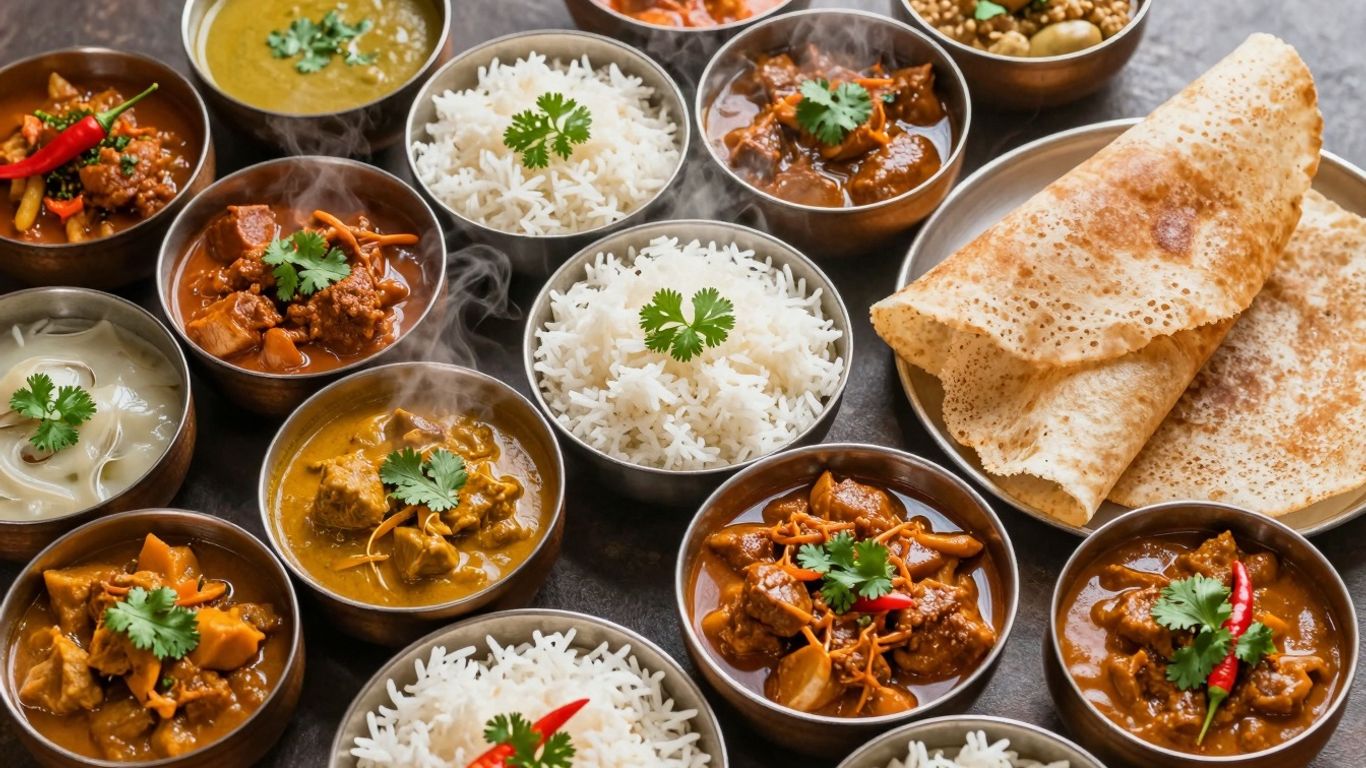
South Indian food is really something special, isn’t it? It’s got this amazing mix of flavors and textures that just feels so comforting and exciting all at once. We’re going to start by looking at some of the absolute classics, the dishes that most people think of when they hear "South Indian food." These are the recipes that have been around forever, passed down through generations, and for good reason. They’re not just tasty; they’re often pretty healthy too, which is a nice bonus.
Idli: The Steamed Rice Cake Delight
First up, we have Idli. If you haven’t tried Idli before, imagine a soft, fluffy, steamed cake. It’s made from a batter of rice and urad dal (that’s split black lentils), which is fermented for a bit. This fermentation is key; it gives Idli its unique texture and a subtle tang. Idlis are incredibly light and easy to digest, making them a popular breakfast choice, especially for kids and older folks. They’re usually served with a couple of sides: sambar, which we’ll get to next, and various chutneys, like coconut or tomato. You can make the batter ahead of time and keep it in the fridge, which is super handy for busy mornings.
Masala Dosa: A Crispy Potato-Filled Sensation
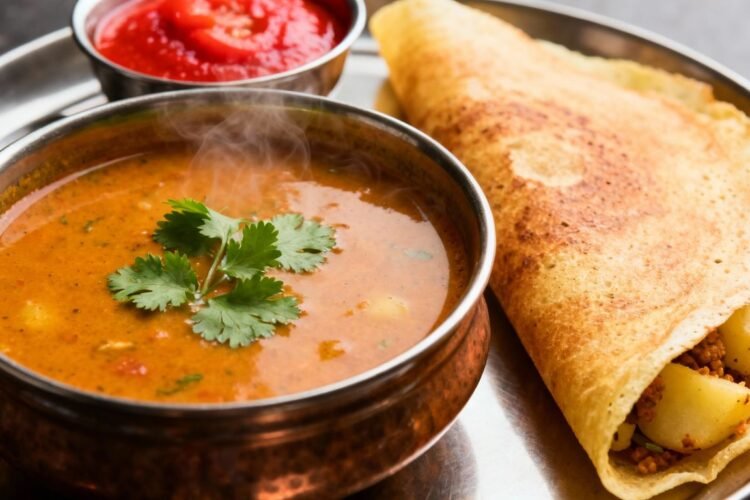
Next on our classic list is the Masala Dosa. This one is a real showstopper. It’s a large, thin, crispy crepe made from the same kind of fermented rice and lentil batter as Idli, but it’s cooked on a hot griddle until it’s golden brown and wonderfully crisp. The magic happens when you add the filling: a spiced potato mixture, usually flavored with onions, ginger, and a few select spices. It’s folded over, and then you get this amazing contrast between the crunchy exterior and the soft, flavorful filling. Like Idli, it’s typically served with sambar and chutney. It might seem a bit intimidating to make at first, but once you get the hang of spreading the batter thinly, it’s totally doable.
Making these classics at home is a rewarding experience. Don’t be afraid to experiment with the spice levels in the Masala Dosa filling to suit your taste. The fermentation process for the batter is also something you can learn to control for the perfect texture every time.
Exploring Hearty and Flavorful South Indian Dishes
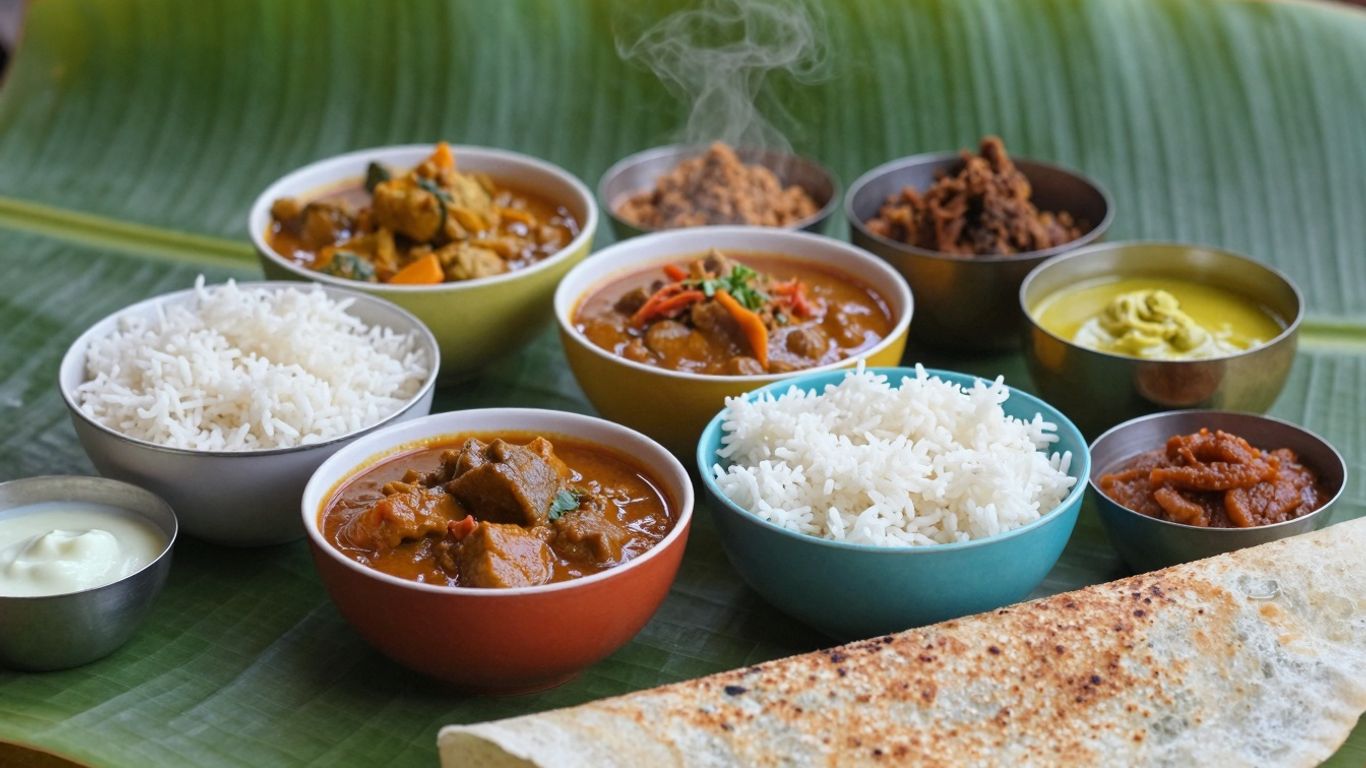
Beyond the breakfast staples, South Indian cuisine offers a treasure trove of hearty dishes that are perfect for any meal. These dishes often feature a delightful balance of spices, lentils, and vegetables, making them both satisfying and nutritious. They showcase the region’s knack for creating deeply flavorful food that feels like a warm hug.
Sambar: The Tangy Lentil and Vegetable Stew
Sambar is a cornerstone of South Indian meals, a flavorful stew that brings together lentils, vegetables, and a unique blend of spices. It’s that comforting, slightly tangy dish that pairs perfectly with almost everything, from fluffy idlis to crispy dosas, or even just a simple bowl of rice.
Here’s a peek at what goes into a good sambar:
- Lentils: Typically toor dal (split pigeon peas) or masoor dal (red lentils) form the base, providing protein and a creamy texture.
- Vegetables: A variety of seasonal vegetables are used, like drumsticks, pumpkin, eggplant, okra, and onions. Each adds its own subtle flavor and texture.
- Tamarind: This is the secret to that signature tanginess, giving the stew its characteristic sour note.
- Spice Blend: A special sambar powder, made from roasted lentils, chilies, coriander, and fenugreek, is key to its aromatic depth.
Sambar is more than just a side dish; it’s a complete meal in itself when served with rice. The way the spices meld with the vegetables and lentils creates a complex flavor profile that’s hard to replicate.
Pongal: Comforting Rice and Lentil Porridge
Pongal is the ultimate comfort food in South India, a simple yet incredibly satisfying dish made from rice and lentils cooked together until soft and creamy. It’s often enjoyed for breakfast or during festivals, and its gentle flavors are incredibly soothing.
There are two main types:
- Ven Pongal (Savory): This version is seasoned with black pepper, cumin, ginger, and curry leaves, often finished with a dollop of ghee. It’s a savory delight that wakes up your taste buds.
- Sakkarai Pongal (Sweet): Made with jaggery (unrefined cane sugar), cardamom, and sometimes cashews or raisins, this sweet version is a popular festive treat.
Preparation Steps for Ven Pongal:
- Rinse rice and moong dal (split yellow lentils) thoroughly.
- Cook them together in a pot with water until very soft and mushy.
- In a separate small pan, heat ghee and temper cumin seeds, black peppercorns, curry leaves, and a pinch of asafoetida.
- Pour the tempered spices over the cooked rice and dal mixture, mix well, and serve hot.
Sweet Endings: Traditional South Indian Desserts
After all those savory delights, it’s time to treat your taste buds to something sweet. South Indian desserts are the perfect way to round off a meal, offering a comforting and often fragrant finish. They’re not overly complicated, but they pack a lot of flavor and tradition.
Payasam: Creamy Rice and Jaggery Pudding
Payasam is a classic South Indian pudding that you’ll find at almost every celebration. It’s basically a sweet, creamy concoction made from rice and milk, often sweetened with jaggery (unrefined cane sugar) for a deeper, caramel-like flavor. Sometimes, vermicelli or lentils are used instead of rice. It’s usually flavored with cardamom and garnished with nuts like cashews or almonds, and sometimes raisins. The texture is wonderfully smooth and comforting.
Making a good payasam is all about getting the consistency just right – not too thick, not too thin.
Here’s a general idea of how it’s made:
- Boil the base: Cook rice (or vermicelli/lentils) until very soft in water or milk.
- Add sweetener: Stir in jaggery or sugar until dissolved. If using jaggery, it’s often dissolved in a little water first to strain out any impurities.
- Flavor and finish: Add cardamom powder and simmer gently. Finally, temper ghee with cashews, raisins, and sometimes a pinch of edible camphor for a special aroma, and mix it in.
Payasam is more than just a dessert; it’s a symbol of festivity and good fortune in South Indian culture. Its sweet, milky richness is a welcome contrast to the spices in the main dishes.
Kesari: Fragrant Semolina Sweet
Kesari, also known as Rava Kesari, is another popular sweet that’s relatively quick to make. It’s made from semolina (rava), which is roasted in ghee until fragrant, then cooked with sugar and water or milk. The ‘kesari’ color comes from food coloring, often a vibrant orange or yellow, and it’s typically flavored with cardamom and saffron, giving it a beautiful aroma and taste. It’s often topped with roasted cashews or almonds for a bit of crunch.
Kesari is a favorite for its bright color and delightful texture. It’s a bit like a sweet, dense porridge, but much more decadent. It’s perfect for those times when you want a sweet treat without a lot of fuss.
The key to a great Kesari is roasting the semolina properly to avoid a raw taste.
Here’s a breakdown of its components:
- Semolina (Rava): The base grain.
- Ghee: Used for roasting the semolina and adding richness.
- Sugar: For sweetness.
- Water/Milk: To cook the semolina.
- Flavorings: Cardamom, saffron, and sometimes rose water.
- Garnish: Nuts like cashews or almonds.
Your South Indian Culinary Adventure Awaits
So there you have it – a little taste of the amazing world of South Indian cooking. We’ve looked at some dishes that are pretty straightforward to make, like fluffy idlis and crispy dosas, and even touched on some comforting lentil stews. It’s really not as complicated as it might seem at first glance. The best part is that these flavors can really brighten up your weeknight dinners or impress guests at a weekend get-together. Don’t be afraid to get in the kitchen and give it a go. You might just surprise yourself with what you can create. Happy cooking, and enjoy all those delicious new tastes!
Frequently Asked Questions
What are some popular South Indian dishes that are easy to make?
You can start with simple yet delicious dishes like Idli, which are soft steamed rice cakes, or Masala Dosa, a crispy crepe filled with spiced potatoes. Sambar, a flavorful lentil and vegetable stew, is also a great choice and goes well with many things.
Are South Indian recipes usually vegetarian?
Yes, many South Indian recipes are naturally vegetarian and incredibly flavorful! Dishes like Idli, Dosa, Sambar, and Pongal are all popular vegetarian options that are packed with taste and nutrition.
Can I prepare some South Indian dishes ahead of time?
Absolutely! Many South Indian dishes are perfect for making ahead. For example, you can prepare the batter for Idlis and store it in the fridge. Sambar can also be made a day in advance and just reheated before serving, making meal prep much easier.