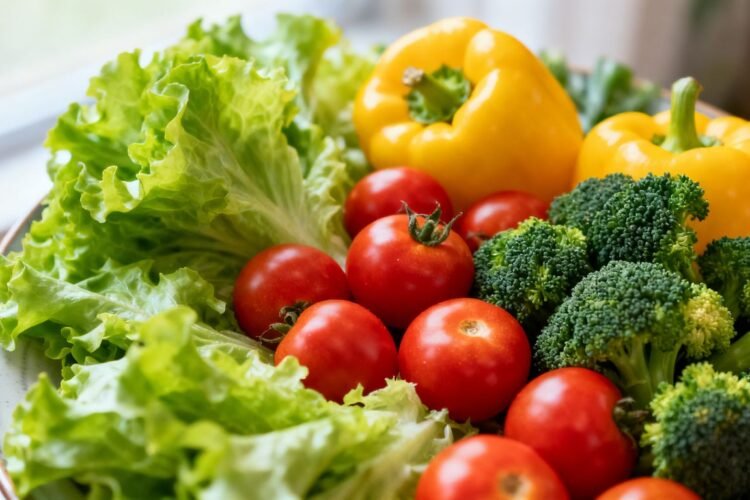
Looking to jazz up your meals with some seriously tasty and good-for-you options? You’ve come to the right place. Eating your veggies doesn’t have to be boring, not by a long shot. We’re talking about the best veggie foods that are simple to make and will have you actually looking forward to your next meal. Forget bland and boring; get ready for a plate full of flavor and goodness.
Key Takeaways
- Roasting vegetables like broccoli and cauliflower brings out their natural sweetness and creates a delightful texture.
- Simple cooking methods like sautéing and stir-frying are quick ways to prepare a variety of colorful and flavorful vegetable dishes.
- Hearty options like portobello mushrooms and sweet potatoes can be satisfying main dishes or substantial sides.
1. Roasted Broccoli
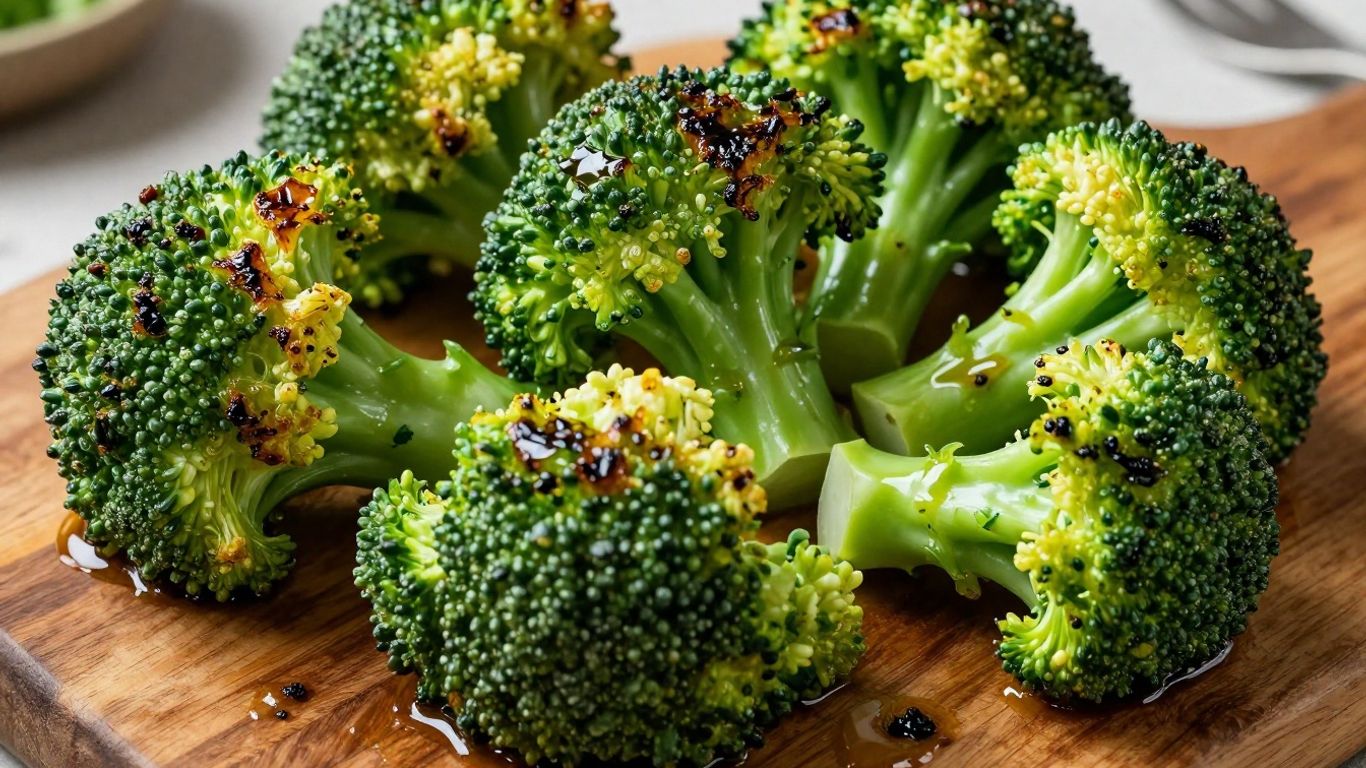
Roasting broccoli is a game-changer. Forget soggy, boiled florets; roasting brings out a whole new level of flavor and texture. The edges get nicely browned and a little crispy, while the inside stays tender. It’s almost like a different vegetable entirely.
Making it is pretty straightforward. You just need a head of broccoli, some olive oil, salt, and pepper. Cut the broccoli into bite-sized florets, toss them with the oil and seasonings, and spread them out on a baking sheet. Don’t crowd the pan – give them space so they roast instead of steam.
Here’s a simple way to get started:
- Preheat your oven to 400°F (200°C).
- Chop broccoli into even florets.
- Toss with 1-2 tablespoons of olive oil, salt, and pepper.
- Spread in a single layer on a baking sheet.
- Roast for 15-20 minutes, or until tender and slightly browned.
Want to jazz it up? A little minced garlic tossed in with the oil before roasting adds a nice kick. Or, try a sprinkle of red pepper flakes for some heat. Once it’s out of the oven, a squeeze of fresh lemon juice really brightens everything up. It’s a simple side that can go with almost anything.
Roasting transforms broccoli from a plain green vegetable into something with a slightly sweet, nutty flavor and a satisfying texture. It’s a quick method that makes vegetables more appealing, even for picky eaters.
2. Roasted Vegetables
Roasting vegetables is a fantastic way to bring out their natural sweetness and get a nice, slightly crispy texture. It’s pretty simple, too. You just chop up your veggies, toss them with some olive oil, salt, and pepper, and then spread them out on a baking sheet. Pop them in a hot oven, usually around 400°F (200°C), and let them do their thing.
The magic happens as the sugars in the vegetables caramelize, creating a depth of flavor that you just don’t get with other cooking methods. It works for so many different kinds of vegetables – think carrots, bell peppers, onions, zucchini, Brussels sprouts, and even heartier ones like sweet potatoes and butternut squash.
Here’s a basic rundown:
- Prep: Wash and chop your chosen vegetables into roughly equal-sized pieces so they cook evenly. Don’t overcrowd the pan; give them some space to roast, not steam.
- Season: Toss everything with a good drizzle of olive oil. Salt and pepper are a must, but feel free to add other spices like garlic powder, paprika, or Italian herbs.
- Roast: Spread in a single layer on a baking sheet. Roast for 20-40 minutes, depending on the vegetable, flipping halfway through, until they’re tender and have those lovely browned edges.
It’s a really forgiving method. If you don’t have one vegetable, just swap it for another. You can also change up the seasonings to create different flavor profiles. A big batch of roasted vegetables can be a lifesaver during the week, perfect for adding to salads, grain bowls, or just eating as a side dish.
3. Sautéed Vegetables
Sautéing vegetables is a super quick way to get them on the table, and it really brings out their natural sweetness. You just need a hot pan, a little bit of oil, and your favorite veggies. It’s a great method for things like spinach, mushrooms, bell peppers, or zucchini.
The key is not to overcrowd the pan; you want the vegetables to cook, not steam. This means working in batches if you’re making a larger amount. A good rule of thumb is to use a pan large enough so the vegetables can spread out in a single layer.
Here’s a basic idea of how to sauté:
- Heat a tablespoon or two of oil (like olive or avocado oil) in a skillet over medium-high heat.
- Add your aromatics, like minced garlic or sliced onions, and cook for about a minute until fragrant.
- Add your chopped vegetables. Start with harder vegetables like carrots or broccoli, and add softer ones like spinach or mushrooms a few minutes later.
- Stir occasionally and cook until the vegetables are tender-crisp, usually 5-10 minutes depending on what you’re using.
- Season with salt, pepper, and any other herbs or spices you like.
Sautéing is fantastic because it preserves a lot of the nutrients in vegetables. The quick cooking time means they don’t lose as many vitamins compared to longer cooking methods. Plus, the texture is usually spot-on – tender but still with a little bite.
4. Stir Fry Vegetables
Stir-frying is a fantastic way to get a pile of colorful vegetables onto your plate quickly. It’s all about high heat and constant movement, which keeps the veggies crisp and full of flavor. You can throw in pretty much anything you have on hand – think bell peppers, onions, broccoli florets, snap peas, carrots, mushrooms, and even some leafy greens like bok choy or spinach towards the end.
The key to a good stir-fry is prepping everything before you even turn on the stove. Once that wok or large skillet is hot, things move fast.
Here’s a basic idea of how to get started:
- Chop your veggies: Aim for similar-sized pieces so they cook evenly. Thinly sliced carrots, bite-sized broccoli, and julienned bell peppers work well.
- Prepare your sauce: A simple mix of soy sauce (or tamari for gluten-free), a little sesame oil, some ginger and garlic, and maybe a touch of honey or maple syrup can go a long way. Whisk it all together in a small bowl.
- Heat your pan: Get your wok or a large, heavy-bottomed skillet smoking hot with a bit of high-heat oil like peanut or canola.
- Stir-fry in batches: Add your harder vegetables first (like carrots and broccoli) and stir-fry for a few minutes. Then add softer veggies (like bell peppers and mushrooms). Keep everything moving!
- Add the sauce: Pour your sauce over the vegetables and toss quickly until everything is coated and slightly thickened.
Stir-frying is a super adaptable cooking method. Don’t be afraid to experiment with different vegetables based on what’s in season or what you have in your fridge. You can also add protein like tofu, chicken, or shrimp to make it a complete meal.
5. Roasted Sweet Potatoes
Sweet potatoes are one of those root vegetables that just get better when you roast them. They turn this beautiful deep orange color and get wonderfully tender, with edges that get a little bit caramelized and sweet. Seriously, they’re so good you might just eat them straight off the baking sheet.
Roasting brings out their natural sugars, making them taste almost like candy, but in a good, healthy way. They’re packed with vitamins, especially Vitamin A, which is great for your eyes and skin. Plus, they have fiber, which helps you feel full longer.
Here’s a simple way to get them just right:
- Wash your sweet potatoes well. You can peel them if you like, but the skin is edible and has extra nutrients.
- Cut them into chunks or wedges. Aim for pieces that are roughly the same size so they cook evenly.
- Toss them with a little bit of olive oil, salt, and pepper. Don’t go too heavy on the oil; just enough to coat them lightly.
- Spread them out in a single layer on a baking sheet. Overcrowding makes them steam instead of roast, and you want those crispy bits.
- Roast them in a hot oven, around 400°F (200°C), for about 20-30 minutes. Flip them halfway through.
They’re done when they’re tender when you poke them with a fork and have those lovely browned edges. You can add other spices too, like paprika, cinnamon, or even a little chili powder if you like a kick.
Roasting sweet potatoes is a pretty forgiving process. Even if they get a little darker than you planned, they usually still taste great. They’re a fantastic base for a meal or just a satisfying side dish on their own.
6. Roasted Cauliflower
Roasted cauliflower is a real game-changer. It takes something that can sometimes be a bit bland and turns it into a crispy, slightly sweet, and totally satisfying side dish. Seriously, roasting brings out a nutty flavor you wouldn’t expect.
It’s pretty simple to get right. You just chop up a head of cauliflower into bite-sized florets, toss them with some olive oil, salt, and pepper, and spread them out on a baking sheet. Don’t overcrowd the pan, or they’ll steam instead of roast. A hot oven, around 400°F (200°C), is key for getting those nice browned edges.
Here’s a basic way to get started:
- Preheat your oven to 400°F (200°C).
- Wash and chop a head of cauliflower into even florets.
- Toss the florets with 1-2 tablespoons of olive oil, salt, and pepper on a baking sheet.
- Roast for 20-25 minutes, flipping halfway through, until tender and browned.
You can totally switch up the seasonings. A sprinkle of garlic powder, paprika, or even some curry powder before roasting can make a big difference. Some people like to add a squeeze of lemon juice right after they come out of the oven, which adds a nice brightness.
Roasted cauliflower is surprisingly versatile. It can be a simple side, tossed into a grain bowl, or even blended into a creamy soup base. It holds up well and reheats nicely, making it a good option for meal prep.
7. Portobello Mushrooms
Portobello mushrooms are a fantastic addition to any plate, offering a meaty texture and rich, earthy flavor that can satisfy even the most dedicated carnivore. They’re surprisingly versatile, working well in everything from hearty main courses to simple side dishes.
These large mushrooms are a great source of B vitamins and selenium. They can be grilled, roasted, stuffed, or even used as a bun substitute for burgers. Their size makes them perfect for grilling whole, where they develop a lovely smoky char.
Here are a few ways to prepare them:
- Grilled: Brush with olive oil, balsamic vinegar, and your favorite herbs, then grill until tender.
- Roasted: Chop them up and roast with other vegetables, or roast whole caps stuffed with cheese and breadcrumbs.
- Sautéed: Slice and sauté with garlic and onions for a quick and flavorful side dish.
- As a Burger Bun: Grill or roast a whole cap and use it in place of a traditional bun for a lower-carb option.
When picking out portobellos, look for firm caps that are smooth and free of blemishes. The gills underneath should be a consistent color, not too dark or slimy.
Portobellos have a satisfying chew that makes them a great stand-in for meat in many dishes. Their ability to absorb flavors means they can be seasoned in countless ways, making them a flexible ingredient for experimenting in the kitchen.
8. Grilled Asparagus
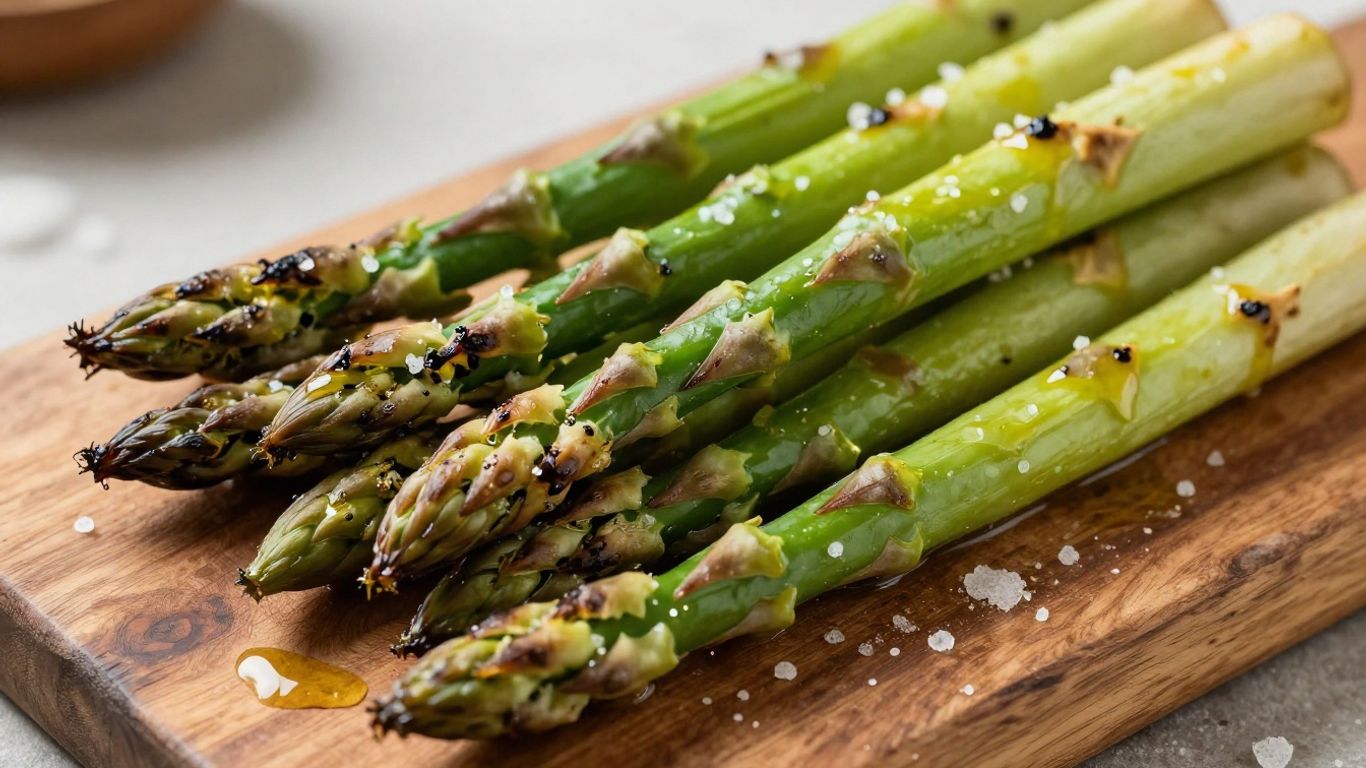
Grilling asparagus is a fantastic way to bring out its natural sweetness and give it a slightly smoky flavor. It’s a super simple side dish that feels a little fancy, don’t you think?
The key is not to overcook it; you want it tender but still with a bit of a bite.
Here’s a basic way to get started:
- Prep the Asparagus: Snap off the woody ends. You know, the bottom part that’s tough? Just bend a stalk, and it’ll naturally break where the tender part begins. Rinse them well.
- Season: Toss the asparagus spears with a little olive oil, salt, and pepper. You can add garlic powder or a pinch of red pepper flakes if you like a little kick.
- Grill: Place the asparagus directly on a preheated grill over medium-high heat. Grill for about 5-8 minutes, turning occasionally, until they’re bright green and slightly tender.
Grilling asparagus is quick, and the high heat caramelizes the sugars in the stalks, making them taste even better. It’s a great way to add a fresh, vibrant side to any meal without a lot of fuss.
For a little extra flavor, try finishing them with a squeeze of fresh lemon juice or a sprinkle of grated Parmesan cheese right after they come off the grill. It really makes a difference.
9. Shiitake Mushrooms
Shiitake mushrooms are pretty amazing. They have this deep, savory flavor that really makes dishes pop. You can find them fresh or dried, and both work great in cooking. Roasting them brings out their best umami qualities.
When you cook shiitakes, they get this meaty texture that’s super satisfying. They’re not just tasty, either; they’ve got some good stuff in them, like B vitamins and minerals.
Here are a few ways to prepare them:
- Sautéed: Slice them up and cook them in a pan with a little oil, garlic, and maybe some soy sauce. They’re good on toast or mixed into pasta.
- Roasted: Toss them with olive oil, salt, and pepper, then roast until they’re tender and slightly browned. This is a simple way to enjoy their natural flavor.
- In Soups and Stir-fries: They add a fantastic depth of flavor to broths and stir-fried dishes.
Shiitake mushrooms have a unique flavor profile that can transform simple meals into something special. Their earthy notes and satisfying chew make them a versatile ingredient for many different kinds of cooking.
If you’re looking for a way to add more flavor and a bit of a nutritional boost to your meals, shiitake mushrooms are definitely worth trying. They’re easy to find and prepare, and they really do make a difference on the plate.
10. Spinach
Spinach is one of those leafy greens that can really do no wrong. It wilts down beautifully when cooked, making it super easy to add a big serving of nutrients to almost any meal. Seriously, you can sneak spinach into so many dishes without even noticing.
When you’re looking for a quick and healthy side, sautéed spinach with garlic and a squeeze of lemon is a winner. It takes just minutes to prepare and tastes so fresh. You can also toss raw spinach into salads, add it to smoothies for an extra boost, or stir it into soups and stews right at the end of cooking. It’s incredibly versatile.
Here are a few ways to enjoy spinach:
- Sautéed: A classic for a reason. A little olive oil, minced garlic, and a pinch of salt is all you need. Finish with a splash of lemon juice.
- In Soups and Stews: Add a few handfuls to your favorite soup or stew during the last 5 minutes of cooking. It wilts down quickly and adds color and nutrients.
- Smoothies: Blend a cup of fresh spinach into your morning smoothie. You won’t taste it, but your body will thank you.
- Pasta Dishes: Stir it into pasta sauces or layer it into lasagna.
Spinach is packed with vitamins A, C, and K, plus iron and folate. It’s a nutritional powerhouse that’s also really easy to cook with. Don’t be afraid to use a lot of it, as it shrinks down significantly when heated.
Keep Exploring Those Veggies!
So, there you have it. Eating more vegetables doesn’t have to be a chore, and it’s definitely not about eating boring food. We’ve seen how simple it can be to swap out some of the usual suspects for colorful, tasty veggies that pack a punch. Whether you’re roasting them up until they’re tender and sweet, tossing them into a quick stir-fry, or building a hearty bowl, there are endless ways to make veggies the star of your plate. Don’t be afraid to experiment and find what you love. Your taste buds, and your body, will thank you for it.
Frequently Asked Questions
What are the easiest ways to cook vegetables to make them taste better?
Roasting vegetables like broccoli and cauliflower brings out their natural sweetness and gives them a nice crispy texture. Sautéing and stir-frying are also quick methods that keep veggies flavorful and a little bit crunchy.
Can I make vegetables the main part of a meal?
Absolutely! Dishes like hearty veggie burgers made from mushrooms or hearty grain bowls packed with roasted veggies and beans can be very filling and satisfying main courses.
Are there quick veggie recipes for busy nights?
Yes, many simple recipes are perfect for busy nights. Stir-fries, quick sautés, or even simple roasted vegetables can be on your plate in under 30 minutes, making healthy eating easy.