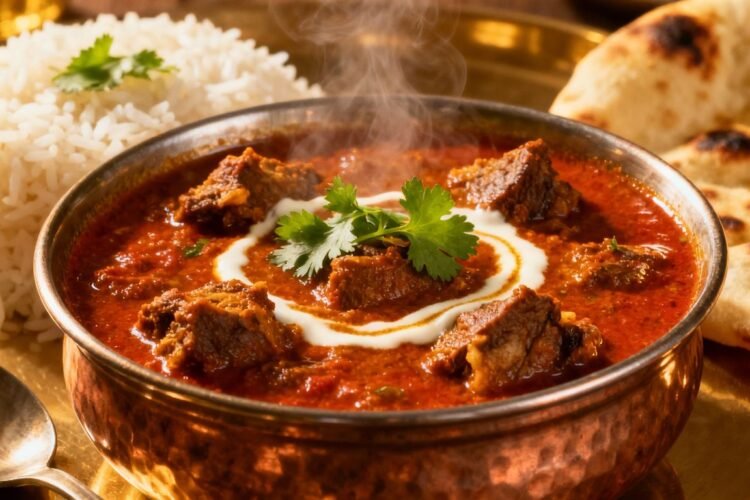
Thinking about making a really good mutton curry? It’s one of those dishes that feels special, you know? Like something you’d make for a big family dinner or when friends are coming over. The smell of the spices cooking is just amazing. It might seem a bit tricky, but honestly, it’s pretty straightforward once you get the hang of it. We’re going to look at some of the best mutton curry recipes out there, so you can make a feast that everyone will love. Get ready to impress with some seriously flavorful food.
Key Takeaways
- For the best mutton curry, use bone-in cuts like shoulder or leg, as the fat and marrow add richness and tenderness.
- Slow cooking is key to tender, flavorful meat; aim for mutton so tender it falls apart easily.
- Don’t shy away from spices; a good ‘bhunai’ (sautéing) of the meat with spices helps remove any gamey taste and builds deep flavor.
1. Mutton Curry Recipe
Mutton curry is one of those dishes that just feels like a warm hug in a bowl. It’s rich, it’s flavorful, and it’s perfect for a special meal or even just a cozy night in. The beauty of a good mutton curry lies in its depth of flavor, achieved through slow cooking and a thoughtful blend of spices. It’s a dish that connects you to tradition and brings people together around the table.
The secret to an amazing mutton curry is patience and quality ingredients. When you take the time to let the mutton cook down and absorb all those wonderful spices, you get a result that’s incredibly tender and packed with taste. It’s not just about throwing things in a pot; it’s about building layers of flavor.
Here’s a basic rundown of what goes into making a classic mutton curry:
- Meat: About 500 grams of mutton, cut into pieces. Shoulder or leg cuts work really well because they have a good amount of fat and connective tissue that breaks down during cooking, making the meat super tender.
- Aromatics: Onions, ginger, and garlic are the foundation. You’ll usually sauté these until they’re nicely browned to bring out their sweetness.
- Spices: This is where the magic happens! Common spices include coriander powder, turmeric powder, chili powder (for heat and color), cumin powder, garam masala, and whole spices like cinnamon, cloves, cardamom, and bay leaves.
- Tomatoes: Pureed or chopped tomatoes add moisture and a bit of tanginess to the gravy.
- Liquid: Water or broth is used to create the gravy and help tenderize the meat.
Making mutton curry is a bit like telling a story with food. Each spice, each step, adds a new chapter to the flavor profile. It’s a process that rewards you with a dish that’s both comforting and exciting, a true taste of home.
This recipe is quite adaptable. You can adjust the spice levels to your liking, making it as mild or as fiery as you prefer. It’s a dish that truly sings when given the time it deserves to cook slowly, allowing all those wonderful flavors to meld together beautifully.
2. How To Make Mutton Curry
Making a really good mutton curry isn’t as complicated as it might seem. It’s mostly about layering flavors and giving the meat enough time to get tender and soak up all those delicious spices. Think of it like building a flavor house, brick by brick.
First off, you’ll want to get your aromatics going. This usually means heating up some oil – mustard oil is traditional and adds a nice kick, but any cooking oil works – and then tossing in your whole spices like cinnamon, cloves, and cardamom. Let them sizzle for a bit until they smell amazing. Then come the onions. You want to cook these down until they’re nicely browned; this adds a deep, sweet flavor to the base.
Next, it’s time for the star of the show: the mutton. Add your mutton pieces to the pot and give them a good sear. This helps lock in the juices. Once the meat starts to brown, you’ll add your ground spices – things like turmeric, coriander, and chili powder. Stir them around for a minute or two until they’re fragrant. Don’t forget the ginger-garlic paste; cook that until the raw smell is gone.
Now for the tomatoes. Whether you’re using fresh chopped tomatoes or a puree, cook them down until the oil starts to separate from the mixture. This tells you the tomatoes have broken down properly and their flavor is ready to meld with everything else. Add your salt at this stage too.
Here’s where the magic really happens:
- Add Liquid: Pour in some water or broth. You don’t want to drown the meat, just enough to help it cook and create that lovely gravy.
- Simmer Low and Slow: Cover the pot and let it simmer on low heat. This is the most important part. You’re looking for the mutton to become fork-tender, which can take anywhere from 1.5 to 2.5 hours, depending on the cut and size of your pieces.
- Finishing Touches: Once the meat is tender, stir in your garam masala for that final burst of warmth and aroma. A sprinkle of fresh chopped coriander right at the end brightens everything up.
The key to a truly memorable mutton curry is patience. Rushing the simmering process means you’ll end up with tough meat and flavors that haven’t had time to fully develop and marry. It’s worth the wait, trust me.
So, to recap the basic steps:
- Heat oil and bloom whole spices.
- Sauté onions until golden brown.
- Brown the mutton pieces.
- Add ground spices and ginger-garlic paste, cook until fragrant.
- Cook down tomatoes until oil separates.
- Add liquid and simmer on low heat until mutton is tender.
- Finish with garam masala and fresh coriander.
3. Ingredients Of Mutton Curry
Alright, let’s talk about what goes into a really good mutton curry. It’s not just about throwing everything in a pot, you know? The right ingredients make all the difference between a so-so dish and something truly memorable.
First off, you need good quality mutton. I usually go for cuts like the shoulder or leg because they have a nice bit of fat and connective tissue that breaks down during cooking, making the meat super tender and the gravy richer. About 500 grams is a good starting point for a decent batch.
Then there are the aromatics and spices. You’ll want some onions, ginger, and garlic. A good amount of ginger-garlic paste is key for that deep flavor base. For the spices, think whole ones like cinnamon sticks, cloves, black peppercorns, and cardamom pods – these go in early to infuse the oil. Ground spices are where the real magic happens: coriander powder, turmeric powder, and chili powder (Kashmiri for color, regular for heat, or cayenne if you’re brave). Don’t forget garam masala, usually added towards the end for that final fragrant punch.
Tomatoes are another big player. A simple tomato puree or finely chopped tomatoes add a nice tang and help thicken the gravy. Some recipes also call for yogurt, which can tenderize the meat and add a creamy texture.
Here’s a general idea of what you might need:
- Mutton: Around 500g, preferably shoulder or leg.
- Onions: 2-3 medium, sliced or chopped.
- Ginger-Garlic Paste: 1-2 tablespoons.
- Tomatoes: 1 cup puree or 2-3 chopped.
- Yogurt (Optional): 1/2 cup, plain.
- Oil: 2-3 tablespoons (mustard oil is traditional and adds a nice bite).
- Whole Spices: Cinnamon stick, 3-4 cloves, 4-5 black peppercorns, 2 green cardamom, 1 black cardamom, 2 bay leaves.
- Ground Spices: 2 tablespoons coriander powder, 1 teaspoon turmeric powder, 1 teaspoon Kashmiri chili powder, 1/2 teaspoon regular chili powder (adjust to taste).
- Garam Masala: 1 teaspoon, for finishing.
- Salt: To taste.
- Fresh Coriander: For garnish.
The quality of your spices really matters here. Freshly ground spices will always give you a better flavor than pre-ground ones that have been sitting in the cupboard for ages. Toasting whole spices briefly before grinding can also bring out their aroma.
And of course, you’ll need some liquid. Water is fine, but some people like to use broth or even a bit of milk for extra richness. It all depends on the kind of curry you’re aiming for.
4. Cooking Tips For Mutton Curry
Getting your mutton curry just right takes a little know-how. It’s not just about throwing ingredients together; it’s about coaxing out the best flavors. First off, always start with good quality mutton. Whether it’s bone-in or boneless, fresh meat makes a huge difference in the final taste and tenderness. Don’t rush the cooking process either. Mutton needs time to break down and become tender, and that slow simmer is where all the magic happens. Layering your spices is another key. Adding some whole spices early on to bloom in the oil, then ground spices later, and finishing with something like garam masala right at the end really builds complexity.
Here are a few more things to keep in mind:
- Marination Matters: Giving your mutton a good soak in yogurt and spices for at least a few hours, or even overnight in the fridge, helps tenderize the meat and infuse it with flavor before it even hits the pot.
- Brown Your Aromatics: Take the time to properly brown your onions. This isn’t just about color; it develops a deep, sweet flavor that forms the base of your curry. Same goes for the ginger-garlic paste – cook it until the raw smell is gone.
- Control the Heat: If you’re using a pressure cooker or Instant Pot, be mindful of the cooking time. Mutton can go from perfectly tender to mushy pretty quickly. It’s better to check it a bit early and add more time if needed.
- Resting is Best: Once your curry is done, let it sit off the heat for about 10-15 minutes before serving. This allows the flavors to meld and the meat to reabsorb some of the juices.
Don’t be afraid to taste and adjust seasonings as you go. A little extra salt, a pinch of chili, or a squeeze of lemon can make a world of difference. It’s all about finding that perfect balance for your palate.
When it comes to consistency, think about what you’re serving it with. A thicker, richer gravy works wonders with flatbreads like naan or roti, while a slightly looser sauce is perfect for spooning over fluffy basmati rice.
5. Best Cuts Of Mutton For Curry
Picking the right cut of mutton is pretty important if you want your curry to turn out tender and full of flavor. You don’t want tough, chewy meat, right? That’s where knowing your cuts comes in handy.
For a really good mutton curry, you generally want cuts that have a good amount of fat and connective tissue. These bits break down during the slow cooking process, making the meat super tender and adding a richness to the sauce. Bone-in cuts are often the best bet because the bone adds extra flavor to the curry as it cooks.
Here are some of the top choices:
- Shoulder (also called Leg of Mutton or Shank): This is a fantastic choice. It’s got a good fat-to-meat ratio and plenty of connective tissue. It takes a bit longer to cook, but the result is incredibly tender and flavorful meat that just falls apart.
- Neck: Similar to the shoulder, the neck cut is rich in flavor and becomes wonderfully tender when slow-cooked. It’s a bit more economical too.
- Leg: While the leg can be a bit leaner, it still works well, especially if you trim off some of the excess fat but leave some on. It’s a classic choice for a reason.
- Ribs: Mutton ribs can also be used, offering a good amount of meat and flavor, though they might require a bit more attention to ensure even cooking.
Avoid very lean cuts like the loin or tenderloin for a traditional curry. These cuts are best for quick cooking methods like grilling or pan-searing, as they can become dry and tough if cooked for a long time in a curry.
When you’re at the butcher, don’t hesitate to ask for cuts that are good for slow cooking or stewing. They’ll know exactly what you’re looking for to make your mutton curry a real success.
6. Mutton Curry Cooking Methods
When it comes to making mutton curry, you’ve got a few main ways to go about it, and each one brings something a little different to the table. The method you choose really depends on how much time you have and what kind of texture you’re aiming for.
The slow and steady approach is often considered the gold standard for achieving incredibly tender mutton. This usually means a long, low simmer on the stovetop, letting the meat break down and soak up all those delicious spices. It takes patience, but the payoff is usually worth it. You’re looking at a couple of hours, sometimes more, depending on the cut.
Then there’s the pressure cooker or Instant Pot method. This is a lifesaver when you’re short on time. You can get that same tender meat in a fraction of the time, usually under an hour. The trick here is to get a good sear first, then let the pressure do its magic. Just remember to finish it off properly to get that rich, developed flavor.
Here’s a quick look at the common methods:
- Traditional Stove-Top Simmer: This is the classic way. You’ll brown your mutton and aromatics, add your spices and liquids, then cover and let it simmer on low heat for 1.5 to 2.5 hours until the meat is fall-apart tender. It’s fuss-free once it’s going, just needs occasional stirring.
- Pressure Cooker/Instant Pot: Start by sautéing your base ingredients and searing the mutton. Then, add liquid and pressure cook on high for about 15-25 minutes (depending on piece size). You’ll need to release the pressure and then often finish by simmering on sauté mode to thicken the sauce and meld flavors.
- Slow Cooker: Similar to the stove-top simmer but done in a dedicated appliance. You’ll typically sear everything first, then transfer to the slow cooker and let it cook on low for 6-8 hours or high for 3-4 hours. This is great for hands-off cooking.
No matter which method you pick, the key is to allow the spices to really penetrate the meat. This happens best when the meat is cooked slowly, whether that’s on a low flame on the stove or under pressure. Don’t rush the final stages, especially the ‘bhunai’ or sautéing step at the end, as this is where a lot of the flavor develops and the sauce thickens.
Each method has its own charm, but they all aim for that same goal: succulent mutton bathed in a rich, aromatic gravy.
7. Traditional Stove-Top Mutton Curry
When you’ve got a bit of time on your hands and want to really get into the heart of making a great mutton curry, the traditional stove-top method is where it’s at. This isn’t a quick weeknight meal, mind you. This is the kind of cooking that fills your house with amazing smells for hours and results in meat so tender it practically melts. It’s all about patience and letting the flavors build slowly.
First, you’ll want to get a good sear on your mutton pieces in a heavy-bottomed pot. This step is key for developing a deeper flavor base. After that, it’s time to introduce your aromatics – think onions, ginger, garlic, and all those wonderful spices. You’ll sauté these until they’re really fragrant, making sure to cook out any raw taste. Then comes the liquid, usually water or broth, and then you cover it up and let it simmer on low heat. The goal is to let the mutton cook gently for at least 1.5 to 2 hours, or even longer, until it’s fall-apart tender.
Here’s a general idea of the steps involved:
- Heat oil in a thick-bottomed pot and add whole spices like cinnamon, cloves, and cardamom until fragrant.
- Add sliced onions and cook until they’re nicely browned.
- Add the mutton pieces and brown them on all sides.
- Stir in ginger-garlic paste, followed by ground spices like turmeric, coriander, and chili powder. Cook for a few minutes until the oil starts to separate.
- Add tomatoes or tomato puree and cook until the oil separates again.
- Pour in water or broth, bring to a simmer, cover the pot, and reduce the heat to low.
- Let it cook slowly for a good couple of hours, checking occasionally and adding more liquid if needed, until the mutton is incredibly tender.
- Finish with garam masala and fresh herbs.
This slow-cooking process is what truly transforms the mutton. It allows the tough connective tissues to break down, resulting in that signature melt-in-your-mouth texture. It also gives the spices ample time to infuse every fiber of the meat, creating a rich and complex flavor profile that you just can’t rush.
While it takes time, the hands-on part is pretty minimal once everything is simmering. You just need to keep an eye on it, maybe give it a stir now and then, and let the magic happen. The result is a deeply satisfying curry that’s worth every minute.
8. Instant Pot Mutton Curry
When you’re short on time but still craving that rich, slow-cooked mutton curry flavor, the Instant Pot is a total game-changer. Seriously, it cuts down the cooking time significantly without sacrificing tenderness or taste. You get that melt-in-your-mouth meat that usually takes hours on the stovetop, but in a fraction of the time.
Using the Instant Pot for mutton curry is pretty straightforward. You’ll start by using the ‘Sauté’ function to brown your mutton and cook down your onions and aromatics, just like you would on the stove. This step is important for building flavor. After that, you add your spices, tomatoes, and a bit of liquid.
Here’s a general idea of how it works:
- Sauté Aromatics: Use the ‘Sauté’ mode to cook onions until softened, then add ginger-garlic paste and other whole spices.
- Brown the Mutton: Add your mutton pieces and sear them on all sides until they’re no longer pink. This helps lock in juices.
- Add Spices and Liquids: Stir in your ground spices, tomato puree, and water or broth. Make sure to scrape the bottom of the pot to avoid any ‘Burn’ notices.
- Pressure Cook: Secure the lid, set the valve to ‘Sealing’, and pressure cook on high. The time will vary depending on the size of your mutton pieces, but 15-25 minutes is a good starting point.
- Natural Release (Optional but Recommended): Let the pressure release naturally for about 10-15 minutes before doing a quick release. This helps keep the meat tender.
- Finish the Curry: Once the pressure is released, switch back to ‘Sauté’ mode. This is where you’ll add yogurt (if using – add it after pressure cooking to prevent curdling) and do a final ‘bhunai’ (stir-frying) until the oil separates from the gravy. This step is key for developing the final flavor and texture.
The Instant Pot method requires a bit of attention at the end. Don’t skip the final sautéing step, often called ‘bhunai’. This is where the magic happens, allowing the flavors to meld and the gravy to thicken properly, giving you that authentic curry finish.
It’s a fantastic way to get a delicious mutton curry on the table even on a busy weeknight. Just remember to adjust the cooking time based on your specific cut of mutton and how tender you like it. You can always cook it a little longer if needed.
9. How To Remove Gamey Taste From Mutton
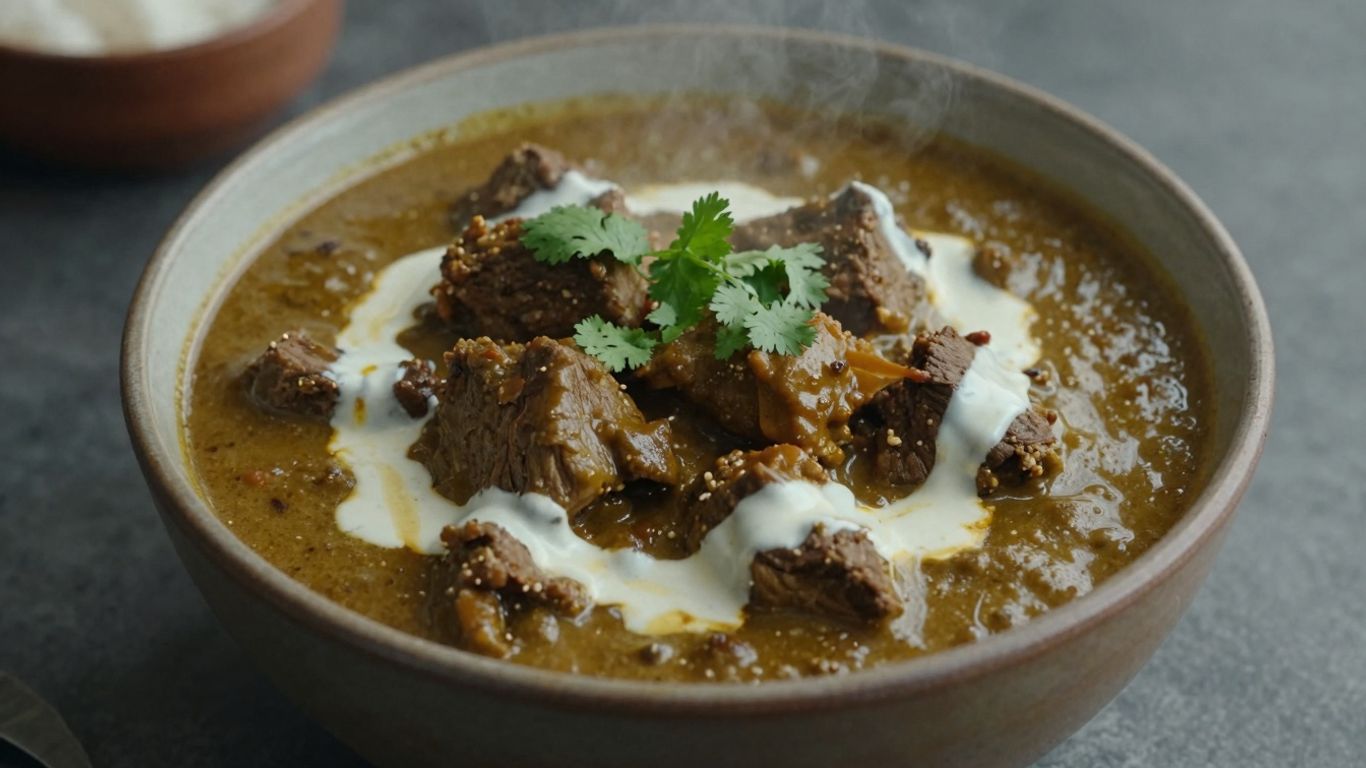
Sometimes, mutton can have a distinct flavor that some people find a bit too strong, often called ‘gamey’. Don’t worry, though; there are a few simple ways to tone that down so your curry is just delicious, not overpowering. It’s all about letting the spices and other ingredients do their magic.
One of the most effective methods is marination. Letting the mutton sit with certain ingredients for a good while can really mellow out that strong taste. Think about using yogurt, lemon juice, or even a bit of vinegar. These acidic elements help to break down the meat fibers and neutralize some of those stronger flavors.
Here are some common approaches:
- Yogurt Marinade: Mix plain yogurt with some ginger-garlic paste and a pinch of salt. Coat the mutton pieces thoroughly and let them marinate for at least 2-4 hours, or even overnight in the fridge. Yogurt is great for tenderizing too!
- Lemon Juice or Vinegar Soak: A soak in diluted lemon juice or vinegar for about 30 minutes before cooking can also help. Just make sure not to leave it too long, or the meat can get mushy.
- Spice Power: Don’t skimp on the spices during the cooking process itself. A good "bhunai" (sautéing) of the meat with a generous amount of aromatics like onions, ginger, garlic, and a robust blend of spices like coriander, cumin, and chili powder is key. The longer and more thoroughly you sauté the spices with the meat, the better they’ll mask any gamey notes.
Sometimes, the ‘gamey’ taste is just a sign of the meat’s natural character. Instead of trying to completely erase it, think of these methods as ways to balance and complement it, allowing the rich curry flavors to shine through.
Another trick is to use bone-in cuts. The marrow and fat from the bones add a lot of richness and depth to the curry, which can help balance out any strong flavors in the meat itself. And remember, slow cooking is your friend here. Letting the mutton simmer gently for a long time allows all those wonderful spices to really penetrate the meat, creating a harmonious blend of flavors.
10. Pairing Guide For Mutton Curry
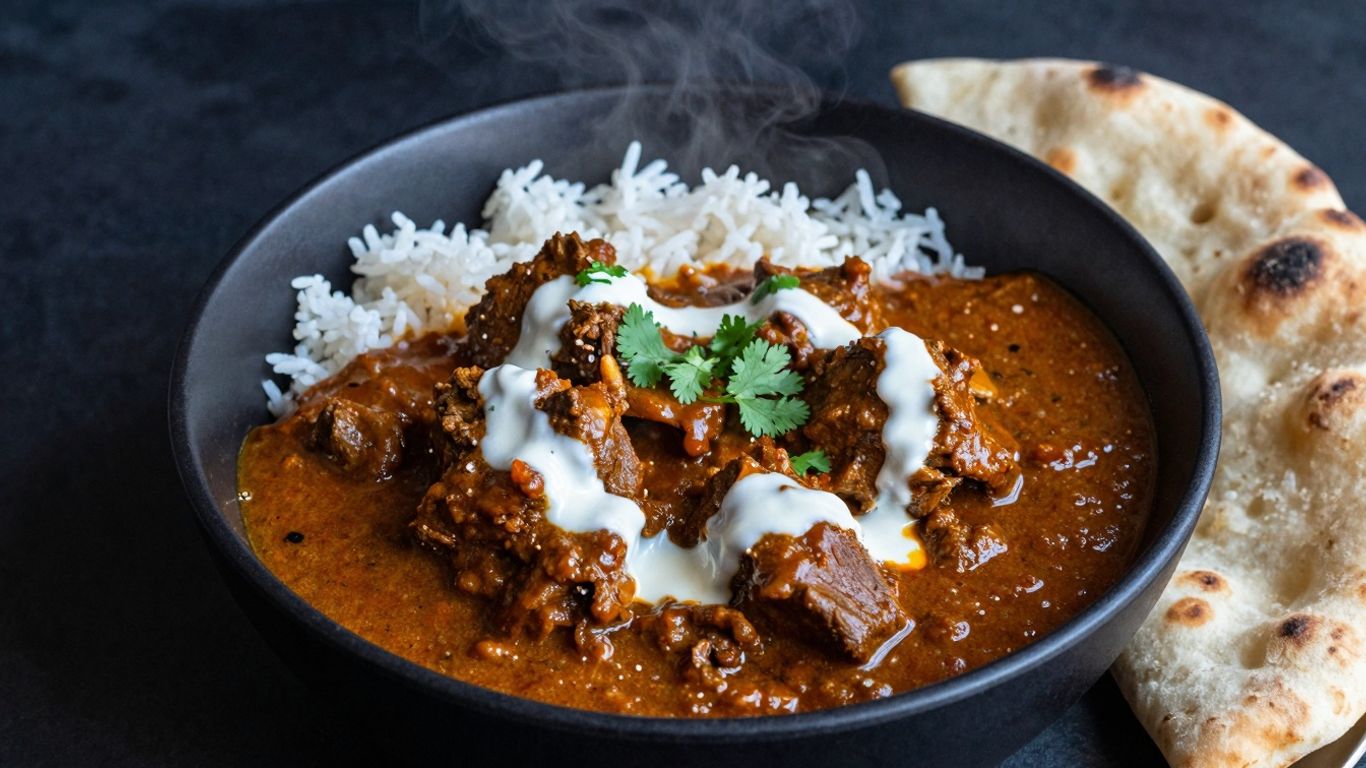
So, you’ve made this amazing mutton curry, and now it’s time to think about what to serve alongside it. It’s not just about the curry itself, you know? The right accompaniments can really make the whole meal sing.
The goal is to create a balance of flavors and textures that complement the rich, savory mutton. You don’t want anything too overpowering, but you also don’t want it to be bland. It’s a bit of a culinary tightrope walk, but totally worth it.
Here are some classic pairings that work wonders:
- Fluffy Basmati Rice: This is a no-brainer, really. The long, fragrant grains of Basmati rice are perfect for soaking up all that delicious curry sauce. It’s like a flavor sponge, and who doesn’t love that?
- Warm Naan or Roti: Whether it’s a soft, buttery naan or a simple, whole wheat roti, these breads are fantastic for scooping up the curry. They add a nice chewiness and a different texture to the meal.
- Cooling Raita: A yogurt-based side dish, like a cucumber raita, is a lifesaver. The cool, creamy yogurt cuts through the richness and spice of the curry, offering a refreshing contrast. It’s like a palate cleanser between bites.
- Simple Green Salad: Sometimes, a fresh, crisp salad with a light vinaigrette can be a nice addition. It adds a bit of brightness and a different kind of crunch.
When you’re thinking about what to serve with your mutton curry, consider the overall spice level and richness of your dish. If your curry is particularly fiery, you’ll want cooler, milder sides. If it’s more on the savory side, something with a bit of tang or freshness can be a great counterpoint. It’s all about creating a harmonious plate.
Don’t forget about drinks, either! A simple lassi or even just plain water can help wash everything down. It’s the little things that make a big difference in turning a good meal into a great one.
Your Flavorful Feast Awaits
So there you have it – a journey into the heart of delicious mutton curry. We’ve looked at what makes it special, how to get that meat super tender, and even cleared up some confusion about mutton versus goat. Whether you’re a seasoned cook or just starting out, these recipes and tips should give you the confidence to whip up a truly memorable meal. Don’t be afraid to experiment with the spices to make it just right for your taste buds. Now, go ahead and gather your ingredients. It’s time to create your own flavorful feast that’ll have everyone asking for seconds.
Frequently Asked Questions
What makes mutton curry so special and flavorful?
Mutton curry is special because it uses tender pieces of mutton slow-cooked with a mix of aromatic spices. This long cooking time lets the meat soak up all the yummy flavors, making every bite taste amazing. It’s often served at big celebrations and family gatherings because it’s so rich and satisfying.
What’s the best way to cook mutton curry for the most tender meat?
For the most tender and juicy mutton, slow-cooking is key. Whether you use a traditional pot on the stove or an Instant Pot, letting the meat cook for a long time allows it to become incredibly soft. Some people also find adding yogurt helps make the meat even more tender.
How can I make sure my mutton curry doesn’t taste too gamey?
To avoid a gamey taste, make sure you use good quality mutton and don’t skimp on the spices. Sautéing the meat well with the spices before slow-cooking helps to build deep flavors that balance out any strong taste. Using fresh ingredients and cooking the spices properly are important steps.