
So, you’re wondering what makes a breakfast cereal actually good for you, right? It’s easy to get lost in all the colorful boxes and big promises on the front. We’ve all been there, trying to figure out if that cereal is a smart choice or just a sugary start to the day. This guide is here to help you cut through the noise and pick a cereal that really fuels your morning.
Key Takeaways
- When you’re picking out cereal, always check the serving size first. Sometimes, the numbers look better because the serving size is super small.
- Look for cereals where whole grains are the main ingredient. Also, try to find ones with at least 3 grams of fiber and 5 grams of protein for each serving.
- Keep an eye on the sugar. It’s best to aim for cereals with 6 grams of added sugar or less per serving. Fresh fruit is a much better way to add sweetness.
Decoding What Is A Healthy Breakfast Cereal

Okay, so you’re standing in the cereal aisle, and it feels like a jungle of boxes, right? They all claim to be the best, the healthiest, the most amazing way to start your day. But what’s actually going on in that colorful box? Let’s break it down.
Understanding Key Nutritional Components
When you’re trying to figure out if a cereal is a good choice, you need to look beyond the flashy pictures on the front. It’s all about what’s inside. The ingredients list and the nutrition facts panel are your best friends here.
Here are the main things to pay attention to:
- Whole Grains: This is a big one. Look for cereals where the first ingredient is something like ‘whole wheat,’ ‘whole oats,’ or ‘brown rice.’ This means you’re getting the whole grain, which has more fiber and nutrients than refined grains.
- Fiber: Fiber is super important for keeping you full and for your digestion. A good target is at least 3 grams of fiber per serving. More is usually better.
- Sugar: This is where many cereals trip up. You want to keep added sugars as low as possible. We’ll talk more about this in the next section, but generally, aim for cereals with 6 grams of sugar or less per serving.
- Protein: While not the main star of most cereals, a little protein helps with feeling satisfied. Cereals with around 5 grams of protein per serving are a good bet.
- Vitamins and Minerals: Many cereals are fortified with extra vitamins and minerals, like iron and B vitamins. This can be a nice bonus, but it doesn’t make up for a cereal that’s loaded with sugar.
Think of your cereal as the base of your breakfast. You want that base to be solid and provide good fuel, not just empty calories or a sugar rush that leaves you crashing later.
Navigating Cereal Labels For Smarter Choices
Reading those little boxes can feel like learning a new language, but it’s not that complicated once you know what to look for. The serving size is the first thing to check because all the other numbers are based on that.
Here’s a quick rundown:
- Serving Size: It’s often smaller than you think! A "serving" might be just 1 cup or even less. Make sure you’re comparing apples to apples.
- Calories: Just a number to keep in mind, especially if you’re watching your intake.
- Total Sugars: This includes both natural sugars (like from dried fruit) and added sugars. The key is to look for "Added Sugars" specifically if the label shows it.
- Fiber: Aim for that 3-gram minimum.
- Ingredients: Look for those whole grains at the top. A shorter ingredient list can sometimes mean less processing, but not always. What’s in the list matters more.
Let’s put it together with a quick look at what to aim for:
| Nutrient | Good Choice Target (per serving) | Keep an Eye On |
|---|---|---|
| Fiber | 3g or more | Less than 3g |
| Added Sugars | 6g or less | More than 6g |
| Whole Grains | First ingredient | Refined grains |
| Protein | 3-5g | Less than 3g |
It’s easy to get tricked by marketing words like "natural flavors" or "multigrain" (which doesn’t always mean whole grain). Stick to the facts on the nutrition panel, and you’ll be much better off.
Making Informed Cereal Selections
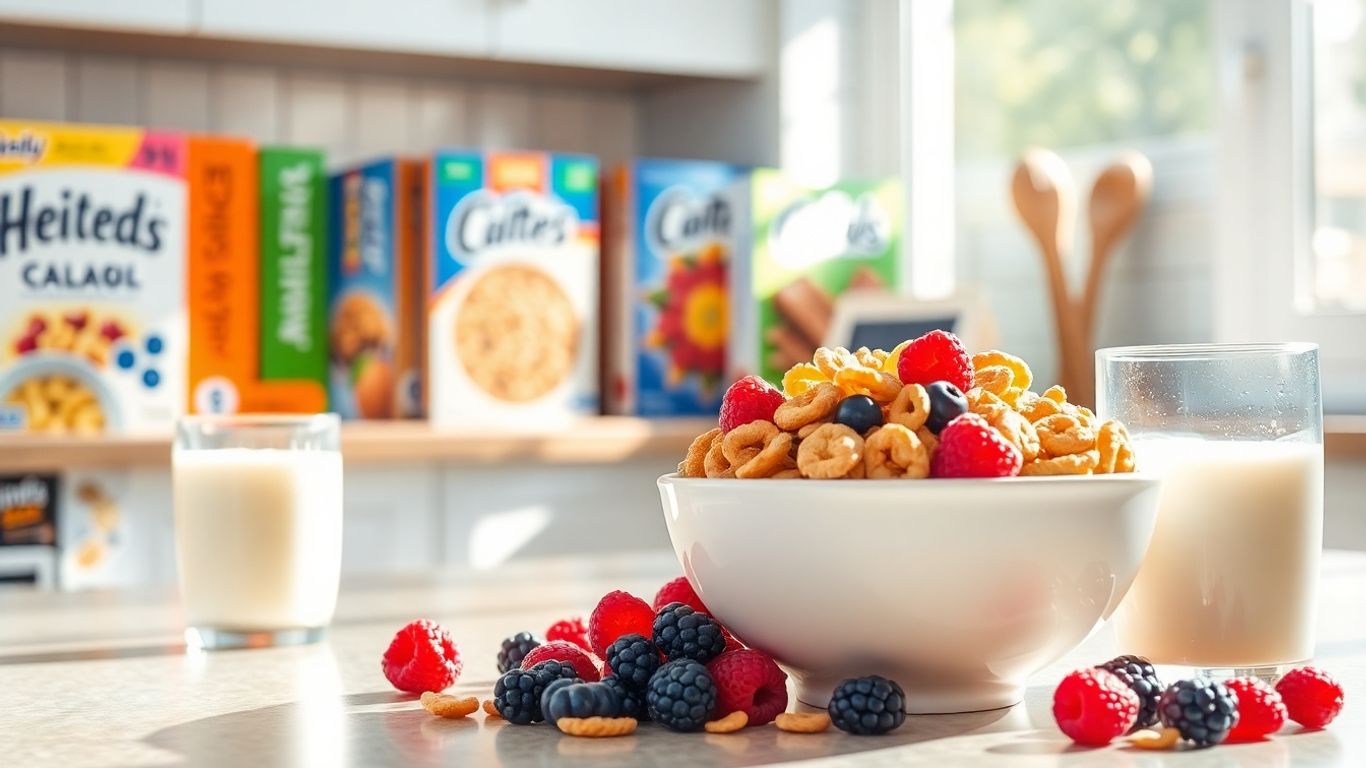
The cereal aisle can feel like a minefield, can’t it? So many boxes shout about being "healthy" or "packed with vitamins," but it’s easy to get tricked by clever marketing. Let’s cut through the noise and figure out how to actually pick a cereal that’s good for you.
Prioritizing Whole Grains and Fiber
When you’re scanning those boxes, the first thing you should look for is the ingredient list. You want "whole grain" or "whole wheat" to be the very first ingredient. This means the grain hasn’t been overly processed, keeping more of its natural goodness. Why does this matter? Whole grains are packed with fiber, which is like a superhero for your digestive system. It helps you feel full longer, which can stop those mid-morning snack attacks. Plus, it’s way better for keeping your energy levels steady throughout the morning.
Here’s a quick rundown of what to aim for:
- Whole Grains: Look for them as the first ingredient. Examples include whole wheat, whole oats, brown rice, or quinoa.
- Fiber: Aim for at least 3 grams of fiber per serving. More is usually better!
- Protein: A little protein goes a long way. Try to find cereals with at least 5 grams per serving to help keep you satisfied.
Remember, a shorter ingredient list often means less processing. While some added vitamins are okay, don’t let them distract you from the main players: whole grains and fiber.
Understanding Sugar Content in Cereals
This is where many cereals really let us down. That sweet taste you love? It often comes from a lot of added sugar. While some natural sugars are fine (like those from dried fruit), added sugars are the ones we need to watch out for. They can lead to energy crashes and aren’t great for our health in large amounts.
Here’s a simple guide to sugar:
- Check the "Total Sugars" line: This number includes both natural and added sugars.
- Look for "Added Sugars": Many newer labels will break this out. Aim for cereals with 6 grams or less of added sugar per serving.
- Be Wary of Marketing: Phrases like "naturally flavored" or "made with real fruit" don’t always mean low sugar. The fruit might be candied, adding extra sweetness.
| Nutrient | Aim For (per serving) | Notes |
|---|---|---|
| Whole Grains | First ingredient | Look for "whole wheat," "oats," etc. |
| Fiber | 3+ grams | Helps you feel full |
| Protein | 5+ grams | Also helps with fullness |
| Added Sugars | 6 grams or less | The main culprit to limit |
| Sodium | Less than 200 mg | Some cereals can be surprisingly salty |
It might seem like a lot to remember, but once you get the hang of reading labels, it becomes second nature. You’ll be able to quickly spot the winners and leave the sugar bombs on the shelf. Your morning meal should be a good start to the day, not a sugar rush followed by a crash.
So, What’s the Bottom Line on Breakfast Cereal?
Alright, so we’ve talked a lot about cereal. It turns out picking a good one isn’t some big secret. You just need to know what to look for on the box. Keep an eye on that sugar – less is definitely better. Make sure there’s a good amount of fiber and some protein to keep you full. And always, always check that the first ingredient is a whole grain. It’s not about ditching cereal completely; it’s about being smart about it. Next time you’re in that cereal aisle, you’ll be ready to grab something that’s actually good for you, not just something that looks pretty or sounds catchy. Your morning routine will thank you.
Frequently Asked Questions
What makes a cereal a good choice for breakfast?
A good breakfast cereal is usually low in added sugar and salt, but packed with fiber and whole grains. Think of it this way: the fewer ingredients that look like they belong in a candy store, the better. Whole grains give you energy that lasts, and fiber helps you feel full and keeps your tummy happy. Look for at least 3 grams of fiber per serving.
How much sugar is too much in cereal?
It’s best to pick cereals with 6 grams of sugar or less per serving. Many cereals, especially those made for kids, can have a surprising amount of sugar, sometimes as much as a dessert! Always check the nutrition label to see how much sugar is added, and try to get sweetness from natural sources like fruit instead.
What should I look for on the cereal box to know if it’s healthy?
First, check the serving size – it’s often smaller than what most people pour! Then, look for ‘whole grain’ or ‘whole wheat’ as the first ingredient. Aim for at least 3 grams of fiber and try to find options with a few grams of protein to help you stay full. Avoid cereals with long ingredient lists that include lots of artificial stuff.