
Picking a cereal healthy breakfast can feel like a puzzle with all the boxes on the shelf. You see claims about fiber, vitamins, and whole grains, but what really makes a cereal good for you? It’s easy to get caught up in the marketing, but understanding a few basics can make all the difference. This guide is here to help you sort through the options and find a breakfast that actually fuels your day.
Key Takeaways
- When looking at cereal, check the serving size first. Some are small, making the cereal seem healthier than it is.
- Aim for cereals with at least 3-5 grams of fiber per serving and try to keep added sugar below 10 grams.
- Whole grains should be the first ingredient listed on the box for a truly nutritious cereal healthy breakfast.
Decoding the Cereal Aisle for a Healthy Breakfast
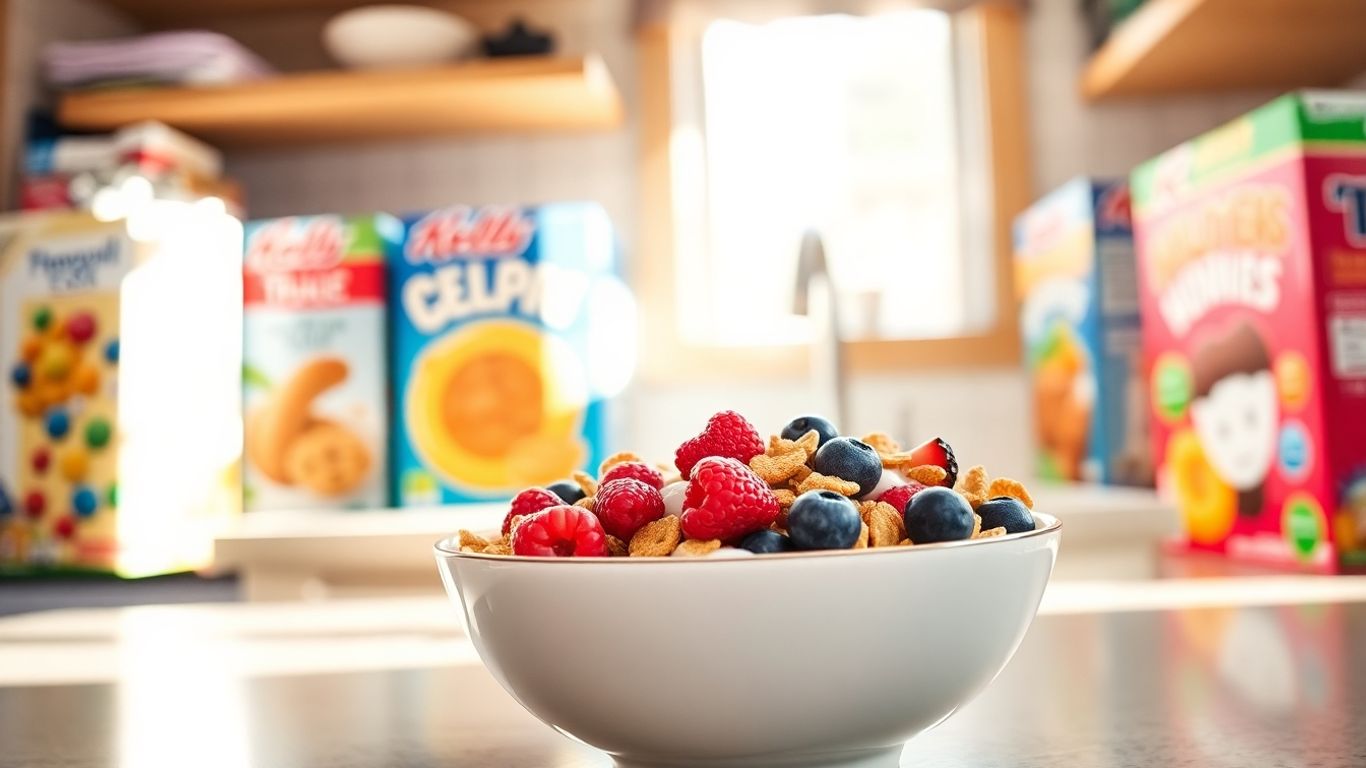
Okay, so the cereal aisle. It’s a lot, right? Bright boxes, cartoon characters, claims of "good source of vitamins" everywhere. It can feel like a mission just to pick out something decent. But really, it just comes down to knowing what to look for. The front of the box is mostly marketing; the real story is on the back.
Understanding Key Nutritional Components
When you grab a box, flip it over. Don’t get distracted by the "sugar-free" or "fortified with 10 vitamins" claims just yet. Let’s break down what actually matters:
- Serving Size: This is your starting point. Everything else is measured against this. Some serving sizes are tiny, like half a cup, which is easy to blow past without realizing it. Always check this first.
- Fiber: Aim for at least 3 grams per serving. More is usually better. Fiber helps you feel full and keeps things moving smoothly, if you know what I mean.
- Sugar: This is a big one. We’ll get into it more, but keep an eye on the total sugar. Ideally, you want less than 10 grams per serving, and even better if most of that isn’t added sugar.
- Whole Grains: Look for "whole grain" as the very first ingredient. This means you’re getting the good stuff from the grain, not just the processed bits.
- Protein: A few grams of protein per serving can also help with feeling satisfied. It’s not the main event in most cereals, but it’s a nice bonus.
Here’s a quick look at what to prioritize:
| Nutrient | Aim For (per serving) | Why It Matters |
|---|---|---|
| Fiber | 3g or more | Keeps you full, aids digestion |
| Whole Grains | First ingredient | Provides more nutrients and sustained energy |
| Added Sugars | As little as possible | Contributes empty calories, can lead to crashes |
| Protein | 3g or more (bonus) | Helps with satiety |
It’s easy to get caught up in the flashy packaging and marketing. But taking a moment to read the nutrition facts panel is like having a secret decoder ring for the cereal aisle. It tells you what’s really going into your bowl.
Navigating Sugar Content in Cereals
Sugar is probably the biggest culprit when it comes to making cereals less than healthy. Some boxes are practically candy in disguise. You’ll see "added sugars" listed on the newer labels, which is super helpful. These are sugars that weren’t naturally in the ingredients but were put there during processing.
- Hidden Sugars: Sometimes sugar has different names. Look out for things like corn syrup, high-fructose corn syrup, dextrose, maltose, and even fruit juice concentrates if they’re high up on the ingredient list.
- Marketing Tricks: Cereals marketed to kids often have the most sugar. They might have cartoon characters or bright colors, but the sugar content can be surprisingly high.
- Natural vs. Added: Some cereals get their sweetness from dried fruit. While fruit has natural sugars, it also comes with fiber and nutrients. It’s generally better than straight-up added sugar, but still something to be mindful of. A cereal with 5g of sugar from dried fruit is different from one with 15g of added sugar.
So, when you’re scanning those labels, really focus on that sugar number. It’s a key indicator of whether that box is going to give you a good start or a sugar crash by mid-morning.
Making Smart Cereal Choices for a Nutritious Morning
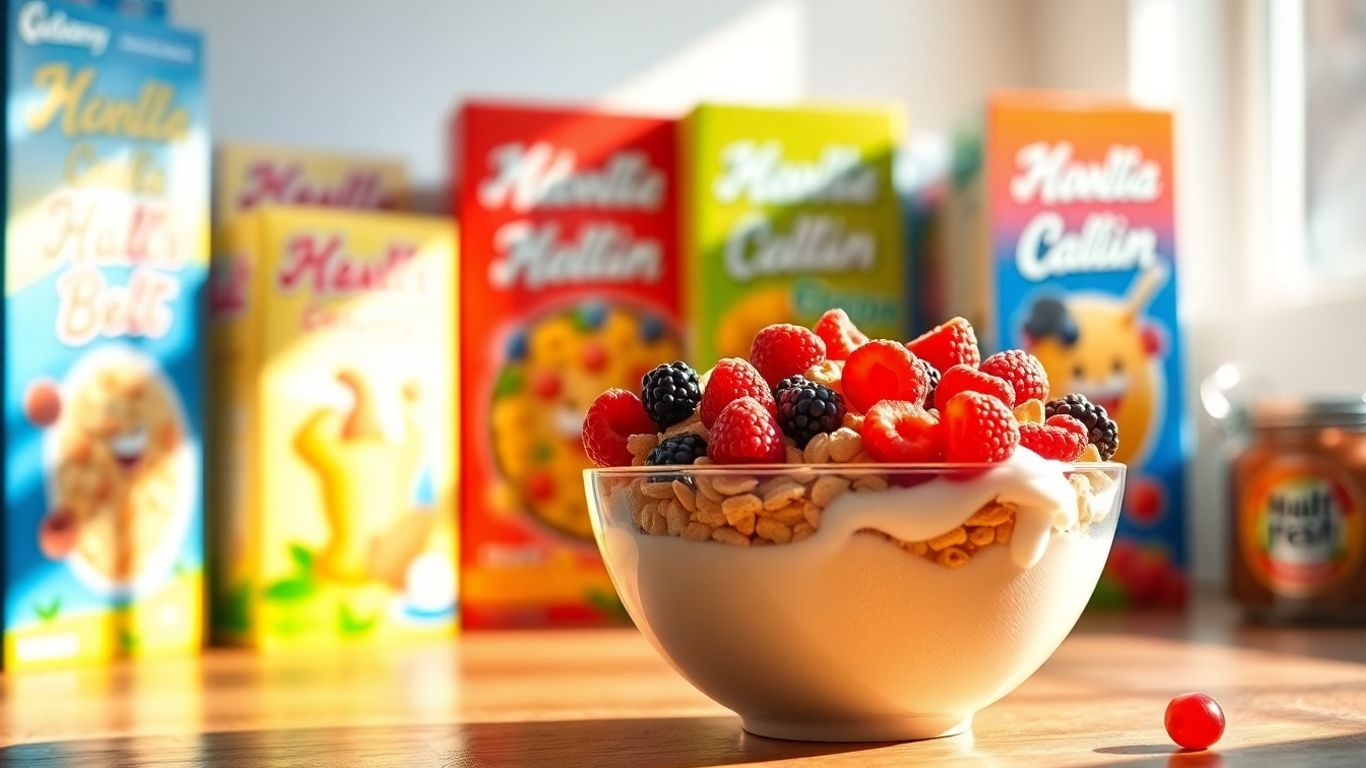
Okay, so you’ve figured out the sugar situation and what whole grains actually mean. Now comes the fun part: actually picking a cereal that’s going to fuel your day without a sugar crash by 10 AM. It’s not as complicated as it looks, honestly.
Prioritizing Whole Grains and High Fiber
When you’re scanning those boxes, make whole grains your first stop. Think of it like this: whole grains are the complete package, keeping you full and giving you steady energy. Refined grains? They’re like the stripped-down version, missing a lot of the good stuff. You want to see "whole wheat," "whole oats," "brown rice," or "barley" listed as the very first ingredient. If it just says "wheat flour" or "enriched flour," that’s usually a sign it’s been processed too much.
Fiber is another big player. It’s what helps keep your digestive system happy and makes you feel satisfied. Aim for cereals that pack at least 3 grams of fiber per serving. More is usually better, but don’t go overboard if it means a ton of sugar.
Here’s a quick rundown of what to look for:
- Whole Grains First: Check that the first ingredient is a whole grain.
- Fiber Content: Aim for 3 grams or more per serving.
- Sugar Awareness: Keep added sugars as low as possible. Natural sugars from fruit are okay, but watch out for added sweeteners.
Choosing a cereal with a good amount of fiber and whole grains is like giving your body a slow-release energy pack. It helps prevent those sudden hunger pangs and keeps your focus sharp.
Incorporating Cereals into a Balanced Meal
Just pouring cereal into a bowl and adding milk is fine, but you can really level up your breakfast game. Think of cereal as the base, and then add some boosters.
- Add Fresh Fruit: Berries, sliced bananas, or chopped apples add natural sweetness, vitamins, and more fiber. It’s a simple way to make your bowl more colorful and nutritious.
- Boost with Protein and Healthy Fats: A dollop of Greek yogurt or a sprinkle of nuts and seeds (like almonds, walnuts, or chia seeds) can make your breakfast more filling and provide sustained energy. This helps balance out the carbs from the cereal.
- Consider Your Liquid: While milk is a classic, unsweetened plant-based milks or even water can work. If you use milk, it adds calcium and protein, which is a nice bonus.
Don’t forget about portion sizes. It’s easy to just eyeball it, but using a measuring cup for the first few times can be eye-opening. A slightly smaller portion of a really good cereal is better than a huge bowl of something less nutritious.
Your Healthiest Bowl Awaits
So, we’ve gone through how to really look at those cereal boxes and figure out what’s actually good for you. It’s not just about the flashy pictures or the ‘healthy’ words on the front. By checking the sugar, fiber, and whole grain content, you can make much smarter choices. Remember, a good breakfast sets the stage for your whole day, giving you the energy you need without the sugar crash later. Don’t be afraid to mix and match, add some fruit or nuts, and find what works best for you. Your morning meal can be both tasty and good for your body.
Frequently Asked Questions
What makes a cereal ‘healthy’?
A healthy cereal usually has whole grains as the main ingredient and is packed with fiber. It’s also important that it doesn’t have too much added sugar. Checking the nutrition label for fiber content (aim for 3-5 grams per serving) and sugar (less than 10 grams per serving) is a good way to tell if it’s a smart choice.
How can I make my cereal more nutritious?
You can boost the healthiness of your cereal by adding other good-for-you foods. Try mixing in fresh fruits like berries or bananas for vitamins and natural sweetness. Adding milk or yogurt provides protein and calcium, while a sprinkle of nuts or seeds offers healthy fats and extra fiber.
Are all cereals with ‘whole grain’ on the box healthy?
Not always! While ‘whole grain’ is a good sign, it’s still important to read the whole nutrition label. Some cereals might list whole grains but also contain a lot of added sugar or very little fiber. Always check the serving size, sugar content, and fiber amount to be sure.