
Walking down the cereal aisle can feel like a puzzle. So many boxes, so many claims! But picking a good cereal for a healthy breakfast doesn’t have to be complicated. We’re going to break down what’s really in that box and how to choose a cereal that will actually give you a good start to your day. It’s all about knowing what to look for, so you can grab a cereal that’s tasty and good for you.
Key Takeaways
- When looking at cereal, check the serving size first. All the nutrition info is based on that amount, and sometimes it’s smaller than you think.
- Aim for cereals with at least 3 to 5 grams of fiber per serving and make whole grains the first ingredient listed. This helps you feel full and gives you lasting energy.
- Keep an eye on sugar. Many cereals have a lot of added sugar. Try to find options with less than 10 grams of sugar per serving, and check the ingredients for sneaky sweeteners.
Decoding Cereal Nutrition Labels
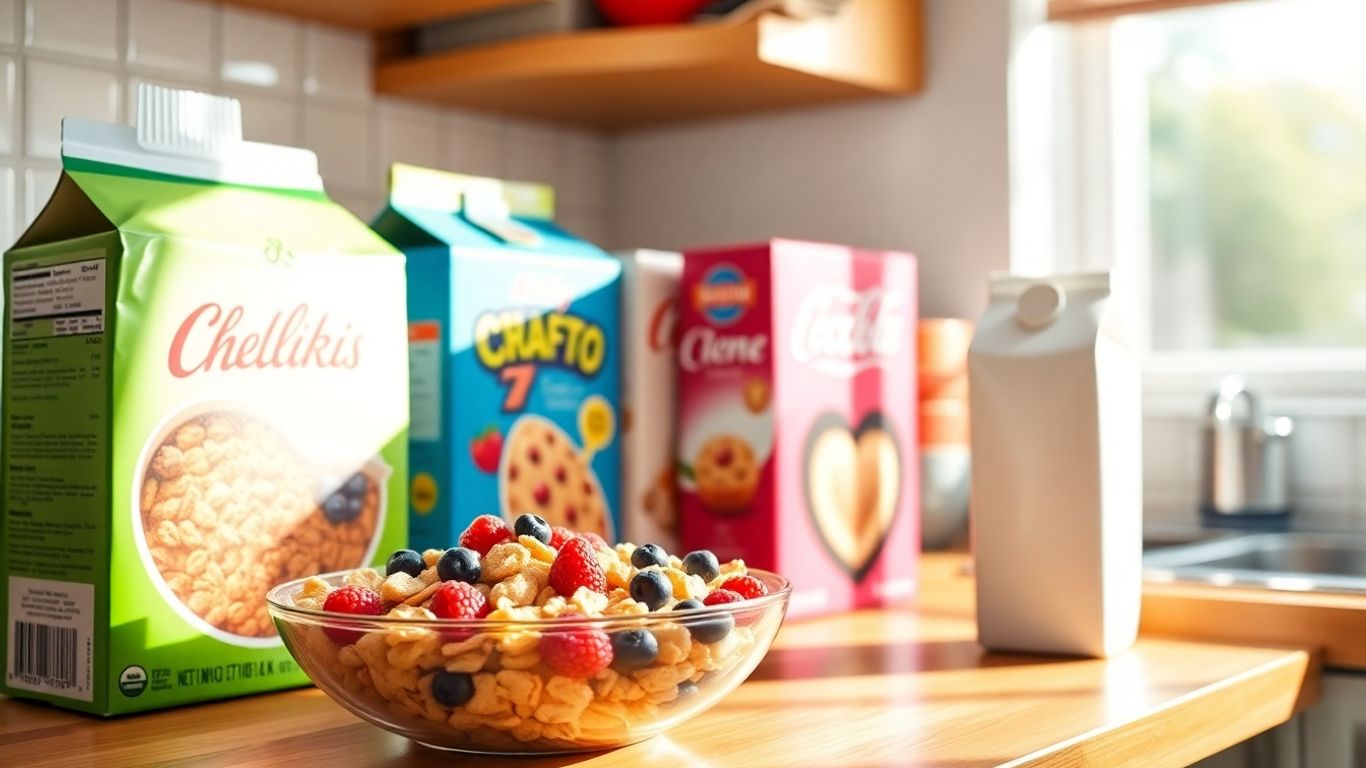
Walking down the cereal aisle can feel like a maze, right? So many boxes, so many claims about being "healthy" or "whole grain." But what does that actually mean for your breakfast? Let’s break down how to read those nutrition labels so you can pick something that’s actually good for you.
Understanding Serving Sizes and Calories
First things first, check out the serving size. This is super important because all the numbers on the label – calories, sugar, fiber – are based on this amount. Sometimes, serving sizes are pretty small, like half a cup or even a quarter cup. If you know you’re going to eat more than that to feel full, you’ll need to do some quick math to figure out the real calorie and sugar count for your bowl. Don’t let a small serving size trick you into thinking a cereal is lower in calories or sugar than it really is.
Prioritizing Fiber and Whole Grains
When you look at the nutrition facts, aim for cereals that have a good amount of fiber. Generally, you’ll want to see at least 3 to 5 grams of fiber per serving. Fiber helps you feel full longer, which is great for avoiding mid-morning snack attacks. Also, check the ingredients list. Look for cereals where a whole grain, like "whole wheat" or "whole oats," is listed as the very first ingredient. This means the cereal is made from the entire grain, which is better for you than refined grains.
Here’s a quick rundown of what to look for:
- Fiber: Aim for 3-5 grams or more per serving.
- Whole Grains: Should be the first ingredient listed.
- Protein: Around 3 grams or more per serving is a good target.
Navigating Sugar Content and Ingredients
Sugar is often the sneaky culprit in many cereals. You’ll want to pay close attention to the "Total Sugars" line. Try to find cereals with less than 10 grams of sugar per serving. Even better if it’s lower! Also, look at the ingredients list. A shorter list with recognizable ingredients is usually a good sign. If you see a long list of words you can’t pronounce, or multiple types of sugar listed (like corn syrup, fructose, dextrose), it’s probably best to put that box back.
Be wary of cereals that market themselves heavily on being "kid-friendly" or having cartoon characters. These often pack a lot of added sugar and fewer beneficial nutrients. It’s always worth a second look at the label.
Remember, reading the label takes a minute, but it’s totally worth it for a healthier start to your day.
Building a Cereal Healthy Breakfast

So, you’ve figured out how to read those nutrition labels and you’re ready to pick a cereal that actually does your body some good. Awesome! But what do you do with it once you get it home? Just pouring it into a bowl with some milk is okay, but we can do better. Let’s talk about making your cereal a real breakfast powerhouse.
Choosing High-Fiber and Whole-Grain Cereals
This is where we start. Forget the cartoon characters and the "sugar rush" promises. We’re looking for the real deal. Think about cereals where the first ingredient is something like whole wheat, oats, barley, or bran. These give you fiber, which keeps you full and helps your digestion. It’s like giving your body sustained energy instead of a quick sugar spike and crash.
Here are some types of cereals that usually fit the bill:
- Plain Rolled Oats or Steel-Cut Oats: You can’t get much simpler than this. Cook them up on the stove or even in the microwave. They’re a blank canvas for flavor.
- Whole Grain Flakes: Look for ones made from wheat, corn, or rice, but make sure "whole grain" is right there at the start of the ingredient list.
- Bran Cereals: These are often packed with fiber. Just give the sugar content a quick check, as some can be surprisingly sweet.
- Muesli: This is usually a mix of oats, nuts, seeds, and sometimes dried fruit. It’s often less processed than granola.
The goal is to pick a cereal that has at least 3-5 grams of fiber per serving and isn’t loaded with added sugars.
Pairing Cereals with Nutritious Additions
Now for the fun part! Taking that good-for-you cereal and making it a complete meal. This is where you add the flavor, the extra nutrients, and make it something you actually look forward to eating.
- Fresh Fruit: Berries (strawberries, blueberries, raspberries), sliced bananas, chopped apples, or peaches add natural sweetness, vitamins, and more fiber. They’re way better than artificial flavors.
- Nuts and Seeds: A small handful of almonds, walnuts, chia seeds, flax seeds, or pumpkin seeds adds healthy fats, protein, and a nice crunch. They help keep you feeling satisfied longer.
- Yogurt or Milk: Pouring milk (dairy or plant-based) or adding a dollop of Greek yogurt boosts the protein content. Greek yogurt, in particular, is a protein champion.
- Spices: A sprinkle of cinnamon or nutmeg can add a lot of flavor without any sugar. It’s a simple trick that makes a big difference.
Think of your cereal as the base, like the bread for a sandwich. You wouldn’t just eat plain bread, right? You add the good stuff to make it a meal. Your cereal is the same. Adding these simple ingredients transforms it from just a bowl of grains into a balanced breakfast that will actually keep you going.
For example, a bowl of plain shredded wheat topped with a handful of blueberries, a sprinkle of chopped almonds, and a splash of almond milk is a world away from a sugary, processed cereal. It’s quick, it’s easy, and it’s genuinely good for you. You can even prep some of these additions the night before, like chopping fruit or portioning out nuts, to make your morning even smoother.
Your Healthiest Bowl Awaits
So, there you have it. Choosing a good cereal doesn’t have to be a puzzle. By paying attention to things like fiber, sugar, and whole grains, you can totally pick out a breakfast that actually fuels you. It’s not about finding the fanciest box, but the one with the ingredients that make sense for your body. Remember, a smart cereal choice is just the first step to a better morning, and a better day. Now go forth and conquer that cereal aisle!
Frequently Asked Questions
What’s the most important thing to look for on a cereal box?
When you’re looking at a cereal box, the most important things to check are the amount of fiber and sugar. Aim for cereals that have at least 3 grams of fiber per serving and try to find options with less than 10 grams of sugar. Also, check if whole grains are listed as one of the first ingredients. This helps you pick a cereal that will keep you full and give you energy.
Are all cereals that say ‘whole grain’ actually healthy?
Not always! While ‘whole grain’ is a good sign, some cereals might still have a lot of added sugar or very little fiber. It’s important to look beyond just that one claim. Read the full nutrition label to see the total sugar, fiber, and check the ingredients list to make sure it’s not packed with things you don’t need.
What are some good things to add to cereal to make it healthier?
You can make your cereal much healthier and tastier by adding fresh fruits like berries or bananas for vitamins and natural sweetness. Adding a spoonful of yogurt or a sprinkle of nuts and seeds can boost the protein and healthy fats, helping you feel full longer. These additions turn a simple bowl of cereal into a more complete and energizing meal.