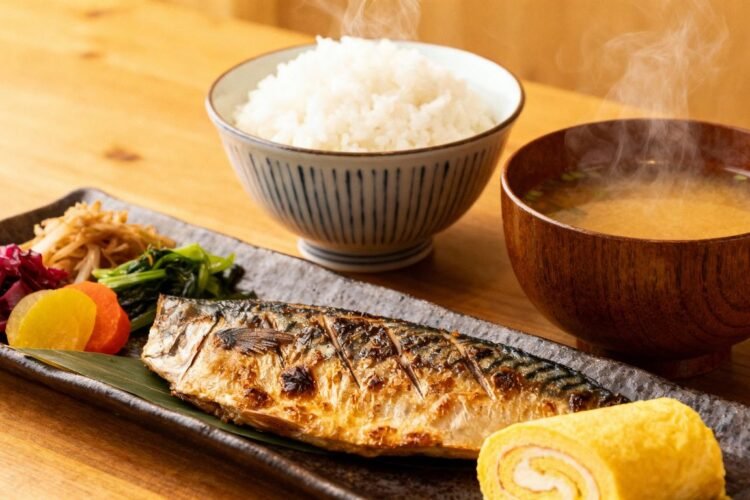
Ever wondered about the stories behind the names of Japanese breakfasts? It’s more than just a label; it’s a little peek into culture, ingredients, and sometimes even history. Let’s unpack what makes a Japanese breakfast name so interesting.
Key Takeaways
- The term ‘Irasshaimase’ in Japanese dining means ‘welcome,’ but it carries a deeper sense of acknowledging and taking care of the guest.
- Names like ‘Boy of the Woods’ can relate to the origins or personal history of the chef or the restaurant.
- Japanese breakfast names often reflect the use of seasonal ingredients and the artistic presentation, like in a multi-course Kaiseki meal.
Understanding The Nuances Of A Japanese Breakfast Name
The Significance Of ‘Irasshaimase’ In Japanese Dining
When you walk into a Japanese restaurant, the first thing you’ll likely hear is a chorus of "Irasshaimase!" It’s more than just a simple "hello" or "welcome." This phrase is deeply ingrained in Japanese hospitality, carrying a weight of acknowledgment and commitment. It means "Please come in" or "I see you." It’s the staff’s way of saying they’ve noticed your arrival and are ready to attend to your needs. It sets the tone for the entire dining experience, signaling that you’re about to be taken care of.
Exploring The ‘Boy Of The Woods’ Meaning In Japanese Breakfast Names
Sometimes, the names of Japanese dishes, especially those found in traditional breakfasts, can seem a bit poetic or even mysterious. Take, for instance, the idea of a "Boy of the Woods." This phrase, which translates from Japanese as "Sylvan" or "Rintaro," often hints at ingredients that are natural, perhaps foraged, or connected to the earth. It evokes a sense of simplicity and a connection to nature, suggesting dishes that might feature seasonal vegetables, mushrooms, or other ingredients harvested from the surrounding environment. It’s a reminder that food isn’t just sustenance; it’s a story, a connection to the land and the seasons.
- Natural Ingredients: Often points to the use of fresh, seasonal produce.
- Simplicity: Suggests a less processed, more straightforward preparation.
- Connection to Place: Implies ingredients sourced from a specific region or environment.
- Earthy Flavors: Hints at ingredients like mushrooms, root vegetables, or wild herbs.
The naming conventions in Japanese cuisine often go beyond mere description. They aim to evoke a feeling, a memory, or a connection to the natural world, adding another layer of appreciation to the meal.
Deconstructing The Components Of A Japanese Breakfast
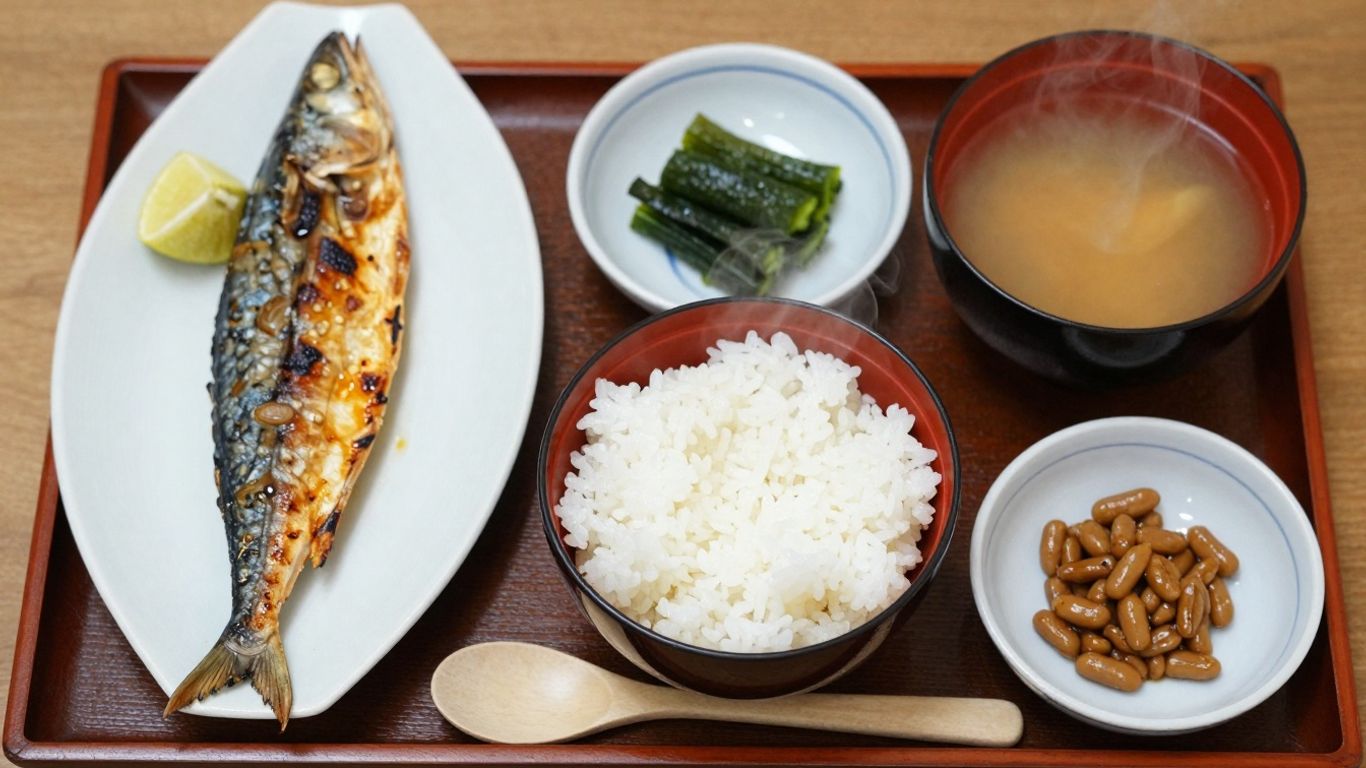
When you think about a Japanese breakfast, it’s not just about a single dish. It’s often a collection of smaller items, each playing its part in the overall meal. Think of it like a carefully arranged mosaic, where every tile matters.
The Art Of Kaiseki: A Multi-Course Japanese Breakfast Experience
Kaiseki is a big word, but it basically means a meal made up of many small courses. It’s not just about eating; it’s an experience. Each dish is presented like a tiny work of art. The ingredients are top-notch, and how they’re placed on the plate, the plate itself, even how it sits on the table – it’s all thought out. Don’t be fooled by the small servings at the start; by the end, you’ll be full.
Here’s a typical breakdown of what you might find:
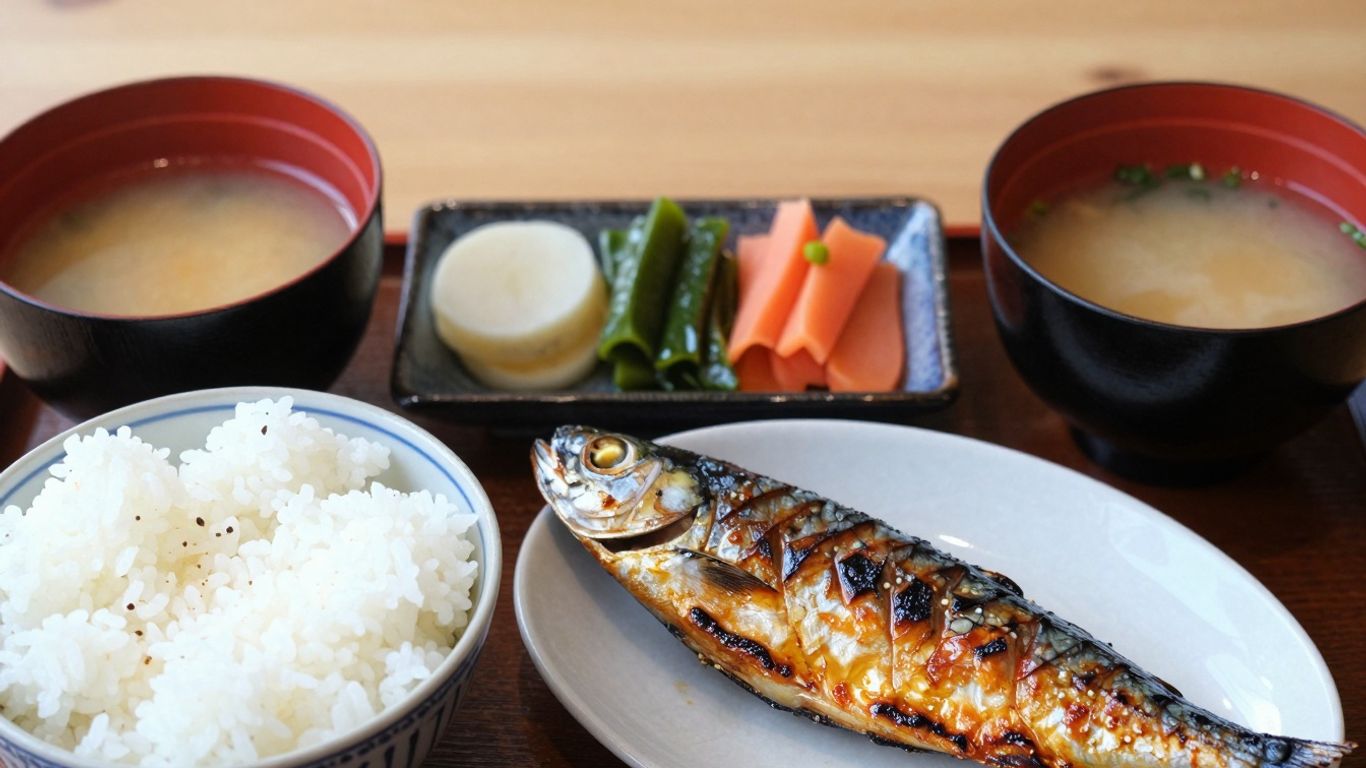
- Rice: Usually plain white rice, a staple.
- Miso Soup: A savory broth, often with tofu and seaweed.
- Grilled Fish: A common protein, often seasoned simply.
- Pickles (Tsukemono): Various pickled vegetables that add a salty, tangy crunch.
- Simmered Dishes (Nimono): Vegetables or other ingredients gently cooked in a seasoned broth.
- Small Appetizers: These can vary widely, from seasoned vegetables to small seafood items.
The beauty of kaiseki lies in its seasonality and the chef’s skill. It’s a way to taste the best of what’s available right now, prepared with care and presented with respect for the ingredients.
Seasonal Ingredients And Their Role In Japanese Breakfast Names
Japanese cuisine really emphasizes using what’s fresh and in season. This idea, called "shun," is super important. It means using ingredients at their peak flavor and quality. This focus on seasonality isn’t just about taste; it’s also about sustainability and respecting nature’s cycles. When you see a name for a Japanese breakfast, it might hint at these seasonal stars. For example, a name might include a type of fish only available in spring, or a vegetable that’s best in the summer. It’s a subtle nod to the time of year and the specific ingredients that make that meal special.
Think about it:
- Spring: You might see dishes featuring bamboo shoots (takenoko) or fresh mountain vegetables.
- Summer: Expect ingredients like eggplant or certain types of fish that thrive in warmer waters.
- Autumn: Look for mushrooms, chestnuts, or root vegetables.
- Winter: Often features heartier ingredients like daikon radish or preserved items.
This connection to the seasons makes each meal feel unique and tied to a specific moment in time. It’s like eating a little piece of that season.
More Than Just a Meal
So, as we’ve seen, the names of Japanese breakfast dishes aren’t just random labels. They often tell a story, hinting at the ingredients, the cooking method, or even a bit of cultural history. It’s like a little puzzle with every meal. Next time you sit down for a Japanese breakfast, take a moment to think about the name. It might just give you a whole new appreciation for what’s on your plate. It’s more than just food; it’s a connection to tradition and a glimpse into a different way of thinking about meals.
Frequently Asked Questions
What does ‘Irasshaimase’ mean in a Japanese restaurant?
‘Irasshaimase’ is a common Japanese greeting used in shops and restaurants. It basically means ‘Welcome!’ or ‘Come in!’. It’s more than just a simple welcome, though; it also shows that the staff sees you and is ready to help you.
Why are some Japanese breakfast names related to nature, like ‘Boy of the Woods’?
Names like ‘Boy of the Woods’ can connect the food to its origins or the feeling it evokes. It might suggest ingredients that are fresh, natural, or gathered from the wild, reflecting a connection to nature and the changing seasons.
What is a Kaiseki meal?
A Kaiseki meal is a special, multi-course dining experience in Japan. It’s like a fancy meal where each small dish is presented like a work of art. The focus is on using fresh, seasonal ingredients, making it a beautiful and delicious journey for your taste buds.