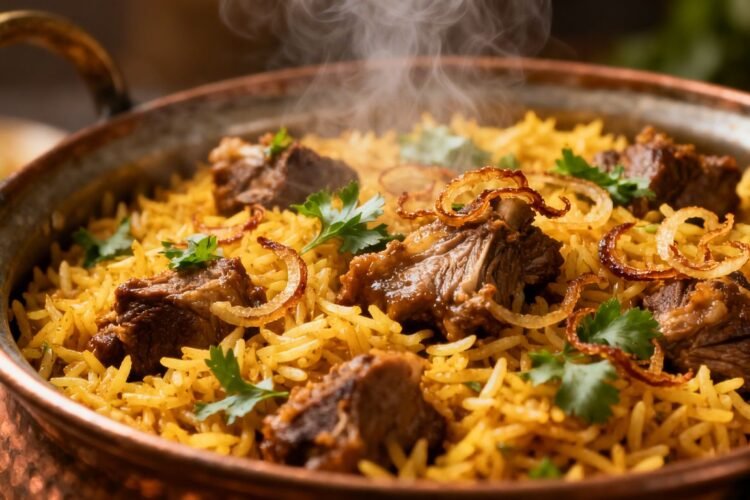
If you’re looking for a dish that’s both comforting and a little bit special, mutton yakhni pulao is it. This is the kind of meal that fills the whole house with the smell of spices and slow-cooked meat. I remember the first time I tried making this at home—I was a little nervous about getting the rice just right and not overcooking the mutton. But honestly, it’s much easier than it sounds. The secret is all in the yakhni, or the spiced broth, which gives everything its flavor. With a few simple steps, you end up with tender meat and fluffy rice that soaks up all those good spices. Let’s get into this mutton yakhni pulao recipe and see how you can make it for your next family meal or get-together.
Key Takeaways
- Cook the mutton separately with whole spices to make a flavorful yakhni (broth) before adding the rice.
- Use basmati rice and soak it first to help get those fluffy grains without any mushiness.
- Finish the pulao with fried onions and fresh herbs for a simple but tasty garnish.
Crafting The Perfect Mutton Yakhni Pulao
Understanding The Yakhni Base
The heart of a truly great Mutton Yakhni Pulao lies in its foundation: the yakhni. This isn’t just any broth; it’s a deeply flavored liquid created by slow-simmering mutton with a specific blend of whole spices, aromatics like ginger and garlic, and sometimes a touch of onion. The goal here is to extract every bit of savory goodness from the meat and spices, creating a rich, aromatic stock that will later cook the rice to perfection. Think of it as the soul of the dish, infusing every grain of rice with incredible depth.
Here’s a breakdown of what typically goes into building that flavorful yakhni:
- Mutton: Bone-in cuts are best as they add more flavor and richness to the broth.
- Whole Spices: Aromatic powerhouses like cinnamon sticks, green and black cardamom pods, cloves, bay leaves, and black peppercorns are key. These release their fragrance slowly during simmering.
- Aromatics: Fresh ginger and garlic, often roughly chopped, add a pungent depth.
- Water: Enough to cover the meat and spices, allowing for a good simmer.
The magic happens during the slow cooking process. Patience is rewarded with a broth that’s not just flavorful, but also carries a comforting warmth. It’s this liquid gold that transforms plain rice into something extraordinary.
Selecting The Finest Mutton
Choosing the right cut of mutton makes a big difference in the final dish. You want meat that’s tender enough to cook through but also has enough fat and connective tissue to add richness and flavor to both the yakhni and the pulao itself. Cuts that benefit from slow cooking are usually the best bet.
Here are some good options to consider:
- Shoulder (Raan): This is a popular choice because it has a good balance of meat and fat, and it becomes wonderfully tender when slow-cooked.
- Leg: Similar to the shoulder, the leg offers rich flavor and can be cut into manageable pieces for the pulao.
- Rib Chops: While they might cook a bit faster, they offer excellent flavor and a nice presentation.
It’s important to use bone-in pieces whenever possible, as the bones contribute significantly to the flavor and body of the yakhni. Aim for pieces that are roughly uniform in size so they cook evenly.
Mastering The Mutton Yakhni Pulao Technique
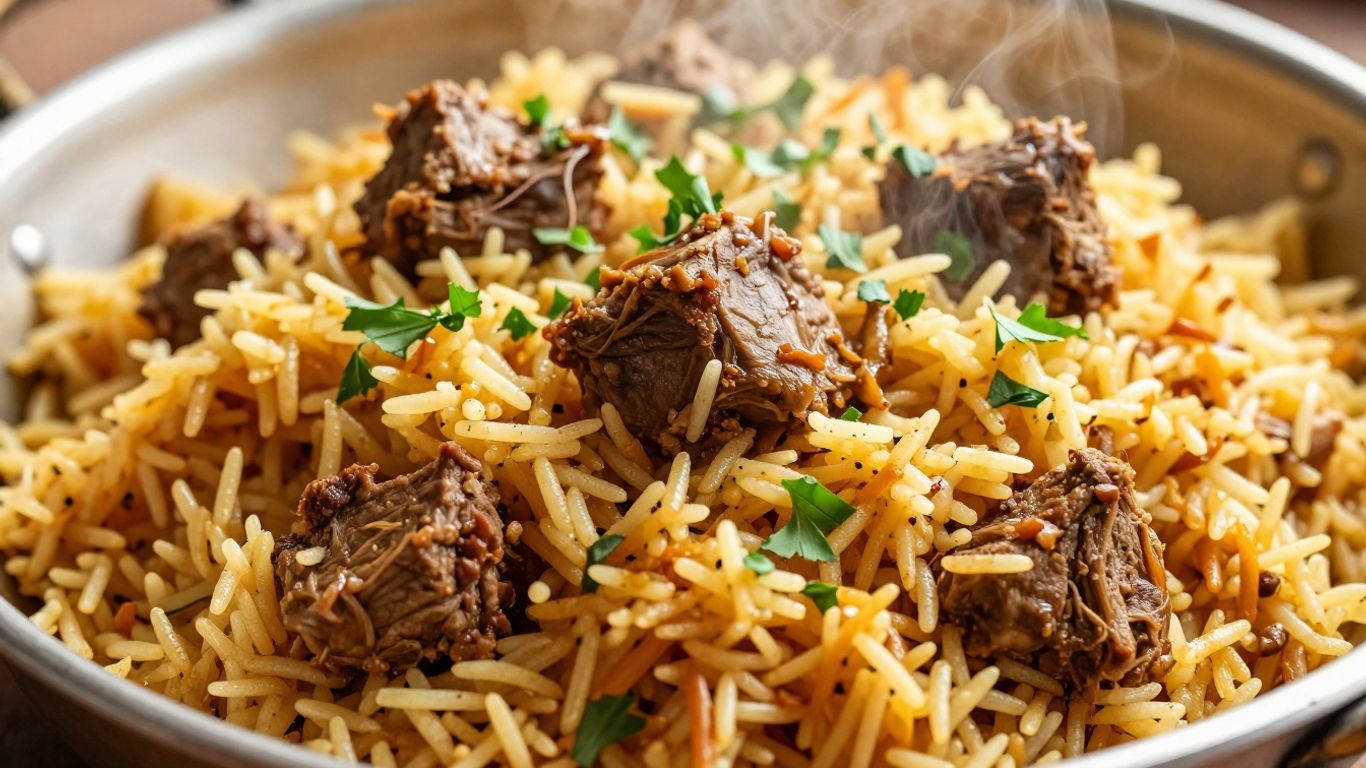
No matter how tempting the end result is, this dish isn’t all about tossing things in a pot and calling it a day. There’s a bit of a rhythm to making sure you get tender chunks of mutton, perfectly seasoned rice, and flavors that really sit right. Here’s what I’ve learned from doing this the hard way more than once.
The Art Of Cooking Mutton
Patient, slow cooking turns the mutton soft and rich in flavor—rush it and you’ll regret it every time. It’s not just about putting the meat in a pot; it’s how you treat it from the start.
Try this approach:
- Place the mutton in a pot with whole spices (like cinnamon, cardamom, cumin, cloves, and peppercorns), onion, ginger, and garlic.
- Fill with water to just cover, bring to a slow boil, then drop the heat down low.
- Let it simmer away (sometimes up to 2 hours) until the meat is falling off the bone.
- Taste for tenderness; if it’s even a little chewy, keep it going. Better to edge towards overcooked than tough.
| Step | Suggested Time | Purpose |
|---|---|---|
| Browning onions & sauté aromatics | 10-15 minutes | Build base flavor |
| Simmering meat with spices | 2 hours (low) | Achieve tender, flavored mutton |
The kitchen fills with warmth and the smell of spices as the meat cooks slowly—kind of feels like the whole house is waiting for dinner.
Achieving Fluffy Rice Perfection
Getting rice right for pulao can be weirdly tricky. If you don’t watch it, you end up with a sticky mess instead of those lovely, separate grains. Here’s what you want to keep in mind:
- Wash basmati rice a few times until the water runs almost clear. This helps get rid of extra starch.
- Soak the rice for at least 20-30 minutes. Soaking helps the grains cook evenly and remain fluffy.
- Measure out the yakhni (the mutton broth). Too much liquid and it’ll be mushy, too little and it’ll be hard.
- Once you add rice to the yakhni and meat, let it come to a simmer, then cover and cook on low. No stirring once the rice is in!
- Allow the pulao to rest for 10-15 minutes after cooking, lid on. This makes the rice settle and finish up perfectly.
Remember, most people struggle with rice more than the meat in this dish—you’re not alone if you’ve made a batch that’s either gloppy or crunchy.
| Quantity of Rice | Amount of Yakhni (Broth) |
|---|---|
| 1 cup | ~1.5 cups |
| 2 cups | ~3 cups |
It’s wild how much a few minutes extra or less of steam can change the whole vibe of a pulao.
After a few runs, you’ll find your sweet spot. Stick to the basics and show a little patience, and Mutton Yakhni Pulao doesn’t stand a chance—it’ll turn out just right.
Elevating Your Mutton Yakhni Pulao Experience
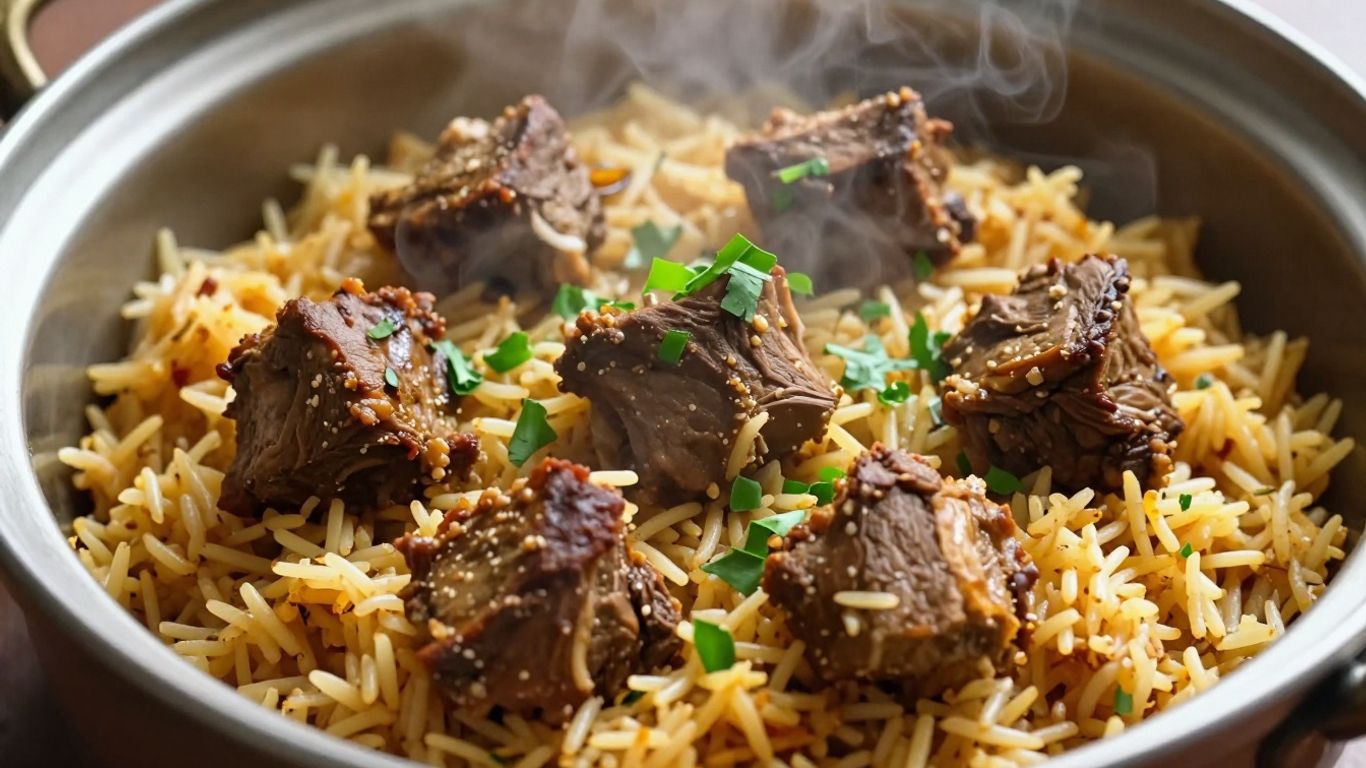
Getting the right flavor in your mutton yakhni pulao isn’t just about what spices you use, but how you use them. Whole spices, gently toasted or simmered, add the deepest flavor without overpowering the dish. Try using a mix that suits your taste—some like more cardamom, others want more black pepper for a bit of heat.
Here’s a simple table with some common spice combos and their effects:
| Spice Combo | Flavor Profile | Heat Level |
|---|---|---|
| Cardamom + Cloves | Sweet, warming | Mild |
| Black Pepper + Bay | Earthy, fragrant | Medium |
| Fennel + Cinnamon | Sweet, floral | Low |
| Cumin + Coriander | Nutty, fresh | Medium |
Other tips:
- Toasting the spices for just a minute before adding other ingredients really opens up their flavors.
- If you can’t stand picking out whole spices, tie them in a bit of cheesecloth for easy removal later.
- Sometimes a pinch of saffron soaked in warm milk can be added for an extra layer, but don’t overdo it!
Even tiny tweaks in your spice mix can make your pulao one of a kind. Don’t be afraid to experiment a little—family traditions are born from these personal touches.
Serving Suggestions And Garnishes
You’ve simmered, layered, and waited for your perfect mutton yakhni pulao. Now, let’s make it shine on the table:
- Pile the pulao high and garnish generously with crispy fried onions (birista).
- Sprinkle with chopped mint or cilantro for a pop of color and a fresh kick.
- Serve with bowls of cooling raita—plain yogurt, cucumber raita, or even boondi raita pairs great.
- A side of kachumber salad (diced cucumber, tomato, onion) adds crunch and cuts through the richness.
- For something more indulgent, add a squeeze of lemon or a pat of ghee just before serving.
If you’re hosting, keep the garnishes simple and let guests add what they like. Bowls of lemon wedges, extra fried onions, or even some spicy green chutney make it easy for everyone to tailor their own plates.
Sometimes, it’s that last sprinkle of herbs or a spoonful of raita that turns a regular dinner into something a little more special.
Enjoy Your Delicious Creation
So there you have it, a truly satisfying Mutton Yakhni Pulao. It might seem like a few steps, but honestly, the result is totally worth it. You get this super tender meat and perfectly cooked rice, all soaked in those amazing flavors from the yakhni. It’s the kind of dish that makes any meal feel a bit special, whether it’s a regular weeknight dinner or you’re having people over. Don’t be afraid to give it a go; you might just surprise yourself with how good it turns out. Happy cooking!
Frequently Asked Questions
What is ‘Yakhni’ and why is it important for the pulao?
Yakhni is basically a flavorful broth or stock made by slow-cooking meat (like mutton) with spices. It’s super important because this tasty liquid is used to cook the rice, giving the whole dish a deep, delicious flavor that you can’t get any other way.
How do I make sure the mutton is tender and the rice isn’t mushy?
The trick is to cook the mutton until it’s really tender before you add the rice. Often, the mutton is cooked separately first in the yakhni. Then, when you add the rice to the yakhni, you cook it just long enough for the grains to become fluffy and absorb all that yummy flavor, without turning into a mush.
Can I make Mutton Yakhni Pulao ahead of time?
Yes, you absolutely can! You can even make the yakhni (the broth) a day before and keep it in the fridge. This actually helps the flavors get even richer. The pulao itself also tastes great the next day, so it’s perfect for parties or when you want a meal ready to go.