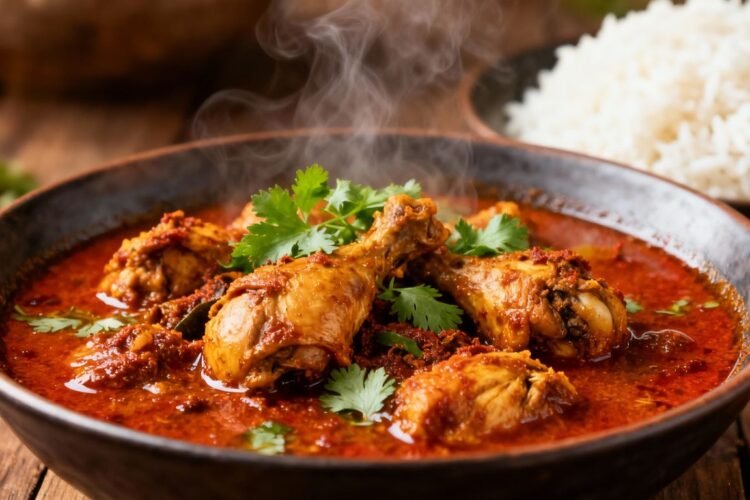
Get ready to explore the amazing flavors of Mangalore with this authentic chicken curry, also known as Kori Gassi. It’s a dish that really brings together the taste of the coast, with spices and coconut making it super special. This isn’t just any chicken curry; it’s a taste of tradition that’s been loved for ages. We’ll look at what makes it so unique, how to make it yourself, and the best ways to enjoy it.
Key Takeaways
- Mangalorean chicken curry, or Kori Gassi, is a traditional dish from the coastal region of Karnataka, India.
- The unique flavor comes from a blend of roasted spices, fresh coconut, and often tamarind for a bit of tang.
- It’s traditionally served with rice, rotti, dosa, or idli, making it a versatile and satisfying meal.
Unveiling the Essence of Mangalorean Chicken Curry
The Heart of Kori Gassi: A Family Legacy
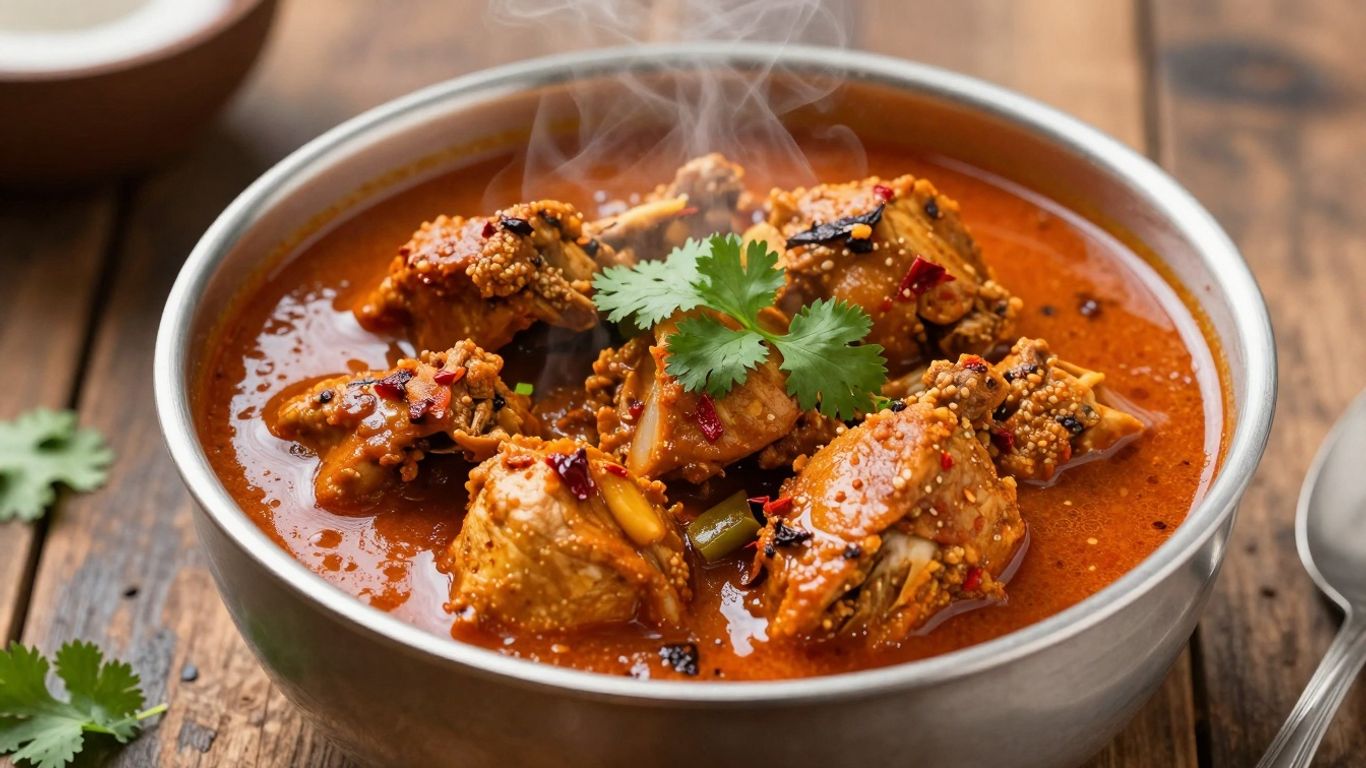
Kori Gassi, a name that might sound new to some, is the heart and soul of Mangalorean chicken curry. It’s more than just a dish; for many families from the coastal region of Karnataka, it’s a culinary heirloom. Think of it as a recipe passed down through generations, each family adding its own subtle touch. It’s the kind of food that brings people together, conjuring up memories of big family meals and the comforting aromas that filled the kitchen.
This curry isn’t just about ingredients; it’s about tradition. It represents a connection to roots, a taste of home that can transport you back to childhood dinners. It’s a dish that tells a story, a story of culture and culinary heritage that’s been carefully preserved and shared.
What Makes This Chicken Curry Unique
So, what gives Kori Gassi its special character? It’s a combination of things, really. Unlike many other chicken curries, this one often features a unique spice blend that’s toasted before grinding, giving it a deep, complex flavor. And then there’s the coconut. It’s used in a way that provides a rich, creamy base without being heavy, making the curry incredibly satisfying.
Here’s a quick look at what sets it apart:
- Toasted Spice Blend: Many recipes call for dry roasting spices like coriander seeds, cumin, peppercorns, and dried chilies. This process really brings out their aromatic qualities.
- Coconut’s Role: Freshly grated coconut is often ground into the masala, contributing a distinct texture and subtle sweetness.
- Regional Influence: The flavors are deeply tied to the coastal region, often incorporating ingredients like tamarind for a touch of tanginess.
The magic of Kori Gassi lies in its balance. It’s spicy, tangy, and creamy all at once, a testament to the thoughtful way ingredients are combined.
It’s this careful layering of flavors and textures that makes Mangalorean chicken curry a truly memorable dish. It’s not just about heat; it’s about a symphony of tastes that work together perfectly.
Crafting Your Authentic Mangalorean Chicken Curry
Making a truly authentic Kori Gassi is a bit of an art, but it’s totally doable in your own kitchen. It’s all about getting the right balance of spices and that creamy coconut goodness. Don’t worry if it seems a little involved at first; once you get the hang of it, you’ll be whipping this up like a pro.
Key Ingredients for a Flavorful Base
To get that signature taste, you’ll need some specific things. Chicken, of course, is the star. Bone-in pieces tend to give the curry more flavor, so keep that in mind. Beyond the chicken, a good base often starts with onions, ginger, and garlic. These aromatics are sautéed until they’re soft and fragrant, forming the foundation of the curry’s depth.
Here’s a quick look at some of the core components:
- Chicken: About 1 kg, preferably bone-in pieces.
- Aromatics: Fresh ginger and garlic are a must.
- Onions: Both for sautéing in the base and sometimes for a final garnish.
- Tomatoes: Add a touch of tanginess and body to the gravy.
- Tamarind: Provides acidity, balancing the richness of the coconut.
The Art of Spices and Coconut
This is where the magic really happens. Mangalorean cuisine isn’t shy with its spices, and Kori Gassi is no exception. You’ll be roasting a blend of whole spices like coriander seeds, cumin, peppercorns, cardamom, and cloves. These get ground into a paste, often along with dried red chilies for heat and color. The careful roasting of these spices is what really brings out their full flavor.
Then there’s the coconut. Freshly grated coconut, often lightly toasted, is key. It’s ground into the spice paste, lending a wonderful creaminess and nutty undertone to the curry. Some recipes also call for thick coconut milk added towards the end to further enrich the gravy. It’s this combination of roasted spices and creamy coconut that makes Kori Gassi so special.
Getting the spice blend right is a balancing act. Too little, and it’s bland. Too much, and it can overpower. Roasting them gently until fragrant before grinding is the secret to unlocking their best flavors without making them bitter.
Here’s a general idea of the spice mix you might encounter:
- Coriander Seeds
- Cumin Seeds
- Black Peppercorns
- Cardamom Pods
- Cloves
- Dried Red Chilies (like Byadgi for color and mild heat)
- Fenugreek Seeds (optional, use sparingly)
Don’t forget the turmeric powder, which adds a lovely golden hue and earthy notes. The exact proportions can vary, and that’s part of the fun – finding your perfect blend.
Serving and Savoring Your Mangalorean Creation
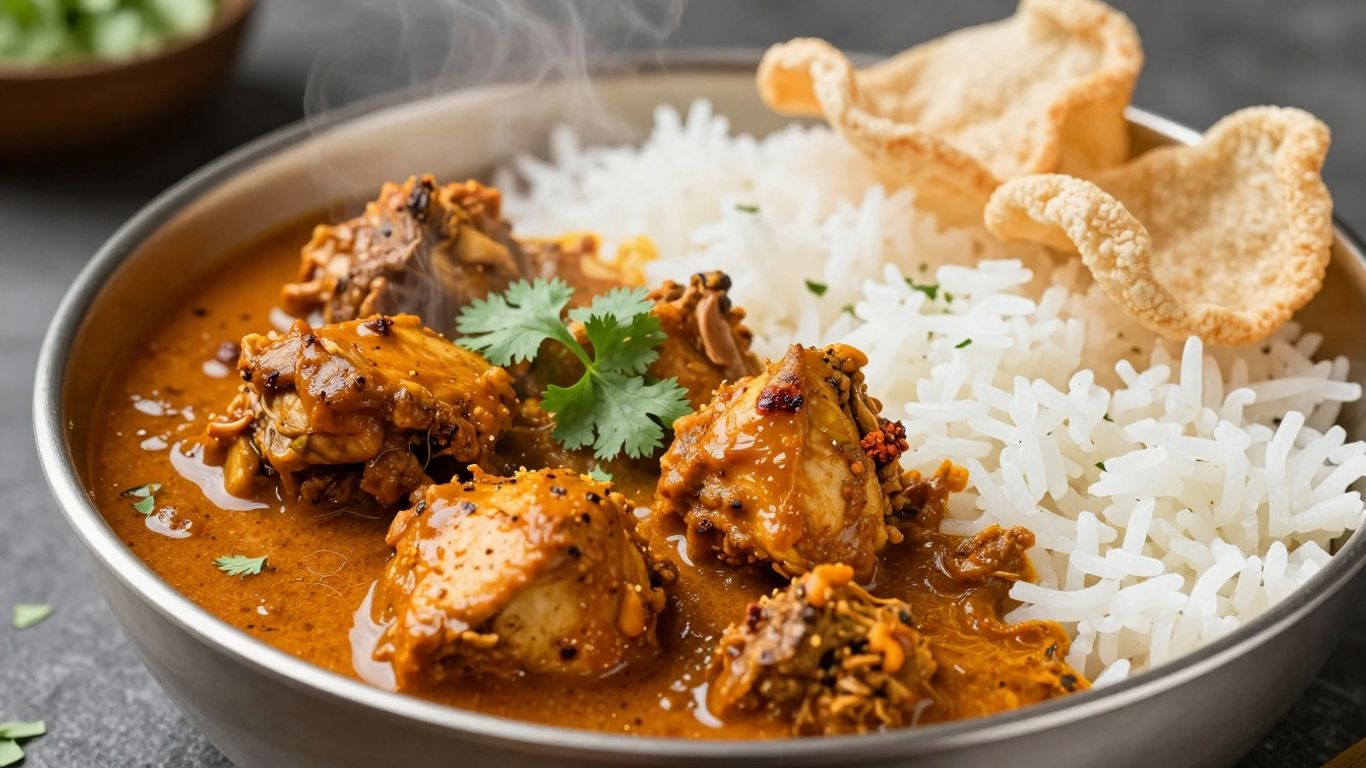
So, you’ve put in the work and created a beautiful pot of Kori Gassi. Now comes the best part: enjoying it! The traditional way to eat this curry is with ‘rotti’, a type of flatbread. It’s not like the soft naan you might be used to; rotti is usually a bit drier, almost like a crisp wafer. This texture is perfect because it soaks up all that rich, spicy gravy without falling apart. It’s a match made in heaven, really.
But don’t feel like you have to stick to rotti. This curry is super flexible. It’s also fantastic with plain steamed rice, especially a fluffy basmati or a slightly sticky short-grain rice. If you’re feeling adventurous, try it with dosa or idli – those fermented rice and lentil crepes and cakes are also great for scooping up the curry.
Traditional Pairings for Kori Gassi
- Rotti: The classic choice. Its slightly crisp texture is ideal for soaking up the curry.
- Steamed Rice: A simple, reliable option that lets the curry flavors shine.
- Dosa: Thin, crispy lentil crepes that offer a different texture.
- Idli: Soft, steamed lentil and rice cakes, perfect for absorbing the gravy.
Exploring Variations and Accompaniments
While the core recipe is wonderful on its own, you can play around a bit. Some people like to add a bit more tamarind for extra tang, or even skip the tomatoes altogether if they prefer a purer coconut and spice flavor. It’s all about what tastes good to you.
Don’t be afraid to experiment with your side dishes too. While rice and rotti are common, you might find that a simple cucumber raita or a fresh kachumber salad helps to cool the palate between bites of the rich curry. A side of some lightly sautéed greens can also add a nice contrast.
If you’ve made a big batch (and you probably should, because leftovers are amazing), here are a few ideas for what else you might want to serve alongside:
- Mangalorean Chicken Sukka: A drier, spicier chicken dish that complements the gravy of Kori Gassi.
- Fish Fry: A simple, crispy fried fish can be a nice addition for seafood lovers.
- Vegetable Stir-fry: A light, quick stir-fry with seasonal vegetables adds freshness.
- Pickled Onions: A bit of sharp, vinegary pickled onion cuts through the richness beautifully.
A Taste of Home
So there you have it, a real taste of Mangalore right in your own kitchen. This Kori Gassi isn’t just about the chicken and spices, though. It’s about family, tradition, and those comforting meals that just feel like home. Whether you serve it with fluffy rice, crispy rotti, or soft idlis, I hope this curry brings a little bit of that coastal warmth to your table. It’s a dish that’s been loved for generations, and now you can share it too. Give it a try, and let the flavors tell their own story.
Frequently Asked Questions
What makes Mangalorean Chicken Curry special?
This curry is special because it uses a unique mix of spices and fresh coconut, giving it a rich and creamy taste that’s different from other chicken dishes. It’s a taste of home for many families in the Mangalore region.
What should I serve with Kori Gassi?
Traditionally, Kori Gassi is served with ‘rotti,’ a type of rice bread that’s perfect for soaking up the flavorful sauce. However, it also tastes great with plain rice, dosa, or idli.
Can I make this curry less spicy?
Yes, you can adjust the spice level! To make it milder, use fewer red chilies when you’re grinding the spices. You can also add a bit more coconut milk to balance out the heat.