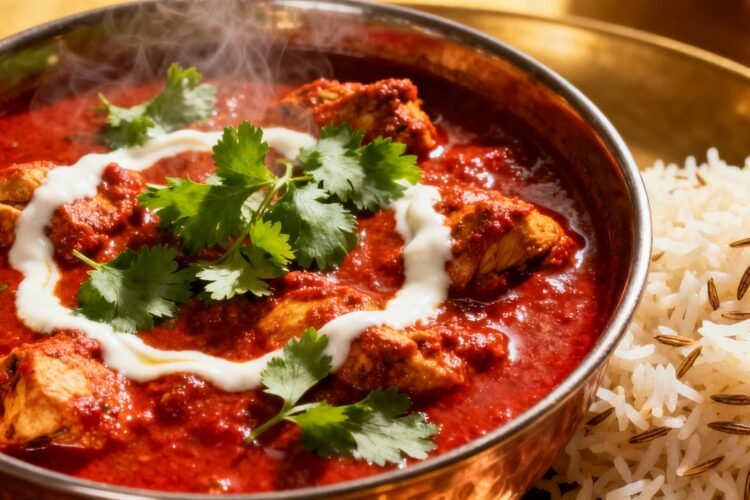
Ever wanted to make a chicken curry that tastes like it came straight from a restaurant? This authentic Indian spicy chicken curry recipe is the one. It’s packed with flavor and not as hard to make as you might think. We’re going to walk through how to get that deep, rich taste that makes a good curry great. Get ready for a delicious journey!
Key Takeaways
- This chicken curry recipe indian spicy focuses on building layers of flavor through slow cooking and fresh ingredients.
- Achieving the right spice level is about balancing heat with aromatic spices, not just making it hot.
- The texture of the gravy, often described as ‘shorba’ or ‘salan’, is key for enjoying with rice or bread.
Crafting An Authentic Indian Spicy Chicken Curry
The Essence Of A Traditional Chicken Curry
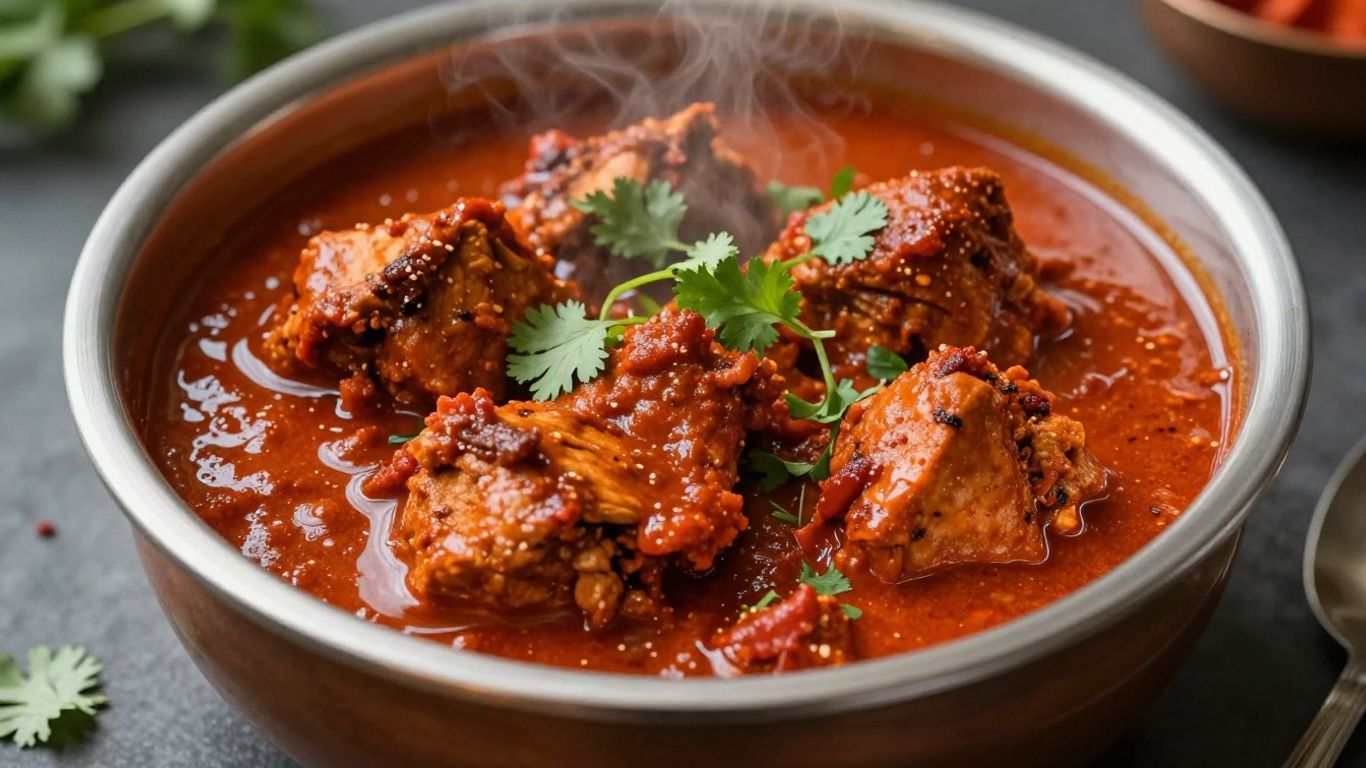
Making a truly authentic Indian chicken curry is less about following a rigid set of rules and more about understanding the core principles that give it that unmistakable flavor. It’s a dish that feels both comforting and exciting, a staple in many homes for good reason. Unlike some Westernized versions that might rely on pre-made pastes or heavy cream, the traditional approach focuses on building layers of flavor from fresh ingredients and careful cooking techniques. The goal is a rich, aromatic gravy, often with a thinner, soup-like consistency perfect for soaking up with rice or flatbread. The magic truly happens when simple ingredients are transformed through patient simmering and the right blend of spices.
Key Ingredients For A Flavorful Base
To get started on your flavorful journey, you’ll want to gather some key players. These aren’t exotic items; most are likely already in your pantry or easily found at your local grocery store.
- Aromatics: Fresh ginger and garlic are non-negotiable. You can mince them finely or even make a paste for a smoother base. Onions are also vital, often processed to a fine consistency to meld into the sauce rather than remaining in distinct pieces.
- Tomatoes: These provide acidity and body. Roma or vine tomatoes work well, usually puréed or finely chopped.
- Chicken: While boneless pieces are convenient, bone-in chicken, like thighs and drumsticks, often adds a deeper flavor and more tender meat. Cut into manageable pieces, it will absorb the spices beautifully.
- Spices: This is where the ‘spicy’ in our curry comes alive. You’ll need a mix of ground spices like turmeric, coriander, cumin, and chili powder. Adjust the chili powder to control the heat level – a teaspoon is a good starting point for a medium spice.
- Oil: Don’t shy away from oil; it’s essential for sautéing, browning, and developing the characteristic sheen on top of an authentic curry. A good amount helps prevent spices from burning and contributes to the overall texture.
The process of building flavor is gradual. Each step, from browning the onions to blooming the spices, plays a role in the final taste. Patience is key; rushing these stages can lead to a less developed flavor profile.
Here’s a quick look at some common spices you’ll want on hand:
| Spice | Purpose |
|---|---|
| Turmeric | Color and earthy flavor |
| Coriander | Citrusy, warm notes |
| Cumin | Smoky, earthy flavor |
| Red Chili Powder | Heat and color (adjust to your liking) |
| Garam Masala | Finishing spice blend for aroma and warmth |
Mastering The Art Of Spicy Chicken Curry
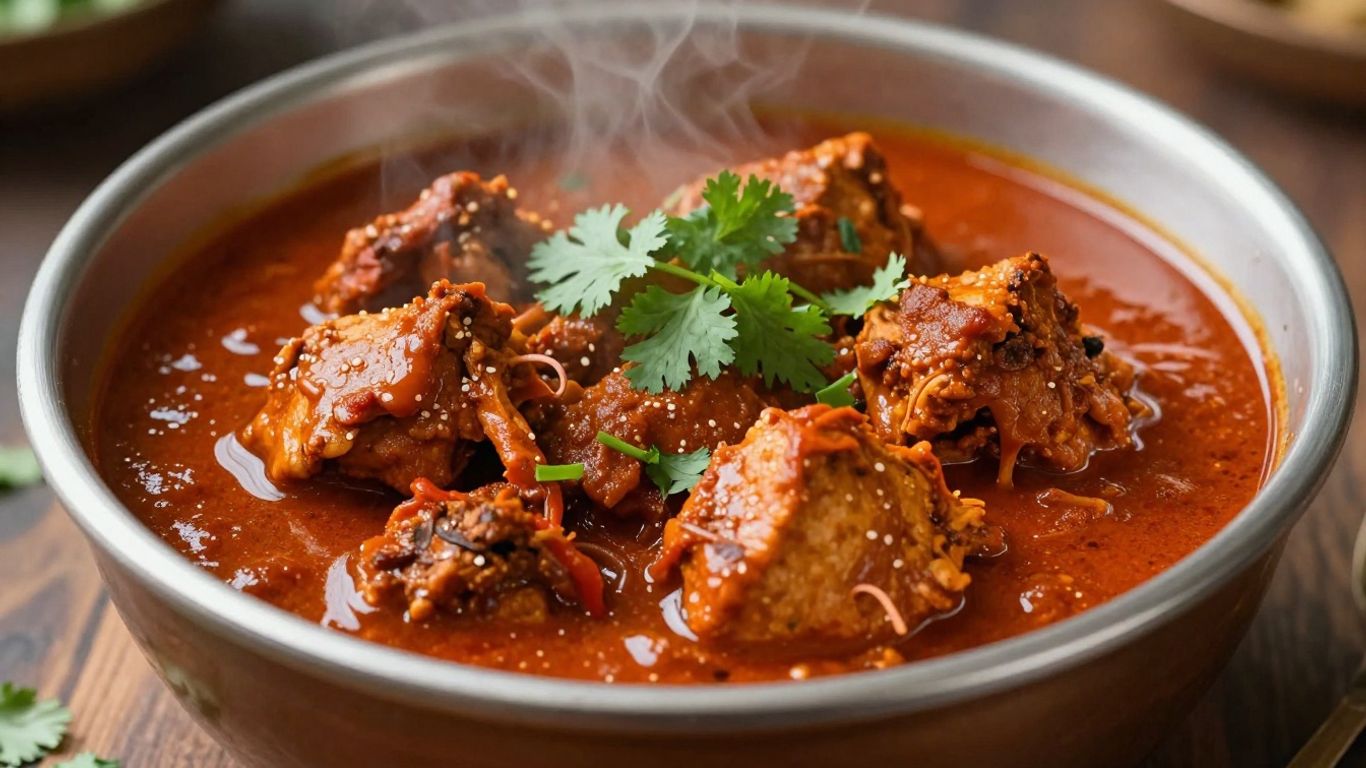
Now that we’ve got our flavor base sorted, let’s get down to actually cooking this chicken curry. It’s not super complicated, but there are a few tricks that make a big difference. Think of it like building something – you need the right steps to get a solid result.
Step-By-Step Cooking Techniques
Getting the curry right is all about patience and layering flavors. Here’s how we’ll do it:
- Marinate the Chicken: First things first, get your chicken pieces marinating. A simple mix of ginger-garlic paste, a squeeze of lime juice, and some salt works wonders. Let it sit for at least 30 minutes. This isn’t just for flavor; the acid from the lime actually helps to tenderize the meat, making it softer when it’s cooked.
- Build the Base: While the chicken marinates, make a paste from the onions, garlic, ginger, and green chilies. A little water helps here, but don’t go overboard. The goal is a thick paste, not a watery soup. This paste is the heart of your curry.
- Temper the Spices: Heat your oil (mustard oil is great for that authentic taste, but any neutral oil works) and add the whole spices like cumin seeds, bay leaves, cinnamon, cardamom, peppercorns, and cloves. Let them sizzle for a minute until they smell fragrant. This wakes them up and releases their oils.
- Cook the Onion Paste: Add the onion paste to the hot oil and spices. This is where patience pays off. Cook this paste on medium-low heat, stirring often, until it turns a deep golden brown. You’ll know it’s ready when you see a layer of oil separating around the edges. This can take a good 15-20 minutes, maybe more. Don’t rush this step; it removes the raw onion taste and builds a rich foundation.
- Add Tomatoes and Ground Spices: Toss in your chopped tomatoes and the ground spices – turmeric, coriander, red chili powder (if using), and salt. Cook this mixture until the tomatoes break down and the oil starts to separate again. This shows that the spices are well-cooked and have melded with the tomatoes.
- Roast the Chicken: Add the marinated chicken pieces to the pot. Stir everything well to coat the chicken in the onion-tomato-spice mixture. Cook for a few minutes, letting the chicken get a nice sear.
- Simmer to Perfection: Add a bit of water if needed to get the right gravy consistency. Cover the pot and let it simmer on low heat. For bone-in chicken, this usually takes about 20-25 minutes, or until the chicken is cooked through and tender. Stir occasionally to prevent sticking.
- The Finishing Touch (Tadka): In a small pan, heat ghee or butter. Add the julienned ginger and slit green chilies. Let them sizzle for about 30 seconds until the ginger is lightly browned. Pour this sizzling mixture over the curry just before serving. This final step adds a burst of fresh flavor and aroma.
Achieving The Perfect Spice Level
Getting the heat just right is personal, and it’s easier than you think to control.
- Chili Choice: The type of green chilies you use makes a big difference. Serrano peppers pack a good punch. If you want it milder, use fewer chilies or a milder variety like jalapeños. For extra heat, you can add a pinch of cayenne pepper or more red chili powder.
- Red Chili Powder: This is often used for color and a bit of background heat. Adjust the amount based on your preference. Kashmiri red chili powder is great for color without too much spice.
- Taste and Adjust: The best way to get it perfect is to taste as you go, especially after adding the tomatoes and ground spices. You can always add more chili powder or fresh chilies, but you can’t take them out. If it gets too spicy, a little bit of sugar or a dollop of yogurt when serving can help balance it out.
Remember, the ‘spicy’ in Indian cooking isn’t just about raw heat; it’s about a complex blend of flavors where the heat complements the other spices, rather than overpowering them. It’s a dance between the chilies, ginger, garlic, and the warming spices like cumin and coriander.
Here’s a quick guide to spice levels:
| Spice Component | Mild | Medium | Spicy |
|---|---|---|---|
| Green Chilies | 1-2 (mild) | 2-3 (serrano) | 3-4 (serrano/thai) |
| Red Chili Powder | ½ tsp | 1 tsp | 1-2 tsp |
| Cayenne Pepper (opt) | Pinch | ¼ tsp | ½ tsp |
Enjoy Your Flavorful Creation!
So there you have it – a delicious, authentic Indian spicy chicken curry that’s totally doable right in your own kitchen. It might seem like a lot of steps, but trust me, the payoff is huge. That rich aroma filling your house and the explosion of flavors with every bite? Totally worth it. Whether you’re a seasoned cook or just starting out, this recipe is a great way to bring a taste of India home. Serve it up with some fluffy rice or warm naan, and get ready for some serious compliments. Happy cooking!
Frequently Asked Questions
Can I make this chicken curry less spicy?
Absolutely! You can easily control the heat. Reduce the amount of chili powder or use a milder type like Kashmiri chili powder. Adding a pinch of paprika can give it a nice red color without making it too hot. Some people also add a small piece of cinnamon stick for a sweet spice that balances the heat.
What other vegetables can I add to this curry?
You can definitely add more veggies! Popular choices include potatoes, sweet potatoes, carrots, and leafy greens like spinach or kale. Chickpeas are also a great addition. Just remember that adding vegetables can change the overall flavor of the curry a bit.
What’s the difference between using bone-in and boneless chicken?
Using bone-in chicken, like thighs and drumsticks, adds more flavor to the curry as it cooks and makes the meat more tender. Boneless chicken, like breast or thighs cut into pieces, will cook faster and is easier to eat, but might not give the curry quite the same depth of flavor.