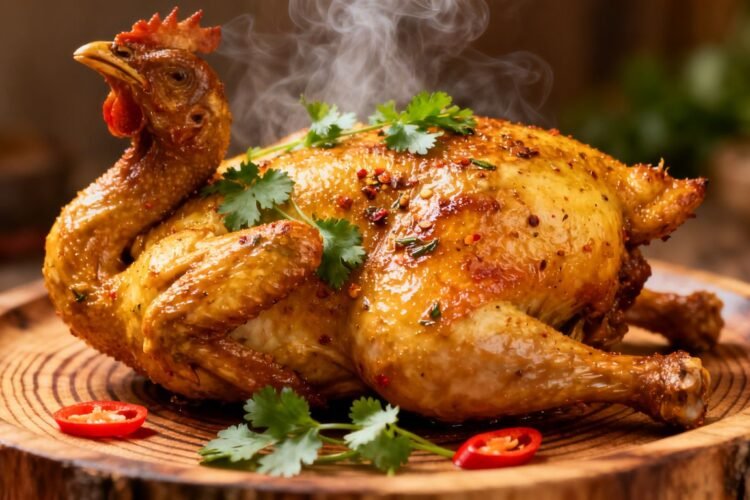
There’s something special about a good desi chicken recipe. It’s more than just food; it’s like a warm hug from home, full of familiar spices and comforting smells. Whether you grew up with it or are just discovering it, this recipe aims to bring that authentic taste right to your kitchen. We’ll walk through how to get those deep flavors going, making sure your chicken is just right. It’s all about simple steps leading to a really satisfying meal, perfect for any night of the week.
Key Takeaways
- Building a strong flavor base starts with a good masala, usually made with onions, tomatoes, and a blend of spices.
- Properly preparing the chicken, often through marination or careful browning, is key to getting it tender and juicy.
- The final dish gets its signature taste and texture from simmering the chicken in the spiced sauce until everything melds together perfectly.
Crafting Your Authentic Desi Chicken Recipe
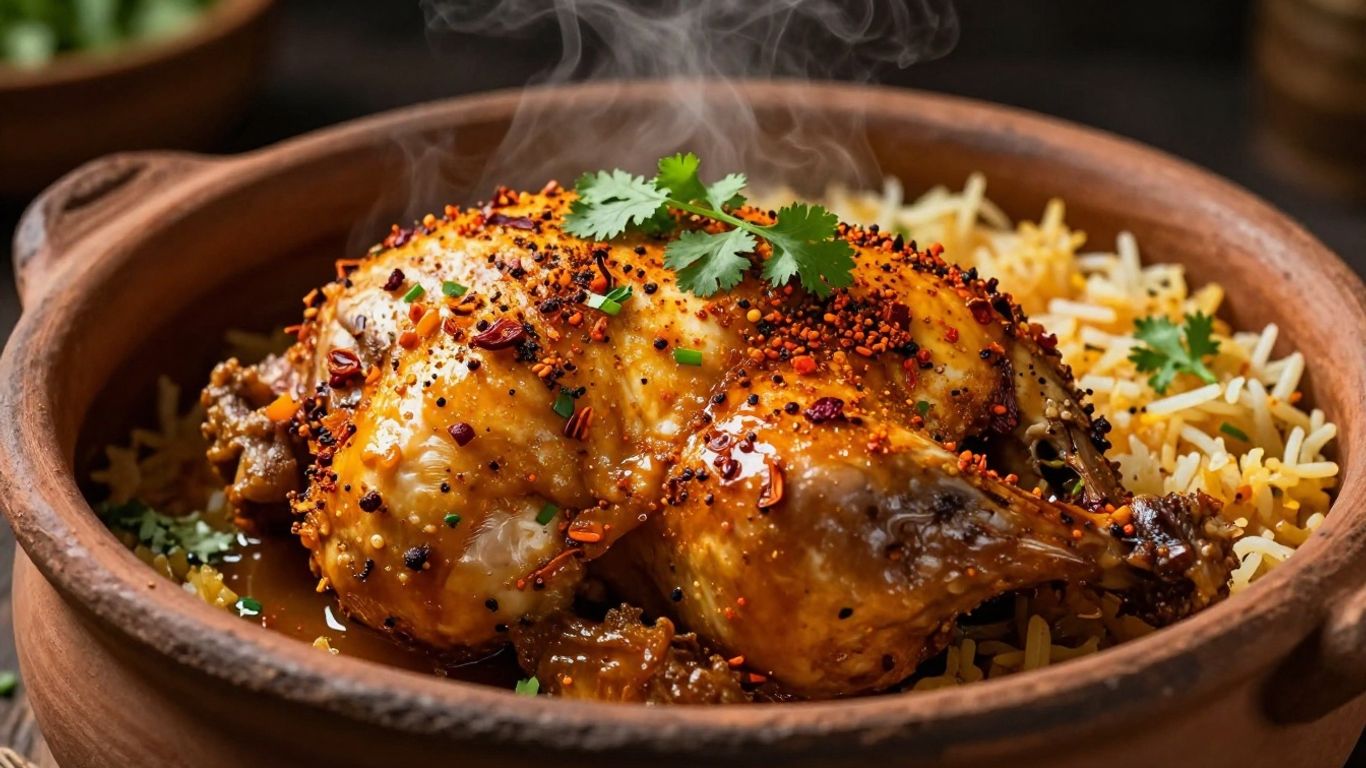
Getting started with a truly authentic Desi chicken dish is all about building a solid base. It’s not just about throwing ingredients together; it’s a process that rewards patience and attention to detail. We’re going to break down the two main parts: making that amazing aromatic masala and getting the chicken ready so it soaks up all those good flavors.
The Foundation: Aromatic Masala Base
The heart of any Desi chicken recipe is its masala. This isn’t just a sauce; it’s a complex blend of aromatics and spices that forms the soul of the dish. We start by gently cooking down onions until they’re soft and golden, then introduce ginger and garlic paste, letting their raw smell cook off. This is where the magic begins. Next come the ground spices – think turmeric for color, coriander for earthiness, cumin for warmth, and chili powder for that kick. Toasting these spices briefly in the oil is key; it wakes them up and makes their flavors pop. Finally, tomatoes are added, cooked down until they break apart and the oil starts to separate, signaling that the masala is ready to embrace the chicken.
Tenderizing the Star: Chicken Preparation
Before the chicken even meets the masala, how you prepare it makes a big difference. For a classic curry, bone-in pieces are often preferred as they add more depth to the gravy. However, boneless pieces work great too, especially if you want quicker cooking or a different texture. The most important step here is to get a good sear on the chicken pieces. Don’t overcrowd the pan; give each piece space to brown nicely. This searing isn’t about cooking the chicken through, but about developing a flavorful crust. This little bit of extra effort builds a foundation of taste that will carry through the entire dish.
Remember, the goal is to build layers of flavor. Each step, from browning the chicken to toasting the spices, contributes to the final, rich taste of your Desi chicken.
Mastering the Flavors of Desi Chicken
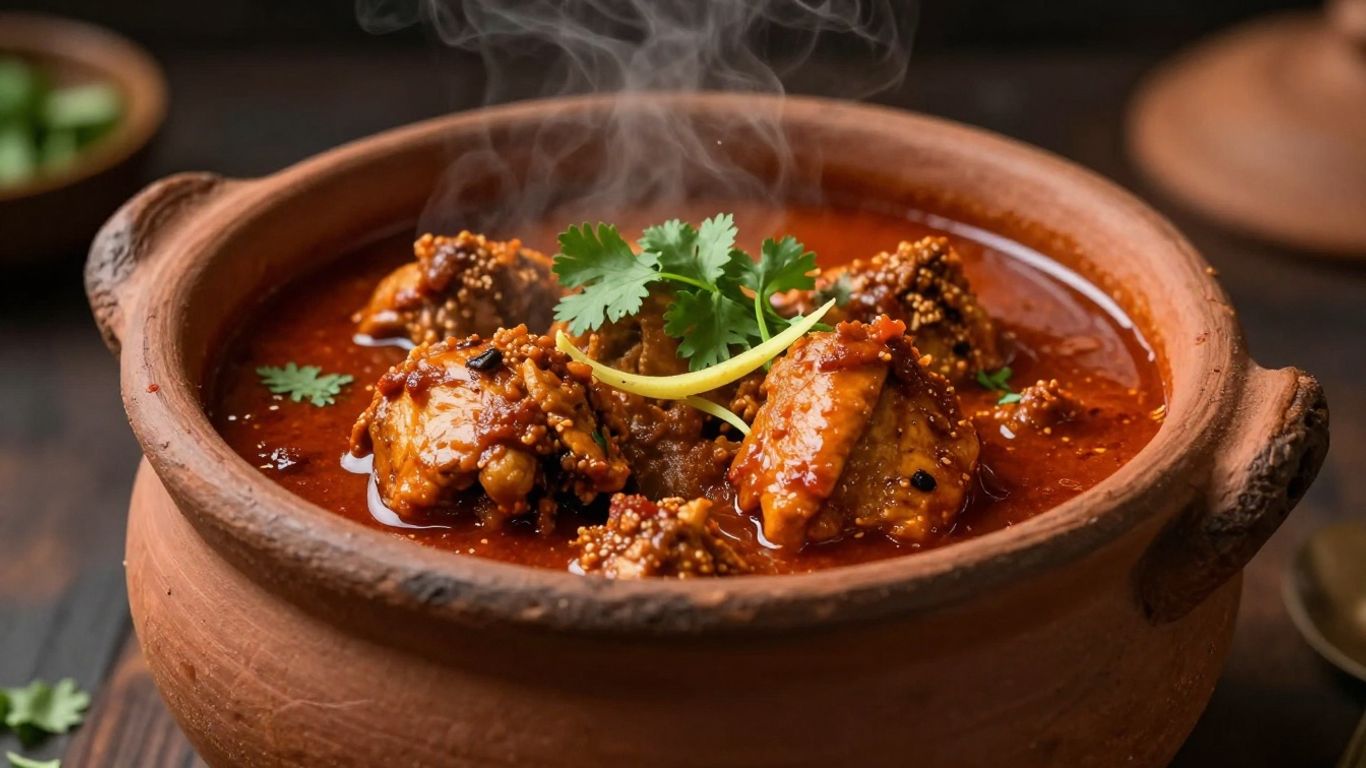
The Art of Spices and Simmering
This is where the magic really happens, folks. Getting the spices just right is key to that authentic taste. You want to toast them gently, just enough to wake up their aromas without burning them. Think of it like coaxing out their best qualities. A good garam masala is your best friend here, but make sure it’s fresh – old spices just don’t have the same punch.
Here’s a little guide to some common spices and what they bring:
- Garam Masala: The warm, complex backbone of many Desi dishes. It’s a blend, so its flavor can vary, but it usually includes cinnamon, cardamom, cloves, and cumin.
- Turmeric: Adds a beautiful golden color and a slightly earthy, peppery note. It’s also known for its health benefits.
- Cumin: Offers a warm, nutty flavor that’s pretty distinctive.
- Coriander: Often used ground, it has a citrusy, slightly sweet taste that balances other spices.
- Chili Powder/Cayenne: For that kick of heat! Adjust this based on how much spice you like.
- Fenugreek Leaves (Kasuri Methi): These dried leaves add a unique, slightly bitter, and aromatic depth that’s hard to replicate.
Once your spices are fragrant, it’s time to let them mingle with the other ingredients. This is where simmering comes in. Low and slow is the name of the game. It allows all those flavors to meld together beautifully, creating a sauce that’s rich and deeply satisfying. Don’t rush this part; patience here really pays off.
The secret to a truly memorable Desi chicken isn’t just about throwing spices in a pot. It’s about understanding how they interact, how to bloom their flavors, and then giving them the time and space to develop into something truly special. It’s a slow dance of ingredients, not a race.
Achieving the Perfect Consistency
Getting the sauce to that perfect thickness is an art form. You don’t want it too watery, but you also don’t want it so thick that it’s gloopy. The goal is a luscious, coating consistency that clings beautifully to the chicken.
- Tomato Base: The puree or blended tomatoes form the initial body of the sauce. Cooking them down a bit helps concentrate their flavor and thicken the mixture.
- Liquid Balance: Water, broth, or even a bit of yogurt or cream are added to achieve the desired fluidity. Start with less and add more if needed. You can always thin a sauce, but it’s harder to thicken it without making it taste diluted.
- Fat is Flavor: Don’t shy away from the ghee or oil. It not only adds richness but also helps carry the flavors and contributes to a smoother, more emulsified sauce. You can always skim off excess fat before serving if you prefer.
- Finishing Touches: Adding ingredients like coconut cream or heavy cream towards the end can add a luxurious texture and richness. Simmering gently for a few more minutes after adding these helps them incorporate without curdling.
Taste, taste, taste! This is your chance to make it yours. Does it need a little more salt? A touch more heat? Maybe a squeeze of lime juice for brightness? Adjusting at this stage is what transforms a good dish into a great one. The final seasoning and balancing of flavors is what truly makes the dish sing.
Bringing the Flavor Home
So there you have it – a taste of home, right in your own kitchen. This chicken curry isn’t just about following steps; it’s about creating something warm and familiar. Whether you’re new to cooking or have been making curries for years, this recipe is meant to be your go-to. It’s a dish that brings people together, sparking conversations and creating memories. Don’t be afraid to make it your own, adjust the spices, and enjoy the process. Because in the end, the best meals are the ones made with a little bit of love and a whole lot of flavor.
Frequently Asked Questions
What makes this Desi chicken recipe taste so authentic?
This recipe gets its authentic taste from a special blend of spices like garam masala, turmeric, and chili powder, cooked slowly with onions and tomatoes. The way the spices are toasted and simmered helps bring out their deep flavors, making it taste just like home-cooked meals from Pakistan and North India.
Can I make this Desi chicken recipe with boneless chicken?
Absolutely! You can easily use boneless chicken, like thighs or breast, cut into bite-sized pieces. Just make sure to adjust the cooking time slightly so the chicken is cooked through but still tender and juicy. It’s a great way to make the curry even quicker!
How can I make the chicken extra tender in this recipe?
To get super tender chicken, you can marinate it first. A simple marinade with yogurt, ginger-garlic paste, and some spices works wonders. The yogurt helps break down the chicken fibers, making it incredibly soft and flavorful. Also, be careful not to overcook the chicken once it’s added to the sauce.