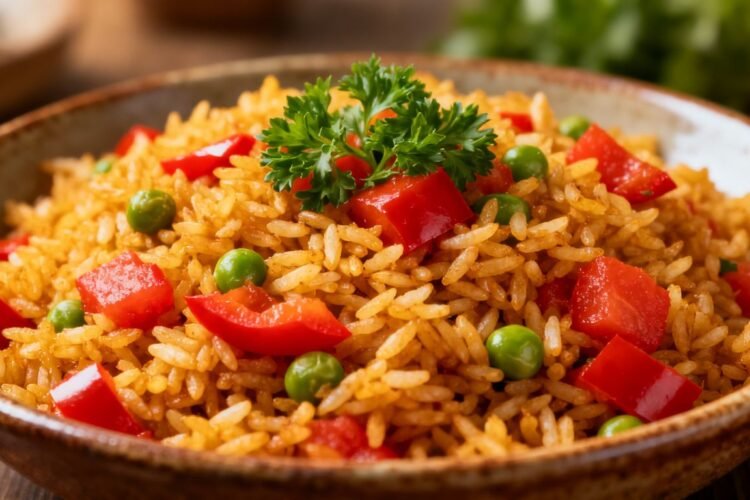
Hey there! So, you’re looking to whip up some seriously tasty fried Spanish rice, huh? It’s one of those dishes that just feels good, you know? A little bit of a twist on the usual, but still super familiar and comforting. We’re going to walk through how to get that perfect texture and pack in all the right flavors. Think of it as your new go-to side dish, perfect for almost any meal. Let’s get cooking!
Key Takeaways
- Toasting the rice before cooking is what gives fried Spanish rice its great texture and nutty taste.
- Using ingredients like diced tomatoes with chilies (like Ro*Tel) and a blend of spices like chili powder and garlic salt are key for that authentic flavor.
- This dish is versatile; you can easily add different vegetables or proteins to make it a full meal.
Crafting Authentic Fried Spanish Rice
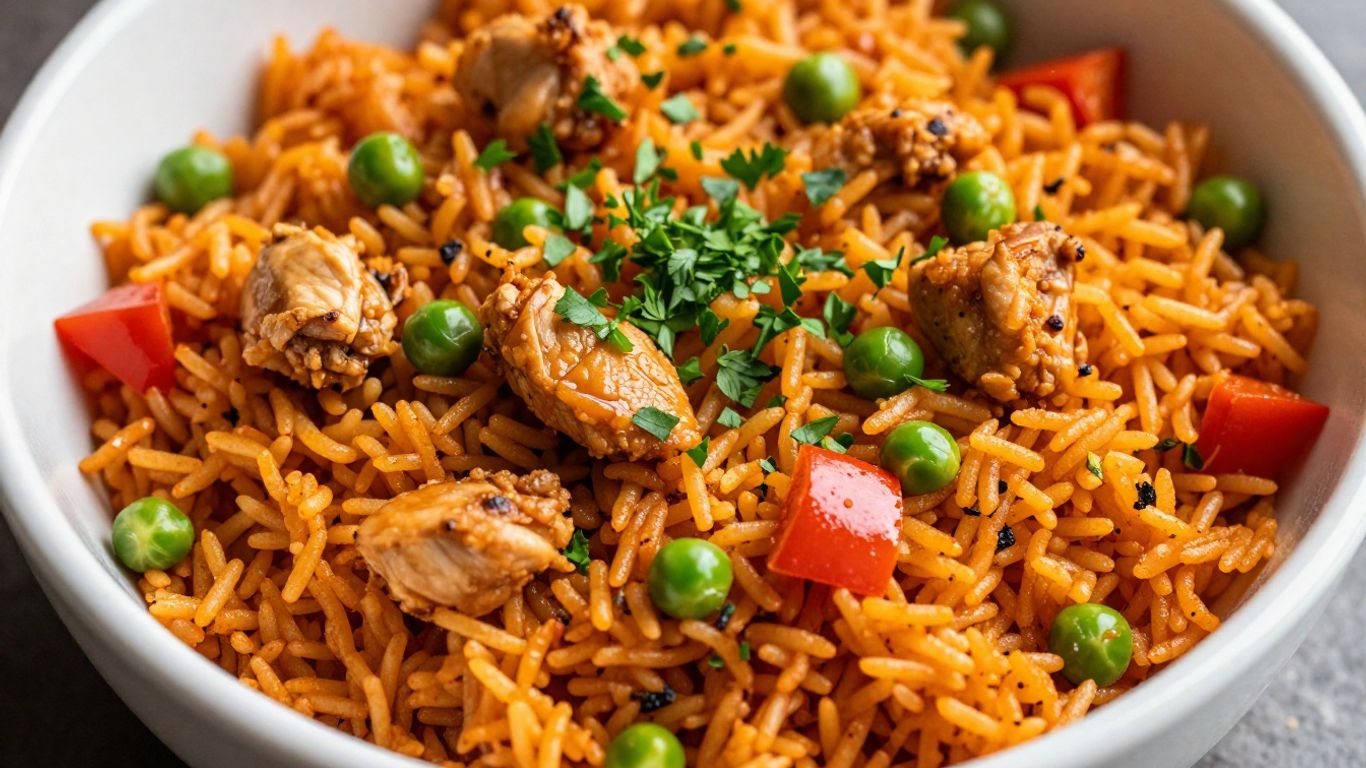
Getting the base right is super important for any good fried rice, and this Spanish version is no different. We’re talking about building flavor from the ground up, and it all starts with the rice itself.
The Foundation: Selecting and Preparing Your Rice
Choosing the right kind of rice makes a difference. For that classic fluffy texture, a long-grain white rice is usually the way to go. It holds up well to frying and doesn’t get mushy. Before it even hits the pan, give your rice a good rinse. Just pop it in a bowl, cover it with water, give it a gentle swirl, and drain. You might need to do this a couple of times until the water runs mostly clear. This step gets rid of excess starch, which is key to avoiding a sticky mess later on.
- Rinse the rice: Place rice in a bowl, cover with water, swirl gently.
- Drain: Pour off cloudy water, repeat until water is clearer.
- Dry the rice: Spread rinsed rice on paper towels to remove excess moisture.
Don’t skip the rinsing step! It’s a simple thing, but it really helps make sure your rice turns out light and separate, not clumped together.
Achieving the Perfect Texture: Toasting and Browning
This is where the magic really happens. Once your rice is rinsed and dried, it’s time to get it into a hot pan with some oil. We’re not just heating it; we’re toasting and browning it. This step adds a nutty depth of flavor and helps create that desirable slightly crispy texture that fried rice is known for. Keep the heat at medium-high and stir the rice pretty often. You’re looking for a light golden color. This usually takes about 10 minutes, but keep an eye on it so it doesn’t burn. If it starts getting too dark too fast, just turn the heat down a bit.
| Stage of Browning | Appearance |
|---|---|
| Initial | White, opaque grains |
| Lightly Toasted | Slightly translucent, hints of gold |
| Perfectly Browned | Evenly golden, nutty aroma develops |
| Overcooked | Dark brown to black, burnt smell |
After the rice has reached that perfect golden hue, you’ll add your liquids and seasonings. But that browning step? That’s the real secret to making your Spanish fried rice taste amazing.
Flavorful Additions and Variations
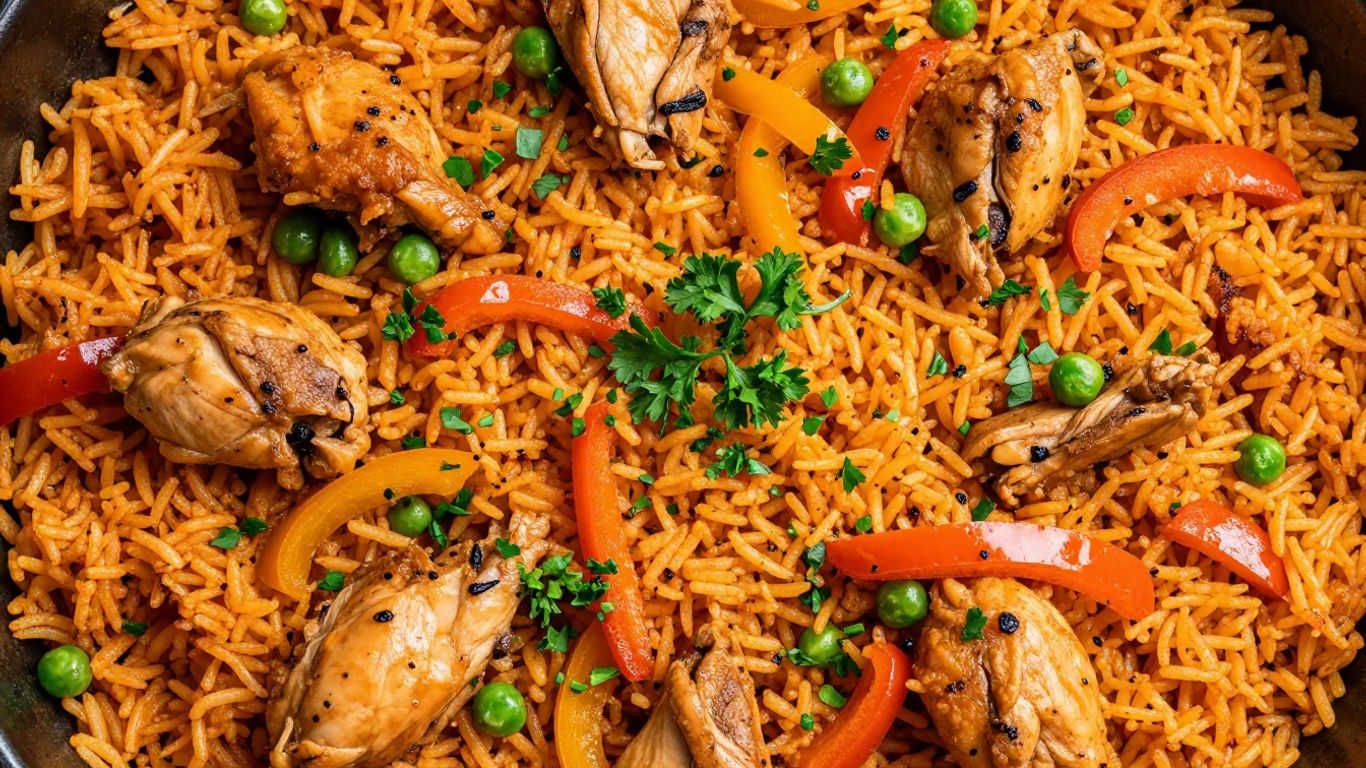
So, you’ve got your rice perfectly toasted and browned, smelling all nutty and wonderful. Now comes the fun part: making it your own! This isn’t just about a basic side dish; it’s a canvas for flavor. We’re talking about taking that simple rice and turning it into something truly special, something that fits your taste buds perfectly.
Essential Spices and Seasonings for Fried Spanish Rice
Getting the spice blend right is where the magic really happens. It’s not just about heat; it’s about building layers of savory, aromatic goodness. The usual suspects are a good starting point, but don’t be afraid to play around.
- Cumin: This is a must. It brings that earthy, warm flavor that’s so characteristic of this dish.
- Chili Powder: Not just for heat, but for a deep, slightly smoky pepper taste. Use a mild one if you’re sensitive to spice, or a hotter variety if you like a kick.
- Garlic Powder or Fresh Garlic: You can’t go wrong with garlic. It adds a pungent depth that wakes everything up.
- Onion Powder or Fresh Onion: Similar to garlic, onion adds a sweet, savory base. Sautéing fresh onion and garlic before adding the rice is a great way to start.
- Salt: Always important for bringing out all the other flavors. Don’t forget to taste and adjust!
A little tip: Sometimes, a pinch of smoked paprika can add an extra layer of smoky complexity without adding much heat. It’s a nice way to deepen the flavor profile.
Creative Mix-Ins and Protein Options
This is where you can really get creative and turn your fried Spanish rice into a main event or a more interesting side. Think about what you love to eat and how it might pair with the rice.
Here are some ideas to get you started:
- Veggies: Diced bell peppers (any color!), corn, peas, diced carrots, or even some thinly sliced zucchini can add color, texture, and nutrients. Sauté them with the onions and garlic for the best flavor.
- Beans: Black beans or pinto beans, rinsed and drained, are a fantastic addition. They add heartiness and a nice textural contrast.
- Tomatoes: Besides the diced tomatoes often used in the base, you could add some fresh diced tomatoes or even some chopped green chilies for extra zing.
And for making it a meal:
- Shredded Chicken or Pork: Cooked and seasoned, these are easy to stir in.
- Ground Beef or Turkey: Browned and seasoned, this makes it a hearty, filling dish.
- Shrimp: Cooked shrimp tossed in at the end add a nice seafood element.
- Tofu: Cubed and pan-fried or baked tofu is a great vegetarian protein option.
When adding proteins or extra vegetables, stir them in after the rice has finished cooking and steamed for a bit, allowing them to heat through without getting mushy.
Enjoy Your Flavorful Creation!
So there you have it – a simple yet incredibly tasty way to bring a little bit of Spanish flair to your dinner table. This fried rice isn’t just a side dish; it’s a flavor explosion that pairs perfectly with all your favorite Mexican-inspired meals. Whether you’re a seasoned cook or just starting out, this recipe is pretty forgiving and always a hit. Give it a try, and don’t be afraid to play around with the spices to make it just right for you. Happy cooking!
Frequently Asked Questions
Why should I toast the rice before cooking?
Toasting the rice first gives it a nice nutty taste and smell. It also helps the grains stay separate, so your rice doesn’t get sticky and mushy. This is the secret to getting that fluffy, restaurant-style texture.
Can I use brown rice instead of white rice?
You can use brown rice, but it will take longer to cook and you’ll need more liquid, like broth. Brown rice needs more time and liquid compared to white rice.
What’s the difference between Mexican Rice and Spanish Rice?
In the U.S., people often use these terms for the same dish, especially the orange, tomato-flavored rice served at Mexican restaurants. Traditionally, Spanish rice from Spain is different, often made with saffron and short-grain rice. But the “Spanish rice” you might find in places like South Texas is usually the same as what’s called “Mexican rice” – the flavorful, tomato-and-spice kind.