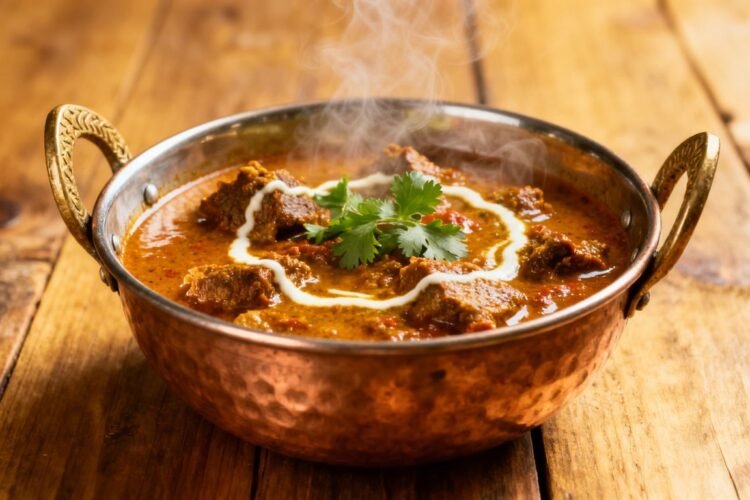
Indian recipes mutton are a true delight for any food lover. These dishes showcase the incredible depth of flavor that can be achieved with this versatile meat, combined with a masterful blend of spices. From rich, slow-cooked curries to aromatic, layered biryanis, Indian mutton dishes offer a culinary journey that’s both comforting and exciting. Get ready to explore some truly authentic tastes.
Key Takeaways
- Mutton Biryani is a celebrated Indian dish with roots in Mughal cuisine, known for its layered rice and marinated meat, cooked using the ‘dum’ method for deep flavor.
- Authentic Mutton Curry relies on a slow-cooking process, often with yogurt and a rich blend of spices, to ensure the meat is incredibly tender and flavorful.
- Mutton dishes hold significant cultural importance in India, often prepared for festivals and celebrations, symbolizing togetherness and tradition.
Exploring Authentic Indian Recipes: Mutton Delights
Indian cuisine is a vast landscape of flavors, and when it comes to mutton dishes, there’s a whole world to explore. These aren’t just meals; they’re often celebrations on a plate, steeped in tradition and passed down through generations. We’re going to start by looking at two iconic mutton dishes that really showcase the depth and variety you can find.
The Art of Crafting Mutton Biryani Step by Step
Mutton Biryani is more than just rice and meat; it’s a carefully constructed dish where every element plays a role. The process itself is a bit of a ritual, and getting it right is incredibly satisfying. It all starts with preparing the mutton, usually by marinating it for a good while. This isn’t just about adding flavor, though that’s a big part of it; it also helps to tenderize the meat, which is super important for biryani.
Here’s a general idea of how it comes together:
- Marination: The mutton pieces are typically marinated in a mix of yogurt, ginger-garlic paste, and a blend of spices like red chili powder, turmeric, and garam masala. This can sit for a few hours, or even overnight in the fridge.
- Rice Preparation: While the mutton marinates, the basmati rice is parboiled. The trick here is to cook it only about 70-80% of the way. You want the grains to be separate and still have a bit of bite, as they’ll finish cooking with the meat.
- Layering: This is where the magic happens. In a heavy-bottomed pot, you’ll alternate layers of the partially cooked rice and the marinated mutton. Between the layers, you might add fried onions, fresh mint, saffron-infused milk, and a drizzle of ghee.
- Dum Cooking: The pot is then sealed tightly, often with dough around the lid, to trap the steam. This "dum" method allows the biryani to cook slowly in its own vapors, letting all those wonderful flavors meld together and the mutton become perfectly tender.
- Garnishing: A final flourish of fresh coriander, mint, and more fried onions adds freshness and texture.
The patience required for a good biryani is rewarded tenfold when you finally get to taste it. It’s a dish that truly embodies slow cooking and layered flavors.
Understanding the Ingredients: The Symphony of Flavors
What makes Indian mutton dishes so special is the thoughtful combination of spices. It’s not just about heat; it’s about creating complex, aromatic profiles. Think about the core elements that form the backbone of many mutton preparations.
- Aromatics: Ginger and garlic are almost always present, forming a pungent base. Onions, sautéed until golden or even caramelized, add sweetness and depth.
- Whole Spices: Cardamom (black and green), cloves, cinnamon sticks, and bay leaves are often bloomed in hot oil or ghee at the beginning of cooking. These release their fragrance slowly, infusing the entire dish.
- Ground Spices: Turmeric for color and earthiness, coriander and cumin for warmth and a slightly citrusy note, red chili powder for heat, and garam masala (a blend that varies by region) added towards the end for its potent aroma.
- Tang and Creaminess: Yogurt is a common ingredient, not just for marination but also to add a creamy texture and a slight tang that balances the spices. Tomatoes, cooked down into a paste, also contribute acidity and body.
Each ingredient is chosen not just for its individual flavor but for how it interacts with the others, creating a rich tapestry of taste that is uniquely Indian.
Mastering Mutton Curries: Richness and Tradition
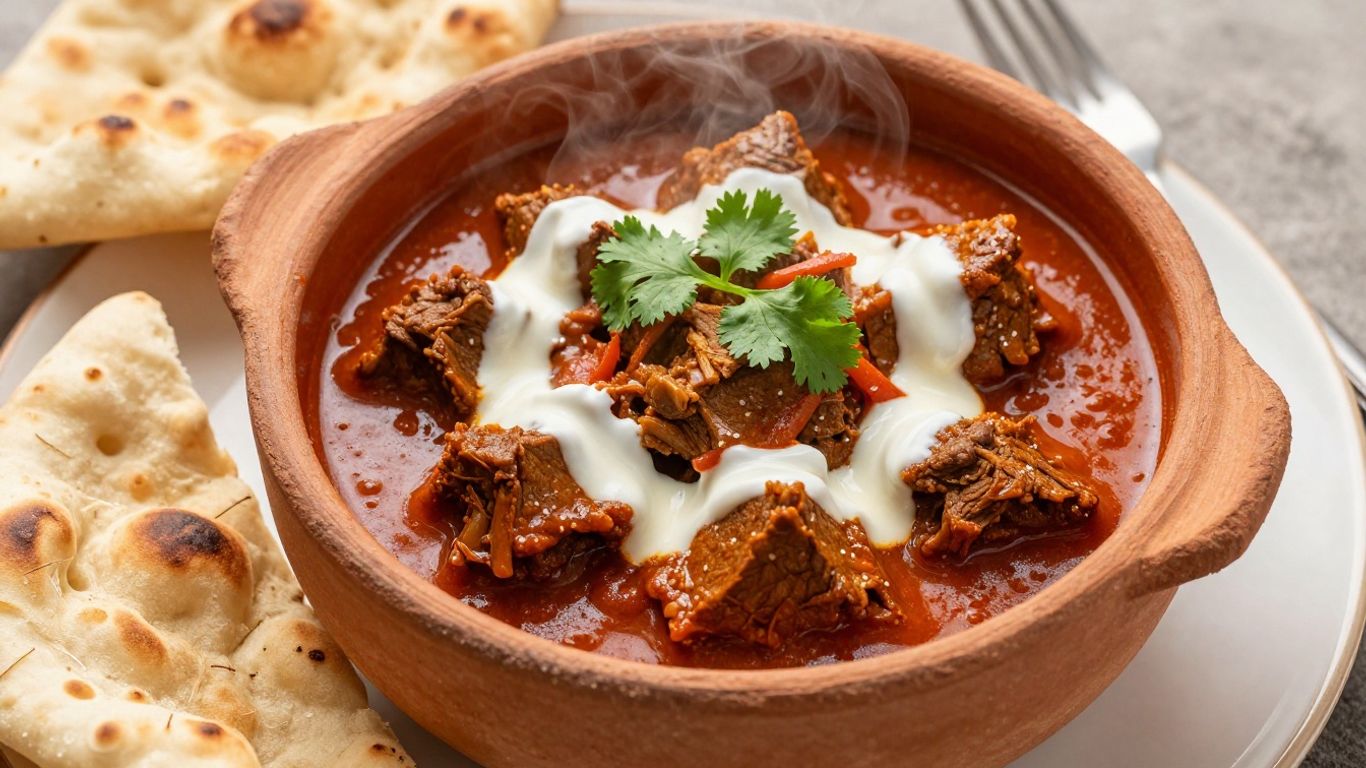
Mutton curries are where the heart of Indian home cooking really shines. They’re not just about throwing meat and spices together; it’s a whole process that builds layers of flavor. Getting that perfect, melt-in-your-mouth texture and a sauce that’s just right takes a bit of know-how, but it’s totally worth it.
Creating a Flavorful Mutton Curry Base
The foundation of any good curry is the base, and for mutton, it’s all about building depth from the start. You’ll want to start with onions, cooking them down until they’re really soft and a bit golden. Then comes the ginger and garlic paste – let that cook for a minute or two until it smells amazing. This is where you add your ground spices: think turmeric for color, coriander for earthiness, cumin for warmth, and a bit of chili powder for a gentle kick. Cooking these spices for a short while before adding liquids helps to bloom their flavors, making them more potent and delicious.
Here’s a basic spice mix to get you started:
- 1 teaspoon ground coriander
- 1 teaspoon ground cumin
- ½ teaspoon turmeric powder
- ¼ teaspoon red chili powder (adjust to your liking)
- ½ teaspoon garam masala (added towards the end)
Don’t rush the browning of the meat. Getting a nice sear on the mutton pieces before adding them to the pot adds another layer of flavor and helps keep the meat from falling apart too quickly during the long cooking process.
The Slow-Cooked Secret to Tender Mutton
This is where patience really pays off. Mutton, unlike chicken or lamb, needs time to become truly tender. The best way to achieve this is through slow cooking. Whether you’re using a heavy-bottomed pot on the stovetop or a slow cooker, the key is low heat and a long cooking time. This breaks down the connective tissues in the meat, making it incredibly soft and succulent.
Here’s a general idea of how long things take:
- Stovetop Simmer: After building your base and browning the mutton, add your liquid (water, broth, or even crushed tomatoes) and bring it to a gentle simmer. Cover the pot and let it cook for at least 1.5 to 2 hours, or until the mutton is fork-tender. Check occasionally and add more liquid if it looks dry.
- Slow Cooker: Brown the mutton and build your base in a pan first, then transfer everything to the slow cooker. Cook on low for 6-8 hours or on high for 3-4 hours, until the meat is tender.
Adding a bit of yogurt to the marinade or even into the curry itself towards the end can also help tenderize the meat and add a lovely creamy texture. It balances the spices beautifully, making the whole dish richer and more satisfying. Serve it hot with some fluffy rice or warm naan bread, and you’ve got a meal that feels like a warm hug.
Cultural Significance of Mutton Dishes
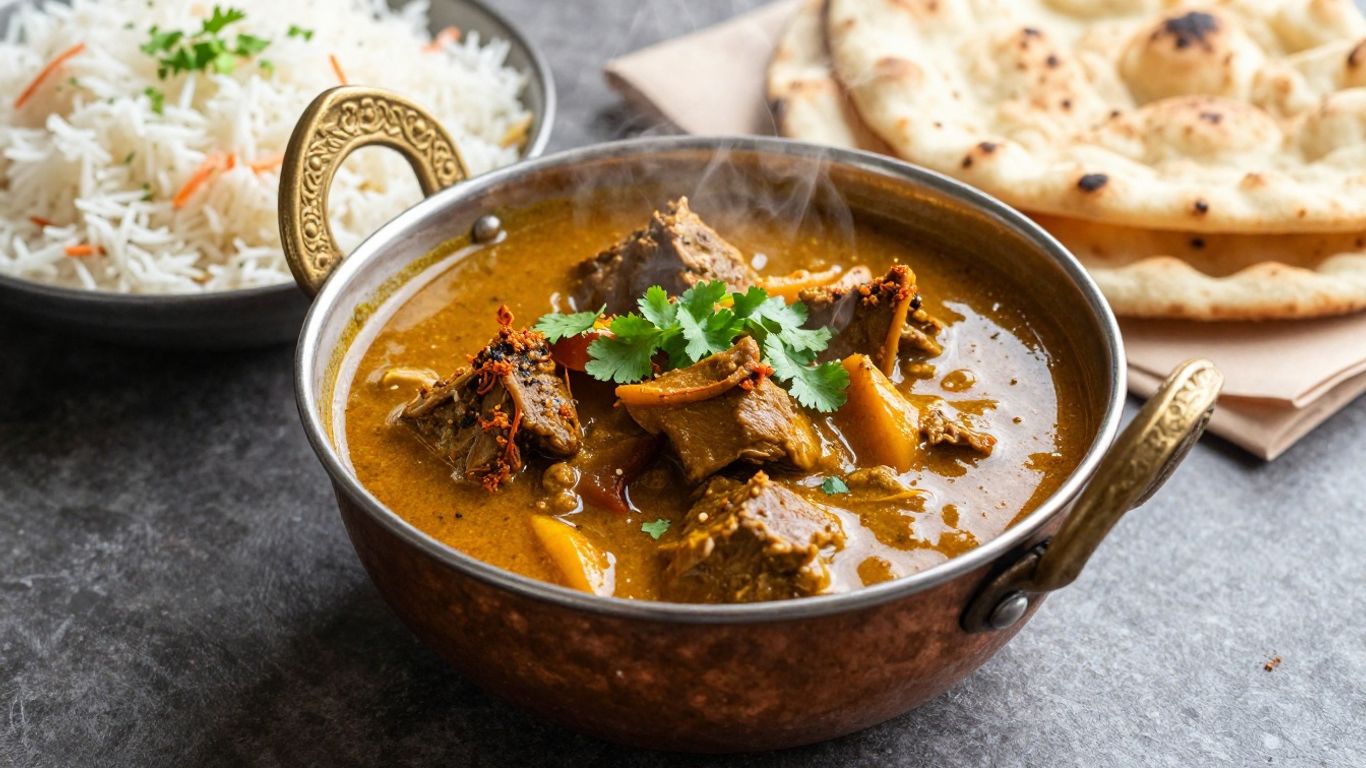
Mutton Biryani: A Culinary Symbol
Mutton Biryani is way more than just a meal; it’s a big part of Indian culture, showing off how diverse and connected the subcontinent is. It’s found its way into the food traditions of so many places, and each region adds its own special touch. Think about the fragrant Kolkata Biryani or the spicy Hyderabadi version – they all show how creative and adaptable Indian cooking is.
It’s also a dish that brings people together. You’ll often find Mutton Biryani being made for holidays, weddings, and big family get-togethers. Sharing a hot plate of it really creates a feeling of togetherness and happiness. It breaks down barriers, getting folks from different walks of life to enjoy traditional flavors.
The story of Mutton Biryani is a journey through history, from royal kitchens to everyday tables. It’s a dish that has evolved, absorbing influences and adapting to new tastes while staying true to its roots. This adaptability is a key part of its enduring appeal.
Festive Mutton Joshila for Celebrations
When it comes to celebrations, Mutton Joshila often takes center stage. It’s a rich, hearty curry that’s perfect for marking special occasions. The slow cooking process is key here, making the mutton incredibly tender and allowing the spices to really soak in.
Here’s a general idea of what goes into making it special:
- Marination: The mutton gets a good soak in a mix of yogurt, ginger-garlic paste, and a blend of spices like red chili powder and turmeric. This is where the flavor journey really begins.
- Aromatic Base: Onions are fried until golden brown, forming the foundation of the curry. Tomatoes, along with a generous amount of ground spices, are then added to create a thick, flavorful sauce.
- Slow Cooking (Dum): The marinated mutton and the aromatic base are combined in a heavy pot. The pot is sealed tightly, often with dough, and cooked on low heat for hours. This "dum" method lets the meat cook in its own juices and steam, resulting in incredibly tender meat and a deeply flavored curry.
- Finishing Touches: Fresh herbs like coriander and mint are often stirred in at the end, adding a burst of freshness. A swirl of ghee can also be added for extra richness.
| Ingredient Category | Common Examples |
|---|---|
| Spices | Cardamom, Cloves, Cinnamon, Bay Leaves, Coriander Powder, Cumin Powder, Red Chili Powder |
| Aromatics | Ginger, Garlic, Onions, Tomatoes |
| Liquids | Yogurt, Water, Ghee |
| Meat | Mutton (various cuts) |
This dish isn’t just food; it’s a way to show hospitality and celebrate life’s milestones. The effort and time that go into preparing Mutton Joshila reflect the importance of the occasion and the guests being honored.
Savoring the Mutton Magic
So, we’ve explored some really tasty mutton dishes, from rich curries to that amazing biryani. It’s clear that mutton isn’t just meat; it’s a way to bring people together, sharing stories and making memories around the table. Whether you’re trying out a classic curry recipe or a fancy biryani, the effort you put in really pays off. These dishes are more than just food; they’re a connection to tradition and a whole lot of flavor. Hope you feel inspired to get cooking and share some delicious mutton meals with your own loved ones!
Frequently Asked Questions
What makes Mutton Biryani special?
Mutton Biryani is special because it’s made with tender mutton, fragrant basmati rice, and a mix of amazing spices. It’s cooked slowly so all the flavors blend together perfectly. It’s often served during celebrations and gatherings, making it a dish that brings people together.
How do I make mutton curry tender?
To get super tender mutton in your curry, the secret is slow cooking. Marinating the mutton first with things like yogurt and spices helps a lot. Then, letting it simmer for at least an hour, or even longer, allows the meat to become incredibly soft and juicy. Patience is key!
Are there different kinds of Mutton Biryani?
Yes, there are! Different parts of India have their own ways of making Mutton Biryani, like the Kolkata Biryani or the Hyderabadi Biryani. Each version has its own unique spices and cooking style, showing how creative Indian cooking can be.