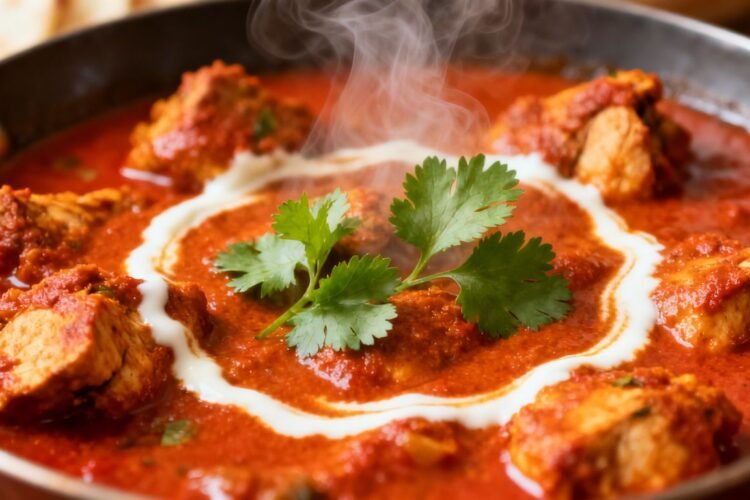
Indian food is amazing, and chicken gravy recipes are a big part of that. Whether you’re looking for something quick for a Tuesday night or a fancy dish for guests, there’s a recipe out there for you. We’ll look at how to make a basic gravy that you can use for lots of meals, and then explore some classic chicken dishes. Get ready to bring some delicious Indian flavors into your kitchen!
Key Takeaways
- Making a versatile Indian gravy base ahead of time can save a lot of cooking time during the week.
- Layering spices is key to building deep, complex flavors in Indian chicken gravy recipes.
- Classic North Indian chicken curries often use a tomato and onion base with a blend of aromatic spices.
Mastering Indian Chicken Gravy Recipes: A Foundation for Flavor
The Versatile Multipurpose Indian Gravy Base
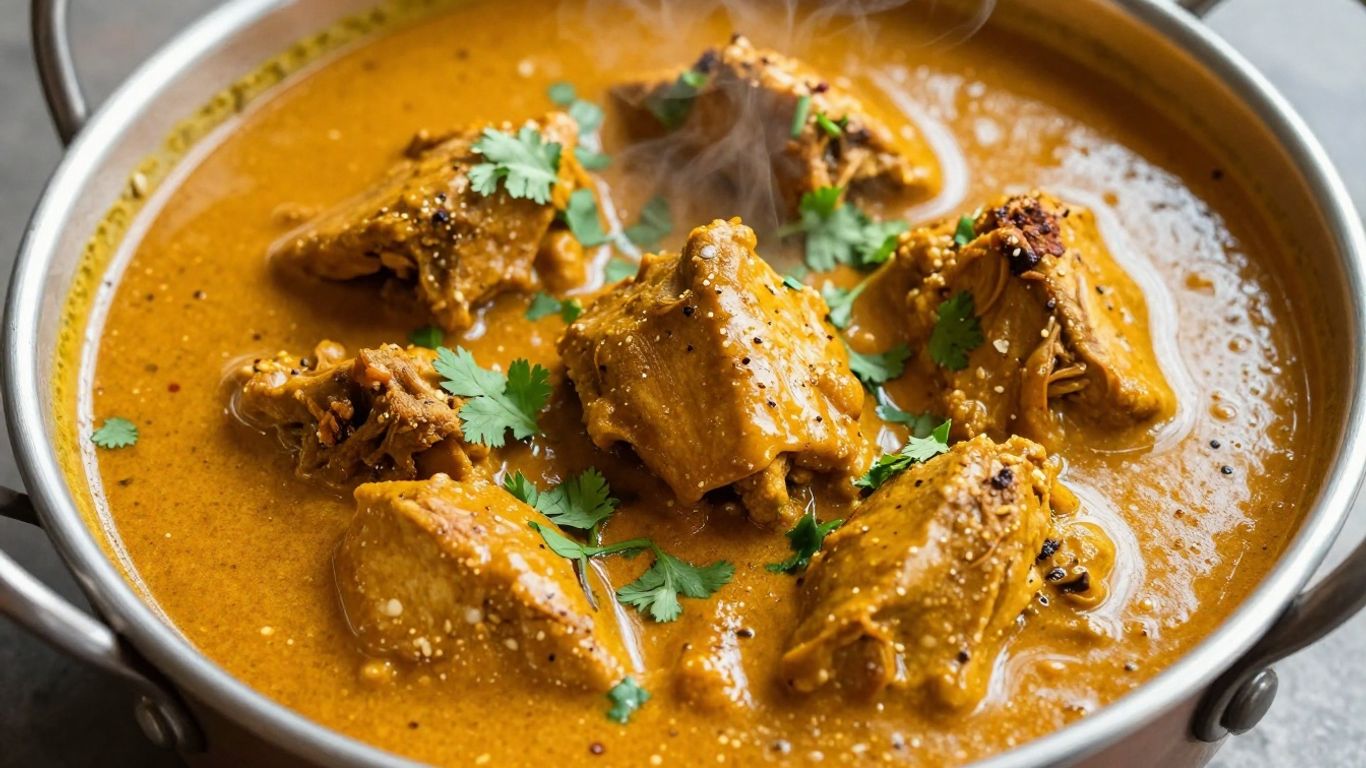
Think of a good Indian gravy base as your kitchen’s secret weapon. Instead of starting from scratch every single time you want a curry, having a ready-made base can save a lot of time and hassle. It’s like having a shortcut to deliciousness. This base can be used for all sorts of dishes, from chicken curries to vegetable preparations, and even things like chole (chickpea curry).
Making a big batch of this gravy base means you can use it throughout the week. It cuts down on daily cooking stress and helps keep the flavors consistent, which is pretty great when you’re busy. It works for both vegetarian and non-vegetarian meals, making it super adaptable for meal prep.
Here’s a look at what goes into a basic, flavorful gravy base:
- Onions: Usually a good amount, finely chopped and sautéed until they’re a nice golden brown. This step is really important for developing a deep flavor.
- Tomatoes: Pureed ripe tomatoes add body and a bit of tang.
- Aromatics: Ginger-garlic paste is a must for that classic Indian taste.
- Spices: Things like cumin seeds, turmeric, coriander powder, and red chili powder form the backbone of the flavor profile.
- Fat: Oil or ghee is used to sauté the spices and aromatics.
The key to a truly great gravy base is patience, especially when cooking the onions. Rushing this step means you miss out on the rich, sweet notes that develop from slow, even browning. It’s worth the extra few minutes.
Building Flavor: Essential Ingredients for Indian Chicken Gravy
Beyond the basic gravy base, several ingredients play a big role in making Indian chicken gravies so special. It’s all about layering flavors and using spices thoughtfully.
- Chicken: Boneless, skinless chicken thighs are often preferred because they stay moist and soak up the gravy flavors really well. They don’t dry out as easily as breast meat.
- Tomatoes: Whether pureed or crushed, tomatoes provide a tangy base and help thicken the gravy as it simmers.
- Aromatics: Fresh ginger and garlic, often in paste form, are fundamental. They add a pungent warmth that’s characteristic of Indian cooking.
- Spices: This is where the magic happens. A typical blend might include:
- Cumin: Earthy and warm.
- Coriander: A little citrusy and floral.
- Turmeric: Adds a golden color and a mild, peppery taste.
- Garam Masala: A blend of warming spices, often added near the end for aroma.
- Chili Powder/Fresh Chilies: For heat, ranging from mild to fiery.
- Finishing Touches: Fresh cilantro (coriander leaves) is almost always added at the end for a burst of freshness and color. A squeeze of lime juice can also brighten up the flavors.
Some recipes might also include ingredients like yogurt or cream for richness, or even a touch of coconut milk for a smoother, milder gravy. The careful combination of these spices, aromatics, and the main ingredients is what transforms simple chicken into a deeply satisfying Indian dish.
Crafting Authentic Indian Chicken Gravy Dishes
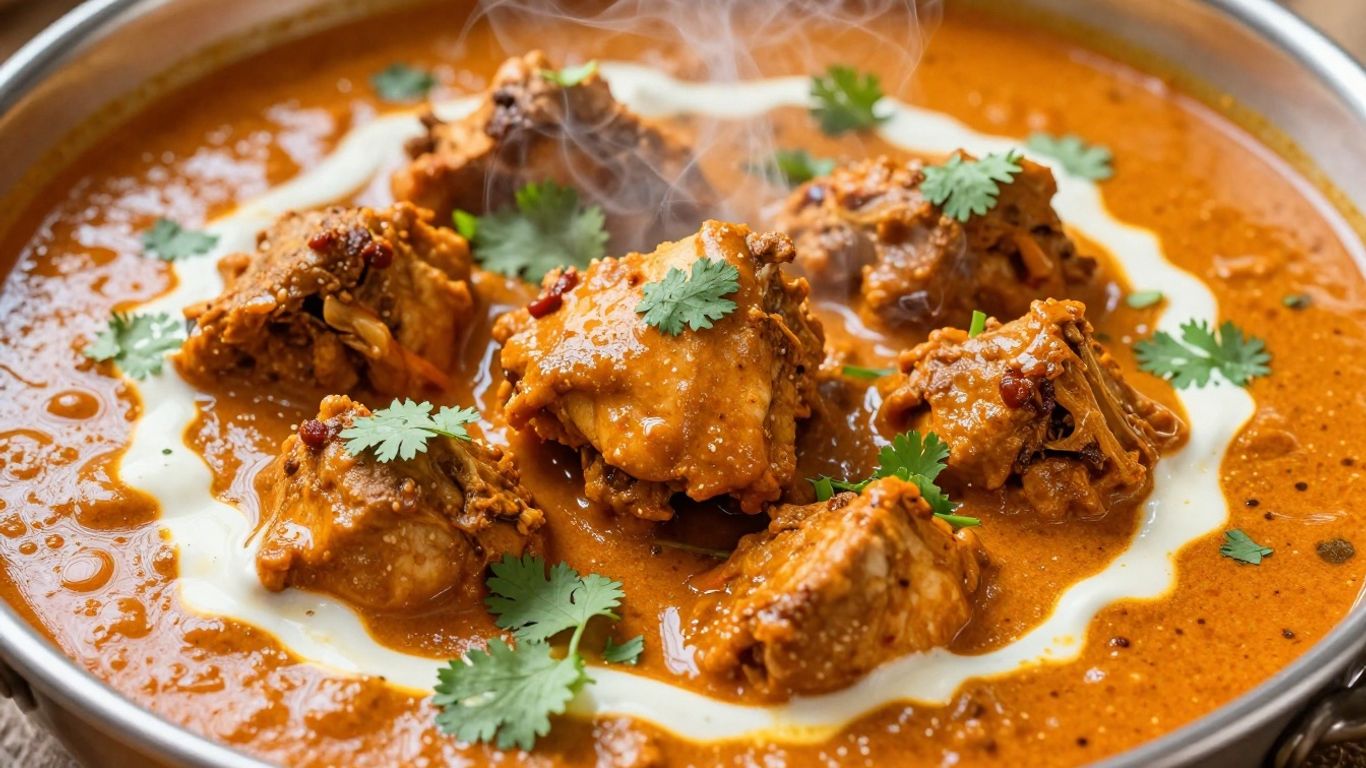
Indian chicken gravy is more than just a meal; it’s a journey through diverse flavors and cooking styles. We’ll explore how to bring the heart of Indian kitchens right into your home, from comforting weeknight dinners to more elaborate weekend feasts.
Classic Chicken Curry: A North Indian Delight
This recipe is inspired by the rich culinary traditions of Northern India. It’s all about building layers of flavor with aromatic spices and a smooth, tomato-based gravy. The goal here is a dish that’s both comforting and exciting, a true taste of home.
The magic really happens when you properly cook down the onions and tomatoes. This forms the base, and getting it right makes all the difference.
Here’s a look at the key components:
- Aromatic Base: Finely chopped onions, garlic, and ginger sautéed until golden create the foundation.
- Spice Blend: A mix of cumin, coriander, turmeric, chili powder, and garam masala adds depth and warmth.
- Rich Gravy: Tomatoes, cooked down until they release their oils, form a velvety sauce.
- Tender Chicken: Boneless, skinless chicken thighs are ideal because they stay juicy and soak up the flavors.
- Finishing Touches: Fresh cilantro adds a burst of freshness, cutting through the richness.
While some recipes might call for cream or yogurt, this version focuses on achieving a luscious texture through slow-cooked tomatoes and sometimes a touch of coconut milk. This makes it adaptable for those watching their dairy intake, but you can always add a swirl of cream if you prefer a more traditional, richer finish.
Exploring Regional Variations in Indian Chicken Gravy
Indian cuisine is incredibly diverse, and chicken gravies are no exception. Each region has its own unique spin, influenced by local ingredients and cooking methods. Understanding these differences can help you expand your repertoire and appreciate the breadth of Indian flavors.
- North Indian: Often features richer, creamier gravies, sometimes using yogurt or nuts. Think dishes like Butter Chicken or Korma.
- South Indian: Tends to be spicier and tangier, frequently incorporating coconut milk, tamarind, and curry leaves. Examples include Chettinad Chicken Curry.
- East Indian: May use mustard oil and poppy seeds, with a focus on subtle, complex flavors. Dishes like Bengali Chicken Curry showcase this style.
- West Indian: Can vary widely, but often includes influences from coastal regions, with seafood spices and sometimes a lighter touch. Goan Chicken Vindaloo, though often spicy, has Portuguese roots.
Experimenting with these variations allows you to experience the vast culinary landscape of India, one delicious gravy at a time. Don’t be afraid to adjust spices and ingredients to suit your taste!
Keep Cooking Those Curries!
So there you have it. We’ve gone from quick weeknight dinners to something a bit more special, all centered around the amazing world of Indian chicken gravies. It’s not as complicated as it might seem at first, right? Whether you’re whipping up a simple curry with a pre-made base or taking the time for a richer, more complex dish, the key is just getting in the kitchen and trying it out. Don’t be afraid to play with the spices a little, or swap out an ingredient here and there. The best part about these recipes is how forgiving they can be. So, go ahead, try a new recipe this week, and enjoy the delicious results. Happy cooking!
Frequently Asked Questions
What is a versatile Indian gravy base?
A versatile Indian gravy base is like a magic starter for many dishes. You make it once with onions, tomatoes, and spices, and then use it throughout the week for different meals like chicken curry, paneer dishes, or vegetable curries. It saves a lot of time and effort!
What are the key ingredients for Indian chicken gravy?
You’ll need common spices like cumin, turmeric, coriander, and chili powder. Onions and tomatoes form the base, often cooked with ginger and garlic. Sometimes, ingredients like coconut milk or cream are added for richness, and fresh cilantro is used for a bright finish.
Can I make Indian chicken gravy ahead of time?
Yes, absolutely! Many Indian gravies taste even better the next day as the flavors meld together. You can make the gravy base in advance and store it in the fridge for a few days, or even freeze it in portions for longer storage.