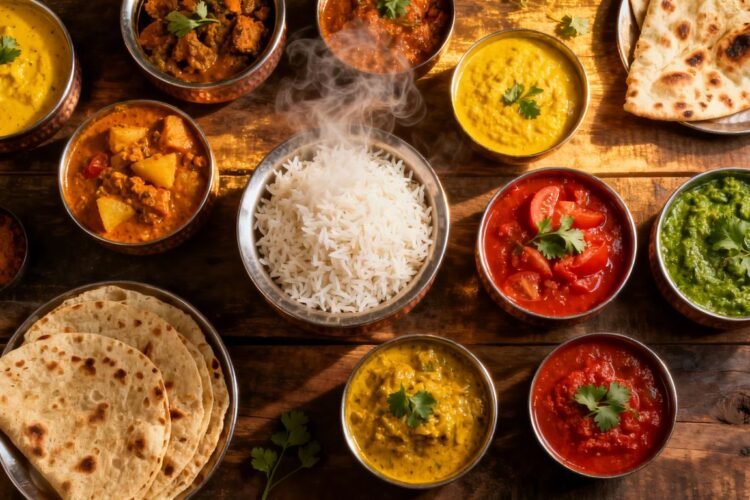
Ever looked at an Indian food menu list and felt a little lost? You’re definitely not alone. Indian cuisine is packed with so many amazing flavors and dishes, it can be a bit much to take in at first. But don’t worry, this guide is here to help you figure out what’s what. We’ll break down some of the basics, talk about what you might find on a typical indian food menu list, and point you towards some easy-to-try options so you can enjoy a delicious meal without any confusion. Let’s get started!
Key Takeaways
- When you look at an indian food menu list, remember that flavors can change a lot depending on the region. North Indian food often features creamy dishes and breads, while South Indian food might use more coconut and rice.
- Don’t be afraid to ask your server questions! They can explain dishes and help you pick something that matches your spice preference. Starting with milder options like Chicken Tikka Masala or Dal Makhani is a good way to begin.
- Beyond the main dishes, think about the sides and drinks. Things like naan bread, raita (a yogurt dip), and a mango lassi can really make your meal more enjoyable and help balance out any spice.
Understanding The Indian Food Menu List
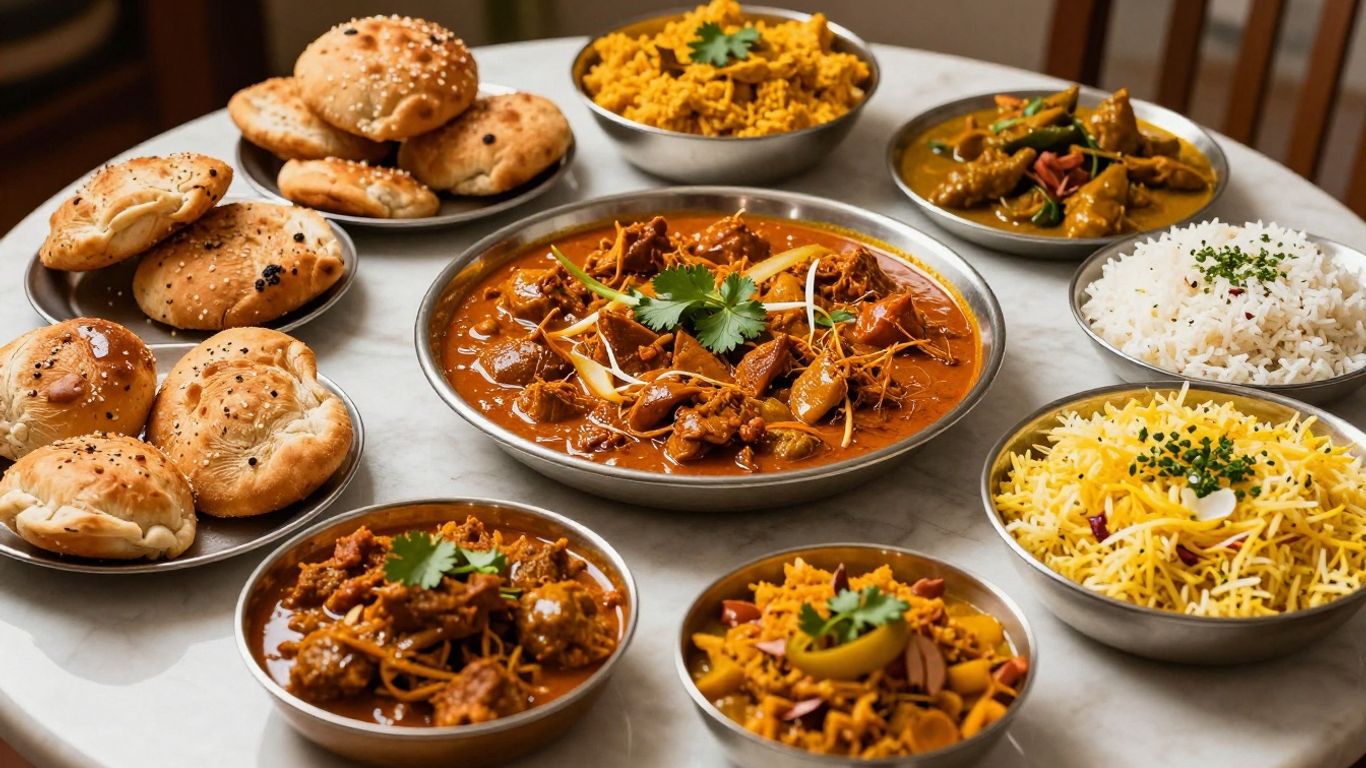
Walking into an Indian restaurant can sometimes feel like stepping into a culinary adventure, especially if you’re new to the scene. The menus are often packed with dishes that sound intriguing but might leave you scratching your head. Don’t worry, though; it’s not as complicated as it seems. The key is to break it down and understand the basics. Indian food is incredibly diverse, with flavors and styles changing quite a bit depending on where you are in the country.
Navigating Regional Indian Cuisine
India is a huge place, and its food reflects that. You’ll notice big differences between dishes from the north and the south, for example. Northern Indian food, think Punjab and Delhi, often features richer, creamier curries and a lot of bread like naan and roti. They also do amazing tandoori dishes, which are cooked in a special clay oven. Southern Indian food, on the other hand, tends to use more rice, coconut, and lentils. Dishes from this region might have a lighter feel, and you’ll find things like dosas and idlis, which are rice-based. Then there are other regions with their own specialties, like the spicy Chettinad cuisine from Tamil Nadu or the famous Hyderabadi biryani.
Here’s a quick look at some regional differences:
- North India: Creamy curries, tandoori meats, naan, roti, hearty lentil dishes (like Dal Makhani).
- South India: Rice-based dishes, coconut milk, lentils, seafood, dosas, idlis, sambar.
- West India: Often features vegetarian dishes, with influences from coastal areas and drier inland regions.
- East India: Known for its fish preparations, rice, and subtle use of mustard oil and spices.
Understanding these regional differences can help you pick a dish that aligns with your taste preferences. It’s like knowing that Italian food isn’t just pizza and pasta; there’s a whole world of regional specialties.
Key Ingredients And Culinary Terms
Getting familiar with a few common ingredients and terms will make ordering much easier. You’ll see words like ‘masala,’ which basically means a spice blend. So, ‘Chicken Tikka Masala’ is chicken with a specific spice blend. ‘Tandoori’ refers to food cooked in that special clay oven, giving it a smoky flavor. ‘Saag’ means greens, usually spinach, so ‘Saag Paneer’ is spinach with cheese.
Some other terms you might run into:
- Dal: Lentils. There are many types and ways to prepare them.
- Paneer: A type of Indian cheese, often used in vegetarian dishes.
- Biryani: A flavorful rice dish cooked with spices and meat or vegetables.
- Rogan Josh: A rich, aromatic curry, typically made with lamb or goat.
- Korma: A mild, creamy curry, often made with yogurt, cream, or coconut milk.
Don’t be afraid to ask your server if you’re unsure about an ingredient or a dish. Most people are happy to explain. Also, remember that not all Indian food is super spicy. Many dishes are quite mild and focus on aromatic spices rather than heat. You can often ask for dishes to be made less spicy if you prefer.
Exploring Popular Indian Food Menu List Options
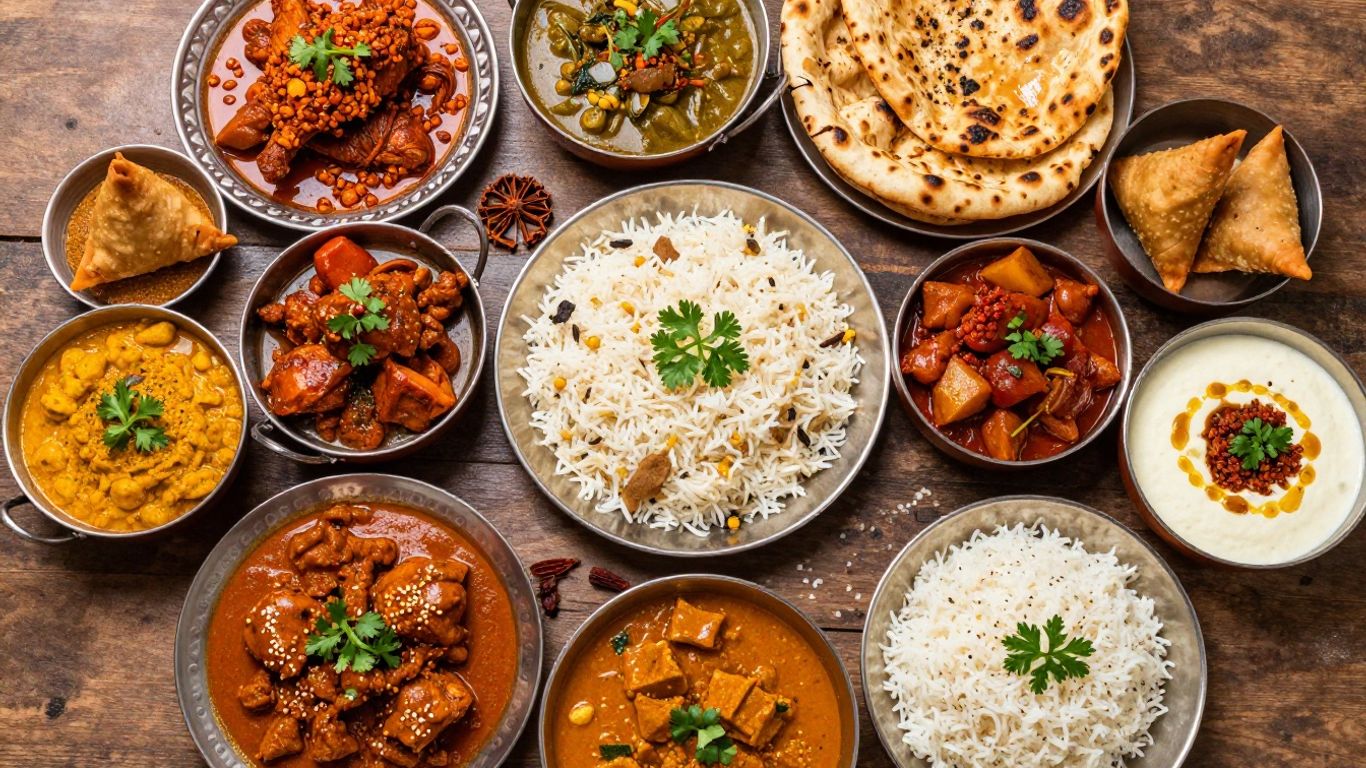
So, you’re finally ready to try Indian food, but the menu is like a never-ending novel. Where even to begin? I remember my first time — I stared at the long, mysterious names, sweating bullets, praying I didn’t accidentally order something way out of my comfort zone. Don’t worry, you’re not alone.
Beginner-Friendly Appetizers And Main Courses
If you’re new to Indian cuisine, you’ll want dishes that are flavorful but not overwhelming. Here’s how you can start, based on menu favorites that are easy on the palate yet truly representative of Indian food:
- Appetizers:
- Main Courses:
Here’s a quick look comparing typical calories and protein so you’re not completely guessing:
| Dish | Serving Size | Calories | Protein (g) |
|---|---|---|---|
| Butter Chicken | 1 cup (240g) | 440 | 30 |
| Paneer Tikka | 6 pieces (200g) | 360 | 22 |
| Chicken Biryani | 1.5 cups (300g) | 480 | 28 |
| Samosa | 1 piece (100g) | 260 | 4 |
| Dal Makhani | 1 cup (240g) | 350 | 17 |
Starting off with these, it’s easy to enjoy Indian food without feeling intimidated by unfamiliar flavors or spice levels.
Accompaniments And Traditional Drinks
What makes Indian food even more interesting is the load of sidekicks that come with any meal. Forget eating plain – every bite is supposed to have some contrast, whether it’s creamy, spicy, or cool. If you’re unsure how to mix and match, try these:
- Breads:
- Naan: Soft, fluffy flatbread baked in a clay oven. Perfect for mopping up curry.
- Roti: Wheat-based, thinner than naan and not as buttery — often a healthier option.
- Rice Options:
- Plain Steamed Rice: Best with rich, saucy dishes.
- Jeera Rice: Rice seasoned with cumin, nice for something light with a hint of spice.
- Classic Accompaniments:
- Raita: Yogurt with chopped cucumber and spices, super cooling; pairs with spicy dishes like biryani or kebabs.
- Chutney: Served on the side, ranging from tangy mint or cilantro to sweet tamarind.
- Popular Drinks:
- Lassi: Yogurt-based, comes sweet or salty. Terrific for countering heat.
- Masala Chai: Sweet, milky tea spiced with cardamom and ginger — Indian comfort in a cup.
- Nimbu Pani: Simple Indian-style lemonade, refreshing and not too sweet.
Sometimes, the sides become the real stars of the meal — experimenting with different breads, chutneys, and drinks is half the fun.
Every table, every region, and every home in India will have their own version of these. Don’t sweat the choices — just try a little bit of everything and see what hits the spot for you.
Wrapping It Up
So there you have it! Indian food can seem like a lot at first, with all the different names and ingredients. But really, it’s just about trying new things. Don’t be afraid to ask your server for help or to start with some of those milder dishes we talked about. You might be surprised at how much you enjoy it. Think of this guide as your starting point, and the next time you look at an Indian menu, you’ll feel a little more confident about picking something delicious. Happy eating!
Frequently Asked Questions
What are some good Indian dishes for beginners to try?
If you’re new to Indian food, start with dishes that are mild and popular. Chicken Tikka Masala is a great choice because it’s creamy and not too spicy. For vegetarians, Dal Tadka (lentils) or Palak Paneer (spinach with cheese) are tasty and gentle on the taste buds. These dishes are easy to enjoy and give you a good idea of Indian flavors.
Is all Indian food spicy?
Not all Indian food is spicy! There are many dishes that are mild and focus more on flavor than heat. If you’re worried about spice, you can always ask the server to make your food less spicy. Many Indian restaurants are happy to adjust the spice level to suit your preference.
What should I order with my main dish at an Indian restaurant?
Indian meals usually come with side dishes that make the meal more complete. Naan (soft bread) or Jeera Rice (rice with cumin) are good options to go with your main dish. You can also try Raita, a yogurt side that cools down spicy food, or Papadums, which are crunchy and fun to eat. To drink, Mango Lassi or Masala Chai are both delicious and refreshing.