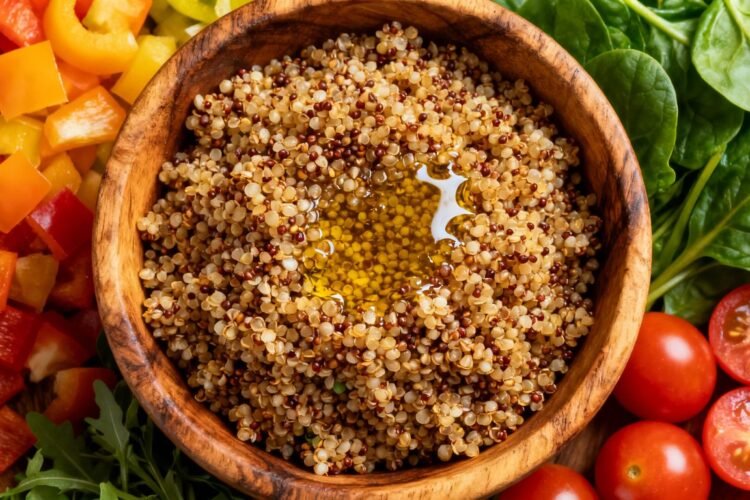
Have you heard of kaniwa? It’s this tiny ancient grain that’s super versatile and pretty healthy too. Honestly, I was a bit skeptical at first, thinking it was just another quinoa trend. But after trying a few recipes, I’m totally sold. It cooks up fast, doesn’t really have a strong taste, so it works with pretty much anything. Whether you’re looking for something light and fresh or a bit more filling, kaniwa can do it. Let’s explore some of the amazing recipes with kaniwa that you can make.
Key Takeaways
- Kaniwa is a small, ancient grain that cooks similarly to quinoa but retains its size and texture, making it great for adding bite to dishes.
- Its neutral flavor profile makes kaniwa a fantastic base for a wide range of recipes, from savory salads and hearty stews to sweet pancakes and baked goods.
- Kaniwa is packed with nutrients, offering protein, iron, and antioxidants, and is a simple, quick-cooking addition to any meal.
Versatile Kaniwa Recipes For Every Meal
Kaniwa Salad Creations
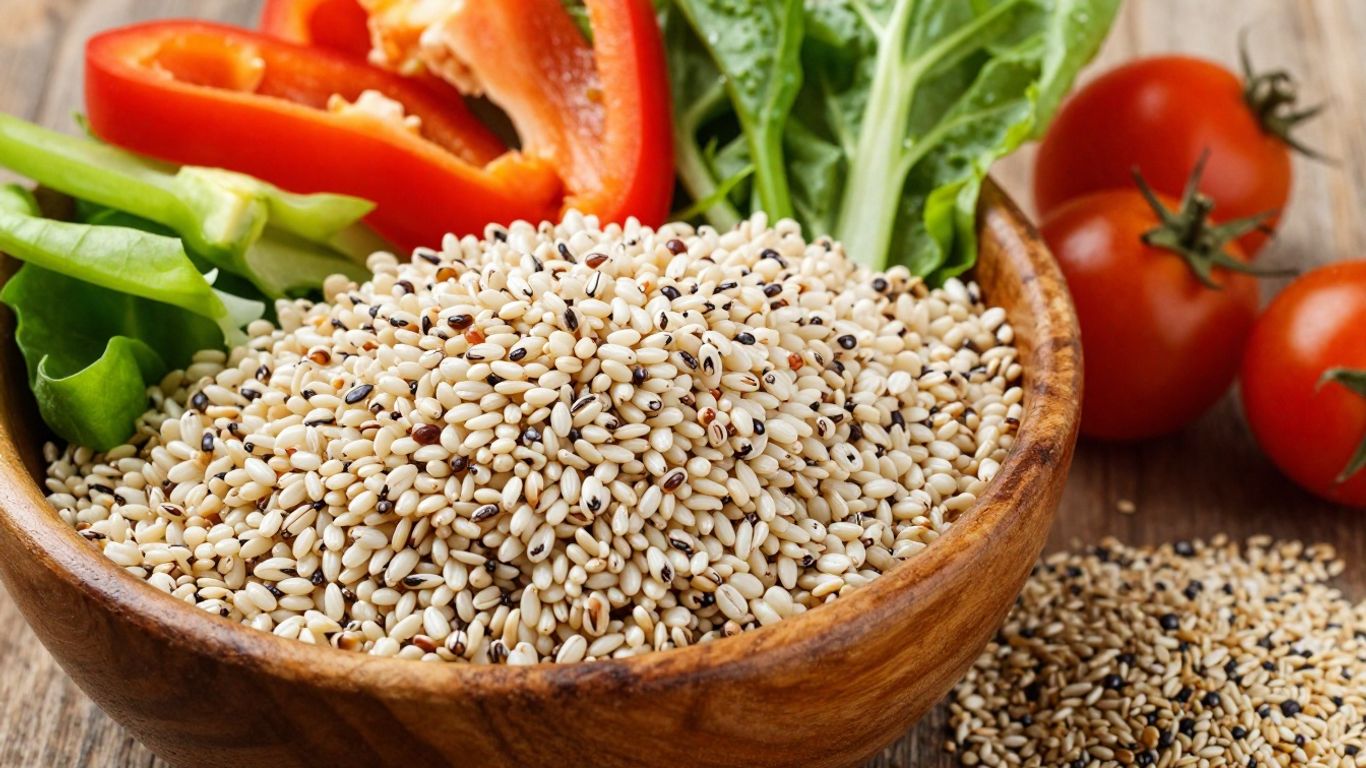
Kaniwa is a fantastic grain that works wonderfully in salads. It has a slightly nutty flavor and a texture that holds up well, making it perfect for dishes you want to prep ahead. Think of it as a tiny, versatile cousin to quinoa, but with its own unique charm. It doesn’t puff up when cooked, so it keeps its shape, which is great for adding visual appeal and a satisfying bite to your greens.
Here are a few ideas to get you started:
- Confetti Salad: Mix cooked kaniwa with finely diced colorful vegetables like bell peppers, corn, and black beans. A lime-cilantro dressing ties it all together.
- Hearty Winter Salad: Combine kaniwa with roasted root vegetables such as sweet potatoes and carrots. Add some toasted nuts or seeds for crunch.
- Mediterranean Style: Toss kaniwa with chopped cucumbers, tomatoes, Kalamata olives, and a lemon-herb vinaigrette. Feta cheese is a nice addition if you eat dairy.
Kaniwa is surprisingly filling, so a kaniwa-based salad can easily be a main course for lunch or a light dinner. It’s a great way to pack in extra protein and fiber without feeling weighed down.
Hearty Kaniwa Soups and Stews
If you’re looking to add some substance to your soups and stews, kaniwa is your secret weapon. It cooks up quickly and absorbs flavors beautifully, making it a great addition to almost any simmering pot. You can stir it in towards the end of cooking, or let it simmer longer for a thicker, heartier result.
How to Cook Kaniwa for Soups:
- Rinse 1 cup of kaniwa under cold water.
- Combine kaniwa with 2 cups of water or broth in a saucepan.
- Add a pinch of salt and bring to a boil.
- Reduce heat, cover, and simmer for about 15 minutes, or until the liquid is absorbed. You’ll see little tails appear, similar to quinoa.
- Fluff with a fork and it’s ready to add to your soup.
Kaniwa can thicken a broth or add a pleasant texture to a chunky stew. It’s also a great way to make a vegetarian meal more satisfying. Try adding it to chili, lentil soup, or even a creamy vegetable soup for an extra boost of nutrition and texture. It keeps well in the fridge, so leftovers are great for the next day.
Sweet and Savory Dishes Featuring Kaniwa
Kaniwa Pancakes and Breakfast Ideas
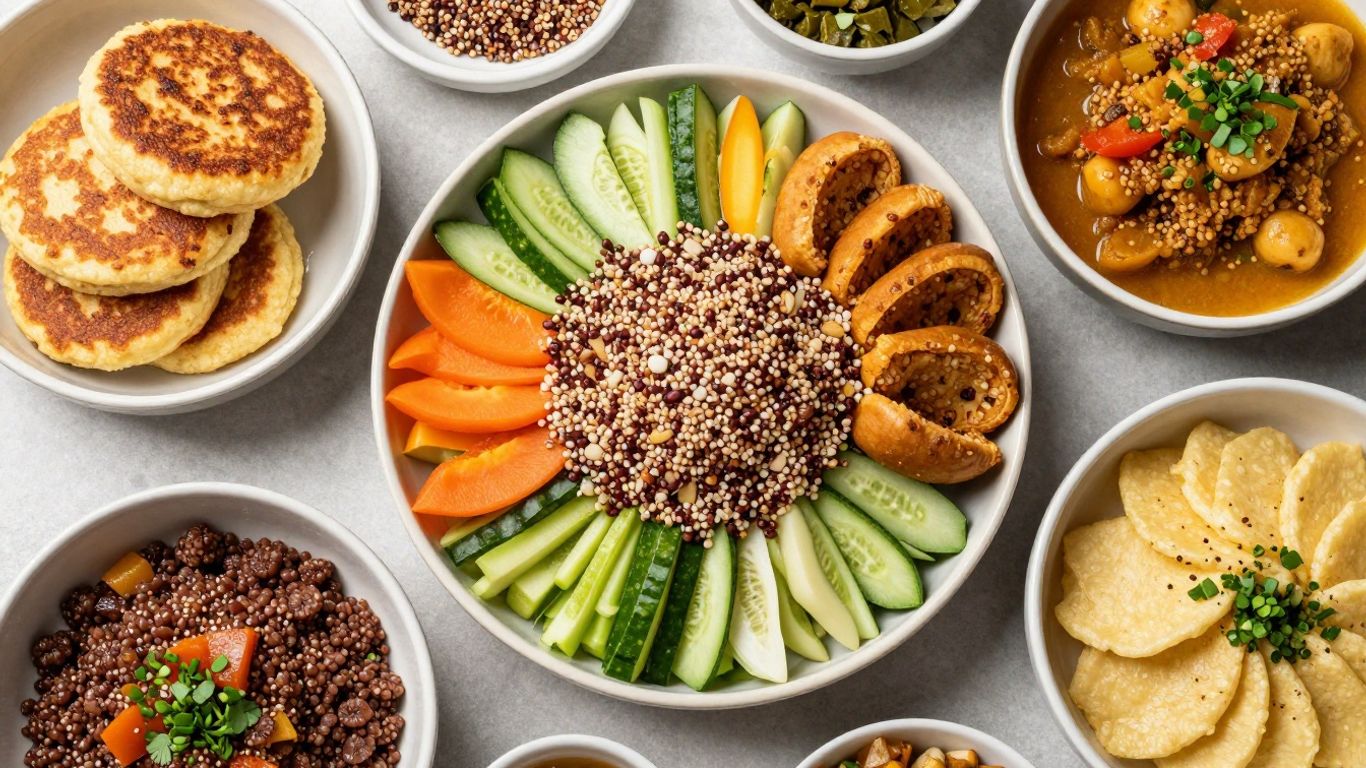
Kaniwa is a fantastic addition to your morning routine, offering a subtle nutty flavor and a satisfying texture that works wonderfully in breakfast dishes. Forget boring oatmeal; kaniwa can bring a new level of interest to your plate. It cooks up small and doesn’t puff like quinoa, giving your pancakes a unique, slightly chewy bite.
When you’re whipping up pancakes, try adding a few tablespoons of cooked kaniwa directly into your batter. It adds a delightful little pop and extra protein. You can also blend cooked kaniwa into the batter for a smoother texture with a hint of nuttiness. For a warm cereal alternative, cook kaniwa with water or milk, then sweeten it with a drizzle of maple syrup and top with fresh berries or sliced banana. It’s a simple swap that makes breakfast feel special.
Here’s a basic idea for incorporating kaniwa into pancakes:
- Cook Kaniwa: Prepare about 1/2 cup of kaniwa according to package directions (usually a 1:2 ratio of kaniwa to liquid, simmered for about 15 minutes).
- Cool Slightly: Let the cooked kaniwa cool for a few minutes.
- Add to Batter: Gently fold the cooked kaniwa into your favorite pancake batter. Don’t overmix!
- Cook: Make your pancakes as usual.
Kaniwa’s tiny size and mild taste make it incredibly versatile. It doesn’t overpower other flavors, allowing it to blend in beautifully whether you’re aiming for sweet or savory breakfast creations. It’s a simple way to boost the nutritional value of your meals without a drastic change in taste.
Kaniwa in Baked Goods and Snacks
Beyond breakfast, kaniwa shines in baked goods and snacks, adding texture and a nutritional boost. Think muffins, quick breads, and even granola bars. Adding about half a cup of cooked kaniwa to your favorite muffin or bread batter can give it a pleasant chewiness and extra protein. It’s a subtle change that makes a big difference in the final product.
For a homemade granola, cooked kaniwa can be mixed with oats, nuts, seeds, and your preferred sweetener before baking. It adds a lovely little crunch and helps bind everything together. Even simple energy balls can benefit from a spoonful of cooked kaniwa for added substance.
Consider these ideas for using kaniwa in snacks:
- Muffins: Fold 1/2 cup cooked kaniwa into your favorite muffin batter.
- Granola: Mix 1 cup cooked kaniwa with oats, nuts, seeds, and a binder like honey or maple syrup before baking.
- Energy Bites: Combine cooked kaniwa with nut butter, oats, and dried fruit for no-bake snacks.
Kaniwa’s ability to absorb flavors means it can be seasoned in many ways. For savory baked goods, you could even add herbs or spices. It’s a small grain with big potential for making your homemade treats more interesting and wholesome.
Wrapping Up Your Kaniwa Adventure
So there you have it! Kaniwa is pretty neat, right? We’ve seen how this tiny grain can totally change up your salads, add a little something extra to your breakfast, and even sneak into your baked goods. It’s super easy to cook, kind of like its cousin quinoa, but with its own unique texture. Don’t be afraid to experiment in the kitchen with it. Whether you’re making a hearty stew or a light pancake, kaniwa is a versatile ingredient that’s worth adding to your pantry. Give it a try and see what delicious meals you can come up with!
Frequently Asked Questions
What is kaniwa and how is it different from quinoa?
Kaniwa is a tiny ancient grain from South America, much like quinoa. While they are related and cook similarly (using a 2:1 liquid to grain ratio), kaniwa stays small and doesn’t get fluffy like quinoa. It has a mild taste, making it a great base for many dishes.
How do you cook kaniwa?
Cooking kaniwa is super simple! You just need 2 cups of liquid (like water or broth) for every 1 cup of kaniwa. Bring it to a boil, then lower the heat, cover, and let it simmer for about 15 minutes until all the liquid is soaked up. It’s hard to mess up, so don’t worry too much!
What are some easy ways to use kaniwa in meals?
Kaniwa is incredibly versatile! You can toss it into salads for extra texture, add it to soups and stews to make them heartier, use it as a side dish instead of rice, or even mix it into pancake batter or baked goods for a nutritional boost. Its mild flavor means it works with almost anything!