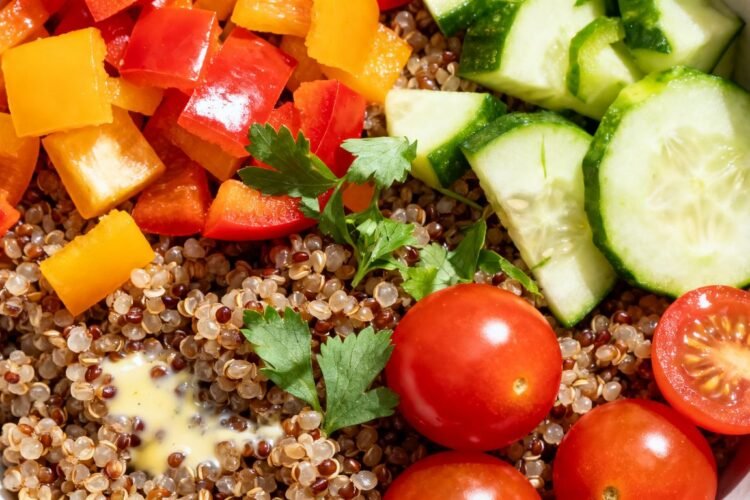
Whole grains are pretty great for you, right? They can help with all sorts of health stuff like keeping your blood pressure in check and lowering the chances of getting diabetes. Most of us know about quinoa or oats, but there’s another grain, kaniwa, that’s just as good for you and maybe even tastier. It’s like a tiny cousin to quinoa, but with its own unique flavor and texture. If you’re looking for new ways to eat healthy and add some variety to your meals, this kaniwa recipe is a fantastic place to start. Let’s explore what makes kaniwa so special and how you can whip up a delicious bowl.
Key Takeaways
- Kaniwa, a small Andean seed often called ‘baby quinoa,’ is a nutritious ancient grain packed with protein, fiber, iron, and antioxidants.
- It’s naturally gluten-free and has a low glycemic index, making it a good choice for stable blood sugar levels.
- Kaniwa can be prepared in various ways, including cooked seeds, flour, flakes, or popped, offering a nutty, slightly sweet flavor to meals and snacks.
Discovering Kaniwa: A Nutritious Ancient Grain
What is Kaniwa?
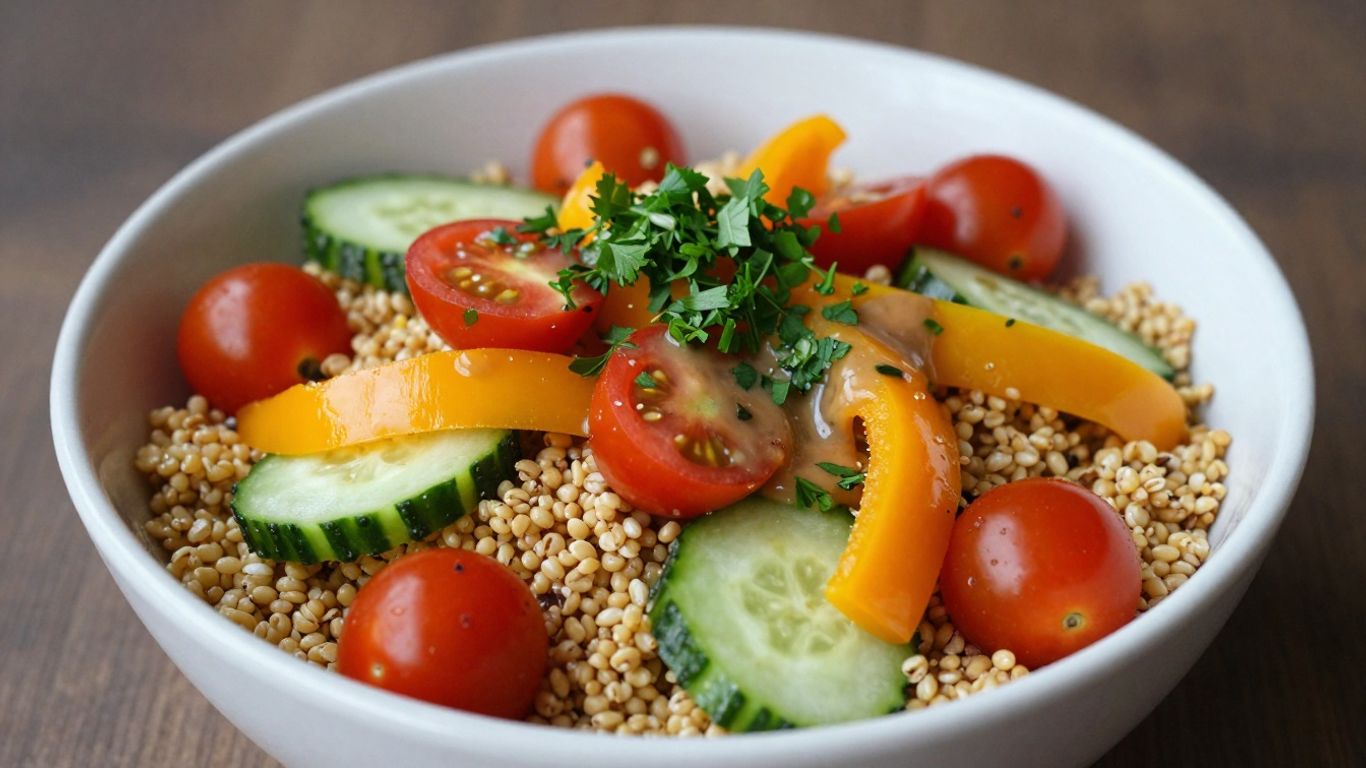
So, you’ve probably heard of quinoa, right? It’s everywhere these days. Well, let me introduce you to its smaller, lesser-known cousin: kaniwa. Hailing from the Andes region of Peru and Bolivia, kaniwa has been around for ages, cultivated by local folks long before it became a trendy health food. It looks a bit like tiny, reddish-brown quinoa seeds, which is why some people call it "baby quinoa." Even though it’s technically a seed, we use it much like a whole grain in cooking. It’s got this pleasant, slightly nutty and sweet flavor that’s really nice in a lot of dishes.
Nutritional Benefits of Kaniwa
Kaniwa is a pretty impressive little seed when it comes to nutrition. It’s packed with good stuff that our bodies need. Think of it as a tiny powerhouse!
- Protein: It contains all the essential amino acids, which is great for building and repairing tissues.
- Fiber: This helps with digestion and keeps you feeling full longer.
- Minerals: You’ll find iron and calcium in there, important for energy and bone health.
- Antioxidants: These help protect your cells from damage.
Plus, it’s naturally gluten-free and has a low glycemic index. This means it won’t cause those big sugar spikes after you eat it, making it a good choice for keeping your energy levels steady.
Kaniwa is a fantastic addition to a balanced diet, offering a good dose of protein and fiber without the gluten. Its mild flavor and slight crunch make it versatile for many meals.
Here’s a quick look at what makes kaniwa stand out:
| Nutrient | Amount (per 100g, approximate) |
|---|---|
| Calories | 380 |
| Protein | 14g |
| Fiber | 10g |
| Iron | 7mg |
| Calcium | 70mg |
| Carbohydrates | 65g |
| Fat | 6g |
Crafting Your Perfect Kaniwa Recipe
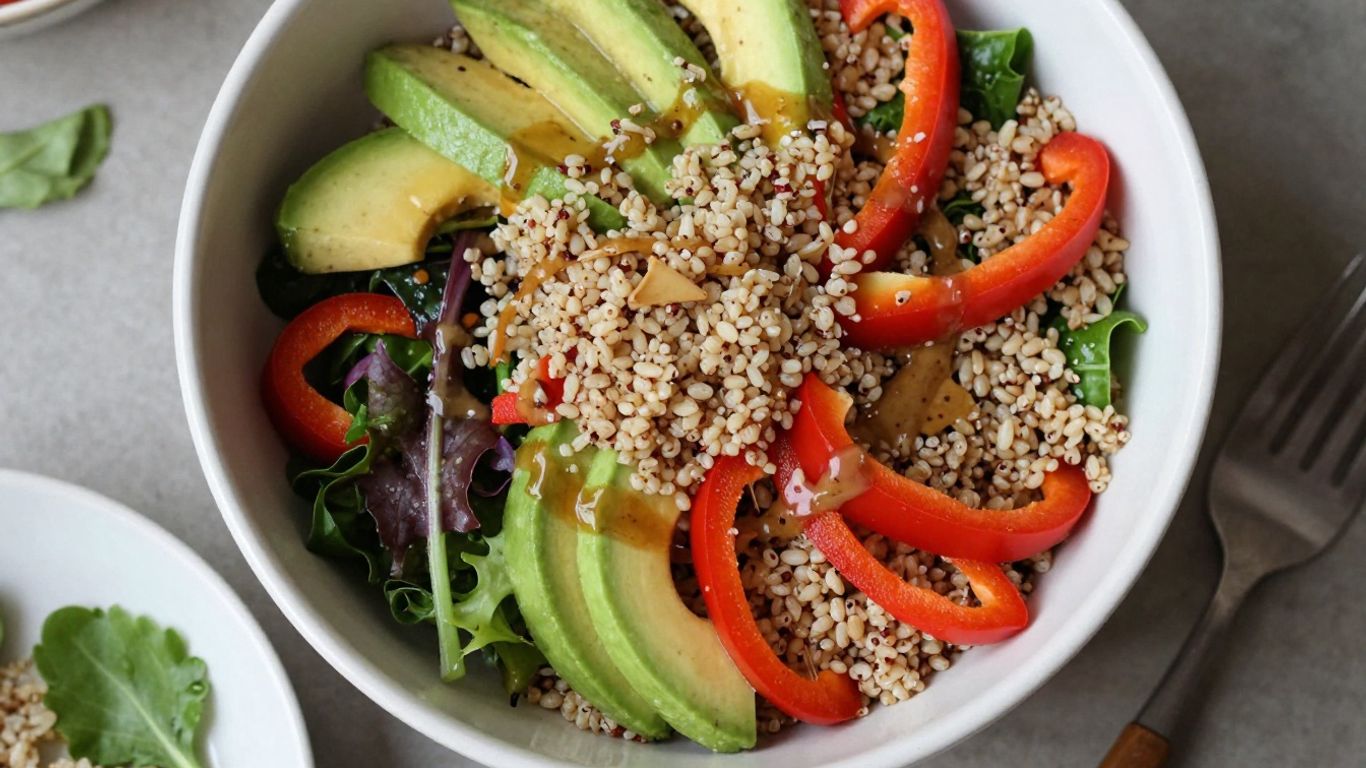
So, you’ve got your kaniwa seeds, and you’re ready to turn them into something delicious. It’s actually pretty straightforward, and honestly, way easier than I expected. The best part is how versatile this little grain is. You can use it as a base for a hearty bowl, toss it into salads, or even serve it as a side dish. The possibilities are pretty much endless, and that’s what makes kaniwa so great.
Preparing Cooked Kaniwa Seeds
Getting kaniwa ready to eat is a breeze. Unlike some other grains, kaniwa doesn’t have that bitter coating called saponins, so you don’t need to spend ages rinsing it. Just a quick rinse is fine if you want to, but it’s not a must.
Here’s a simple way to cook it:
- Toast the Seeds: Put about 1 cup of dry kaniwa seeds in a dry saucepan over medium-low heat. Stir them around for about 2 minutes until they smell a little toasty. This step really brings out their nutty flavor.
- Add Liquid: Pour in 2 cups of water or broth. Broth adds a bit more flavor, but water works just fine too.
- Simmer: Bring the water to a boil, then turn the heat down to low, cover the pot, and let it simmer. It usually takes about 15-20 minutes for the seeds to soften up and absorb most of the liquid.
- Rest: Once it’s done, take it off the heat and let it sit, covered, for another 5 minutes. This helps it get to the perfect texture.
Your cooked kaniwa should have a slight chew and a pleasant little crunch, kind of like perfectly cooked quinoa but a bit firmer. It’s now ready to be the star of your meal.
Flavorful Additions for Your Bowl
Now for the fun part – making your kaniwa bowl amazing! Think of your cooked kaniwa as a blank canvas. You can go in so many directions with flavors and textures. A good grain bowl usually has a few key components:
- A Base: That’s your kaniwa, of course.
- Veggies: Roasted vegetables are fantastic. Try Brussels sprouts, broccoli, or sweet potatoes. Even some fresh greens like spinach or kale work well.
- Protein: This could be beans, lentils, tofu, or even some grilled chicken if you’re not keeping it plant-based.
- Healthy Fats: Avocado slices or a sprinkle of nuts and seeds add richness.
- A Zingy Dressing: This ties everything together. A tahini-based dressing with lemon and turmeric is a popular choice, or just a simple vinaigrette.
Don’t be afraid to mix and match. I often throw in some pickled red onions for a tangy kick, or some roasted chickpeas for extra crunch. The goal is to create a bowl that’s balanced, satisfying, and packed with flavor. It’s all about building layers of taste and texture that work well together.
Enjoy Your Kaniwa Creation!
So there you have it – a simple and tasty way to bring kaniwa into your meals. This little grain is pretty neat, right? It’s packed with good stuff and doesn’t take forever to cook. Whether you’re new to kaniwa or looking for fresh ideas, this bowl is a great starting point. Feel free to swap out ingredients based on what you have or what you like. The most important thing is to get in the kitchen and have some fun with it. Happy cooking!
Frequently Asked Questions
What exactly is kaniwa?
Kaniwa is a tiny, reddish-brown seed that comes from the Andes mountains in Peru and Bolivia. It’s like a cousin to quinoa, which is why some people call it ‘baby quinoa.’ Even though it’s technically a seed, we eat it like a grain and it’s packed with good stuff like protein, fiber, and important vitamins and minerals.
How do I cook kaniwa?
Cooking kaniwa is super simple! You don’t even need to rinse it like quinoa because it doesn’t have that bitter coating. Just toast the seeds for a couple of minutes in a dry pan, then add water in a 1-to-2 ratio (one part kaniwa, two parts water). Let it simmer for about 20 minutes until the seeds are soft but still have a slight chew to them.
What can I add to my kaniwa bowl to make it taste great?
You can add almost anything you like to a kaniwa bowl! Think about adding some colorful veggies like roasted broccoli or bell peppers, some healthy fats from avocado or nuts, a protein boost from beans or chicken, and a tasty dressing. Fresh herbs and spices can also add a lot of flavor. It’s all about creating a balanced and yummy meal!