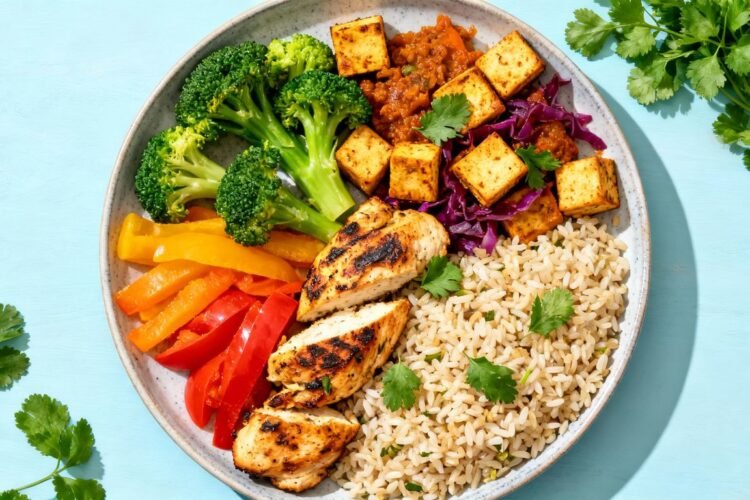
Thinking about shedding some pounds but love your Indian food? You’re in luck. Indian cuisine, with its focus on spices, lentils, and veggies, can actually be a fantastic way to reach your weight loss goals. It’s not about starving yourself or eating bland food; it’s about making smart choices. This article is your guide to creating an effective weight loss meal plan indian that’s both delicious and good for you. We’ll break down what works and how you can stick with it.
Key Takeaways
- Indian food can be great for weight loss because it often includes fiber-rich ingredients like lentils, vegetables, and whole grains, which help you feel full.
- Balancing your meals with lean proteins, complex carbs, and plenty of vegetables is important for an Indian weight loss meal plan.
- Staying hydrated and eating fiber-rich foods are simple but effective ways to manage hunger and support your weight loss journey.
Understanding the Indian Weight Loss Meal Plan
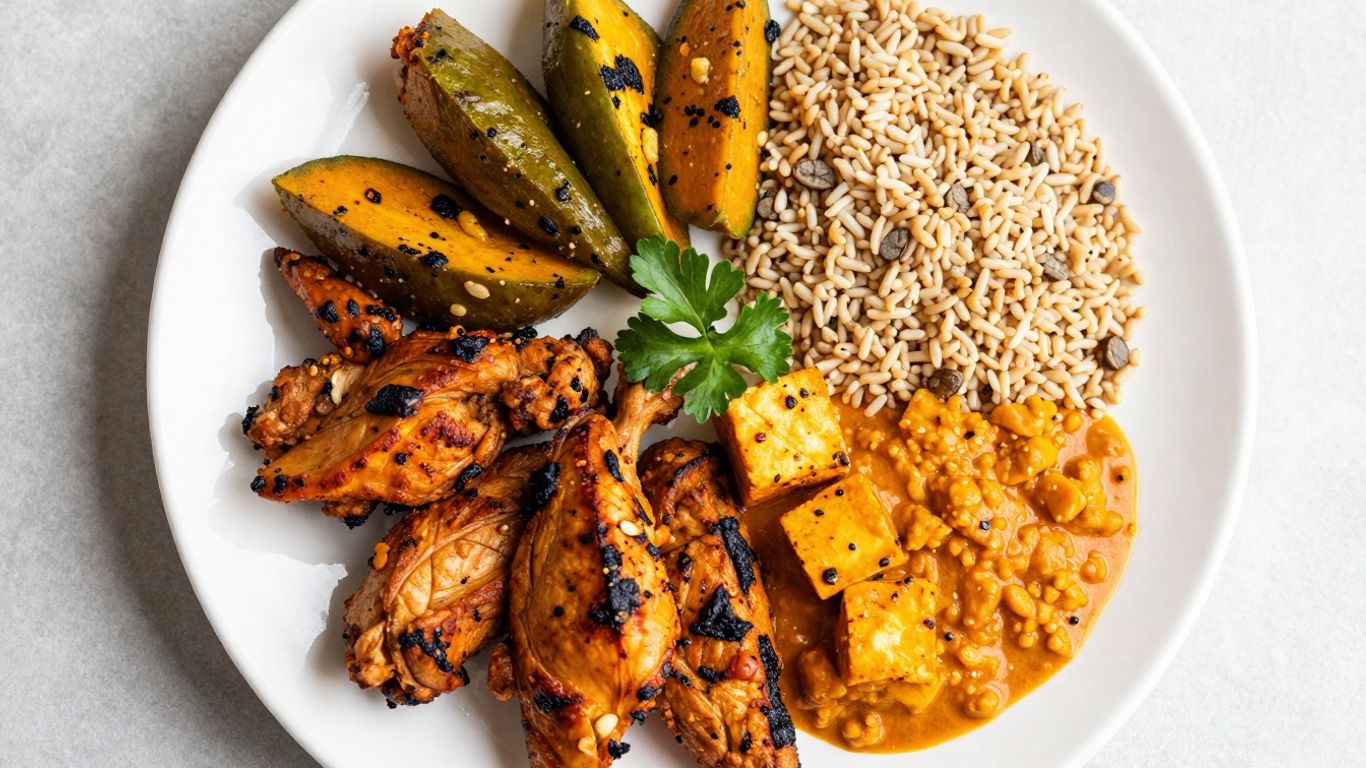
So, you’re looking to shed some pounds and you’re thinking about using an Indian diet to do it. That’s a pretty smart move, honestly. Indian food, when you get down to it, is packed with stuff that’s good for you. Think lots of vegetables, lentils, whole grains, and spices. These aren’t just for flavor, either; they play a big role in how your body works.
The Science Behind Effective Weight Loss
At its core, losing weight is about simple math: you need to burn more calories than you eat. It sounds straightforward, but actually doing it is another story. The idea is to create a calorie deficit. This means your body has to dip into its stored energy (fat) to keep going. For most people, aiming for a deficit of around 500 to 1000 calories a day is a good starting point. This usually means your daily intake will be somewhere between 1,000 and 1,200 calories, which is enough to give your body what it needs without feeling totally deprived.
The key is consistency. Small, steady changes add up over time. Don’t expect miracles overnight; focus on building habits that you can stick with long-term.
Key Principles of an Indian Diet for Weight Loss
When we talk about an Indian diet for weight loss, we’re not talking about bland, boring food. Far from it! The principles are pretty straightforward:
- Focus on Whole Foods: This means loading up on vegetables, fruits, whole grains like roti made from whole wheat, and pulses (lentils and beans). These are naturally filling and provide lots of fiber.
- Smart Protein Choices: Lentils, beans, yogurt, paneer, and lean meats or fish are great sources of protein. Protein helps you feel full, which is a big win when you’re trying to eat less.
- Spice It Up: Indian spices aren’t just for taste. Many, like turmeric, ginger, and cumin, have properties that can help with digestion and metabolism. Plus, they make food exciting!
- Mindful Cooking Methods: Instead of deep-frying everything, try grilling, baking, steaming, or stir-frying with minimal oil. This cuts down on extra calories without sacrificing flavor.
Here’s a quick look at how meals might break down calorie-wise:
| Meal Type | Calorie Range |
|---|---|
| Breakfast | 250 – 300 |
| Mid-Morning Snack | 100 – 150 |
| Lunch | 300 – 350 |
| Evening Snack | 100 – 150 |
| Dinner | 250 – 300 |
| Total Daily | 1,000 – 1,200 |
It’s all about balance and making smart choices with the amazing ingredients Indian cuisine has to offer.
Crafting Your Balanced Indian Weight Loss Diet
So, you’re looking to shed some pounds, and you’re interested in how Indian food can help. That’s great! Indian cuisine is actually pretty fantastic for weight loss if you know how to put it together. It’s not just about eating less; it’s about eating smart, using all those amazing ingredients and cooking methods that are already part of the tradition.
Incorporating Nutrient-Rich Foods
Indian food is naturally packed with stuff that’s good for you. Think lentils, beans, all sorts of vegetables, and whole grains. These aren’t just tasty; they’re loaded with fiber, which is a total game-changer when you’re trying to lose weight. Fiber keeps you feeling full, so you’re less likely to reach for those less-than-ideal snacks between meals. Plus, many Indian dishes use spices that have their own health perks, like helping with digestion or reducing inflammation.
- Legumes and Pulses: Dal, chana (chickpeas), rajma (kidney beans) are protein and fiber powerhouses.
- Whole Grains: Opt for brown rice, whole wheat roti, millets like jowar and bajra instead of refined grains.
- Vegetables Galore: Load up on leafy greens, gourds, cauliflower, okra, and more. Aim for a variety of colors.
- Healthy Fats: Use moderate amounts of ghee or mustard oil for cooking. Nuts and seeds are also good in small quantities.
The beauty of Indian cooking lies in its ability to combine simple, wholesome ingredients into meals that are both satisfying and nutritious. Focusing on these core components can make a big difference in your weight loss journey.
Balancing Macronutrients for Optimal Results
Now, let’s talk about getting the right mix of protein, carbs, and fats. Indian diets can sometimes lean heavily on carbs, so being mindful of this is key. The goal is to balance things out so you’re getting sustained energy and feeling full without overdoing the calories.
Here’s a simple way to think about your plate:
| Food Group | Recommended Portion | Why it’s Important |
|---|---|---|
| Vegetables | 50% | High in fiber, vitamins, minerals; low in calories |
| Protein Sources | 25-30% | Helps with fullness, muscle maintenance |
| Complex Carbs | 20-25% | Provides energy, fiber |
Choosing lean protein sources like lentils, beans, paneer, or yogurt is super important. For your carbs, stick to whole grains and legumes. This combination helps keep your blood sugar steady and prevents those energy crashes that can lead to cravings. It’s all about making smart choices with the foods you already love.
Strategies for Sustained Weight Loss Success

Managing Cravings and Staying on Track
Sticking to a new eating plan can be tough, especially when old habits call. You might find yourself wanting those familiar, less healthy foods. That’s totally normal, so don’t beat yourself up about it. The trick isn’t to pretend cravings don’t exist, but to handle them smartly. Trying to just ignore them often backfires, leading to bigger binges later.
Here are a few pointers to help you stay the course:
- Don’t skip meals: Going hungry makes it harder to think straight and can lead to overeating later. Instead, try eating smaller, more frequent meals throughout the day. This helps keep your stomach from feeling empty and your mind from wandering to junk food.
- Plan ahead for temptations: If you know a certain food is a trigger, try to have a healthier alternative ready. Maybe it’s some fruit, a handful of nuts, or a small bowl of yogurt.
- Find distractions: Sometimes, a craving passes if you just shift your focus for a bit. Go for a short walk, call a friend, or do a quick chore. Often, the urge will fade.
The key is to acknowledge your cravings without letting them take over. Think of it as a puzzle to solve, not a battle to win.
Hydration and Fiber: Essential Components
Sometimes, what feels like hunger is actually just thirst. Drinking enough water throughout the day can really help cut down on those random hunger pangs. Plus, water has zero calories, which is a big win for weight loss. Aim for at least six to eight glasses daily. If plain water gets boring, try unsweetened herbal teas or green tea for a change of pace.
Fiber is another big player. Foods rich in fiber, like fruits, vegetables, and whole grains, help you feel full for longer. This means you’re less likely to snack on less healthy options between meals. Think about adding more beans, lentils, and leafy greens to your meals. Even a simple snack of raw carrots or a small bowl of sprouts can make a difference.
Here’s a quick look at how they help:
| Component | How it Aids Weight Loss |
|---|---|
| Water | Reduces false hunger signals, boosts metabolism slightly, aids digestion. |
| Fiber | Increases feelings of fullness, slows digestion, helps regulate blood sugar. |
Wrapping It Up
So, that’s a look at how you can use Indian food to help with your weight loss goals. It’s not about eating bland food or giving up all your favorites. It’s more about making smart choices, like picking whole grains over refined ones, adding more veggies, and using those amazing spices for flavor and maybe even a little digestive boost. Remember, this is a journey, and small, consistent changes add up. Don’t get discouraged if you slip up sometimes; just get back on track with your next meal. With a little planning and by focusing on tasty, nutritious Indian dishes, you can definitely reach your weight loss targets and feel great doing it.
Frequently Asked Questions
What makes Indian food good for losing weight?
Indian cooking is often packed with healthy plant foods like lentils, veggies, and whole grains. These are full of fiber, which helps you feel full longer and can stop you from wanting snacks between meals. Plus, many Indian dishes use spices that taste great and can help your body digest food better.
How can I balance carbs and protein in my Indian diet for weight loss?
To balance your meals, focus on choosing good sources for both. Pick whole grains like brown rice or millets instead of white ones. For protein, include dals (lentils), beans, yogurt, or paneer. A good rule is to fill half your plate with colorful veggies, a quarter with protein, and the last quarter with healthy carbs. Watching how much you eat is also super important.
What are some easy tips to help me stick to my Indian weight loss plan?
Don’t starve yourself; eat smaller meals more often to avoid getting too hungry. Drink plenty of water throughout the day, as sometimes thirst feels like hunger. Also, eat foods with lots of fiber, like fruits, veggies, and whole grains, to keep your stomach satisfied for longer periods.