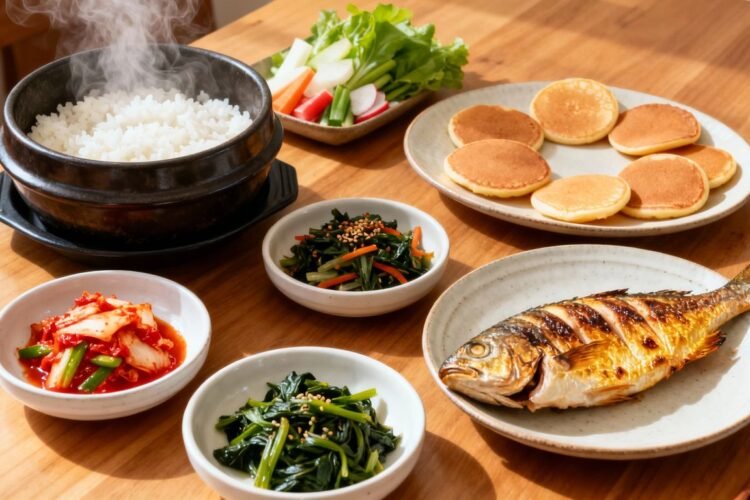
Thinking about what Koreans eat for breakfast? It’s not all kimchi and spicy stews, though those are great too. The Korean breakfast name often points to simple, comforting dishes that get your day started right. We’re talking about meals that feel like a warm hug, made with ingredients you can easily find. Let’s take a look at what makes a typical Korean morning meal so special.
Key Takeaways
- Korean breakfast, often referred to by its specific dish name, focuses on comforting and nourishing foods like rice porridge (juk) and steamed eggs (gyeran jjim).
- Dishes like egg drop soup (dalgyal-guk) and beef and radish soup (sogogi muguk) are common, offering simple yet flavorful starts to the day.
- Gimbap (seaweed rice rolls) is a popular, convenient, and versatile breakfast option, showcasing a blend of rice, vegetables, and protein.
Understanding the Korean Breakfast Name
A Glimpse into Traditional Morning Meals
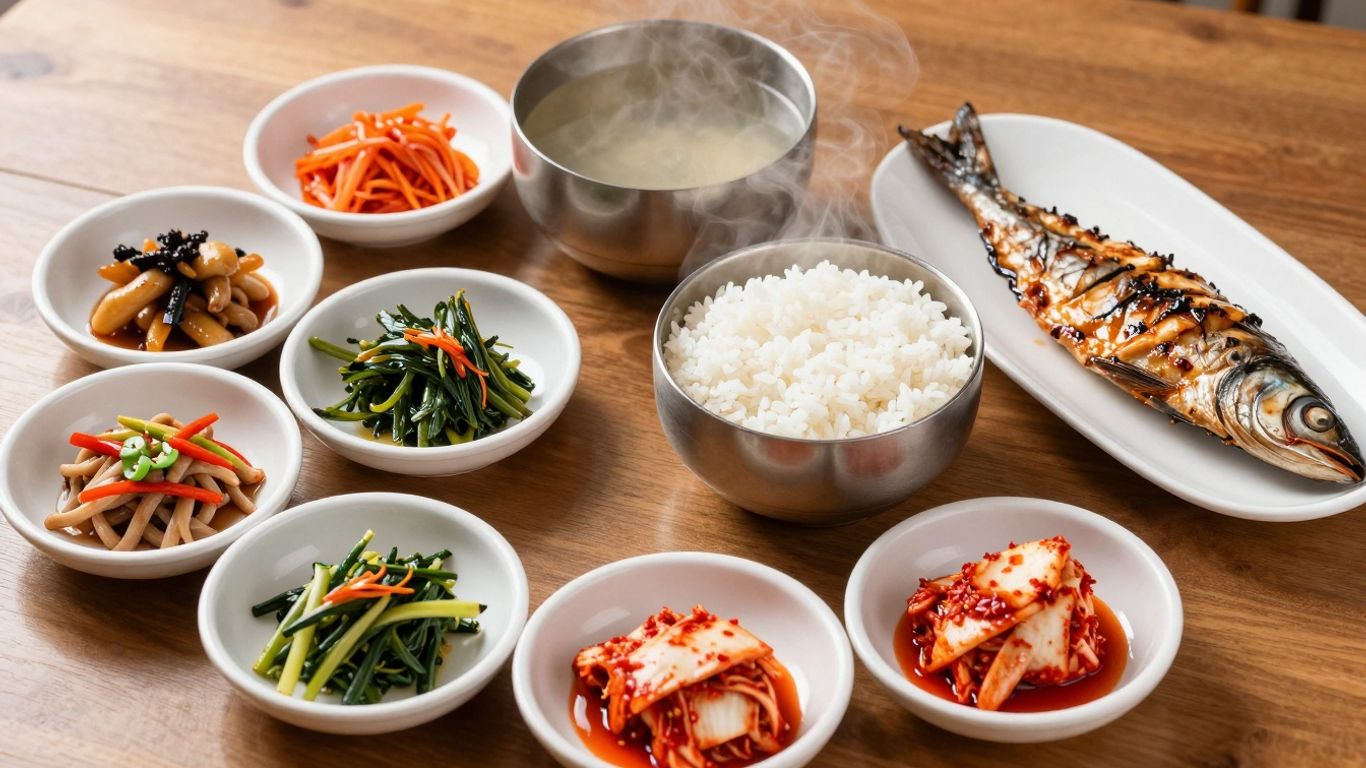
When you hear "Korean breakfast," what comes to mind? It’s not usually a stack of pancakes or a bowl of cereal. Korean mornings tend to start with meals that are hearty, savory, and packed with nutrients, often mirroring what might be served at lunch or dinner in other cultures. Think warm soups, rice dishes, and an assortment of side dishes called banchan. It’s a way to fuel up for the day that feels substantial and deeply rooted in tradition.
The Essence of a Korean Breakfast Name
So, what’s the deal with the names of these breakfast dishes? Often, they’re quite descriptive, telling you exactly what you’re getting. For instance, juk simply means porridge, and you’ll find many variations like miyeok juk (seaweed porridge) or pat juk (red bean porridge). Similarly, guk refers to soup, leading to names like dalgyal guk (egg soup) or sogogi muguk (beef and radish soup).
The naming convention in Korean cuisine is often straightforward, focusing on the main ingredients or the cooking method. This makes it easier to understand the dish even if you’re unfamiliar with it. It’s a culinary language that’s both practical and informative.
Other names might hint at the dish’s origin or a specific characteristic. Gyeran jjim, for example, translates to steamed egg, highlighting its preparation. Then there’s gimbap, a fun combination of gim (seaweed) and bap (rice), literally meaning seaweed rice.
Here’s a quick look at some common breakfast dish types and their names:
- Juk (죽): Porridge. Usually made with rice, but can include other grains or ingredients like vegetables, meat, or seafood. It’s a soft, comforting dish, often eaten when feeling unwell or for a light start.
- Guk (국): Soup. These are typically lighter broths, often served with rice. They can range from very simple, like egg drop soup, to more complex, like bone broth.
- Bap (밥): Cooked rice. While plain rice is a staple, bap also refers to mixed rice dishes or rice bowls.
- Banchan (반찬): Side dishes. A Korean breakfast isn’t complete without a few small plates of banchan, which can include kimchi, seasoned vegetables, stir-fried items, and more.
Understanding these basic terms helps demystify the Korean breakfast menu, giving you a better idea of what to expect on your plate.
Popular Korean Breakfast Dishes
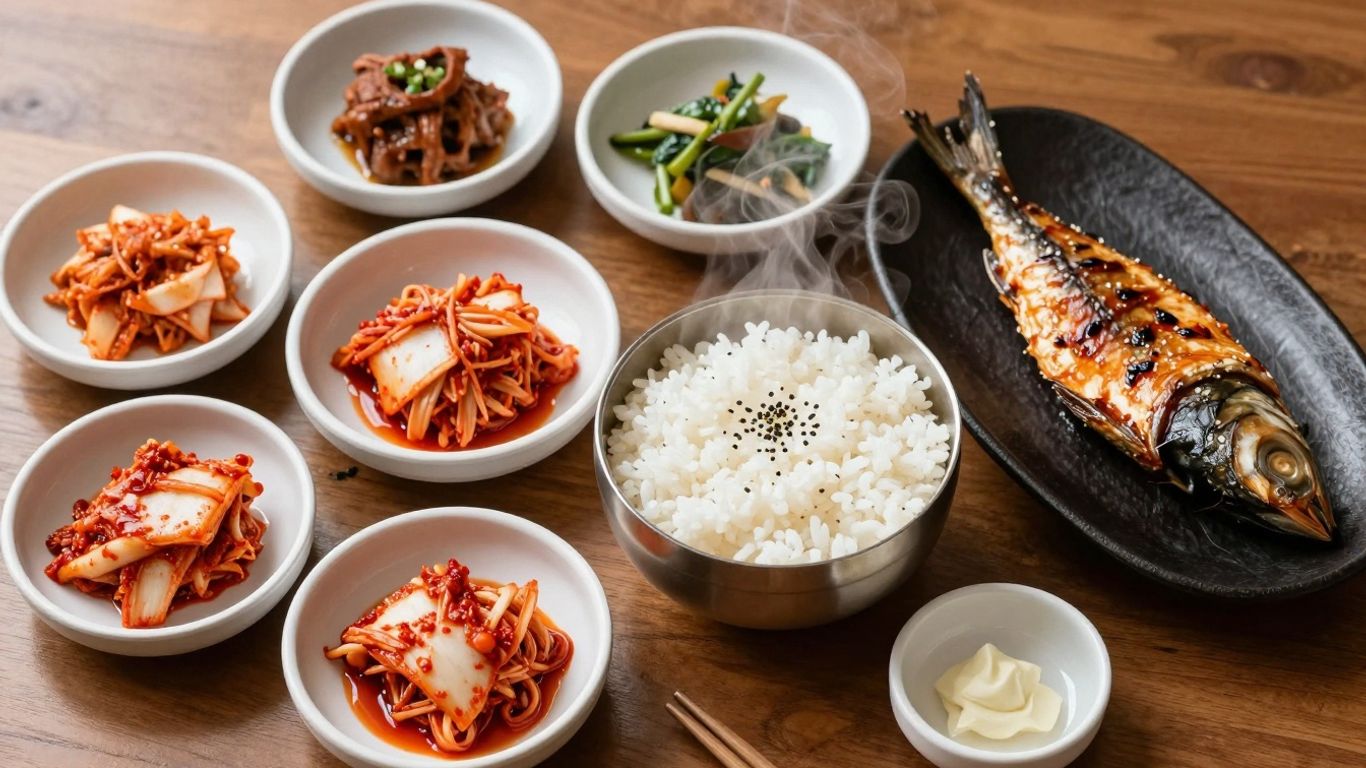
Korean breakfasts aren’t just about a quick bite; they’re a whole experience. Forget sugary cereals or plain toast. Here, mornings are about hearty, flavorful meals that set you up for the day. Think comforting porridges, savory egg dishes, and wholesome rolls. It’s a delicious way to start your morning, offering both nourishment and a taste of Korean culture.
Comforting Porridges and Soups
When you think of a warm, comforting start to the day, Korean porridges and soups often come to mind. These aren’t just for when you’re feeling under the weather; they’re a regular part of the morning routine for many.
- Juk (죽): This is the classic Korean porridge. It’s usually made with rice, but you can find variations with other grains or ingredients like vegetables, meat, or seafood. It’s soft, easy to digest, and incredibly filling. A simple plain juk is often served with a side of savory banchan (side dishes).
- Miyeok Guk (미역국): Known as seaweed soup, this dish is more than just a breakfast item. It’s traditionally eaten by new mothers for its rich nutrients and is also a common birthday meal. Made with seaweed, often with beef or seafood, it’s a savory and slightly briny soup that’s surprisingly satisfying.
- Dalgyal-guk (달걀국): This is a simple yet comforting egg soup. Beaten eggs are gently cooked in a light broth, creating a silky texture. It’s often seasoned with a bit of salt or soy sauce and garnished with green onions. It’s quick to make and perfect for a lighter, yet warm, breakfast.
- Sagol-guk (사골국): For a truly hearty start, this beef bone soup is a winner. It’s made by simmering beef bones for a long time, creating a rich, milky broth. It’s packed with nutrients and is incredibly warming, especially on a cooler morning.
These soups and porridges are often seasoned very simply, letting the natural flavors of the ingredients shine through. They are designed to be gentle on the stomach while providing sustained energy.
Savory Egg and Rice Creations
Eggs and rice are breakfast staples worldwide, but Koreans have their own delicious takes.
- Gyeran Jjim (계란찜): This is Korean steamed egg. It has a texture similar to a savory custard – soft, fluffy, and incredibly comforting. It’s usually made with eggs, water or broth, and sometimes a bit of scallion or salt. It’s a simple dish that highlights the delicate flavor of eggs.
- Ganjang Gyeran Bap (간장 계란밥): This is a super simple, yet incredibly popular, dish. It’s basically rice mixed with a fried egg (often with a runny yolk), a drizzle of soy sauce, and a bit of sesame oil. It’s the ultimate quick comfort food for busy mornings.
Hearty and Wholesome Rolls
When you need something a bit more substantial or portable, these rolls are the way to go.
- Gimbap (김밥): Often compared to sushi rolls, gimbap is quite different. Rice is seasoned and then rolled up in a sheet of seaweed (gim) with various fillings. These can include seasoned vegetables, egg, imitation crab, or even bulgogi. They are perfect for eating on the go or for a picnic.
| Filling Type | Common Ingredients |
|---|---|
| Vegetable | Spinach, carrots, pickled radish, burdock root |
| Protein | Egg, imitation crab, ham, beef, tuna salad |
| Other | Seasoned rice, sesame oil, sesame seeds |
Your Korean Breakfast Adventure Awaits
So, there you have it. Korean breakfast is way more than just a quick bite; it’s a whole experience. From comforting bowls of rice porridge to savory steamed eggs and hearty soups, there’s a whole world of flavors to explore. It’s pretty cool how these dishes aren’t just about filling your stomach but also about tradition and care. Whether you’re planning a trip or just looking to switch up your morning routine, giving these Korean breakfast staples a try is definitely worth it. You might just find your new favorite way to start the day.
Frequently Asked Questions
What makes Korean breakfast unique?
Korean breakfast often features warm, comforting dishes that are both healthy and flavorful. Unlike some Western breakfasts focused on sweet pastries or heavy meats, Korean morning meals tend to include rice, soups, porridges, and various side dishes that provide a balanced start to the day. It’s all about nourishing your body with tasty food.
Are Korean breakfast dishes always spicy?
Not at all! While Korea is known for spicy foods, breakfast dishes are usually milder. You’ll find comforting options like rice porridge (juk), steamed eggs (gyeran jjim), and mild soups. Even dishes with a bit of spice are often balanced with other flavors, making them enjoyable for most people.
Can I find Korean breakfast foods easily?
Yes, many Korean breakfast items are quite common. You can find them in Korean restaurants, home kitchens, and even some cafes. Dishes like gimbap (seaweed rice rolls) are also great for grab-and-go options, making them perfect for busy mornings or picnics.