
When you’re feeling under the weather, the last thing you want to worry about is what to eat. Your body needs nourishment, but sometimes your stomach feels a bit off. Finding the best breakfast when sick means looking for foods that are easy to digest, comforting, and packed with nutrients to help you feel better. Forget complicated recipes; we’re talking about simple, soothing options that can make a real difference. Let’s explore some ideas that might just be the perfect thing to get you back on your feet.
Key Takeaways
- Opt for simple, easily digestible foods like congee, broth, or toast when you’re feeling sick.
- Nutrient-rich options such as chicken soup, citrus fruits, and berries can help support your immune system.
- Warm beverages like herbal tea and incorporating ginger or turmeric can offer soothing relief and aid recovery.
1. Chicken Soup
Ah, chicken soup. It’s practically the official food of feeling under the weather, isn’t it? There’s just something about a warm bowl of it that feels like a hug from the inside. While the exact science behind why it helps is still a bit fuzzy, many people swear by it. It’s thought to have some anti-inflammatory effects, which could help your body fight off whatever bug you’ve caught. Plus, it’s a great way to get some much-needed fluids and nutrients when your appetite is MIA.
When you’re feeling rough, you need something that’s easy to digest and packed with good stuff. Chicken soup often ticks those boxes. You’ve got the protein from the chicken, vitamins from the veggies like carrots and celery, and the broth itself helps with hydration. It’s not just about the ingredients, though; it’s the whole experience. The steam rising from the bowl can help clear your sinuses, and the warmth is just plain comforting.
Here’s why it’s a go-to:
- Hydration: The broth is mostly water, keeping you hydrated.
- Nutrients: Chicken provides protein, and veggies add vitamins and minerals.
- Soothing: Warm liquids can be very calming for a sore throat.
- Electrolytes: It can help replenish electrolytes lost through sweating or other means.
Making chicken soup from scratch might seem like a lot of effort when you’re sick, but you can simplify it. Using a good quality store-bought broth and pre-cooked rotisserie chicken can save a lot of time. Focus on getting those veggies in there, though – they’re important!
It’s not just about the classic chicken noodle either. You can play around with it. Some people add tiny pasta shapes, others prefer it with rice. Whatever your preference, a simple, well-seasoned chicken soup is hard to beat when you’re not feeling your best.
2. Herbal Tea
When you’re feeling under the weather, a warm cup of herbal tea can be incredibly soothing. It’s not just about the warmth, though. Many herbal teas have properties that can actually help your body fight off whatever bug has decided to move in.
Different herbs offer different benefits:
- Chamomile: Known for its calming effect, chamomile can also help reduce inflammation and promote restful sleep, which is super important when you’re trying to recover.
- Peppermint: If your stomach is feeling a bit off, peppermint tea can be a lifesaver. It’s great for easing nausea and general digestive upset.
- Ginger: This one’s a powerhouse. Ginger tea can help fight off germs, reduce inflammation, and is particularly good at settling a queasy stomach.
Sipping on warm herbal tea can help thin mucus and soothe a sore throat. It’s a simple ritual that provides comfort and a little bit of healing, all in one mug.
The gentle heat from the tea can help relax your throat muscles and make swallowing less painful. Plus, the steam rising from the cup can help to open up your nasal passages a bit, making it easier to breathe when you’re all stuffed up.
It’s a good idea to keep a few different types of herbal tea on hand so you can pick the one that best suits how you’re feeling on any given day.
3. Honey
Honey is a sweet treat that can do more than just satisfy a craving. It’s known for its natural ability to soothe a sore throat and calm a cough. This sticky substance has antimicrobial and anti-inflammatory properties that can help reduce irritation in your throat and thin out mucus.
Some studies even suggest that honey might be more effective than certain over-the-counter cough medicines for children experiencing acute coughs. It’s a simple, natural remedy that can make a noticeable difference when you’re feeling under the weather.
- Soothes Sore Throats: Its thick consistency coats the throat, providing immediate relief from scratchiness and pain.
- Calms Coughs: Honey can help suppress the cough reflex, leading to more restful sleep.
- Natural Sweetener: Adds a pleasant taste to warm drinks like tea, making them more appealing when you’re sick.
Just a quick note: honey isn’t recommended for children under one year old due to the risk of infant botulism. Always use it in moderation as part of a balanced approach to feeling better.
4. Congee
When you’re feeling under the weather, a warm bowl of congee can be incredibly soothing. It’s basically a rice porridge, and it’s a staple comfort food in many Asian cultures, especially when someone is sick. Think of it as a blank canvas that’s super easy for your body to handle.
Making congee is pretty straightforward. You simmer rice with a lot more water than you would for regular rice, until it breaks down into a thick, creamy consistency. It doesn’t take a ton of active cooking, which is a big plus when you’re not feeling up to much.
Here’s a basic idea of how it comes together:
- Start with rice: White rice, like jasmine or short-grain, works best.
- Add liquid: Use a ratio of about 1 part rice to 8-10 parts liquid (water or broth).
- Simmer: Cook on low heat, stirring occasionally, until the rice is very soft and the mixture is thick.
The beauty of congee is its versatility. You can keep it super simple with just rice and water, or you can add things for flavor and extra nutrients. A little salt is usually a good start. Some people like to add a splash of soy sauce or a bit of white pepper. If you’re up for it, a drizzle of sesame oil or some chopped scallions can add a nice touch.
Congee is a gentle food that’s easy on the stomach. Its soft texture and warm temperature make it ideal for someone who might be experiencing nausea or has a sore throat. It provides hydration and some easily digestible carbohydrates to give you a little energy without being heavy.
It’s a dish that feels like a warm hug from the inside out, perfect for when you just need something gentle and nourishing.
5. Broth
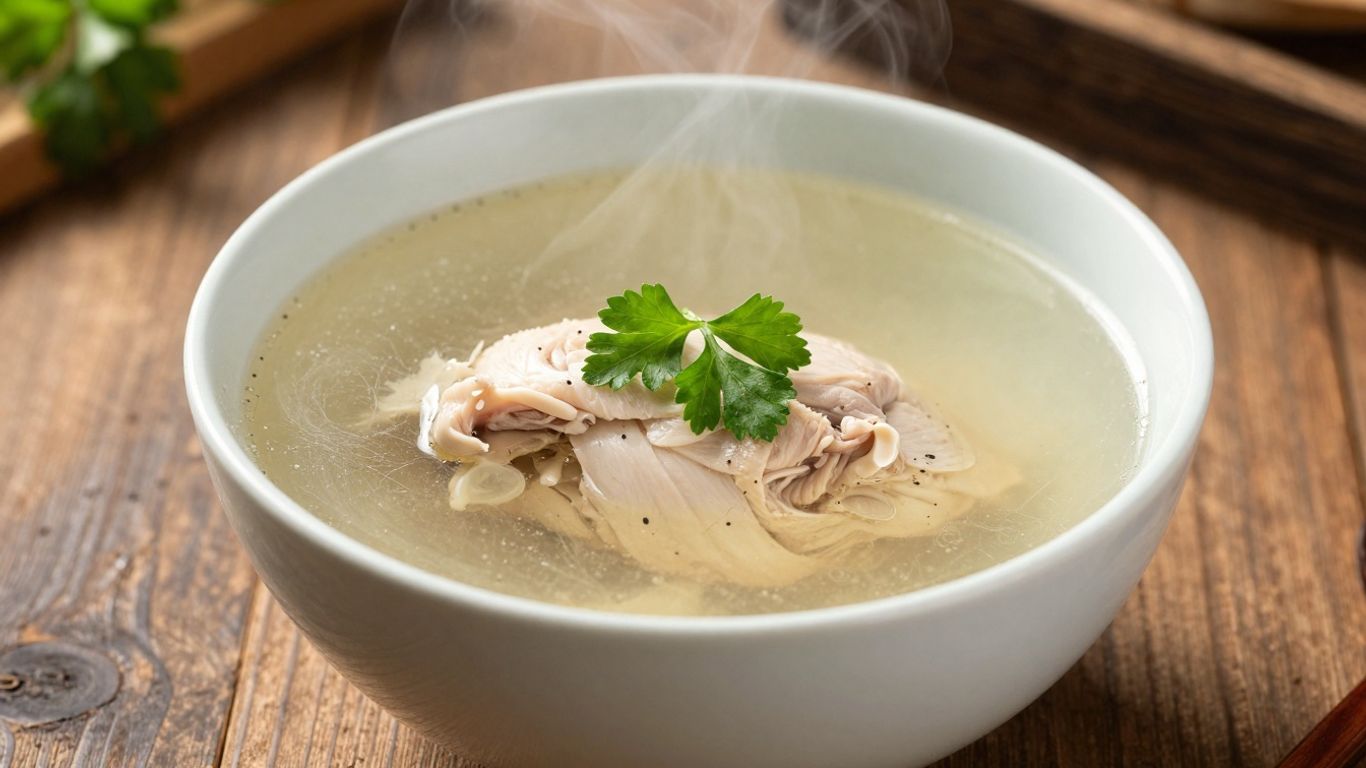
When you’re feeling under the weather, a warm mug of broth can be incredibly soothing. It’s not just about the warmth, though. Broth is packed with fluids, which are super important when you’re sick to stay hydrated. Plus, depending on what it’s made from, it can offer up vitamins, minerals, and even some antioxidants that help your body bounce back.
Think of it as a gentle way to get some nourishment without having to put in a lot of effort. It’s easy on the stomach, which is a big deal when your appetite is MIA.
Here’s why broth is a good choice:
- Hydration: Replenishes lost fluids.
- Nutrients: Can provide electrolytes and minerals.
- Soothing: The warmth can calm a sore throat and upset stomach.
- Easy to Digest: Gentle on your digestive system.
Whether it’s a simple chicken broth, a more complex bone broth, or even a vegetable-based one, the act of sipping something warm and savory can make a world of difference. It’s like a comforting hug in a bowl, helping you feel a little more human when you’re at your worst.
6. Citrus Fruits
When you’re feeling under the weather, reaching for something bright and zesty like oranges, grapefruits, or lemons can be a surprisingly good idea. These fruits are packed with vitamin C, a well-known immune system supporter. Vitamin C helps your body fight off infections by reducing something called oxidative stress. Think of oxidative stress as an imbalance in your body that can make you more vulnerable to getting sick.
While the exact amount can vary, a medium orange typically offers a good chunk of your daily vitamin C needs. It’s not just about fighting off illness, though. Some people find that the bright flavors can also lift their spirits a bit when they’re not feeling their best.
Here’s a quick look at what some common citrus fruits offer:
- Oranges: A classic choice, loaded with vitamin C and other helpful compounds.
- Grapefruit: Offers a tangy flavor and a good dose of vitamin C, plus some fiber.
- Lemons/Limes: While you might not eat them whole, adding their juice to water or tea can provide a vitamin C boost and a refreshing taste.
Adding citrus to your diet when you’re sick is a simple way to give your immune system a little extra support. The vitamin C can help your body recover more quickly and potentially shorten how long you feel unwell.
So, a glass of fresh orange juice or a warm cup of water with lemon and honey can be a comforting and beneficial addition to your sick-day menu.
7. Ginger
When you’re feeling under the weather, ginger can be a real lifesaver. It’s known for its ability to calm an upset stomach and reduce nausea, which is a big help when you can barely keep anything down. This spicy root has compounds that fight inflammation and can help ease aches and pains.
Ginger is super versatile. You can grate fresh ginger into hot water for a soothing tea, add it to soups, or even chew on a small piece if you’re brave enough. It’s also great in smoothies or mixed into oatmeal for a little kick.
Here are a few ways to get more ginger into your diet when you’re sick:
- Ginger Tea: Steep a few slices of fresh ginger in hot water for 5-10 minutes. Add a little honey for extra soothing power.
- Soups and Broths: Add a teaspoon of grated ginger to your chicken soup or vegetable broth.
- Smoothies: Blend a small piece of fresh ginger into your favorite fruit or vegetable smoothie.
- Oatmeal: Stir a bit of grated ginger into your morning oatmeal.
Ginger’s warming properties can also help you feel more comfortable overall, making it a go-to ingredient for many when they’re battling a cold or flu.
8. Turmeric
Turmeric is another spice that can really help when you’re feeling under the weather. It’s known for its bright yellow color and its active compound, curcumin. Curcumin has some pretty strong anti-inflammatory and antioxidant properties. This means it can help your body fight off the inflammation that often comes with colds and the flu, potentially speeding up your recovery.
While you can get turmeric from food, like in curries or a warm "golden milk" (which is basically milk mixed with turmeric and other spices), the amount of curcumin you get from food is usually pretty small. If you’re really looking to get the most benefit, especially when you’re sick, taking turmeric as a supplement might be a better bet. Just remember to chat with your doctor before starting any new supplements, especially if you’re on other medications or have health conditions.
Turmeric’s anti-inflammatory power can be a real ally when your body is battling an infection. It works to calm down the internal chaos that illness can cause, making it easier for your system to focus on healing.
Here’s a simple way to incorporate turmeric when you’re feeling unwell:
- Golden Milk: Mix warm milk (dairy or non-dairy) with a teaspoon of turmeric powder, a pinch of black pepper (which helps with absorption), and a little honey for sweetness. You can add other warming spices like cinnamon or ginger too.
- Soups and Stews: Stir a teaspoon of turmeric into broths, soups, or stews. It adds a nice color and a subtle earthy flavor.
- Smoothies: Blend a small amount of turmeric powder into your morning smoothie for an extra boost.
9. Yogurt
When you’re feeling under the weather, yogurt can be a surprisingly good choice. It’s packed with probiotics, which are those friendly bacteria that do wonders for your gut health. And guess what? A big chunk of your immune system actually lives in your gut, so keeping it happy is pretty important when you’re trying to get better. Plus, yogurt often comes with a nice dose of protein and vitamin D, both of which are helpful for your body when it’s fighting off whatever bug you’ve caught.
Yogurt is a simple way to get beneficial probiotics into your diet when you’re sick.
Here’s why it’s a good pick:
- Probiotics: Supports gut health, which is linked to immune function.
- Protein: Helps maintain your body’s needs during illness.
- Vitamin D: Contributes to a healthy immune response.
When choosing yogurt, plain varieties are often best. They tend to have less added sugar, which is usually a good thing when you’re not feeling your best. You can always add a little honey or some berries if you want some sweetness.
10. Berries
When you’re feeling under the weather, reaching for berries is a smart move. These little powerhouses are packed with antioxidants, which can help your body fight off whatever bug has decided to move in. Think of them as tiny shields for your immune system.
Berries like strawberries, blueberries, raspberries, and blackberries are great because they can help calm down inflammation that often comes with being sick. They’re also naturally sweet, making them a pleasant addition to your breakfast when your appetite might be a bit off.
Here’s why they’re a good choice:
- Antioxidant Boost: They help protect your cells from damage.
- Anti-inflammatory Properties: Can help reduce swelling and discomfort.
- Vitamins and Minerals: Offer a good dose of Vitamin C and other nutrients.
- Hydration: Their high water content contributes to staying hydrated.
Berries are a fantastic way to get some natural sweetness and important nutrients without being too heavy on your stomach. They can be easily incorporated into other breakfast items or enjoyed on their own.
Try adding a handful to your yogurt, oatmeal, or even blend them into a smoothie if you’re up for it. They’re a simple, tasty way to support your recovery.
11. Tomatoes
Tomatoes are a good choice when you’re feeling under the weather. They pack a decent amount of vitamin C and some antioxidants, which can help your body out. You can eat them in a few different ways, too.
- Raw: Slice them up for a simple snack or add them to a light salad.
- Cooked: Toss them into soups or stews for a bit of flavor and moisture.
- Sauce: Blend them into a simple sauce for pasta or to dip other foods into.
One cup of chopped tomatoes gives you about 27 percent of your daily vitamin C needs. That’s not a huge amount, but every little bit helps when you’re trying to get back on your feet.
Tomatoes are known for being anti-inflammatory. This means they might help calm down some of the internal irritation that comes with being sick. Plus, they’re pretty easy to digest for most people.
They’re a versatile ingredient that can add a bit of brightness and nutrition to your sick-day meals.
12. Spinach
When you’re feeling under the weather, getting enough nutrients can feel like a chore. That’s where spinach comes in handy. This leafy green is a powerhouse of vitamins and minerals that can help support your immune system. It’s pretty mild in flavor, especially when cooked, so it blends into dishes without being overpowering.
Spinach is packed with Vitamin A, Vitamin C, Vitamin K, folate, iron, and magnesium. These are all important for keeping your body functioning well, especially when it’s fighting off something.
Here are a few simple ways to get more spinach into your sick-day meals:
- Smoothies: Toss a handful into your morning smoothie. You won’t even taste it, but your body will thank you.
- Soups and Stews: Stir in a few handfuls of fresh spinach during the last few minutes of cooking. It wilts down quickly and adds a nice boost of green.
- Scrambled Eggs or Omelets: Mix some chopped spinach into your eggs before cooking. It adds color and nutrients without changing the texture too much.
- Pasta Dishes: Add it to your favorite pasta sauce or mix it into a simple pasta with olive oil and garlic.
Spinach is surprisingly versatile. You can add it to almost anything savory, from breakfast scrambles to dinner casseroles, and it’s a great way to sneak in some extra goodness when your appetite is low.
13. Broccoli
When you’re feeling under the weather, broccoli might not be the first thing that comes to mind, but it’s actually a pretty good choice. It’s packed with vitamin C, which is a big help for your immune system. Just one cup of chopped broccoli gives you about 90% of the daily recommended amount. Pretty impressive, right?
Beyond the vitamin C, broccoli also has something called sulforaphane. Some research suggests this compound might help shorten how long you feel sick with a cold. It’s like a little bonus boost from this green veggie.
Here’s why broccoli is a good idea when you’re not feeling your best:
- Vitamin C Powerhouse: Supports your immune cells and helps them do their job.
- Sulforaphane: May help reduce the duration of cold symptoms.
- Other Nutrients: It also contains other good stuff like vitamin K and fiber, which are generally good for your body.
While it might seem a bit bland on its own when you’re sick, try steaming it lightly or adding it to a soup. It’s a simple way to get some extra nutrients without much fuss.
14. Bananas
When you’re feeling under the weather, bananas are a fantastic choice for breakfast. They’re soft, easy to swallow, and gentle on your stomach, which is a big plus when you’re not feeling your best. Plus, they’re packed with nutrients that can help your body recover.
Bananas are a good source of potassium, an electrolyte that’s important for keeping your body’s fluid balance in check. When you’re sick, you can lose electrolytes through vomiting or diarrhea, so getting some potassium back in is helpful. They also provide vitamin B6, which plays a role in immune function, and some vitamin C.
- Easy to Digest: Their soft texture means less work for your digestive system.
- Energy Boost: They offer natural sugars for a quick energy lift without being too heavy.
- Nutrient-Rich: Packed with potassium and vitamins.
Because they’re so simple and bland, bananas are often recommended as part of the BRAT diet (Bananas, Rice, Applesauce, Toast) for upset stomachs. This diet is all about choosing foods that are easy on your gut and unlikely to make you feel worse.
You can eat a banana plain, mash it up, or even blend it into a smoothie if you have the energy. It’s a simple food that offers a lot of comfort and a good dose of what your body needs when it’s fighting off illness.
15. Rice
When you’re feeling under the weather, plain rice can be a real lifesaver. It’s super gentle on your stomach, which is exactly what you need when things feel a bit off. Think of it as a blank canvas for your taste buds, easy to digest and comforting.
It’s a go-to for a reason: simple, bland, and easy to get down.
Rice is a fantastic source of carbohydrates, giving you some much-needed energy without being too heavy. White rice is often recommended because it’s lower in fiber and easier for your body to break down when it’s not at its best. Brown rice has more fiber, which is great normally, but might be a bit much when you’re really sick.
Here’s why rice is a good choice:
- Easy Digestion: Its simple structure means less work for your digestive system.
- Energy Boost: Provides carbohydrates for fuel when you’re feeling drained.
- Versatile Base: Can be paired with other bland foods or eaten on its own.
Sometimes, the simplest foods are the most effective. When your body is working hard to fight off illness, giving it something easy to process like rice can make a big difference in how quickly you start to feel better. It’s not fancy, but it’s reliable.
If you’re up for it, you can add a little bit of salt for flavor, or even a tiny bit of butter if your stomach can handle it. Some people also find that a small amount of plain chicken broth mixed in can add a little something extra without being overwhelming. Just keep it simple and listen to your body.
16. Applesauce
When you’re feeling under the weather, sometimes the simplest things are the best. Applesauce fits that bill perfectly. It’s gentle on the stomach, easy to digest, and offers a bit of natural sweetness without being overwhelming. It’s a classic comfort food for a reason.
Making applesauce is pretty straightforward. You can use fresh apples, of course, but if you’re really not up to much, the store-bought kind is totally fine. Look for varieties without added sugar if you can, or just a plain, original flavor. It’s usually made by simmering peeled and cored apples with a little bit of water until they break down into a soft, mushy consistency. Sometimes cinnamon is added for a little extra warmth and flavor, which can be nice when you’re feeling chilled.
Here’s why it’s a good choice:
- Easy to Digest: The cooking process breaks down the apple’s fibers, making it easier for your body to handle.
- Hydrating: It contains water, which is important when you’re sick and might not be drinking enough.
- Gentle Sweetness: Provides a bit of energy from natural sugars without being too heavy.
- Versatile: You can eat it plain, or mix in a little cinnamon or even a tiny bit of ginger if you’re feeling up to it.
Applesauce is one of those foods that just feels soothing. It doesn’t require much chewing, and the soft texture is comforting. It’s a good way to get some nutrients in when your appetite is low.
17. Toast
Toast is one of those simple foods that can be a real lifesaver when you’re not feeling your best. It’s easy to digest, and you can top it with so many things to make it more appealing.
The beauty of toast lies in its versatility and blandness, which is often exactly what your stomach needs. When you’re sick, strong flavors or heavy foods can be too much. Toast provides a neutral base that’s gentle on your digestive system.
Here are a few ideas for making toast more comforting:
- Plain Toast: Sometimes, just plain, lightly toasted bread is all you can manage. White or whole wheat works, just make sure it’s not too dark or crispy.
- Butter Toast: A little bit of butter can add some much-needed calories and make it easier to swallow.
- Jam or Jelly Toast: A thin layer of your favorite jam or jelly can add a touch of sweetness and make it more palatable.
- Honey Toast: Honey is known for its soothing properties, especially for a sore throat. A drizzle of honey on toast is a classic sick-day remedy.
- Avocado Toast: If you can handle a bit more substance, mashed avocado on toast offers healthy fats and a creamy texture.
When you’re feeling under the weather, the goal is to get some easily digestible calories in without upsetting your stomach further. Toast fits this bill perfectly. It’s a blank canvas that can be adapted to whatever you can tolerate.
It’s also incredibly easy to prepare. Just pop a slice or two in the toaster, and you’re good to go. No complicated cooking required, which is a big plus when you have low energy.
18. Tuna

When you’re feeling under the weather, the thought of cooking might be too much. That’s where canned tuna can be a lifesaver. It’s a fantastic source of protein, which is super important for helping your body fight off whatever bug has decided to move in. Getting enough protein can really help with recovery.
A standard can of tuna (around 142 grams) packs a good punch with about 27 grams of protein. Plus, it offers a bit of vitamin D, which plays a role in how well your immune system works. It’s not a huge amount, but every little bit helps when you’re trying to get back on your feet.
Here’s a quick look at what a can of tuna offers:
- Protein: Around 27g – great for rebuilding and fighting infection.
- Vitamin D: About 8.5% of your daily value – supports immune function.
- Omega-3 Fatty Acids: Depending on the type, tuna can provide these helpful fats.
It’s so easy to just open a can and mix it with a little mayo or Greek yogurt for a quick tuna salad, or even just eat it straight if you’re really not up for much. It’s a simple, no-fuss option that still gives your body some of the nutrients it needs to heal.
Tuna is a convenient way to get quality protein when you don’t have the energy to prepare a more complex meal. It’s easy to digest and can be incorporated into simple dishes without much effort.
19. Wild Salmon
When you’re feeling under the weather, the thought of cooking might be too much. That’s where wild salmon comes in handy. It’s not just a tasty fish; it’s packed with nutrients that can help your body fight off whatever bug has you down.
Wild salmon is a fantastic source of omega-3 fatty acids, which are known for their anti-inflammatory properties. This can be super helpful when your body is dealing with the inflammation that often comes with being sick. Plus, it’s a good source of vitamin D. Getting enough vitamin D is important because it plays a role in how your immune system works and might even help reduce your chances of getting certain respiratory infections.
Here’s a quick look at what makes salmon a good choice:
- Omega-3 Fatty Acids: Helps calm inflammation.
- Vitamin D: Supports immune function.
- High-Quality Protein: Aids in recovery and keeps your strength up.
Preparing salmon doesn’t have to be complicated. A simple baked or pan-seared fillet can be incredibly satisfying and easy to digest, especially when you don’t have much of an appetite. Serve it with some plain rice or steamed vegetables for a complete, nourishing meal.
20. Sauerkraut
When you’re feeling under the weather, the thought of eating something with a strong flavor might not be the most appealing. But if you can manage it, sauerkraut is actually a pretty good choice. It’s a fermented food, which means it’s packed with probiotics. These little guys are good for your gut, and since a lot of your immune system lives in your gut, keeping it happy can help your body fight off whatever’s making you sick.
Sauerkraut also brings a good dose of antioxidants to the table. These can help your body deal with the stress that comes with being ill. Think of it as a little boost for your immune system when it needs it most.
- Probiotics: Supports gut health, which is linked to immune function.
- Antioxidants: Helps combat oxidative stress associated with illness.
- Nutrient Boost: Can add vitamins and minerals to your diet.
While the tangy taste might be a bit much for some when they’re sick, a small amount mixed into another dish, like on a sandwich or alongside some plain meat, can be manageable. It’s a way to get those beneficial compounds without overwhelming your senses.
It’s not the most common sick-day food, but don’t overlook it. A little bit can go a long way in supporting your recovery.
21. Overnight Oats
When you’re feeling under the weather, the last thing you want to do is stand over a hot stove. That’s where overnight oats come in. They’re super simple to prepare the night before, and you just grab them from the fridge in the morning. This makes them a lifesaver when you’re low on energy.
Basically, you mix rolled oats with a liquid – milk (dairy or non-dairy), yogurt, or even water – and let it sit in the fridge. The oats absorb the liquid, becoming soft and creamy without any cooking. It’s like magic, but tastier.
Here’s a basic rundown:
- Rolled Oats: The star of the show. Avoid instant oats; they get too mushy.
- Liquid: About a 1:1 ratio with the oats usually works, but you can adjust for your preferred thickness.
- Add-ins: This is where you can get creative. Chia seeds are a popular choice because they thicken the mixture and add fiber and omega-3s. You can also throw in some fruit, a little sweetener like honey or maple syrup, or even a pinch of cinnamon.
Why they’re great when you’re sick:
- Easy to Digest: Oats are gentle on the stomach.
- Nutrient-Dense: You can pack them with goodness like fruits and seeds.
- No Cooking Required: Perfect for when you have zero motivation.
You can prep a few jars at once for grab-and-go breakfasts throughout the week. Just make sure they’re sealed well in the fridge.
Think of them as a blank canvas. You can add peaches, berries, or even a touch of apple pie spice. They’re filling without being heavy, which is exactly what you need when your body is fighting something off.
22. Egg Bites
When you’re feeling under the weather, the last thing you want is a complicated breakfast. That’s where egg bites come in handy. They’re like mini, portable frittatas, and honestly, they’re pretty darn easy to whip up. These little powerhouses are packed with protein and can be customized with whatever veggies you have lying around.
Think of them as a blank canvas for your favorite healthy additions. You can throw in some chopped spinach, bell peppers, mushrooms, or even some leftover cooked chicken or turkey. Cheese is always a good idea, too – a little bit of cheddar or feta can go a long way.
Here’s a basic idea of how you can make them:
- Whisk together a few eggs with a splash of milk or cream.
- Stir in your chosen fillings like finely chopped vegetables or cooked meats.
- Pour the mixture into a greased muffin tin.
- Bake until they’re set and slightly golden.
They’re great because you can make a batch ahead of time and just grab one or two when you need a quick, nourishing bite. They don’t require much chewing, which is a bonus when your throat is sore.
Egg bites are a fantastic way to get some protein and nutrients without a lot of fuss. They’re gentle on the stomach and can be adapted to suit your taste preferences, making them a reliable go-to when you’re not feeling your best.
23. Pancakes
When you’re feeling under the weather, the thought of cooking might seem like a lot. But what if you could have something comforting and a little bit special without much fuss? Pancakes fit the bill.
They’re soft, easy to digest, and can be customized to your liking. Think of them as a warm hug in food form. You can make them from scratch with simple ingredients you likely already have, or even use a mix if you’re really low on energy.
When you’re sick, you want things that are gentle on your stomach. Pancakes, especially when made with basic ingredients like flour, milk (or a dairy-free alternative), eggs, and a touch of sweetener, are usually pretty easy to handle. They provide some carbohydrates for energy, which is important when your body is fighting off illness.
Here are a few ideas for making your sick-day pancakes even better:
- Keep it simple: Stick to a basic recipe. Avoid heavy additions like chocolate chips or nuts.
- Softer toppings: Instead of crunchy granola, try a drizzle of honey or a spoonful of applesauce.
- Gentle flavors: A hint of vanilla extract is nice, but avoid strong spices like cinnamon if they might irritate your throat.
Making pancakes when you’re sick is about comfort and ease. It’s a way to get a little bit of nourishment and a treat without demanding too much from your already tired body. Plus, the smell of them cooking can be quite cheering.
If you’re looking for something a bit different, you could try buckwheat pancakes. They have a slightly earthier flavor and can be a good source of fiber. Just remember to keep the toppings light and soothing.
24. Quinoa Breakfast Bowl
When you’re feeling under the weather, a warm and hearty breakfast can be incredibly comforting. A quinoa breakfast bowl fits the bill perfectly. Quinoa itself is a complete protein, meaning it has all nine essential amino acids your body needs, which can be really helpful when you’re recovering.
This bowl is super customizable, making it ideal when your appetite is a bit unpredictable. You can keep it simple or load it up with whatever sounds good.
Here’s a basic idea for putting one together:
- Cooked Quinoa: Start with a base of warm, fluffy quinoa. It’s gentle on the stomach and provides sustained energy.
- Toppings: Think about what you can manage. Sliced bananas are easy to digest and add natural sweetness. A spoonful of almond butter can add healthy fats and a bit more protein. A sprinkle of cinnamon adds warmth and flavor without being overwhelming.
- Optional Add-ins: If you’re up for it, a few berries can add a touch of tartness and vitamins, or a drizzle of honey can be soothing for a sore throat.
Making a quinoa breakfast bowl is a straightforward way to get some good nutrition into your system when you’re not feeling your best. It’s warm, filling, and you can adjust the ingredients based on how you feel that morning. Plus, it’s a nice change from plain toast or soup.
It’s a good idea to warm the almond butter slightly before drizzling it over the top; it makes it easier to eat and adds a nice texture. You can also swap out the almond butter for another nut butter if you prefer, or even just a little bit of maple syrup if that’s all you can handle.
25. Acai Bowl and more
When you’re feeling under the weather, sometimes a cold, refreshing acai bowl can hit the spot. It’s a great way to get some nutrients in without feeling too heavy. The base is usually made from frozen acai puree, which has a slightly tart flavor. To make it more palatable, it’s often blended with other fruits like bananas and berries, plus a liquid like coconut water or almond milk. This helps to balance out the tartness and makes it easier to swallow.
The beauty of an acai bowl is its versatility, especially when you’re not feeling 100%. You can customize the toppings to suit your needs. Think soft fruits that are easy to digest, like sliced bananas or a few extra berries. If you’re up for it, a sprinkle of granola can add a bit of texture, but keep it light. Some people even add a drizzle of honey for a little extra sweetness and its soothing properties.
Beyond acai bowls, think about other blended options. Smoothies are fantastic when you’re sick. You can pack them with spinach for vitamins, banana for potassium and creaminess, and a touch of honey. It’s a simple way to get a lot of good stuff into your system without much effort.
When you’re sick, the goal is to get nourishment in a way that’s easy on your stomach and provides your body with what it needs to recover. Blended fruits and nutrient-rich bases like acai or yogurt can be a good starting point.
Here are a few ideas for toppings and additions:
- Sliced banana
- Fresh berries (like blueberries or raspberries)
- A small amount of granola
- A drizzle of honey
- A spoonful of chia seeds
Feeling Better Soon
So, when you’re feeling under the weather, remember that what you eat can really make a difference. Simple things like warm broths, easy-to-digest grains, and fruits packed with vitamins can help your body get back on its feet. Don’t push yourself too hard, just focus on gentle, nourishing foods that feel good. Hopefully, these ideas give you a good starting point for comforting yourself back to health. Get well soon!
Frequently Asked Questions
What’s the best kind of food to eat when I’m sick?
When you’re feeling under the weather, it’s best to stick to foods that are easy to digest and won’t upset your stomach further. Think simple things like clear broths, plain rice, toast, bananas, or applesauce. These foods provide nutrients and hydration without being too heavy. It’s also great to include foods rich in vitamins, like fruits and vegetables, to help your body fight off illness.
Are there any drinks that can help me feel better?
Yes, staying hydrated is super important when you’re sick! Warm liquids can be especially soothing. Herbal teas, like chamomile or ginger tea, are excellent choices. They can help calm your throat and ease nausea. Plain water is always good, and so is clear broth, which can also give you some electrolytes.
How long should I stick to ‘sick foods’?
You should eat these simpler, comforting foods as long as you’re experiencing symptoms like nausea, vomiting, or diarrhea. Once you start feeling better and your appetite returns, you can gradually reintroduce more complex foods. Listen to your body – it will usually tell you when it’s ready for more variety.