Tired of the same old breakfast? Indian food has so many tasty and fast options that can really make your morning better. You can get the energy you need to start your day with these dishes. This article will show you some great traditional Indian breakfast recipes that are simple to make and full of flavor. Get ready to look forward to your first meal!
Key Takeaways
- Indian breakfasts offer a wide range of delicious and quick options beyond typical cereal.
- Each region in India has unique breakfast specialties, showcasing the country’s diverse culinary traditions.
- Many traditional Indian breakfast recipes are simple to prepare, making them suitable for busy mornings.
Exploring South Indian Breakfast Delights
When you think of South Indian breakfast, a few iconic dishes probably come to mind. These aren’t just meals; they’re a way of life, deeply ingrained in the culture and daily routines of millions. Unlike the wheat-heavy breakfasts common in North India, South Indian mornings often revolve around rice and lentils, prepared in ways that are both comforting and surprisingly light. The magic lies in the fermentation process, which not only adds a unique tang but also makes these dishes easier to digest and packed with good bacteria for your gut.
Idli and Sambar: A Steamed South Indian Staple
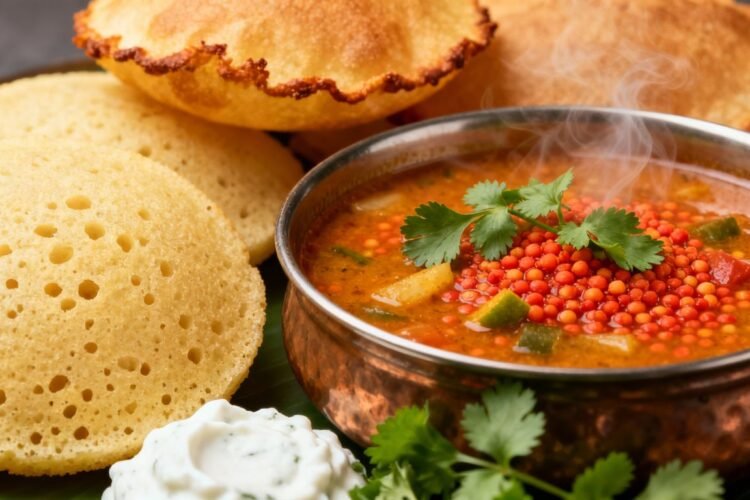
Idli is perhaps the most recognizable South Indian breakfast. These soft, fluffy steamed cakes are made from a fermented batter of rice and urad dal (black gram lentils). The batter is poured into special molds and steamed until perfectly cooked. They have a subtle, slightly sour taste from the fermentation, making them a perfect canvas for flavorful accompaniments.
Sambar, a hearty lentil and vegetable stew, is the classic partner for idli. It’s a complex dish, simmered with a blend of spices, tamarind for tanginess, and various vegetables like drumsticks, okra, and tomatoes. The combination of the soft idli and the spicy, tangy sambar is truly satisfying.
- Batter Preparation: Rice and urad dal are soaked separately, ground into a smooth batter, and then fermented for several hours or overnight.
- Steaming: The fermented batter is poured into idli molds and steamed until light and airy.
- Serving: Idlis are typically served hot with sambar and a side of coconut chutney.
While idlis are primarily carb-based, the fermentation process is a big plus for gut health. They are also steamed, meaning they’re not fried, making them a lighter option compared to many other breakfast choices.
Dosa: Crispy Crepes for a Flavorful Start
Dosa is another beloved South Indian breakfast, and it’s essentially a thin, crispy crepe made from the same fermented rice and lentil batter as idli, but cooked differently. The batter is spread thinly on a hot griddle and cooked until golden brown and crisp. There are many variations, from the plain dosa to those stuffed with spiced potatoes (masala dosa).
- Types of Dosa:
- Plain Dosa: A simple, crispy crepe.
- Masala Dosa: Filled with a savory spiced potato mixture.
- Rava Dosa: Made with semolina, resulting in a lacy, crisp texture.
- Pesarattu: A green gram (moong dal) dosa, often considered a healthier alternative.
Dosas are usually served with sambar and various chutneys, most commonly coconut chutney. The contrast between the crispy dosa and the soft accompaniments is what makes it so special. It’s a breakfast that feels both indulgent and wholesome.
North Indian Breakfast Traditions
When you think of North Indian breakfasts, a few things probably come to mind, and for good reason. This part of India has some seriously satisfying morning meals that are hearty and full of flavor. Forget about bland cereal; we’re talking about dishes that really stick with you and get your day going.
Paratha: Versatile Flatbreads for Every Palate
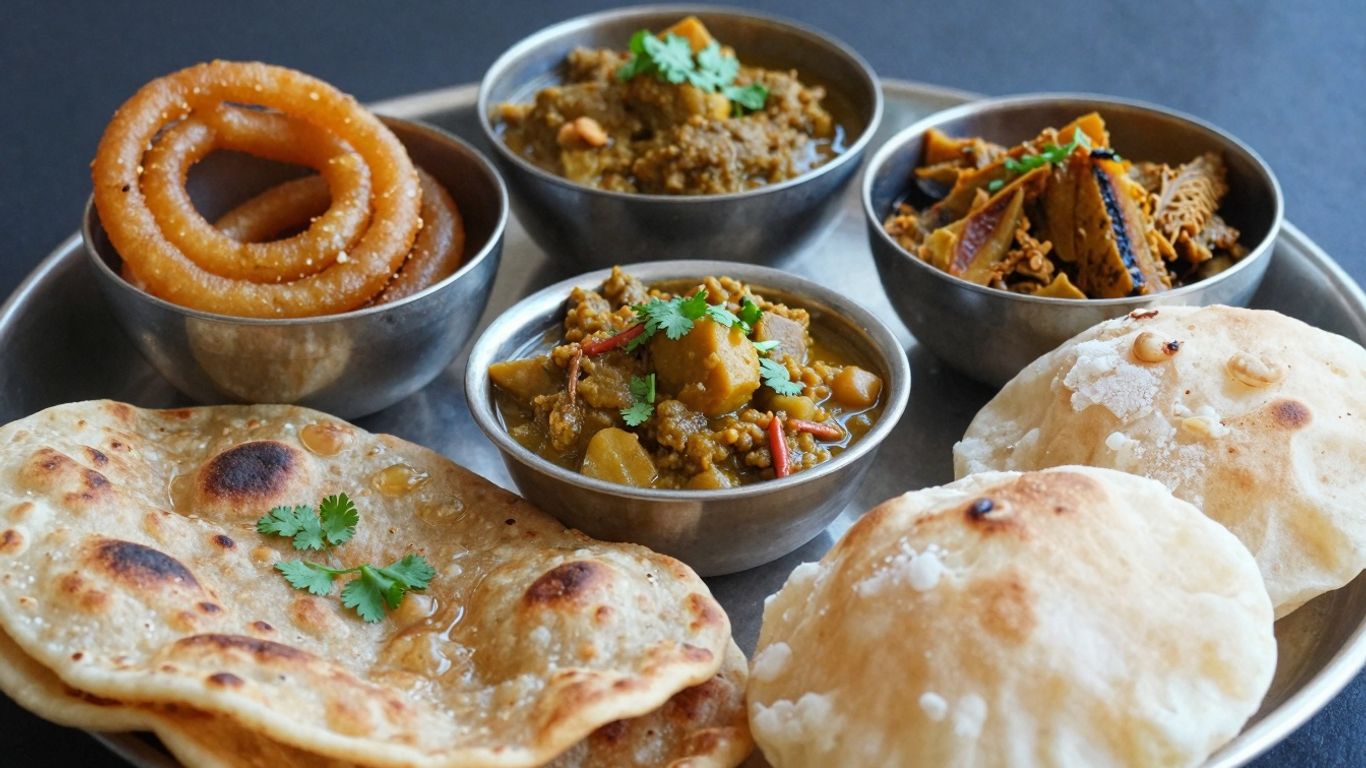
Parathas are a staple, and honestly, they’re amazing because you can do so much with them. At its core, a paratha is a simple unleavened flatbread made from whole wheat flour, water, and a bit of salt. It’s usually cooked on a griddle with some ghee or oil until it’s golden brown and a little crispy. But the real magic happens when you start stuffing them.
- Aloo Paratha: Filled with spiced mashed potatoes. This is probably the most famous one.
- Paneer Paratha: Packed with crumbled Indian cottage cheese, often mixed with herbs and spices.
- Gobi Paratha: Stuffed with finely chopped and spiced cauliflower.
- Mooli Paratha: Filled with grated and spiced radish.
These aren’t just breakfast items; they can be a whole meal. They’re often served with a dollop of yogurt, some pickle, or even a side of butter. The texture can range from soft and flaky to slightly crisp, depending on how it’s cooked and the filling.
The beauty of a paratha lies in its adaptability. Whether you prefer a simple, plain version or a generously stuffed one, it always manages to hit the spot. It’s comfort food that’s also incredibly practical for a busy morning.
Poha: Flattened Rice for a Quick and Tasty Meal
Poha is another breakfast champion, especially when you need something quick but still delicious. It’s made from flattened rice, which is basically rice that’s been parboiled, rolled, and then dried. When you cook it, it becomes soft and fluffy.
The most common way to prepare poha is by tempering mustard seeds, curry leaves, and sometimes onions and chilies in oil. Then, the washed poha is added along with turmeric for that signature yellow color, a bit of sugar for balance, and lemon juice for tang. Peanuts are often added for a nice crunch.
Here’s a quick look at how it comes together:
- Rinse the poha gently.
- Sauté aromatics like mustard seeds, cumin, and curry leaves.
- Add onions, green chilies, and sometimes peas or potatoes.
- Stir in the poha with turmeric, salt, and a touch of sugar.
- Finish with lemon juice and fresh cilantro.
It’s light, flavorful, and surprisingly filling. You can also find variations where poha is served alongside sweet jalebis, creating a popular sweet and savory combination in some regions.
Regional Indian Breakfast Specialties
India’s breakfast scene is incredibly diverse, and beyond the well-known South and North Indian staples, there are some truly unique regional dishes that deserve a spotlight. These aren’t just meals; they’re a taste of local culture, often using ingredients that are abundant in their specific areas.
Puttu: Kerala’s Steamed Rice and Coconut Cake
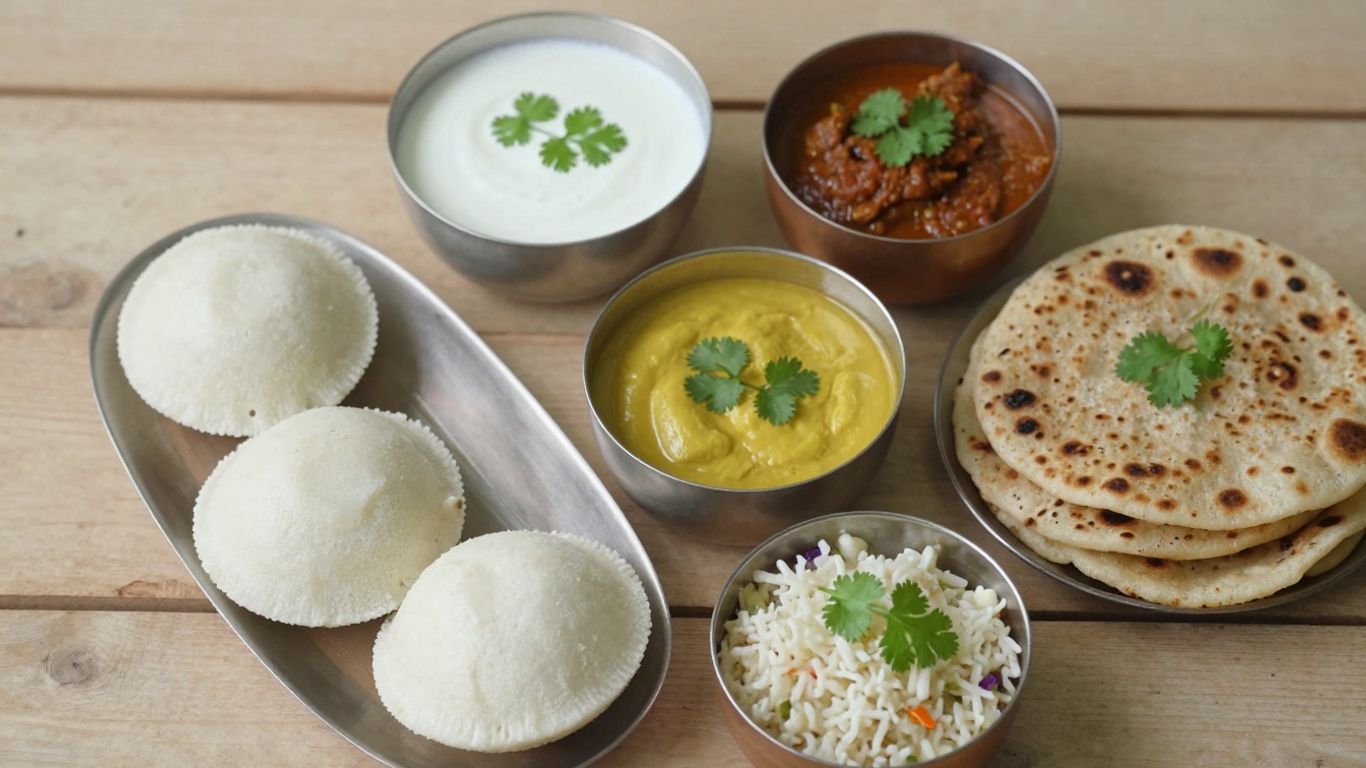
Puttu is a classic from Kerala, a state in the southern part of India. It’s made from ground rice and fresh coconut, steamed into a cylindrical shape. Think of it as a savory, fluffy cake. The texture is wonderfully soft, and the subtle sweetness from the coconut is just lovely. It’s traditionally served with a spicy chickpea curry, known as kadala curry, which provides a nice contrast in flavor and texture. Sometimes, people also enjoy it with banana or a sweet coconut milk. It’s a light yet satisfying way to start the day, and it feels pretty healthy too.
The simple combination of rice and coconut makes Puttu a staple in many Keralite households.
Here’s a quick look at how it’s typically prepared:
- Ingredients: Ground rice flour, grated fresh coconut, water, and salt.
- Preparation: The rice flour and coconut are mixed with a little water and salt to form a crumbly mixture. This mixture is then layered in a special steamer, often a metal cylinder with a perforated base, with more coconut in between.
- Steaming: The cylinder is placed over a pot of boiling water, and the puttu is steamed until cooked through, usually for about 10-15 minutes.
- Serving: Once done, the steamed cylinder is inverted onto a plate, revealing the perfectly formed puttu. It’s then served hot with accompaniments.
Aloo Gutke: Uttarakhand’s Potato Delight
Moving to the northern state of Uttarakhand, we find Aloo Gutke. This dish is a testament to how simple ingredients can create something incredibly flavorful. It’s essentially a preparation of boiled potatoes, seasoned with a blend of spices. The potatoes are usually cut into bite-sized pieces and then tossed with a mixture that often includes mustard oil, cumin seeds, coriander, and sometimes ginger and garlic. It’s a hearty and warming dish, perfect for the cooler climate of the region. It’s often served with a side of spicy chutney or even with plain roti.
Aloo Gutke is a fantastic example of comfort food from the hills. It’s straightforward, uses readily available ingredients, and delivers a punch of flavor that’s both rustic and delicious. It really shows how potatoes can be the star of a breakfast dish.
What makes Aloo Gutke special:
- Flavor Profile: Savory, slightly spicy, with aromatic notes from the spices.
- Key Ingredients: Boiled potatoes, mustard oil, cumin seeds, coriander leaves, green chilies (optional), ginger, garlic.
- Preparation Style: Potatoes are typically boiled, then pan-fried or tossed with tempered spices and herbs.
- Serving Suggestions: Often paired with roti, puri, or a spicy chutney for a complete meal.
Start Your Day the Delicious Indian Way
So there you have it – a peek into the amazing world of Indian breakfasts. We’ve seen how diverse and flavorful these morning meals can be, from the fluffy idlis of the south to the hearty parathas from other regions. It’s more than just food; it’s a way to connect with culture and start your day with something truly special. Whether you’re traveling or just want to shake up your routine at home, give these traditional recipes a try. You might just find your new favorite way to wake up. Let us know in the comments which ones you’re excited to make!
Frequently Asked Questions
What makes Indian breakfasts so special?
Indian breakfasts are amazing because each part of India has its own unique dishes! It’s not just one type of food. They use different grains, spices, and cooking methods, making each meal a tasty adventure. Plus, they’re often packed with flavor and good for you, giving you energy for the whole day.
Are Indian breakfasts hard to make?
Not at all! While some dishes might seem fancy, many traditional Indian breakfasts are surprisingly simple. Things like poha (flattened rice) or simple parathas can be made quickly. Many recipes are designed to be easy, even if you’re new to cooking.
Can I try these recipes at home even if I don’t live in India?
Absolutely! The beauty of these recipes is that you can make them anywhere. Most ingredients are easy to find in grocery stores, and you can bring the authentic taste of India right into your own kitchen. It’s a fun way to explore a new culture through food.