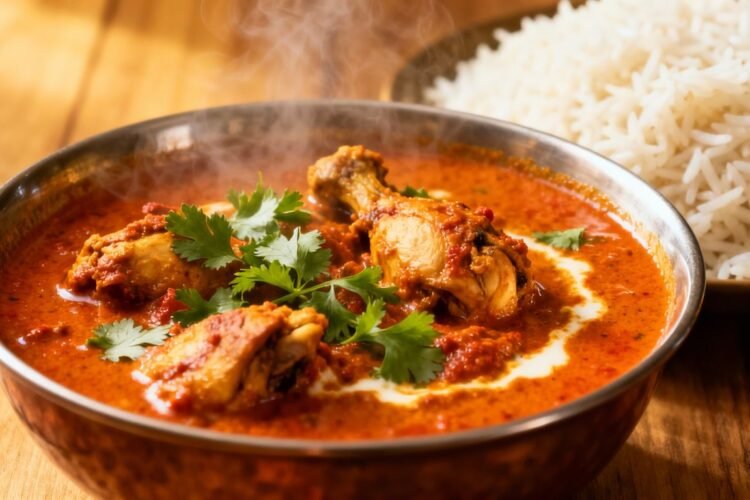
Ever wanted to make a chicken curry that tastes like it came straight from a favorite Indian restaurant? It’s totally doable, even if you’re just starting out. This recipe focuses on getting that authentic taste without a ton of complicated steps. We’ll walk through how to get tender chicken and a rich, flavorful sauce that’ll make you feel like a pro chef in your own kitchen. Get ready to impress yourself and anyone you cook for with this amazing chicken curry recipe in Indian style.
Key Takeaways
- The foundation of a great chicken curry recipe in Indian style relies on a well-made onion-tomato masala base, often developed through slow cooking.
- Marinating the chicken, usually with yogurt and spices, is key to achieving tender, flavorful meat that absorbs the sauce beautifully.
- Using a balance of fresh ginger, garlic, and a blend of ground spices like cumin, coriander, and garam masala is what gives the dish its signature aromatic depth.
Crafting An Authentic Indian Style Chicken Curry Recipe
Understanding The Core Components Of Indian Chicken Curry
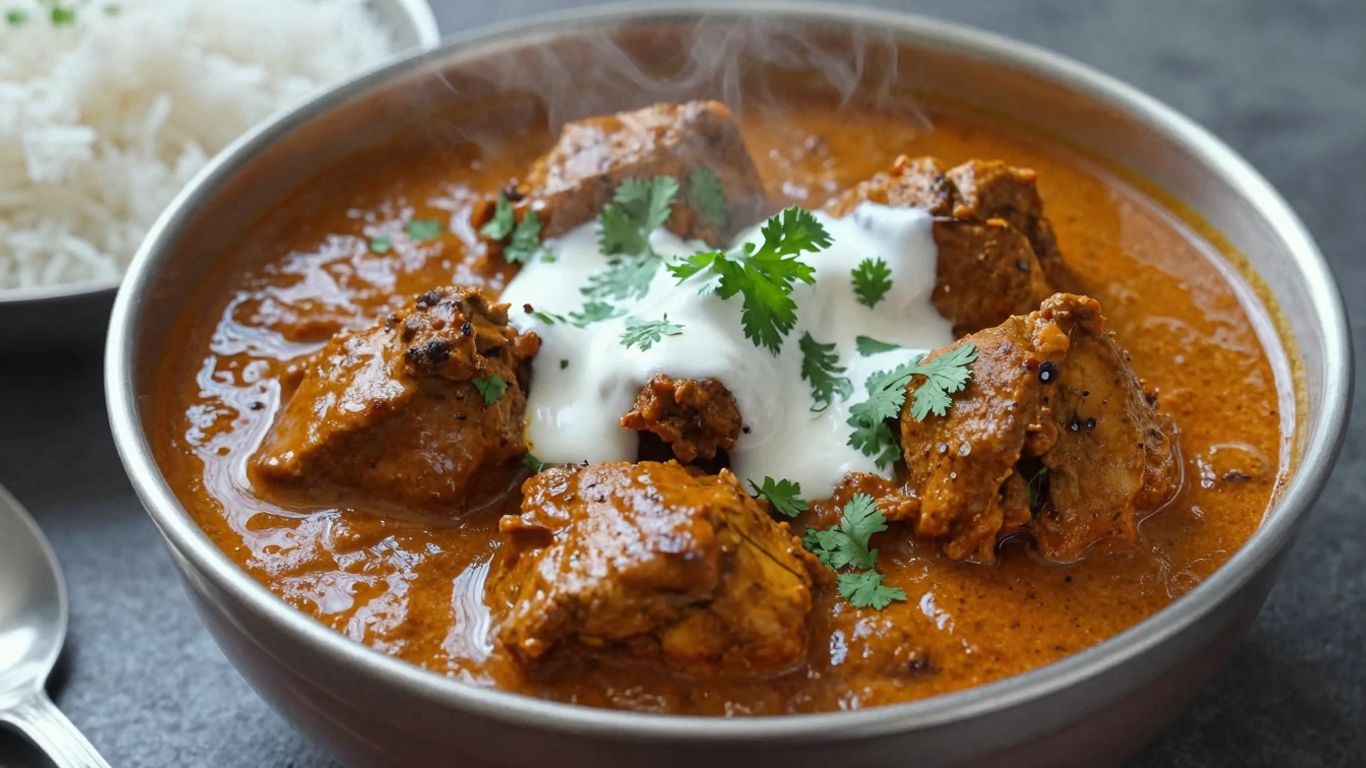
Making a truly authentic Indian chicken curry is less about following a rigid set of rules and more about understanding the building blocks that give it its signature taste and texture. At its heart, a good curry relies on a few key elements working together. First, there’s the base, usually built from finely cooked onions and tomatoes, which forms the foundation of the sauce. Then comes the chicken, often bone-in for deeper flavor, which needs to be cooked just right so it’s tender. Spices are, of course, incredibly important – not just a sprinkle, but a carefully balanced blend that gets bloomed to release their full aroma. Finally, the cooking technique itself plays a big role, with stages like searing the chicken and simmering the sauce to let all those flavors meld together. It’s this combination of fresh ingredients and thoughtful preparation that makes all the difference.
Key Ingredients For A Flavorful Chicken Curry
To get that genuine taste, you’ll want to gather some specific ingredients. Forget pre-made pastes; fresh is best here.
- Aromatics: Fresh ginger and garlic, usually made into a paste, are non-negotiable. They form the fragrant backbone of most Indian dishes.
- The Base: Finely chopped or puréed onions and tomatoes are what create the rich, thick sauce. Using a food processor can help get the right consistency, making sure they melt into the gravy rather than staying chunky.
- Spices: This is where the magic happens. You’ll typically need ground turmeric, coriander, cumin, and red chili powder for heat. Whole spices like cumin seeds and mustard seeds are often bloomed in oil at the start to add another layer of flavor.
- The Chicken: While boneless pieces work, bone-in chicken, especially thighs and drumsticks, adds a richer depth of flavor to the curry.
- Fat: Don’t shy away from oil! A decent amount is needed to properly sauté the onions and tomatoes and to help bloom the spices. You’ll often see a thin layer of oil on top of a well-made curry, which is a sign of good cooking.
The goal is to build layers of flavor. Start with aromatics, add spices, cook down the tomatoes until the oil separates, and then let everything simmer together. This slow build-up is what gives the curry its complex taste.
| Ingredient | Typical Form | Purpose |
|---|---|---|
| Ginger & Garlic | Paste | Aromatic base |
| Onions & Tomatoes | Finely Chopped/Puréed | Sauce base, sweetness, body |
| Spices (Ground) | Powder | Flavor, color, heat |
| Spices (Whole) | Seeds | Initial aroma, depth |
| Chicken | Bone-in pieces | Juiciness, richer flavor |
| Oil | Liquid | Sautéing, blooming spices, flavor carrier |
Mastering The Art Of Indian Chicken Curry Preparation
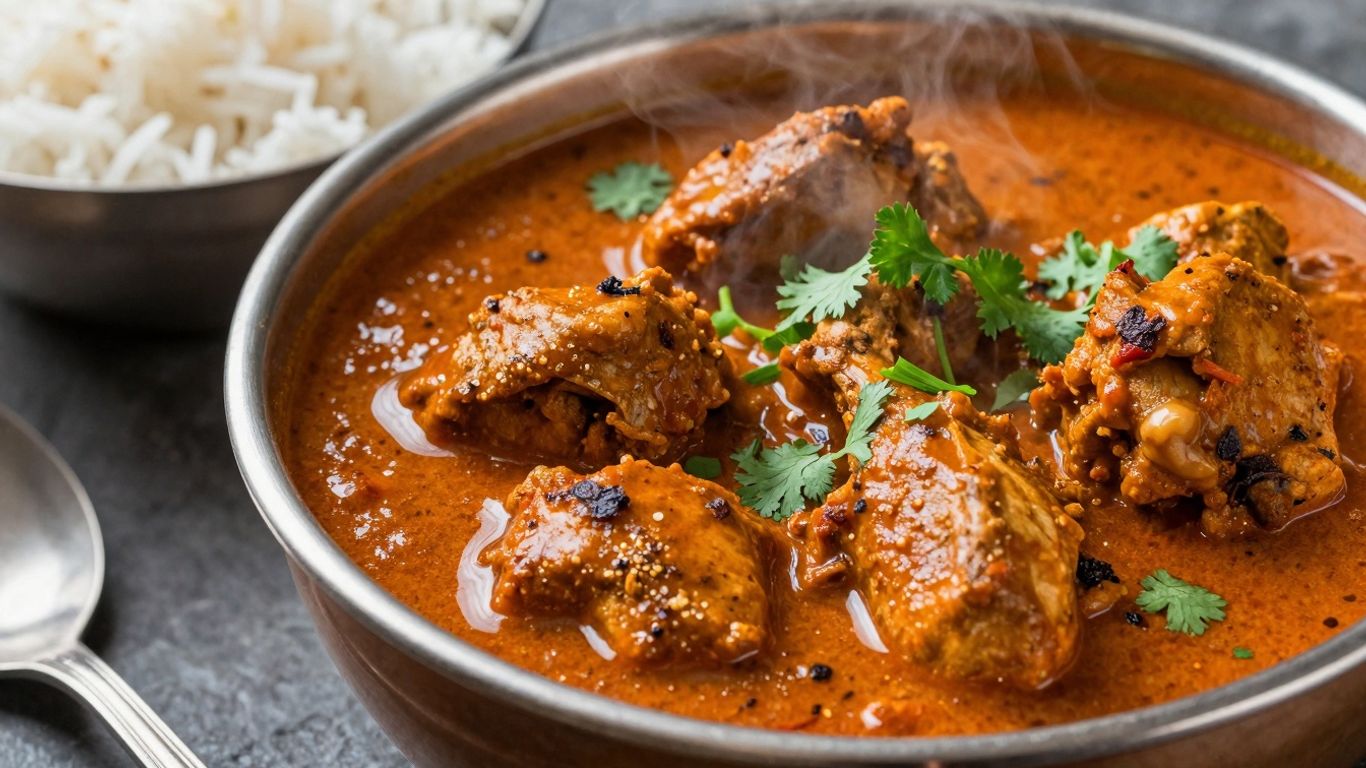
Making a truly authentic Indian chicken curry is less about following a strict recipe and more about understanding the rhythm of the cooking process. It’s a journey that involves patience and a bit of intuition, transforming simple ingredients into something special. Let’s break down the key steps to get you there.
The Marination Process For Tender Chicken
Marinating the chicken is where the magic really begins. It’s not just about adding flavor; it’s about tenderizing the meat so it practically melts in your mouth. A good marinade usually involves yogurt, which has lactic acid that helps break down the chicken fibers. Mix this with aromatics like ginger-garlic paste and a selection of spices – turmeric for color, red chili powder for a little kick, and garam masala for warmth. Don’t forget salt! Let the chicken sit in this mixture for at least an hour, or even better, overnight in the fridge. This allows the flavors to really soak in.
Building The Rich Onion-Tomato Masala Base
This is the heart of your curry. You’ll start by slowly cooking down finely chopped onions until they’re deeply golden brown. This process can take a while, maybe 20-30 minutes on medium-low heat, but it’s worth it for the sweetness and depth it adds. Once the onions are right, you’ll add ginger-garlic paste and cook until the raw smell disappears. Then come the tomatoes. Cook them down until they’re soft and mushy, releasing all their juices. Some people like to blend this mixture into a smooth paste for a silkier sauce, while others prefer to leave it a bit chunky. The key is to cook this base until the oil starts to separate from the mixture, which tells you it’s properly cooked and the raw flavors are gone.
Cooking Techniques For Authentic Flavor
Once your masala base is ready, it’s time to bring it all together. Add your spices – cumin, coriander, turmeric, and chili powder – and toast them briefly in the masala. This wakes up their flavors. Then, add your marinated chicken and stir it around to coat every piece. Let it cook for a few minutes until the chicken is sealed. Now, you can add water or broth to create your desired gravy consistency. Simmering is your friend here; let the curry bubble away gently, covered, until the chicken is cooked through and tender. A final touch of garam masala and perhaps some kasuri methi (dried fenugreek leaves) crushed between your palms before adding can really make the curry sing. Some recipes also call for a final tempering of spices or aromatics in ghee or butter to pour over the top just before serving, adding another layer of aroma and flavor.
Here’s a quick look at the spice blend often used:
| Spice | Purpose |
|---|---|
| Turmeric | Color and earthy flavor |
| Red Chili Powder | Heat and color |
| Coriander Powder | Earthy, citrus notes |
| Cumin Powder | Warm, smoky flavor |
| Garam Masala | Complex warmth, finishing spice blend |
| Kasuri Methi | Distinctive aroma and slight bitterness |
Patience is a virtue when making Indian curry. Rushing the browning of onions or the cooking of the masala base will result in a curry that lacks depth and might taste raw. Slow and steady wins the race here, allowing the flavors to meld and develop beautifully.
Enjoy Your Authentic Indian Chicken Curry!
So there you have it – a simple, yet incredibly flavorful Indian-style chicken curry that you can whip up right in your own kitchen. We’ve walked through the steps, talked about the spices, and hopefully, you’re feeling inspired to give it a go. This recipe isn’t just about following instructions; it’s about creating a dish that brings warmth and comfort to your table. Whether you serve it with fluffy rice or warm naan, this curry is sure to become a favorite. Don’t be afraid to adjust the spice level to your liking. Happy cooking!
Frequently Asked Questions
What makes this chicken curry authentic?
This curry is authentic because it uses traditional South Asian cooking methods and spices. It focuses on building a rich flavor base with onions, tomatoes, and a blend of aromatic spices like cumin, coriander, and garam masala. The chicken is often marinated to make it tender and juicy, and the gravy, or ‘shorba,’ has a comforting, slightly thin consistency perfect for enjoying with rice or bread.
Can I make this curry with boneless chicken?
Yes, absolutely! You can easily use boneless chicken, like thighs or breast pieces, cut into bite-sized chunks. Just make sure to adjust the cooking time. Boneless chicken cooks faster, so keep an eye on it to prevent it from becoming dry.
What can I serve with this chicken curry?
This chicken curry is wonderful served with fluffy basmati rice, warm naan bread, or roti. A simple side of yogurt raita or a fresh, lightly dressed cabbage salad also makes a great accompaniment to balance the flavors.