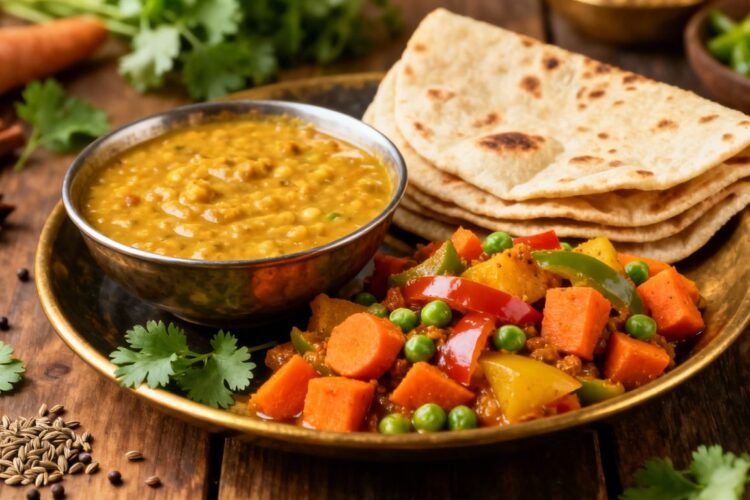
Trying to shed a few pounds but love Indian food? It can feel tricky, right? You want to eat healthy, but you also don’t want to give up all the flavors you grew up with. Well, good news! Making a 1200 calories meal plan indian that’s both tasty and good for weight management is totally doable. We’ve put together some ideas that focus on nutritious ingredients and sensible portions, so you can enjoy your meals while working towards your health goals. It’s all about smart choices and delicious food.
Key Takeaways
- A 1200 calories meal plan indian can be satisfying and flavorful by focusing on whole grains, lean proteins, and plenty of vegetables.
- Incorporating a variety of traditional Indian dishes like idli, upma, and vegetable curries, adapted for lower calories, helps maintain dietary interest and nutrient intake.
- Consistency in meal timing, portion control, and mindful eating are important for achieving weight management goals with any meal plan, including this Indian-focused one.
1. Morning Detox Routine
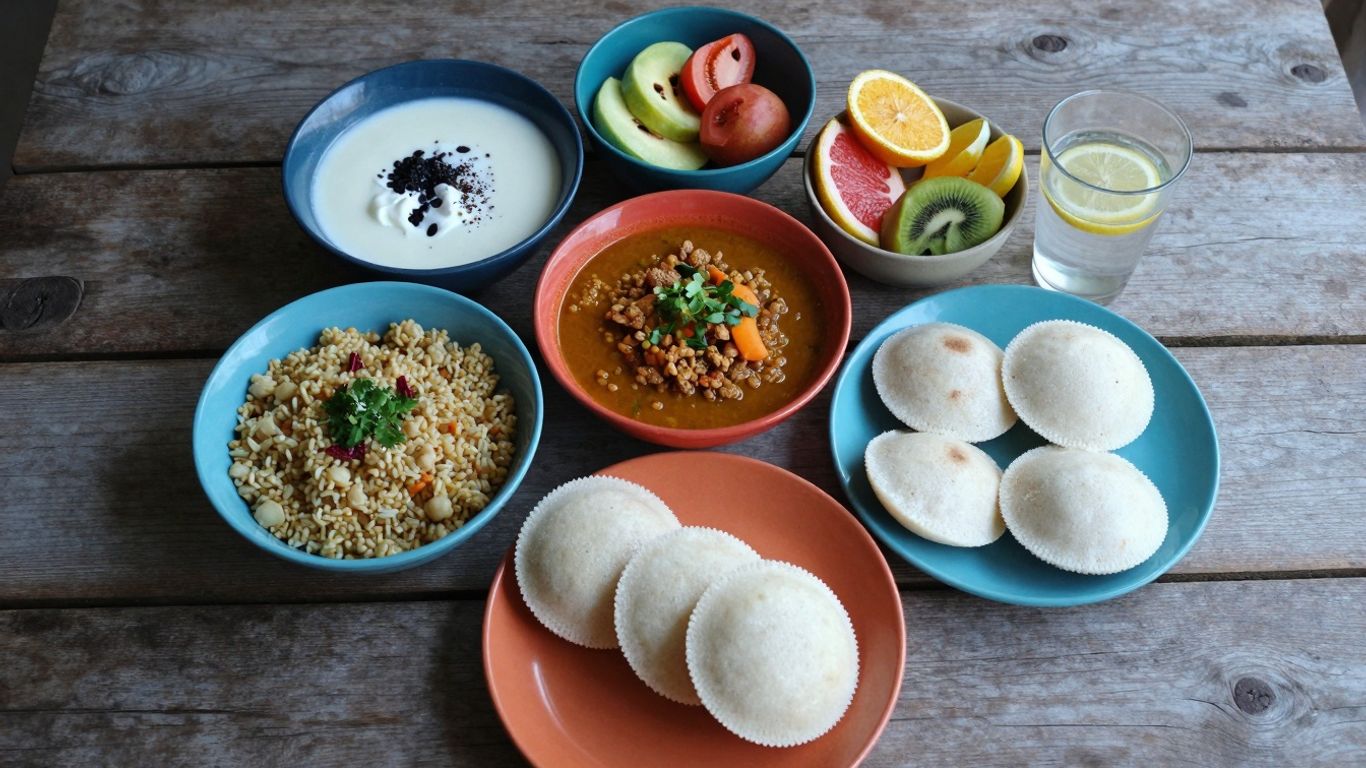
Starting your day with a good detox drink can really set the tone for a healthy 1200-calorie meal plan. It’s not just about flushing out anything unwanted; it’s about giving your body a gentle nudge to get going. Think of it as a little wake-up call for your insides.
Here are a few simple ideas to get you started:
- Warm water with lemon and a pinch of cinnamon: This is a classic for a reason. The lemon provides a bit of vitamin C and can help with digestion, while cinnamon adds a touch of warmth and is thought to help with metabolism. It’s super easy to make.
- Green tea with a few mint leaves: Green tea is packed with antioxidants. Adding mint makes it taste refreshing and can also help settle your stomach.
- Apple cider vinegar with a bit of ginger: ACV has gotten a lot of attention for its potential benefits, like helping you feel fuller. Ginger is great for digestion and has anti-inflammatory properties.
These drinks are meant to be light and hydrating, preparing your system for the nutritious meals ahead without adding a lot of extra calories. They’re a simple way to feel good from the moment you wake up.
Remember, the goal here is to hydrate and gently kickstart your metabolism. It’s a small step, but it can make a difference in how you feel throughout the day.
2. Wholesome Ragi Porridge
Starting your day with a hearty breakfast is key, especially when you’re aiming for a 1200-calorie meal plan. Ragi, also known as finger millet, is a fantastic grain that’s packed with nutrients and keeps you feeling full. This wholesome ragi porridge is a great way to kickstart your morning. It’s simple to make and can be customized to your liking.
Here’s a basic idea of how to prepare it:
- Boil about 350 grams of ragi flour with 1.5 cups of water until it thickens.
- Stir in 1 cup of coconut milk for a creamier texture.
- For a touch of sweetness, you can add a couple of dates or a bit of jaggery.
This porridge offers a good amount of fiber and complex carbohydrates, which are important for sustained energy throughout the morning. It’s a staple in many South Indian households for good reason – it’s filling and good for you.
Ragi is a powerhouse of calcium and iron, making it an excellent choice for bone health and combating anemia. Its slow-digesting nature also helps in managing blood sugar levels, which is beneficial for weight management.
It’s a warm, comforting meal that sets a positive tone for the rest of your day. You can also add a sprinkle of nuts or seeds for extra texture and nutrients if your calorie count allows.
3. Quinoa Idli
Quinoa idli is a fantastic twist on a South Indian classic, making it a great addition to a 1200-calorie meal plan. Instead of just rice, we’re using quinoa, which brings a lot more protein and fiber to the table. This means you’ll feel fuller for longer, which is super helpful when you’re watching your calorie intake.
Making them isn’t too complicated, either. You’ll typically grind quinoa with a bit of urad dal, just like traditional idli batter, and then let it ferment. The result is a fluffy, slightly nutty idli that’s way more satisfying than the plain rice version.
Here’s a general idea of what goes into them:
- Quinoa: The star ingredient, providing protein and fiber.
- Urad Dal: Helps with fermentation and gives the idli its classic texture.
- Water: For batter consistency.
- Salt: To taste.
These quinoa idlis are a smart choice for breakfast or a light meal. They pair wonderfully with a simple tomato chutney or a light sambar, keeping the overall calorie count in check while offering a good dose of nutrients.
Think of quinoa idli as a nutritional upgrade to a beloved comfort food. It’s a simple swap that makes a big difference in how filling and beneficial your meal is, all while keeping that familiar, comforting taste.
4. Dal Veggie Idli
Looking for a way to sneak more protein and veggies into your day? Dal Veggie Idli is a fantastic option that’s both nutritious and easy to make. These aren’t your average idlis; they’re packed with the goodness of lentils and finely chopped vegetables, making them a more substantial and filling choice for your 1200-calorie meal plan. They’re a great way to add variety to your South Indian diet without straying from your goals.
These idlis are a smart way to boost your fiber and protein intake.
Making them is pretty straightforward. You’ll typically use a batter made from rice and urad dal, just like regular idlis, but with the addition of cooked dal (like moong or masoor dal) and a mix of finely grated or chopped vegetables such as carrots, beans, or spinach. Steaming them makes them incredibly light and easy to digest.
Here’s a general idea of what goes into them:
- Rice flour
- Urad dal
- Cooked lentils (e.g., moong dal)
- Assorted finely chopped vegetables (carrots, peas, spinach, beans)
- Spices for flavor (like ginger, green chilies, cumin)
They pair wonderfully with a light chutney or a small portion of sambar. It’s a simple yet effective way to create a balanced meal that keeps you satisfied.
This dish offers a good balance of carbohydrates from the rice, protein from the lentils, and essential vitamins and minerals from the added vegetables. It’s a testament to how traditional Indian foods can be adapted for modern health needs.
5. Millet Upma
Millet Upma is a fantastic choice for a light yet filling breakfast or lunch, especially when you’re watching your calorie intake. It’s a savory dish made from millets, which are small-seeded grasses that are super nutritious. Think of it as a healthier cousin to semolina upma.
This dish offers a good balance of carbohydrates and fiber, keeping you satisfied for longer.
Here’s a general idea of what goes into a typical Millet Upma, keeping portion sizes in mind for a 1200-calorie plan:
- Millet: Usually foxtail millet (kakum/navane) is used. It has a slightly nutty flavor and a great texture when cooked.
- Vegetables: Finely chopped onions, carrots, peas, and bell peppers add color, flavor, and nutrients.
- Tempering: Mustard seeds, curry leaves, and green chilies provide that classic South Indian flavor base.
- Oil: Just a small amount, like a tablespoon, is used for sautéing.
When preparing Millet Upma for a calorie-controlled diet, be mindful of the amount of oil used. Roasting the millet beforehand can bring out its flavor without needing extra fat. Also, loading up on non-starchy vegetables helps increase the volume of the dish without adding many calories.
Approximate Nutritional Snapshot (per serving, adjusted for a 1200-calorie plan):
| Nutrient | Amount |
|---|---|
| Calories | ~250-300 |
| Carbohydrates | ~40-50g |
| Protein | ~5-7g |
| Fat | ~5-8g |
| Fiber | ~5-7g |
6. Idlis With Tomato Chutney
Idlis are a classic South Indian breakfast staple, and for good reason. They’re light, fluffy, and incredibly satisfying, especially when paired with a vibrant tomato chutney. This combination makes for a fantastic snack option when you’re aiming for a 1200-calorie meal plan because it’s naturally low in calories but high in volume, helping you feel full.
Making idlis involves a simple fermentation process using rice and urad dal, which gives them a unique texture and a slight tang. The tomato chutney, on the other hand, is a quick concoction of tomatoes, onions, and a few spices, offering a burst of flavor.
Here’s a breakdown of why this snack works well:
- Low Calorie Density: Idlis are steamed, meaning no added fats are needed in their preparation. This keeps the calorie count down.
- Digestible: The fermentation process makes the batter easier to digest.
- Flavorful Pairing: The tangy and slightly spicy tomato chutney complements the mild idlis perfectly, making it a satisfying treat.
A typical serving of two idlis with a small portion of tomato chutney can be around 150-200 calories, making it an ideal choice for an afternoon snack or a light evening meal.
The beauty of idlis lies in their simplicity and versatility. They are a testament to how wholesome ingredients, prepared with care, can create a delicious and healthy meal that fits perfectly into a weight management plan.
7. Brown Rice, Dal, And Vegetable Curry
This meal is a fantastic way to get a good mix of complex carbs, protein, and fiber. Brown rice is a whole grain that digests slower than white rice, keeping you feeling full longer. Dal, or lentils, are a powerhouse of plant-based protein and fiber, which are super important for weight management. Then you’ve got your veggies – whatever you like, really! Think spinach, cauliflower, carrots, peas – they add vitamins, minerals, and more fiber.
Putting it all together is pretty straightforward. You’ll cook the brown rice separately. For the dal and vegetable curry, you can sauté some onions, garlic, and ginger, add your spices (turmeric, cumin, coriander are good starting points), then toss in your chosen vegetables and the dal. Simmer it all with some water or vegetable broth until everything is tender. This combination provides sustained energy and keeps hunger pangs at bay.
Here’s a rough idea of what you might be looking at, calorie-wise:
| Component | Approximate Calories |
|---|---|
| Brown Rice (1 cup) | 215 |
| Mixed Dal (1 cup) | 230 |
| Vegetable Curry (1 cup) | 150 |
| Small portion of oil | 50 |
| Total | 645 |
This is just an estimate, of course. The exact calories will depend on how much oil you use and the specific vegetables you pick. It’s a really satisfying meal that doesn’t feel like you’re missing out on anything.
This dish is a classic for a reason. It’s hearty, nutritious, and incredibly versatile. You can adjust the spices to your liking, making it as mild or as fiery as you prefer. Plus, it’s a great way to use up whatever vegetables you have in the fridge.
It’s a complete meal that ticks all the boxes for a healthy, balanced diet. You get your carbs from the brown rice, protein and fiber from the dal, and a good dose of vitamins and minerals from the vegetables. It’s the kind of meal that fuels you without weighing you down.
8. Multigrain Roti With Chicken/Paneer Curry
This is a really solid lunch option if you’re looking for something filling and packed with protein. We’re talking about swapping out regular white flour rotis for ones made with a mix of grains. This bumps up the fiber and nutrients quite a bit, which is always a good thing when you’re trying to manage your weight.
Then you pair it with a curry. You can go with chicken, which is a lean protein powerhouse, or paneer, which is that lovely Indian cottage cheese. Both are great for keeping you full and satisfied.
Here’s a quick look at what you might be getting:
| Component | Approximate Calories |
|---|---|
| Multigrain Roti | 150-200 |
| Chicken/Paneer Curry | 150-200 |
This combination offers a good balance of complex carbohydrates, protein, and healthy fats to keep your energy levels stable.
It’s a classic Indian meal, but with a healthier twist. You get all the comforting flavors without overloading on refined carbs. Plus, the protein from the chicken or paneer really helps with satiety, meaning you won’t be reaching for snacks an hour later.
When putting this meal together, think about the curry preparation. Opting for a curry made with yogurt or a tomato base, and loaded with vegetables, will be much lighter than one swimming in cream or oil. This makes a big difference in the overall calorie count and health benefits.
9. Grilled Fish With Steamed Veggies
This meal is a fantastic choice when you’re aiming for a lighter yet satisfying lunch, fitting perfectly into a 1200-calorie plan. It focuses on lean protein and nutrient-rich vegetables, keeping things simple and healthy.
Grilled fish offers a great source of lean protein and healthy omega-3 fatty acids. It’s a good idea to pick a white fish like tilapia, cod, or basa, as they tend to be lower in calories and fat compared to oilier fish. Grilling or baking is the way to go here, avoiding any added fats from frying.
When it comes to the veggies, think about a colorful mix. Broccoli, carrots, bell peppers, green beans, or even some spinach work wonderfully. Steaming them is ideal because it keeps most of the vitamins and minerals intact without needing extra oil. A little pinch of salt and pepper is usually all you need, but you could also add a squeeze of lemon or a sprinkle of herbs like dill or parsley for extra flavor.
Here’s a quick look at what you might include:
- Fish: About 4-5 ounces of a lean white fish (like cod or tilapia).
- Vegetables: A generous cup or two of mixed steamed vegetables (e.g., broccoli, carrots, zucchini, bell peppers).
- Seasoning: Salt, pepper, lemon juice, fresh herbs (optional).
This combination provides a good balance of protein to keep you full and a variety of vitamins and fiber from the vegetables, making it a smart pick for weight management.
10. Quinoa And Vegetable Salad
This quinoa and vegetable salad is a fantastic option for a light yet filling lunch. It’s packed with good stuff that keeps you going without weighing you down.
Quinoa is a powerhouse of nutrients, offering complete protein and plenty of fiber. It’s a great base for a salad because it’s so versatile and absorbs flavors really well.
Here’s what makes it a winner:
- Quinoa: A pseudo-grain that’s a complete protein source, meaning it has all nine essential amino acids. It’s also rich in fiber, magnesium, and iron.
- Fresh Vegetables: Think colorful additions like chopped bell peppers (any color works!), crisp cucumber, juicy cherry tomatoes, and finely diced red onion. These add vitamins, minerals, and a nice crunch.
- Lemon Dressing: A simple squeeze of fresh lemon juice, a drizzle of olive oil, and maybe a pinch of salt and pepper is all you need. It brightens everything up.
This salad is super easy to customize. Feel free to toss in other veggies you have on hand, like shredded carrots, corn, or even some chopped spinach. It’s all about making it work for you and what you enjoy.
Putting it together is a breeze. Just cook your quinoa according to the package directions and let it cool. Then, chop up all your chosen veggies and mix them with the cooled quinoa. Drizzle with the lemon dressing, give it a good toss, and you’re set. It’s a refreshing and satisfying meal that fits perfectly into a 1200-calorie plan, usually coming in around 300-350 calories depending on your exact portions and dressing.
11. Vegetable Biryani
Vegetable Biryani can be a flavorful addition to your 1200-calorie Indian meal plan, offering a satisfying taste of North Indian cuisine. It’s a great way to introduce variety while keeping your calorie goals in check.
This dish is a wonderful way to pack in a variety of vegetables and complex carbohydrates.
Here’s a simple way to think about making a lighter version:
- Rice: Use basmati rice, but be mindful of portion size. Soaking it beforehand helps it cook evenly.
- Vegetables: Load up on mixed veggies like carrots, peas, beans, and cauliflower. These add bulk, nutrients, and fiber without many calories.
- Spices: Aromatic spices like cumin seeds, cinnamon, cloves, and bay leaf add a lot of flavor without needing extra fat.
- Cooking Method: Sauté onions until golden, then add your vegetables and cook until they’re tender. Combine this with the rice and spices, add water, and cook until the rice is done. Using just a little oil or ghee is key.
A typical serving of vegetable biryani can be quite calorie-dense. To fit it into a 1200-calorie plan, focus on a smaller portion of rice and a generous amount of vegetables. Pairing it with a side of plain yogurt or a light cucumber raita can make it a complete and balanced meal.
Approximate Nutritional Information (per serving, adjusted for calorie goal):
| Component | Amount |
|---|---|
| Calories | ~300-350 |
| Carbohydrates | ~40-50g |
| Protein | ~8-10g |
| Fat | ~8-12g |
12. Greek Yogurt With Chia Seeds
Greek yogurt is a fantastic choice for a snack, especially when you’re watching your calorie intake. It’s packed with protein, which helps you feel full and satisfied for longer periods. This can be a real game-changer when you’re trying to manage your weight and avoid those mid-afternoon hunger pangs.
Adding chia seeds to your Greek yogurt is a smart move. These tiny seeds are nutritional powerhouses. They’re loaded with fiber, which is great for digestion and also contributes to that feeling of fullness. Plus, they bring in healthy omega-3 fatty acids and antioxidants. It’s a simple way to boost the nutritional value of your snack without adding a lot of calories.
Here’s a quick breakdown of why this combo works:
- Protein Power: Greek yogurt provides a substantial protein punch.
- Fiber Boost: Chia seeds add a good dose of dietary fiber.
- Healthy Fats: Omega-3s from chia seeds are beneficial.
- Antioxidant Rich: Both yogurt and chia seeds offer protective compounds.
This simple snack can be a great addition to your 1200-calorie meal plan, offering a good balance of macronutrients to keep you going.
When planning meals, think about combining protein sources with fiber-rich foods. This combination is key for satiety and can help prevent overeating later in the day. Greek yogurt and chia seeds are a perfect example of this synergy.
For a 1200-calorie plan, a serving of Greek yogurt with a tablespoon of chia seeds typically falls within the 100-150 calorie range, making it an ideal mid-morning or evening snack. You can adjust the portion size slightly based on your daily calorie needs and other meals.
13. Palak Paneer With Brown Rice
Palak paneer, a classic North Indian dish, is a fantastic choice for a healthy meal plan. It combines the goodness of spinach (palak) with cubes of paneer (Indian cottage cheese). This pairing is not only delicious but also packed with nutrients. Spinach is loaded with vitamins A, C, and K, plus iron, while paneer provides a good dose of protein and calcium.
Pairing it with brown rice makes it a complete and balanced meal. Brown rice offers complex carbohydrates and fiber, which helps you feel full longer and supports digestion. It’s a much better option than white rice when you’re watching your calorie intake.
Here’s a breakdown of why this combo works well:
- Nutrient Density: You get a wide range of vitamins, minerals, protein, and fiber.
- Satiety: The combination of protein from paneer and fiber from spinach and brown rice keeps hunger at bay.
- Flavor Profile: The mild, earthy flavor of spinach complements the creamy paneer, and brown rice provides a wholesome base.
When preparing this, try to use minimal oil for sautéing the spices and onions. A tablespoon of healthy oil like mustard or olive oil should be enough. You can also add a touch of garlic and ginger for extra flavor without adding many calories.
This dish is a great example of how traditional Indian cuisine can be adapted for modern health goals. It’s satisfying, flavorful, and provides sustained energy, making it ideal for a 1200-calorie diet.
For a typical serving, aim for about 1 cup of palak paneer and 1/2 cup of cooked brown rice. This portion should fit nicely within your daily calorie goals, offering a hearty and satisfying meal.
14. Fenugreek And Chickpea Flour Pancakes
Looking for a breakfast that’s both filling and good for you? These fenugreek and chickpea flour pancakes, often called ‘Besan Cheela’ in India, are a fantastic option. They’re naturally gluten-free and packed with protein, making them a great choice for managing your calorie intake.
These pancakes are a powerhouse of nutrients, offering a good balance of protein and fiber to keep you satisfied. They’re super versatile too; you can add finely chopped veggies like onions, tomatoes, or cilantro right into the batter for extra flavor and nutrients.
Here’s a simple way to whip them up:
- Mix the Batter: Combine about 1/2 cup of chickpea flour (besan) with 1/4 cup of fenugreek leaves (fresh or dried, soaked if dried). Add water gradually until you get a pancake-like batter consistency – not too thick, not too thin.
- Add Flavor: Stir in a pinch of turmeric, a dash of red chili powder (optional), and salt to taste. Some finely chopped green chilies or ginger can add a nice kick.
- Cook Them: Heat a non-stick pan or tawa with a little oil or ghee. Pour a ladleful of batter and spread it into a thin circle. Cook for a couple of minutes on each side until golden brown and cooked through.
| Nutritional Component | Approximate Amount (per pancake) |
|---|---|
| Calories | 80-100 |
| Protein | 4-5g |
| Carbohydrates | 10-12g |
| Fat | 2-3g |
These pancakes are delicious served with a side of plain yogurt or a light mint chutney. They make for a satisfying breakfast or even a light lunch when you’re aiming for around 1200 calories a day.
15. Tapioca Pearls And Mixed Fruit Smoothie
Whipping up a tapioca pearl and mixed fruit smoothie is a pretty simple way to get a tasty and filling drink that fits into a 1200-calorie plan. It’s not just about the taste, though; it’s a smart move for managing your weight because it combines carbs for energy with fiber and vitamins from the fruit.
This smoothie is a great option for a quick breakfast or a mid-day pick-me-up.
Here’s a basic idea of what goes into it and why it works:
- Tapioca Pearls: These give the smoothie a unique, slightly chewy texture and provide easily digestible carbohydrates for energy. When cooked, they absorb liquid, making the smoothie feel more substantial.
- Mixed Fruits: Think berries, mango, banana, or whatever you have on hand. Fruits bring natural sweetness, vitamins, minerals, and fiber. Fiber is key because it helps you feel full longer, which is super helpful when you’re watching your calorie intake.
- Liquid Base: You can use water, unsweetened almond milk, or coconut water. This helps blend everything together and keeps the calorie count in check.
Putting it all together is straightforward:
- Cook a small portion of tapioca pearls according to package directions and let them cool.
- In a blender, combine the cooked tapioca pearls with your chosen mixed fruits (fresh or frozen).
- Add your liquid base and blend until smooth. You might need to add a little more liquid if it’s too thick.
This kind of smoothie can be a real lifesaver when you’re trying to stick to a calorie goal. It feels like a treat, but it’s packed with good stuff that keeps you satisfied without overdoing it on calories. Plus, you can adjust the fruits based on what’s in season or what you like best.
Remember to keep portion sizes in mind. A typical serving might look something like this:
| Ingredient | Approximate Amount | Calories (Est.) |
|---|---|---|
| Cooked Tapioca | 1/4 cup | 70 |
| Mixed Berries | 1 cup | 80 |
| Banana (small) | 1/2 | 50 |
| Unsweetened Almond Milk | 1 cup | 30 |
| Total (Approx.) | 230 |
16. Mixed Nuts And Cucumber Salad With Yogurt Dressing
This salad is a really refreshing option, especially when you need something light but still satisfying. It’s super simple to throw together, which is a big plus on busy days.
The combination of crunchy nuts, cool cucumber, and creamy yogurt dressing makes for a great texture and flavor mix. It’s one of those dishes that feels a bit fancy but is actually quite easy to make.
Here’s how I usually put it together:
- Cucumber: I like to use English cucumbers because they have fewer seeds and thinner skin, so I don’t even bother peeling them. Just slice them up.
- Nuts: A mix works best – almonds, walnuts, maybe some pistachios if I have them. I give them a rough chop so they’re easier to eat.
- Dressing: Plain Greek yogurt is the base. I stir in a little lemon juice for tang, a pinch of salt, and maybe some dried mint or dill. It’s light and doesn’t add a lot of extra calories.
It’s a good way to get some healthy fats from the nuts and hydration from the cucumber, all tied together with protein from the yogurt. Plus, it’s a nice change from heavier salads.
This salad is a good example of how simple ingredients can create a balanced and tasty meal. It hits the right notes for a light lunch or a side dish that won’t weigh you down. The key is the freshness of the cucumber and the satisfying crunch of the nuts.
17. Baked Fish With Sautéed Spinach And Peas
This dish is a fantastic way to get a good dose of protein and some greens without a lot of fuss. Baking the fish keeps it moist and flavorful, and then you just quickly sauté the spinach and peas. It’s pretty straightforward, really.
The key here is to not overcook the fish. A flaky white fish like cod or tilapia works really well, but you could also use salmon if you prefer something a bit richer.
Here’s a simple way to put it together:
- Prep the fish: Pat your fish fillet dry. Season it with salt, pepper, and maybe a little garlic powder or a squeeze of lemon. You can bake it on a parchment-lined baking sheet or in a small oven-safe dish.
- Bake the fish: Pop it into a preheated oven at around 400°F (200°C) for about 12-15 minutes, depending on the thickness. It should flake easily with a fork when it’s done.
- Sauté the veggies: While the fish is baking, heat a little olive oil or cooking spray in a pan. Add some minced garlic, then toss in your spinach and peas. Cook just until the spinach wilts and the peas are tender-crisp. Season with salt and pepper.
This meal is a good example of how simple ingredients can make a satisfying and healthy dinner. It focuses on lean protein and nutrient-rich vegetables, fitting nicely into a calorie-controlled plan.
It’s a pretty light meal, so it won’t weigh you down, which is nice if you’re trying to manage your weight. Plus, it’s quick enough for a weeknight when you don’t have a lot of time.
18. Grilled Cottage Cheese Steaks With Quinoa And Mint Salad
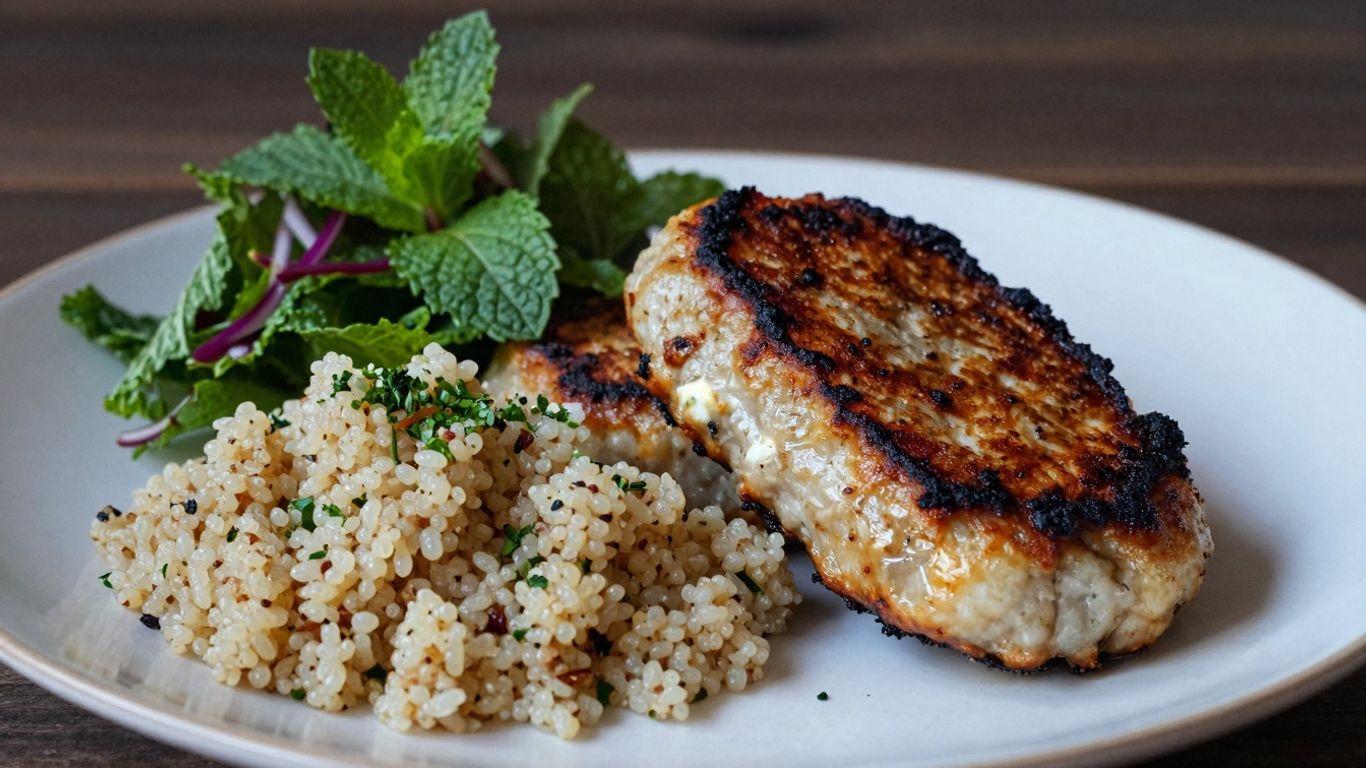
This dish is a fantastic option for a satisfying and healthy meal, especially if you’re looking for a good source of protein without the meat. We’re talking about thick slices of paneer, or Indian cottage cheese, marinated and then grilled until they have those nice char marks and a slightly crispy exterior. It’s really quite simple to prepare.
The real star here, alongside the paneer, is the refreshing quinoa and mint salad. It’s not just about filling you up; it’s about packing in nutrients and flavor. Think fluffy quinoa mixed with finely chopped cucumber, juicy tomatoes, maybe some red onion for a little bite, and a generous amount of fresh mint. A squeeze of lemon or lime juice ties it all together, adding a bright, zesty finish.
Here’s a quick rundown of what goes into this meal:
- Grilled Paneer Steaks: Cubes or thick slices of paneer, marinated in yogurt and spices like cumin, coriander, and a touch of chili powder. Then, grill or pan-sear until golden brown.
- Quinoa Base: Cooked quinoa, cooled down, forms the base of the salad. It’s a complete protein and adds a nice texture.
- Fresh Veggies: Diced cucumber, tomatoes, and finely chopped red onion for crunch and freshness.
- Herbs & Dressing: Plenty of fresh mint and cilantro, tossed with a simple dressing of lemon juice, a tiny bit of olive oil, salt, and pepper.
This combination offers a good balance of protein from the paneer and quinoa, fiber from the vegetables and quinoa, and healthy fats from the olive oil in the dressing. It’s a meal that feels substantial without being heavy, perfect for managing your calorie intake.
It’s a meal that’s both filling and light, making it a great choice when you’re watching what you eat. The textures are great too – the soft paneer against the slightly chewy quinoa and crisp veggies. Definitely a winner for a healthy lunch or a light dinner.
19. Hummus With Sliced Vegetables
Hummus with sliced vegetables is a fantastic snack option when you’re watching your calorie intake. It’s satisfying, packed with nutrients, and keeps you full between meals. This combo is super easy to put together, making it a go-to for busy days.
The beauty of hummus lies in its simplicity and versatility. Made from chickpeas, tahini, lemon juice, and garlic, it offers a good dose of protein and fiber. When paired with fresh, crunchy vegetables, it becomes a powerhouse of vitamins and minerals.
Here’s why it works so well for a 1200-calorie plan:
- Nutrient Density: Chickpeas provide complex carbs and protein, while vegetables offer vitamins, minerals, and fiber. This mix helps keep you feeling satisfied.
- Portion Control: It’s easy to manage your serving size. A standard serving of hummus is about 2 tablespoons, which is usually around 50-70 calories. Pair this with a generous amount of veggies.
- Low Calorie, High Volume: Vegetables like cucumber, bell peppers, carrots, and celery are very low in calories but high in water content and fiber, adding bulk to your snack without adding many calories.
Suggested Vegetable Pairings:
- Cucumber sticks
- Carrot sticks
- Bell pepper strips (any color)
- Celery sticks
- Broccoli florets
- Cherry tomatoes
This snack is a great way to curb cravings for something savory and satisfying. It’s a smart choice that aligns perfectly with managing your daily calorie goals without feeling deprived.
20. Almonds And Dried Fruits
When you’re watching your calorie intake, it’s easy to think that snacks are off the table. But that’s not really true! Smart snacking can actually help keep hunger pangs at bay and prevent you from overeating later.
Almonds and dried fruits are a classic combo for a reason. They pack a lot of flavor and energy into a small package. Just a small handful can make a big difference in keeping you satisfied between meals.
Here’s a quick look at what you get:
- Almonds: These are little powerhouses of healthy fats, protein, and fiber. They’re great for your heart and can help you feel full. A typical serving of about 1 ounce (around 23 almonds) is roughly 160 calories.
- Dried Fruits (like raisins, apricots, or dates): These offer natural sweetness and are a good source of quick energy and fiber. However, because the water is removed, the sugars are more concentrated, so portion control is key. A small box of raisins (about 1.5 ounces) is around 130 calories.
Putting them together makes for a balanced snack. You get the satisfying crunch and protein from the almonds, plus the sweet chewiness from the dried fruit. It’s a good way to get a mix of nutrients without going overboard on calories.
Remember, even healthy snacks need to be portioned correctly when you’re managing your calorie intake. A little goes a long way with these nutrient-dense options.
For a 1200-calorie plan, aim for a mix that keeps you around 100-150 calories. For example, about 15 almonds and a tablespoon or two of raisins would fit nicely. It’s a simple, tasty way to bridge the gap between meals.
21. Roasted Makhana
Roasted makhana, also known as fox nuts or lotus seeds, are a fantastic snack option when you’re watching your calorie intake. They’re super light and airy, which makes them feel like you’re eating a lot more than you actually are. Plus, they’re pretty versatile – you can roast them plain or spice them up.
These little puffs are a great source of fiber and protein, making them a satisfying choice that won’t derail your 1200-calorie goal. They’re a good alternative to chips or other fried snacks that can pack on the calories quickly.
Here’s a simple way to prepare them:
- Gather your ingredients: About 1 cup of makhana and a teaspoon of oil (like ghee or olive oil).
- Seasoning: Salt to taste, and optional spices like black pepper, chaat masala, or a pinch of turmeric.
- Roast: Heat the oil in a pan over medium heat. Add the makhana and toast for about 5-7 minutes, stirring occasionally, until they become crisp. If you’re adding spices, toss them in during the last minute of roasting.
Makhana are naturally low in calories and fat, which makes them a smart choice for mindful eating. They offer a subtle, nutty flavor that pairs well with a variety of seasonings, allowing you to customize your snack without adding significant calories.
They’re perfect for munching on when you need a little something between meals, helping you stay on track without feeling deprived. You can even add them to your salads for a bit of crunch.
22. Spiced Nuts
Nuts are a fantastic snack, but when you spice them up, they become something truly special. Think of them as little flavor bombs that also happen to be good for you. They’re perfect for when you need a little something to tide you over between meals, and they feel way more satisfying than, say, a plain cracker.
These aren’t your average bar nuts; we’re talking about a carefully curated blend of spices that brings out the best in each nut. It’s a simple way to add a bit of excitement to your 1200-calorie plan without adding a ton of extra calories.
Here’s a basic idea of how you can prepare them:
- Choose your nuts: Almonds, walnuts, cashews, and pistachios are all great choices. You can use a single type or a mix.
- Spice it up: A good starting point is a mix of cumin, coriander, a pinch of cayenne for a little heat, and maybe some turmeric for color and its health benefits. Don’t forget a tiny bit of salt.
- Roast them: Toss the nuts with a very small amount of oil (like olive or coconut oil) and your spice mix. Roast them in a moderate oven until they’re fragrant and lightly toasted. Keep an eye on them so they don’t burn!
A small handful of these spiced nuts can make a big difference in satisfying your cravings. They offer healthy fats and a bit of protein, which helps keep you feeling full. Plus, the spices themselves can offer some health perks.
It’s a snack that feels indulgent but fits right into a healthy eating plan. Just be mindful of portion sizes, as nuts are calorie-dense, even the healthy ones.
23. Boiled Eggs With Masala
Boiled eggs are a fantastic, simple protein source, and adding a sprinkle of Indian masala takes them to a whole new level. They’re super easy to prepare, making them a go-to snack or a light meal component when you’re watching your calorie intake.
These spiced eggs are a protein powerhouse, perfect for keeping you full and satisfied.
Here’s a basic way to spice up your boiled eggs:
- Boil eggs until they’re cooked to your liking (hard-boiled is usually best for this).
- Peel the eggs and slice them in half or quarters.
- Sprinkle generously with your favorite Indian spice blend. Chaat masala is a popular choice for its tangy and savory notes, but you could also use a mix of cumin, coriander, chili powder, and a pinch of salt.
This simple preparation transforms a plain boiled egg into a flavorful bite that feels more like a treat than a diet food. It’s a quick way to add some zest to your day without adding a lot of extra calories or prep time.
For a more substantial meal, you could serve these spiced eggs alongside a fresh cucumber and tomato salad or a small portion of whole-grain toast. They also pair nicely with a side of plain yogurt to balance the spices.
24. Zucchini Sabzi
Zucchini sabzi is a fantastic, light dish that fits perfectly into a 1200-calorie meal plan. It’s a simple Indian stir-fry that lets the natural flavor of zucchini shine. Plus, it’s super quick to make, which is always a win on busy days.
This dish is a great way to get in some extra vegetables without a lot of fuss.
Here’s a basic idea of how you might put it together:
- Start with a little bit of oil in a pan.
- Add some mustard seeds and let them pop.
- Toss in some chopped onions and green chilies, and cook until the onions are soft.
- Add the chopped zucchini, turmeric, and salt.
- Stir it all together and cook until the zucchini is tender but not mushy.
It’s really that straightforward. You can serve this alongside a small portion of roti or a bit of dal for a balanced meal. It’s a good example of how simple ingredients can make a tasty and healthy dish.
Zucchini is mostly water, which helps you feel full. It also has vitamins like C and K, and some potassium. Making it into a sabzi with minimal oil keeps it low in calories and good for you.
25. Almond Flour Rotis and more
When you’re trying to cut back on carbs but still want to enjoy those comforting Indian meals, almond flour rotis are a total game-changer. Seriously, they taste so good and are a fantastic substitute for traditional wheat rotis. They’re made with almond flour, which is packed with healthy fats and protein, keeping you full for longer. Plus, they have way fewer carbs than regular rotis, making them perfect for a 1200-calorie plan.
Beyond just rotis, there are other smart swaps you can make. Think cauliflower rice instead of white rice, or zucchini sabzi instead of potato-heavy dishes. These little changes add up and help you stick to your goals without feeling deprived.
Here are a few ideas to round out your low-carb Indian meals:
- Almond Flour Roti: A direct swap for wheat roti, offering healthy fats and fewer carbs.
- Cauliflower Rice: Use this as a base for curries instead of traditional rice.
- Zucchini Sabzi: A flavorful vegetable dish that’s naturally low in carbs.
- Paneer Tikka: Grilled cottage cheese cubes marinated in spices, a great protein source.
- Tandoori Chicken Wings: Marinated and baked or grilled chicken, lean and satisfying.
Making these kinds of substitutions is key to enjoying Indian food while managing your calorie and carb intake. It’s all about finding delicious alternatives that fit your plan.
Wrapping Up Your 1200 Calorie Indian Journey
So, there you have it! We’ve walked through some tasty Indian meal ideas that fit into a 1200-calorie plan. Remember, this isn’t about deprivation; it’s about making smart, flavorful choices. Sticking to a plan takes effort, and it’s totally okay if some days are better than others. The main thing is to keep going, listen to your body, and celebrate the small wins along the way. You’ve got this!
Frequently Asked Questions
What kind of drinks are good for this 1200-calorie Indian diet plan?
You can drink things like green tea or black coffee without sugar. Almond milk is a good choice if you don’t want dairy. Lime water is refreshing, and buttermilk can be good for your stomach. Just try to avoid sugary drinks!
How can I make sure I get enough nutrients on this diet?
Focus on eating whole foods, lean proteins, and healthy fats. Load up on leafy green veggies like spinach. You can swap regular rice for cauliflower rice. Good protein sources include eggs and paneer. For snacks, try roasted makhana (fox nuts), a handful of spiced nuts, or boiled eggs with a little masala.
What are some common Indian foods I should avoid on a low-carb diet?
You should limit foods high in carbs like white rice, regular wheat chapatis, and other grains. Also, stay away from sugary Indian sweets like laddoo and barfi. Potatoes, green peas, and corn are starchy vegetables to watch out for. Fried snacks like pakoras and processed foods are also best avoided.